Is It OK to Get Used Baby Bottles? Safety & Hygiene Guide
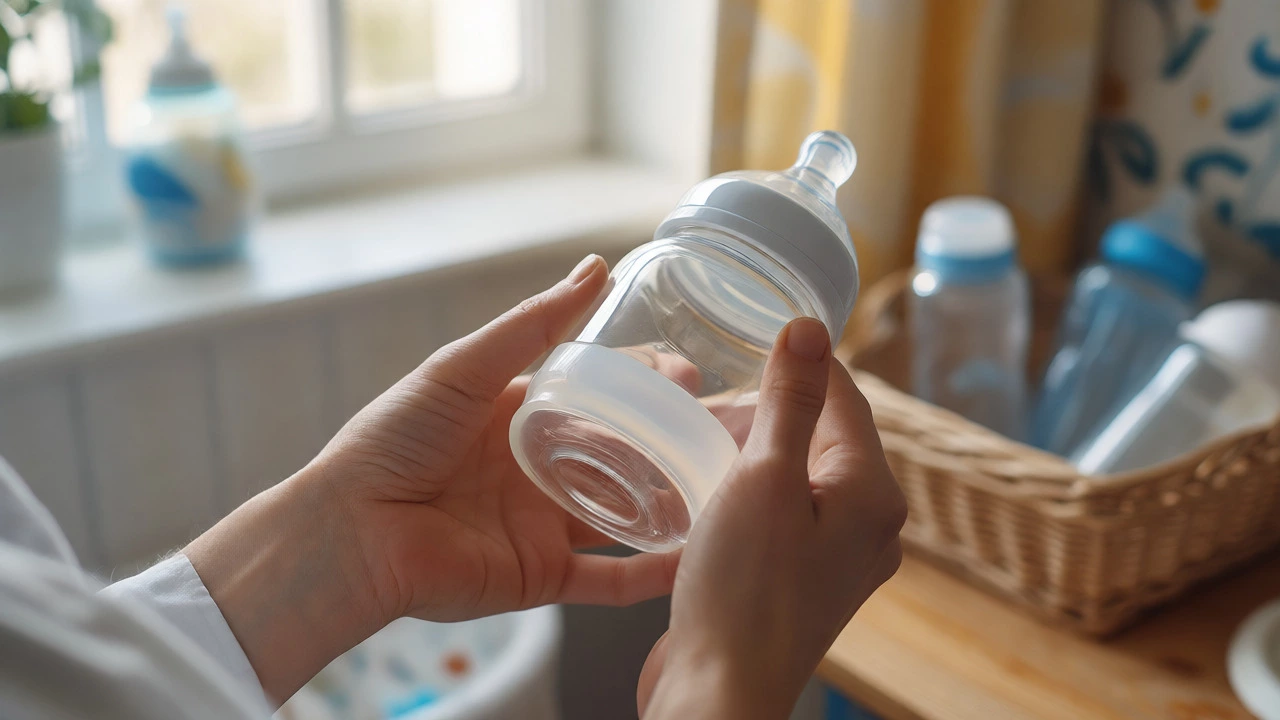
Used Baby Bottle Safety Checker
Verdict
Key Findings:
- Disassemble completely.
- Soak in bleach solution (2 tsp/gal water) for 2 mins.
- Rinse thoroughly until no chlorine smell.
- Air dry on clean rack.
- Sterilize before first use.
You are standing in the aisle of a thrift store or scrolling through Facebook Marketplace, eyeing a set of brand-name Dr. Brown's or Philips Avent bottles for half price. The tag says "like new," and your budget is tight. But a nagging voice asks: Is it actually safe to put old milk into a used container?
The short answer is yes, but with big caveats. Unlike clothes, which you can wash away history, baby bottles interact directly with your child’s mouth and immune system. A scratched piece of plastic isn't just ugly; it’s a breeding ground for bacteria that standard dishwashing might miss. This guide breaks down exactly when you should buy second-hand and when you need to pay full retail.
The Material Matters: Plastic vs. Glass vs. Silicone
Not all bottles age the same way. If you are hunting for deals, the material dictates how much wear-and-tear you can tolerate.
| Material | Risk Level | What to Check For | Verdict |
|---|---|---|---|
| Glass | Low (if intact) | Chips, cracks, cloudiness | Great if no structural damage |
| Silicone | Medium | Yellowing, sticky residue, tears | Good if flexible and clean |
| Plastic (PP/PESU) | High | Scratches, discoloration, warping | Only if barely used |
Glass bottles are surprisingly resilient. Unless they have chips on the rim or visible cracks running down the side, they don’t harbor bacteria the way porous materials do. You can boil them repeatedly without degrading their integrity. However, check the silicone sleeves often found on modern glass bottles. If those sleeves are torn or stained deep inside, they trap milk fats that smell sour even after washing.
Plastic is where things get tricky. Most modern plastics are BPA-free, but that doesn’t mean they are invincible. Over time, heat and dishwasher cycles cause micro-scratches. These tiny grooves become hiding spots for Cronobacter and other pathogens. If you see scratches inside the bottle, especially near the bottom or around the threads, walk away. No amount of scrubbing will reach into those fissures effectively.
The Nipple Dilemma: Why You Should Always Buy New
Here is the golden rule of second-hand feeding: The bottle body might be reusable, but the nipple almost never is. Baby nipples are made from latex or silicone, both of which degrade over time. Even if the previous owner only used them for a week, you cannot verify how they were cleaned. Were they boiled? Bleached? Left in a hot car?
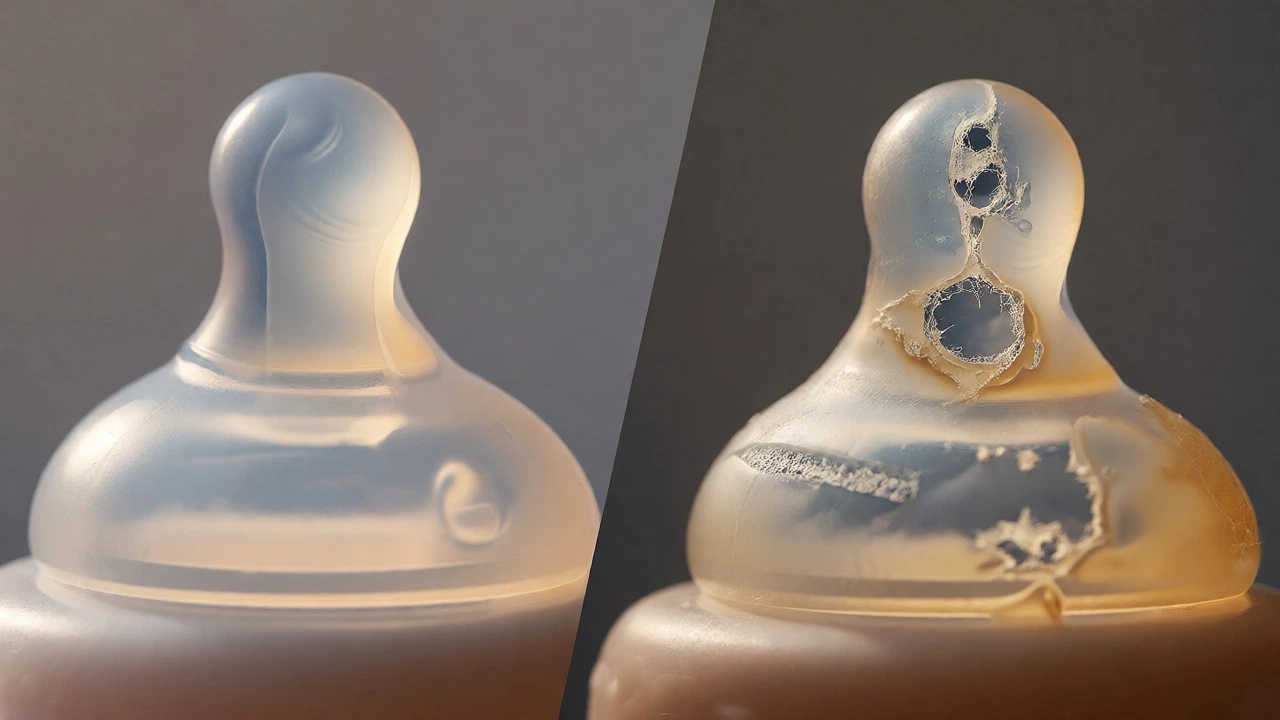
Older nipples lose elasticity. They stretch out, changing the flow rate unpredictably. A stretched hole can cause choking hazards because milk flows too fast. Conversely, a stiffened nipple becomes hard to latch onto, frustrating the baby. Plus, microscopic tears form in silicone as it ages. These tears are invisible to the naked eye but perfect traps for mold. Mold in a baby’s mouth leads to thrush, white patches on the tongue and cheeks that require medication to clear.
Buying new nipples costs $5-$10 per pack. It is the cheapest insurance policy you can buy for your baby’s health. Ignore any seller who claims the nipples are "sterilized." You cannot sterilize degraded material back to its original state.
Hygiene Protocol: How to Clean Second-Hand Bottles
If you decide the bottles themselves are safe, you still need to treat them like medical equipment before first use. Do not just run them through the dishwasher.
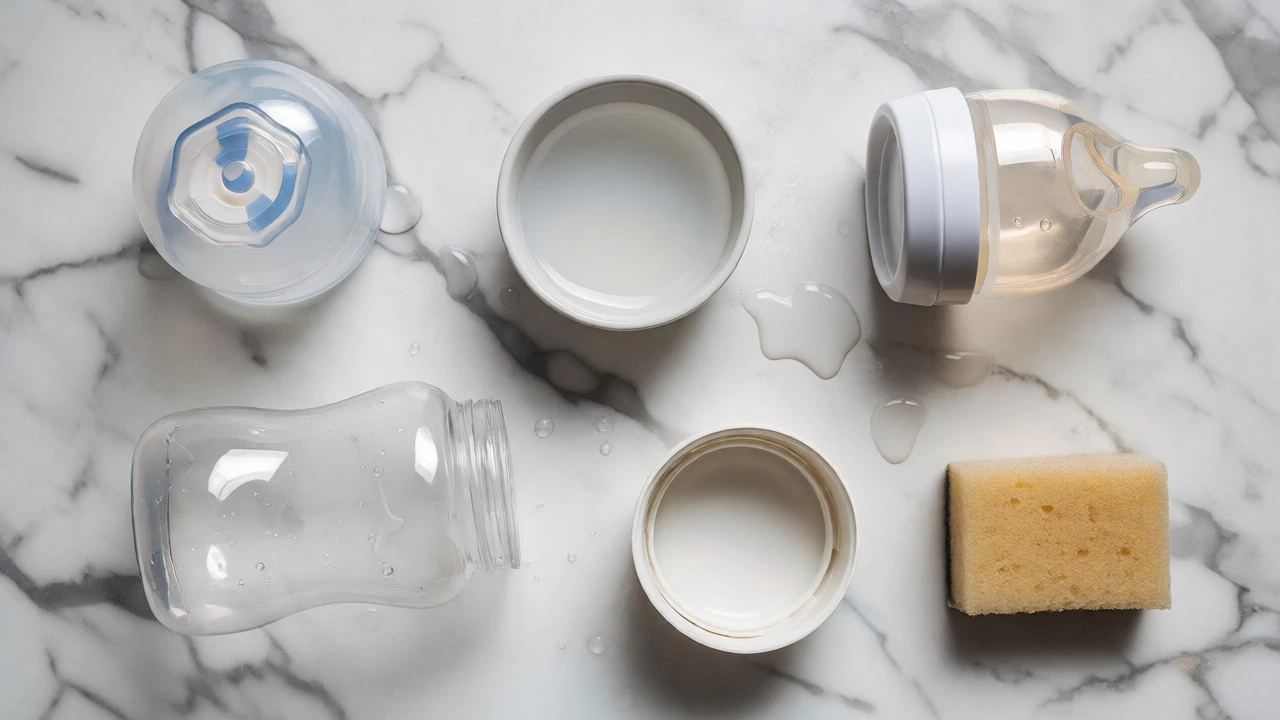
- Disassemble completely: Take apart every component-cap, ring, valve, insert, and nipple. Milk gets trapped in valves, especially in anti-colic systems like Dr. Brown's vent inserts. If the previous owner didn't clean these thoroughly, biofilm has likely formed.
- Soak in bleach solution: Mix 2 teaspoons of unscented household bleach per gallon of water. Soak the parts for 2 minutes. This kills bacteria and breaks down stubborn milk fats.
- Rinse thoroughly: Rinse under cold running water until no smell of chlorine remains. Any leftover taste will drive your baby crazy.
- Air dry: Place parts on a clean drying rack. Avoid towels, which can introduce lint and bacteria.
- Final sterilization: Before the very first feed, steam sterilize or boil the parts according to the manufacturer’s instructions. Note that some older plastics may warp if boiled at high temperatures for too long, so check the label carefully.
When to Walk Away: Red Flags
Some bottles look okay but fail the sniff test or visual inspection. Here are deal-breakers:
- Discoloration: If the plastic has turned yellow or cloudy, it indicates chemical breakdown or prolonged exposure to UV light. Cloudy plastic often means micro-abrasions.
- Sticky Residue: If the plastic feels tacky, it is breaking down. This is common in older polypropylene bottles. Throw them out.
- Missing Parts: Never buy a bottle without its specific cap or ring. Universal caps exist, but they rarely seal as well as proprietary ones, leading to leaks and potential contamination.
- Strong Odors: If the bottle smells like formula, breast milk, or soap that won't go away after washing, it has absorbed organic compounds. Your baby will reject it.
Economic Reality: Is It Worth the Hassle?
Let’s do the math. A new set of four high-end bottles costs between $40 and $60. A used set might cost $15. You save $30. But then you spend $10 on new nipples and $5 on cleaning supplies. Your net savings drop to $15.
For many parents, that margin isn't worth the risk of introducing unknown contaminants or dealing with leaking seals. However, if you are buying glass bottles or premium brands like Comotomo or Nuby, the savings can be significant, provided the condition is pristine. Always factor in the time cost of inspecting and sanitizing. If you value your time highly, buying new is often the smarter economic choice.
Can I reuse baby bottles for my second child?
Yes, if they are stored properly. Keep them in a sealed, dust-free container away from sunlight. Before using them again, inspect for scratches or yellowing. If they look identical to how they did when you bought them, they are likely safe. Always replace the nipples, as they degrade over time even when unused.
Are BPA-free bottles safe to buy used?
BPA-free refers to the chemical composition, not the physical durability. BPA-free plastics can still scratch and harbor bacteria. In fact, some studies suggest that alternative plastics (like BPS) may also leach chemicals when heated or damaged. Physical integrity matters more than the BPA label when buying used.
How do I know if a bottle is too old?
Check the manufacturing date code, usually molded into the bottom of the bottle. Most manufacturers recommend replacing bottles every 6 months with heavy use. If the bottle is more than 2 years old and shows any signs of wear, discard it. Older bottles may also lack current safety standards regarding neck thread design.
Can I sterilize used bottles in the microwave?
It depends on the material. Glass and silicone are generally microwave-safe for steam sterilizers. Many older plastics are not rated for microwave steam sterilization and may warp or release fumes. Always check the manufacturer's guidelines. When in doubt, use boiling water or a dedicated electric steamer.
Do used bottles affect breastfeeding success?
Indirectly, yes. If a used bottle has a poor seal or inconsistent flow due to worn parts, it can cause frustration during bottle-feeding. This might lead to nipple confusion or refusal. Ensuring the hardware works perfectly helps maintain a smooth transition between breast and bottle.