Nursery Furnishing Costs: Real Budgets for 2026
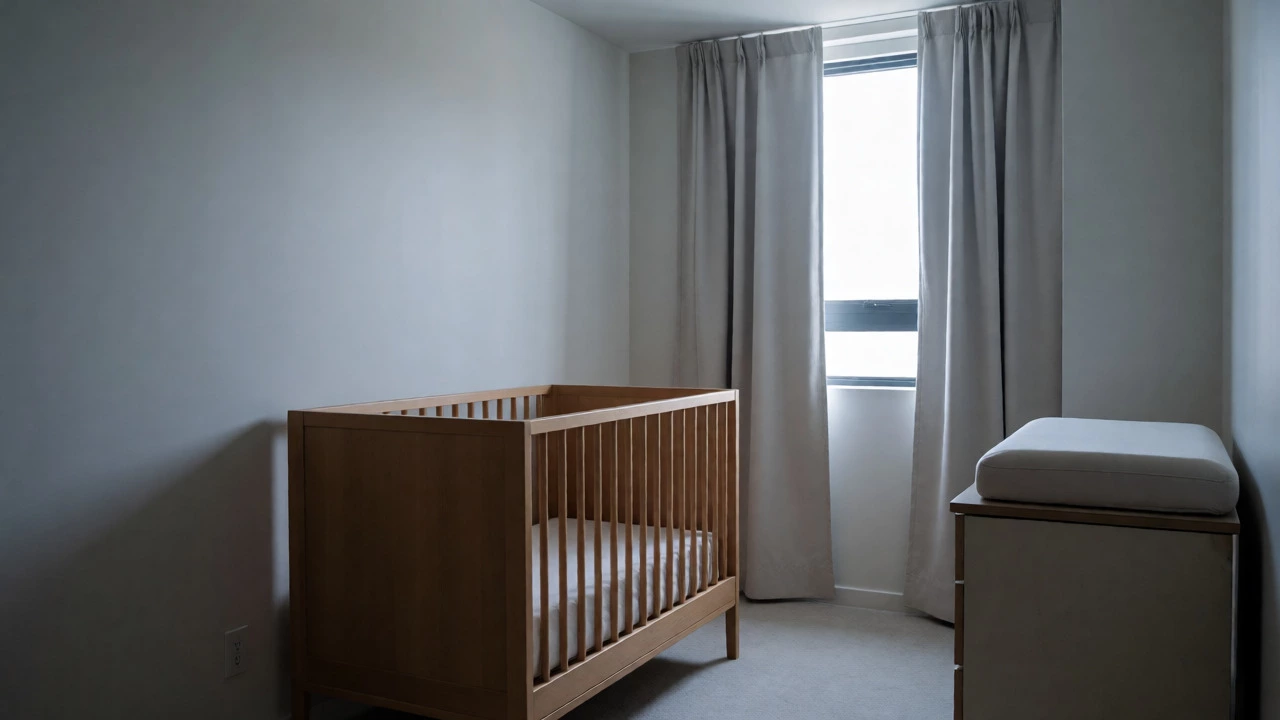
Nursery Budget Estimator (2026)
Plan your nursery setup realistically. Select your needs below to see a projected CAD budget.
Select your options and click "Calculate" to see your personalized nursery budget estimate.
Walking into a baby store often feels like entering a trap designed to separate you from your wallet. You go in for a simple crib and walk out with a matching changing table, a glider that costs more than your first car payment, and three sets of bedding you didn't need. The question isn't just "how much does it cost to furnish a nursery?" but rather, how much do you actually need to spend versus how much the marketing wants you to spend?
As someone who has helped dozens of friends in Vancouver navigate this exact chaos, I can tell you there is no single number. A functional nursery can cost as little as $800 if you are savvy with second-hand finds, or over $5,000 if you want custom built-ins and organic cotton everything. This guide breaks down the real numbers for 2026, stripping away the fluff so you can build a safe, comfortable space without blowing your savings.
The Core Essentials: What You Actually Need
Before we talk dollars, let's talk items. Many parents fall into the trap of buying things before they know what their baby will use. The truth is, newborns don't need much. They need to sleep safely, be changed, and be fed. That’s it. Everything else is convenience or aesthetic preference.
When budgeting, split your list into two categories: Essential Furniture and Optional Comfort Items. Essential furniture includes the crib, mattress, changing surface, and a chair for feeding. Optional items include dressers (if you have closet space), nightstands, rugs, and decor. If money is tight, skip the optional stuff. You can always add it later when the baby arrives and you know your actual routine.
A critical point often missed: safety standards change. In Canada, Health Canada regulates cribs strictly. Ensure any crib you buy meets current CSA Z400-13 standards. Used cribs can be risky if they were manufactured before 2011, when drop-side rails were banned due to entrapment hazards. Always check the manufacture date sticker on the back rail.
Budget Tiers: Low, Mid, and High
Let's look at realistic price ranges for a complete setup in late 2026. These estimates assume you are buying new, though we will discuss used options later. Prices reflect Canadian retail averages, including taxes where applicable.
| Item | Budget Tier | Mid-Range Tier | Luxury Tier |
|---|---|---|---|
| Crib & Mattress | $300 - $500 | $600 - $900 | $1,200+ |
| Changing Table/Dresser Combo | $150 - $250 | $350 - $600 | $800+ |
| Glider/Rocking Chair | $100 - $200 | $300 - $500 | $700+ |
| Lighting & Blinds | $50 - $100 | $150 - $300 | $500+ |
| Bedding & Decor | $100 - $150 | $200 - $400 | $600+ |
| Total Estimated Cost | $700 - $1,200 | $1,600 - $2,700 | $3,800+ |
Notice the spread? The difference between the budget and luxury tiers is nearly $3,000. Does the extra money make the baby happier? No. It makes the parents feel better about aesthetics or longevity. For example, a high-end convertible crib might last until age five, turning into a toddler bed and then a daybed. A cheap crib might only last through infancy. You are paying for durability and design, not immediate comfort.
Breaking Down the Big Ticket Items
Let's dig into where the money actually goes. If you cut corners here, you risk safety. If you overspend here, you drain your emergency fund.
The Crib and Mattress
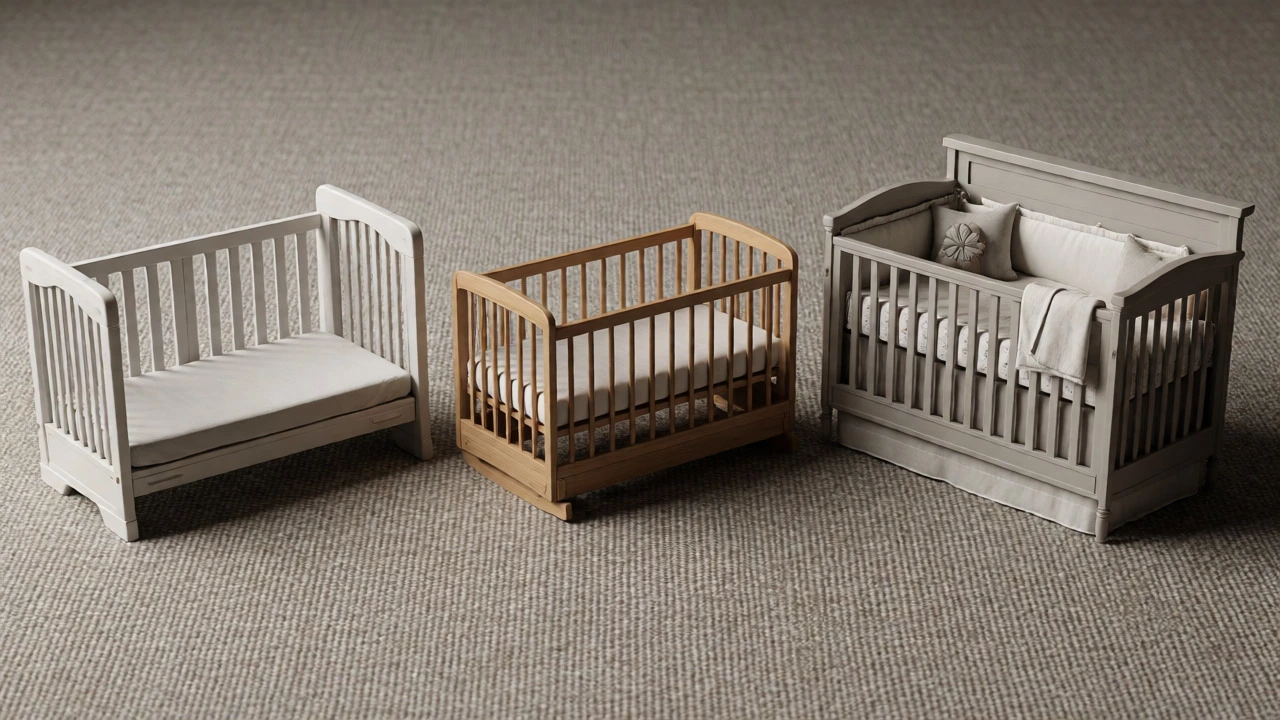
This is the centerpiece. You cannot compromise on safety. A standard full-size crib ranges from $200 to $800. Why the huge gap? Materials and features. Particleboard cribs are cheaper but may wobble or chip. Solid wood cribs are sturdier and hold value better. Convertible cribs, which transform into toddler beds, cost more upfront ($400-$900) but save you from buying a separate toddler bed later.
The mattress is equally important. Do not buy a used mattress unless you know its history perfectly. New mattresses range from $100 to $400. Look for firmness-babies need firm surfaces to reduce SIDS risk. Memory foam is popular for adults but often too soft for infants unless specifically certified as infant-safe. Brands like Dream On Me and Graco offer reliable mid-range options that meet safety standards without breaking the bank.
The Changing Station
You will change diapers roughly 2,700 times in the first year. Yes, that’s an average. So, your changing station needs to be ergonomic. Stand-alone changing tables cost $100-$300 but take up floor space. Dresser-changer combos are smarter investments. A decent dresser with a pad costs $300-$600. The advantage? Once the baby grows, you remove the pad and keep the dresser for clothes storage. It serves double duty.
In Vancouver apartments, space is premium. Consider wall-mounted fold-down changers if you have limited square footage. They cost around $150-$250 and free up floor space completely when not in use.
The Feeding Chair
Nursing or bottle-feeding takes hours. A bad chair leads to back pain. Gliders rock side-to-side; rockers move forward-and-back. Most parents prefer gliders because they are smoother and less likely to wake a sleeping baby. Expect to pay $250-$500 for a quality glider. Cheap ones squeak and break within months. Look for solid wood frames and dense foam cushions. If you already have a comfortable armchair in the living room, you might skip this purchase entirely for the first few months.
Smart Savings: Buying Used vs. New
Furniture depreciates fast. Baby gear is no exception. Buying used can slash your budget by 50-70%. But you must be selective.
Sellable/Resale Value: Cribs, dressers, and gliders hold value well. If you buy a high-quality wooden crib for $600, you might sell it for $300 after two years. That’s a net cost of $300. Compare that to buying a new $200 plastic crib that sells for $50. The net cost is $150. Sometimes, buying used high-end is cheaper long-term than buying new low-end.
Where to Buy Used: Facebook Marketplace, Kijiji, and local consignment stores are goldmines in Canada. Check listings weekly. Good deals disappear in hours. When inspecting used furniture, check for loose screws, cracked wood, or peeling paint. Lead paint was banned in Canada in 1976, but older imported furniture might still have issues. Stick to items made after 2010 for peace of mind.
What NOT to Buy Used: Car seats (unless you know the accident history perfectly), helmets, and anything with foam padding that can harbor mold or bacteria. Mattresses should generally be new. Cribs can be used if they meet current safety standards and have all original hardware.
Hidden Costs: The Stuff You Forget
The furniture bill is just the start. Here are the sneaky expenses that blow budgets:
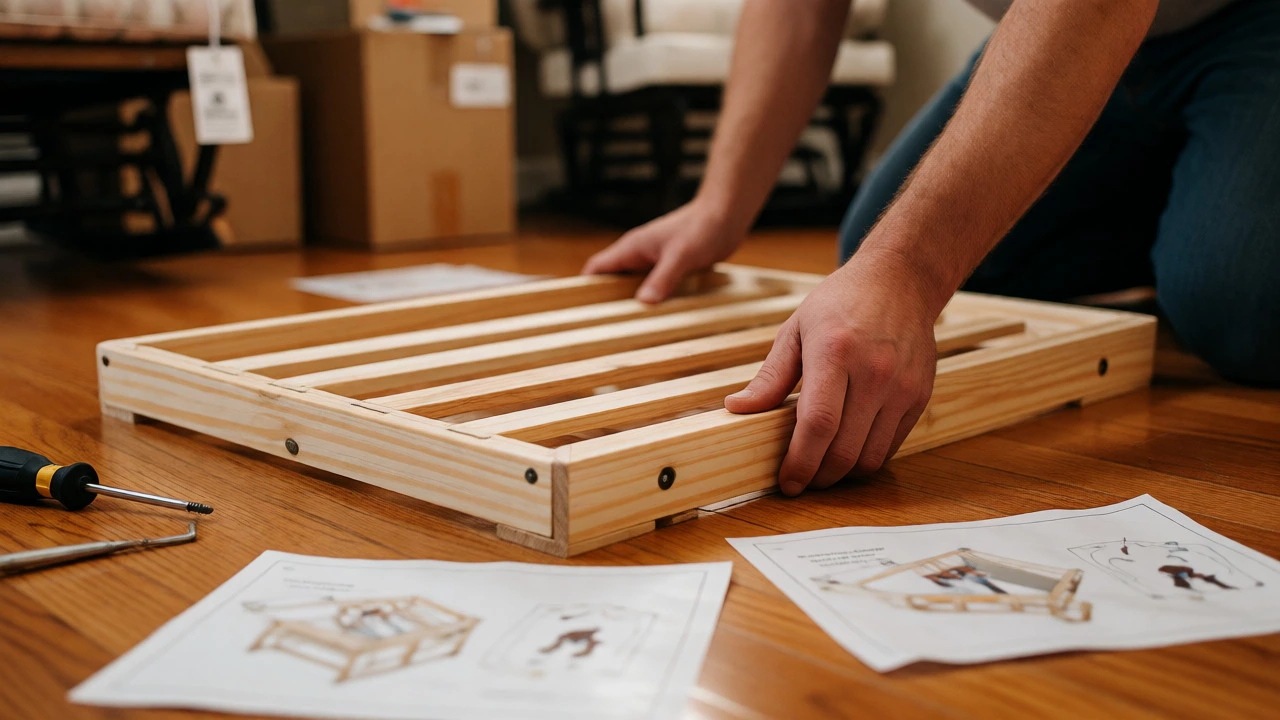
- Assembly Fees: If you hire help, expect to pay $50-$100 per piece. IKEA assembly services can add $150+ to your total. Do you have the tools and patience? If not, budget for it.
- Wall Protection: Babies kick walls. Consider peel-and-stick wall protectors or washable paint. This adds $50-$100.
- Blackout Curtains: Crucial for naps. Custom blackout blinds can cost $100-$300 per window. Ready-made curtains are cheaper ($30-$60) but may not block light fully.
- Storage Bins: Diapers, wipes, and lotions need organization. Plastic bins cost $5-$15 each. You’ll need at least four. That’s $60.
- Rug Pad: Hardwood floors are slippery. A non-slip rug pad costs $20-$40. Essential for safety once baby starts crawling.
These small items add up quickly. Add a 10-15% buffer to your furniture budget for these extras.
Regional Differences: Why Location Matters
Living in Vancouver, I see higher prices for shipping large items compared to central Canada. Freight charges for a crib can be $50-$100 extra if you’re ordering online. Local pickup avoids this. Also, sales tax varies. BC has PST and GST, totaling 12%. Ontario has HST at 13%. Alberta has GST only at 5%. This affects your final bill significantly.
If you live in a major city, rent is high, so space is small. You might opt for multi-functional furniture (crib/dresser combo) to save space, which costs more upfront but saves on renting a larger apartment. In rural areas, you might have more space but fewer local retailers, meaning higher shipping costs.
Timeline: When to Buy
Don’t rush. Wait until your second trimester to start serious shopping. You’ll have energy to research and compare prices. Buy big-ticket items (crib, dresser) 4-6 weeks before your due date. This gives you time to assemble them, air out any off-gassing smells, and return defective items.
Watch for sales cycles. Boxing Day (December 26) and Black Friday (late November) offer deep discounts. Memorial Day and Labor Day also feature furniture sales. Since today is November 9, 2026, you are right in the sweet spot for early holiday deals. Sign up for retailer newsletters now to get early access codes.
DIY vs. Store-Bought
Can you DIY a nursery? Yes. Painting walls yourself saves $200-$400 compared to hiring a pro. Installing shelves instead of buying bookcases saves $100. But assembling furniture requires skill. If you hate following instructions, don’t DIY the crib. One wrong screw can mean instability.
Consider upcycling. An old dresser can become a changing table with a simple top pad and safety straps. This costs $50 for the pad versus $400 for a new combo unit. Just ensure the dresser is anchored to the wall to prevent tipping.
Final Checklist Before You Pay
Before you swipe your card, ask yourself:
- Does this item serve a clear purpose for the first six months?
- Is it safe and meets current Canadian standards?
- Will I use it beyond infancy, or is it single-use?
- Can I find it used for half the price?
- Do I have space for it in my specific room layout?
If you answer "no" to most of these, skip it. Your baby doesn’t care about brand names. They care about warmth, food, and love. Keep the nursery simple, safe, and soothing. You can always upgrade later.
How much should I budget for a nursery in Canada?
A realistic budget ranges from $1,000 to $3,000 CAD for a complete, functional nursery. This covers essential furniture like a crib, mattress, changing station, and feeding chair. Luxury setups with custom builds and high-end brands can exceed $5,000, while savvy shoppers using second-hand markets can stay under $800.
Is it safe to buy a used crib?
Yes, if it meets current safety standards. Avoid cribs manufactured before 2011 due to drop-side rail bans. Check for missing hardware, loose slats, and peeling paint. Ensure the mattress fits snugly with no gaps greater than two fingers. Always anchor the crib to the wall if possible.
Do I really need a changing table?
No, you do not need a dedicated changing table. Many parents use a dresser with a changing pad on top. This is often more cost-effective and provides long-term storage utility. Wall-mounted fold-down changers are another space-saving alternative.
What is the most expensive item in a nursery?
The crib and mattress combination is typically the highest single expense, ranging from $400 to $1,500 depending on materials and convertibility. However, if you include a high-end glider and custom window treatments, those can rival the crib's cost.
When is the best time to buy nursery furniture?
Start researching in your second trimester. Purchase major items 4-6 weeks before your due date. Major sales events like Black Friday (November), Boxing Day (December), and Spring Sales (March/April) offer the best discounts.