Safe Breast Milk Substitutes for Babies: Formula, Donor Milk, and Cow's Milk Guidelines
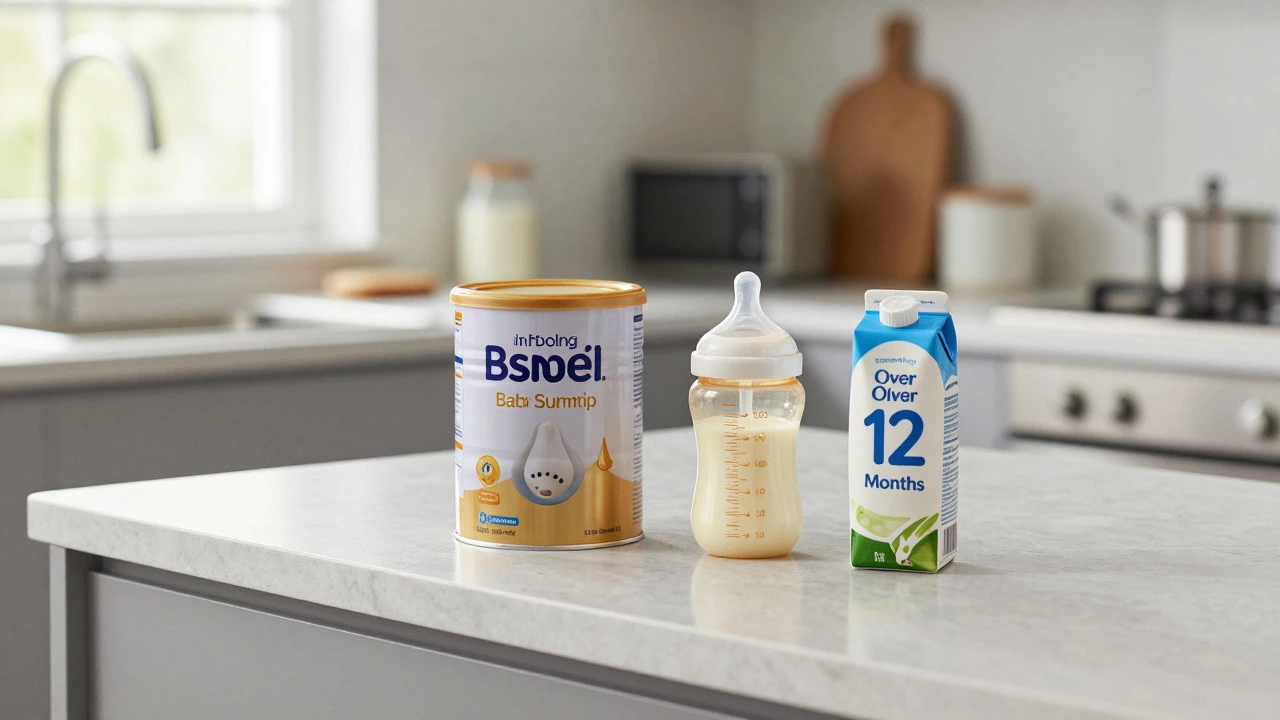
Safe Baby Feeding Recommendation Tool
Use this tool to determine the safest feeding option based on your baby's age and health status.
When Breastfeeding Isn't an Option
There are moments in parenting where the plan changes. Maybe your milk supply dropped after a difficult birth, or perhaps you have to return to work earlier than expected. In these situations, the question isn't just about feeding; it is about finding a safe, nutritious alternative that supports your baby's growth. Breast milk substitutes are not one-size-fits-all solutions. They range from scientifically engineered formulas to carefully screened human donor milk. Understanding the options available helps you make a confident choice without guilt or confusion.
The Gold Standard: Infant Formula
If you cannot provide breast milk, infant formula is the only complete nutritional substitute recommended by pediatricians for babies under six months old. Unlike other liquids, formula is designed to mimic the nutrient profile of breast milk as closely as possible. It contains essential proteins, fats, carbohydrates, vitamins, and minerals tailored to infant digestion.
Most standard formulas are cow's milk-based. This does not mean they contain whole cow's milk; instead, manufacturers process the milk to break down large proteins into smaller, easier-to-digest components. For babies with specific allergies or sensitivities, there are specialized options:
- Hypoallergenic formula: Uses extensively hydrolyzed proteins, meaning the protein chains are broken down significantly to reduce allergic reactions.
- Amino acid-based formula: Contains free amino acids, the building blocks of protein, used for severe allergies.
- Soy-based formula: An option for families who prefer plant-based diets or for babies with galactosemia, though it is not recommended for premature infants.
- Gentle formula: Often partially hydrolyzed to help with gas and fussiness, though evidence varies on its effectiveness compared to standard formula.
When choosing a formula, look for products that meet regulatory standards set by health authorities like Health Canada or the FDA. These agencies ensure that every batch contains consistent levels of nutrients. You do not need to buy the most expensive brand; generic store brands often meet the same rigorous safety and nutritional requirements as name-brand products.
Human Donor Milk: The Closest Alternative
For some parents, especially those with premature or medically fragile babies, donor breast milk is pasteurized human milk provided through accredited milk banks. This option is particularly valuable because it retains many of the immune-boosting properties of fresh breast milk, which formula lacks.
Donor milk is typically accessed through hospitals or certified milk banks. The process involves screening donors for infectious diseases and pasteurizing the milk to kill bacteria while preserving nutrients. However, this resource is limited and often prioritized for neonatal intensive care units (NICUs). If your baby is healthy and full-term, donor milk may be difficult to obtain unless you have a personal connection to a willing donor.
If considering informal donor milk (from a friend or family member), consult your pediatrician first. Informal sharing carries risks because the milk has not been tested for medications, viruses, or contaminants. Proper storage and handling are critical to prevent bacterial growth.
What About Cow's Milk?
A common misconception is that regular cow's milk can be introduced as a primary drink before 12 months of age. Pediatric guidelines strongly advise against this. Whole cow's milk lacks sufficient iron and certain fatty acids crucial for brain development. It also contains high levels of protein and minerals that can strain an infant's kidneys.
Wait until your baby turns one year old before introducing whole cow's milk. At that age, their digestive system is more mature, and their diet includes solid foods that provide missing nutrients. Even then, start slowly to monitor for lactose intolerance or milk protein allergy. Low-fat or skim milk is generally not recommended until age two, as toddlers need dietary fat for energy and cognitive growth.
Other Liquids to Avoid Before Age One
In the rush to find a solution, some parents consider alternatives that are not suitable for infants. Here is what to avoid and why:
- Plant-based milks (almond, oat, rice): These lack adequate protein, fat, and calories. They are not formulated for infant nutrition and can lead to malnutrition if used as a primary drink.
- Goat's milk: While closer to breast milk in texture, it is deficient in folate and iron. Commercial goat's milk formula exists and is fortified, but plain goat's milk should not be given directly.
- Water: Infants under six months rarely need extra water. Too much water can dilute electrolytes in their blood, leading to a dangerous condition called hyponatremia.
- Juice: The American Academy of Pediatrics advises no fruit juice before 12 months due to high sugar content and low nutritional value.
How to Choose the Right Substitute
Selecting a substitute depends on your baby's age, health status, and any known allergies. Start with a standard cow's milk-based formula unless your pediatrician recommends otherwise. Monitor your baby for signs of discomfort, such as excessive crying, rash, or digestive issues. If problems arise, discuss switching to a hypoallergenic or soy-based formula with your doctor.
| Substitute Type | Best For | Key Nutritional Note | Availability |
|---|---|---|---|
| Infant Formula | All babies under 12 months | Fully fortified with iron, DHA, and vitamins | Widely available in stores |
| Donor Breast Milk | Premature or medically fragile infants | Contains immune factors and antibodies | Limited; via milk banks or hospitals |
| Whole Cow's Milk | Babies over 12 months | High in fat and protein; low in iron | Widely available |
| Plant-Based Milks | Toddlers over 2 years (as beverage) | Low protein/fat; not for infants | Widely available |
Practical Tips for Transitioning
Switching from breast milk to formula or another substitute requires patience. Babies may reject the new taste or texture initially. Try mixing small amounts of formula with breast milk gradually, increasing the formula ratio over several days. Use different bottles or nipples to see if your baby prefers a specific flow rate. Keep track of wet diapers and bowel movements to ensure your baby is hydrated and digesting well.
If you are using donor milk, follow strict hygiene practices. Store it in the refrigerator for up to four days or freeze it for longer periods. Thaw frozen milk in the refrigerator overnight, never at room temperature. Discard any leftover milk after a feeding session to prevent bacterial contamination.
When to Consult Your Pediatrician
Always involve your healthcare provider when making significant changes to your baby's diet. Seek immediate advice if your baby shows signs of dehydration (fewer than six wet diapers a day), persistent vomiting, bloody stools, or failure to gain weight. Your pediatrician can help rule out underlying conditions like reflux or allergies and recommend appropriate interventions.
Can I mix breast milk and formula?
Yes, you can mix breast milk and formula in the same bottle. This is called "combination feeding." Prepare the formula according to instructions, let it cool slightly, then add the expressed breast milk. This allows you to share feeding duties and conserve your breast milk supply.
Is organic formula better than regular formula?
Organic formula meets stricter agricultural standards regarding pesticides and antibiotics in ingredients. However, nutritionally, it is equivalent to conventional formula. Choose based on personal preference and budget rather than expecting superior health outcomes for your baby.
How long does prepared formula last?
Prepared formula should be used within two hours of preparation. If left out longer, discard it to prevent bacterial growth. Leftover formula from a feeding should be thrown away after one hour, as saliva introduces bacteria into the bottle.
Can I use goat's milk formula instead of cow's milk formula?
Yes, commercial goat's milk formula is a viable alternative for babies who tolerate it. Ensure it is specifically labeled as infant formula, as it is fortified with necessary nutrients. Plain goat's milk is not suitable for infants under one year.
What if my baby refuses formula?
Try different brands or types of formula, as tastes vary. Experiment with nipple shapes and flow rates. Offer small amounts frequently. If refusal persists, consult your pediatrician to check for oral aversion or medical issues.