What Did Humans Feed Babies Before Formula? A History of Infant Nutrition

Historical Infant Feeding Simulator
Select a Method
Select a Historical Method
Choose an option from the left to explore how babies were fed before modern formula became available.
Imagine holding a newborn in the year 1850. You are not breastfeeding for whatever reason-maybe your milk didn't come in, or you had to return to work immediately after birth. You walk into a pharmacy and ask for baby formula. The pharmacist looks at you like you’ve lost your mind. There is no such thing as "formula" yet. In fact, for most of human history, if a mother could not breastfeed, her baby was likely to die within the first year.
This stark reality often shocks modern parents who take commercial infant formula for granted. We see it on every supermarket shelf, regulated by strict safety standards and designed to mimic breast milk as closely as possible. But before this miracle invention arrived in the late 19th century, humans had to rely on a patchwork of desperate measures, dangerous concoctions, and social arrangements that shaped family life for centuries.
Understanding what we fed babies before formula isn’t just a history lesson; it helps us appreciate why current guidelines exist and how fragile infant survival once was. Let’s look at the actual methods used, from the common practice of wet nursing to the deadly experiments with animal milk and flour-based gruels.
The Gold Standard: Breastfeeding Was Non-Negotiable
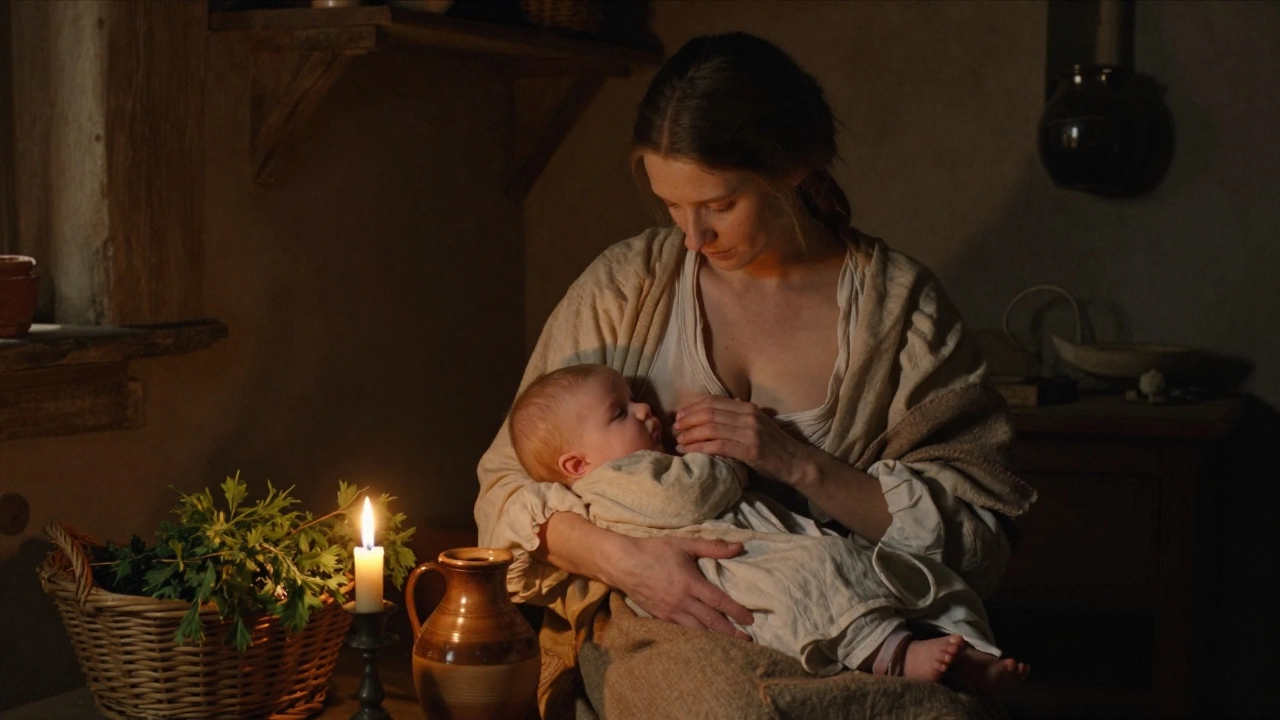
Before diving into alternatives, we have to establish the baseline. For nearly all of human evolution, breastfeeding was the only viable way to feed an infant. Human breast milk contains antibodies, perfect protein ratios, and hydration levels that no other natural source could match. In pre-industrial societies, the biological imperative to nurse was supported by cultural norms that made extended breastfeeding the default.
In many cultures, mothers would nurse their children for two to four years. This wasn’t just about nutrition; it was a spacing mechanism. Lactational amenorrhea (the temporary infertility caused by breastfeeding) helped space out pregnancies, allowing mothers to recover physically. When we talk about "what came before formula," we are really talking about the small percentage of infants who did not receive breast milk. Even then, the goal was always to find a substitute that acted like breast milk, because there were no other options.
The Wet Nurse System: Outsourcing Motherhood
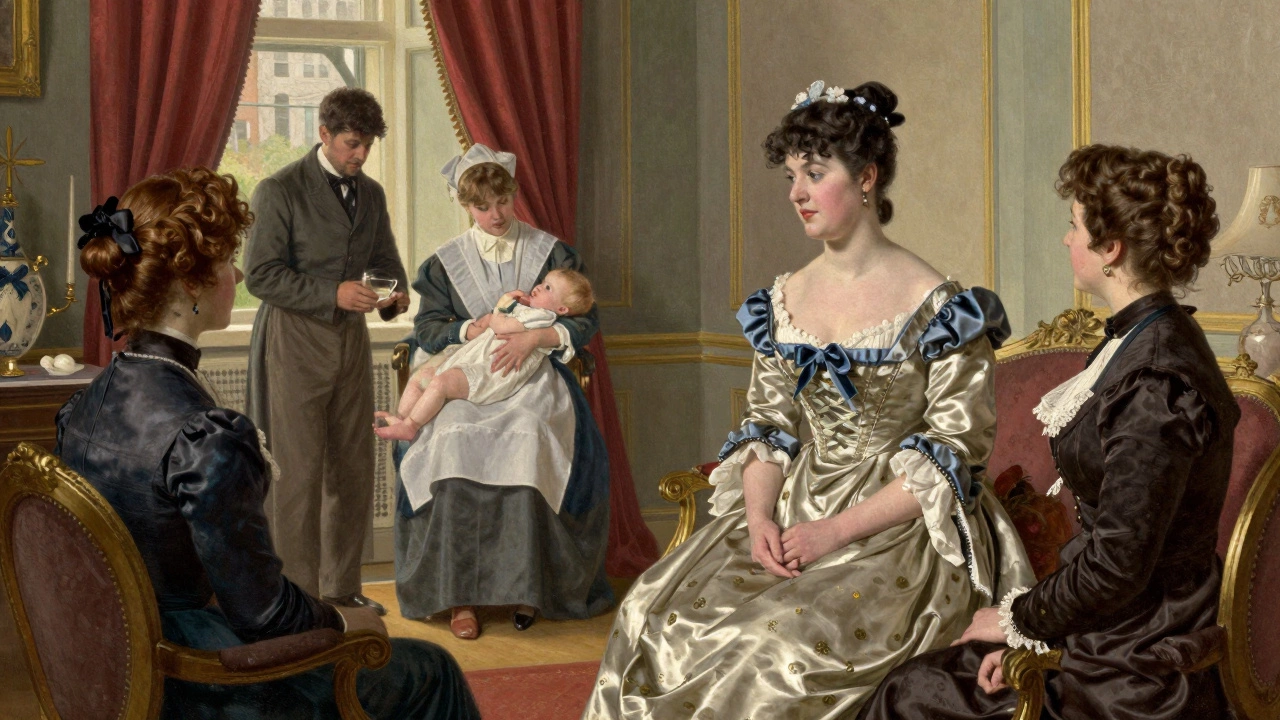
If a mother could not breastfeed, the primary solution for centuries was hiring a wet nurse. A wet nurse was a woman who breastfed another woman's child. This practice dates back thousands of years, appearing in ancient Egypt, Rome, and China. It wasn’t just for kings and queens; in medieval Europe and colonial America, middle-class families also relied on wet nurses when maternal milk failed.
You might wonder how this worked socially. In aristocratic circles, it was common for wealthy women to hire wet nurses so they could avoid the physical burden of nursing and return to social life quickly. However, this created a complex dynamic. Some historical records suggest that noblewomen viewed their own bodies as too valuable for the "drudgery" of nursing, while others simply lacked the milk supply due to poor nutrition or health issues.
For the working class, wet nursing was often an economic necessity. A woman who had recently given birth but couldn’t afford to feed her own child might send her baby to be fostered elsewhere while she nursed a wealthier family’s infant for wages. This system, while effective for saving lives, sometimes led to tragic outcomes where the wet nurse’s own children were neglected or died due to lack of care.
- Pros: Provided the nutritional gold standard (human milk).
- Cons: Expensive, risk of disease transmission, emotional separation between mother and child.
- Availability: High in urban centers, low in rural areas.
Animal Milk: The Dangerous Shortcut
When a wet nurse was unavailable or unaffordable, people turned to animal milk. Cow’s milk was the most obvious choice, but it comes with a major problem: cow’s milk is designed for calves, not human babies. Calves grow incredibly fast and need high protein and mineral content. Human infants have delicate kidneys and digestive systems that cannot handle this load.
Feeding straight cow’s milk to a baby often resulted in severe diarrhea, dehydration, and kidney damage. To make it slightly more tolerable, caregivers would dilute it with water. But here’s the catch: in the 19th century, tap water was often contaminated with cholera or typhoid bacteria. So, you had a diluted, nutrient-poor liquid mixed with potentially deadly pathogens.
Goat’s milk was another alternative, popular in some regions because goats were easier to keep than cows. Like cow’s milk, it required modification. Caregivers would add sugar or honey to increase calories and thicken the mixture. However, adding honey to infants under one year old carries the risk of infant botulism, a rare but serious illness caused by spores found in soil and dust. This danger was unknown at the time, leading to unnecessary deaths.
Farina and Gruels: The Flour-Based Solutions
Sometimes, liquid milk wasn’t enough, or families couldn’t afford fresh dairy. Enter farina, a type of wheat semolina or flour. Farina gruels became a staple in orphanages and poorhouses across Europe and North America during the 1800s.
The process involved boiling flour with water or milk to create a thick paste. This provided carbohydrates for energy, but it lacked essential proteins, fats, and vitamins. Babies fed exclusively on farina often suffered from malnutrition and stunted growth. Despite its inadequacy, it was cheap and easy to prepare in bulk.
Orphanages frequently used these gruels because they could feed hundreds of infants with minimal cost. The mortality rates in these institutions were staggering. Historical data from London workhouses in the mid-19th century shows that up to 70% of infants fed on artificial diets died before their first birthday. These numbers highlight just how critical proper nutrition is for human development.
The Birth of Commercial Formula: From Patent Medicine to Science
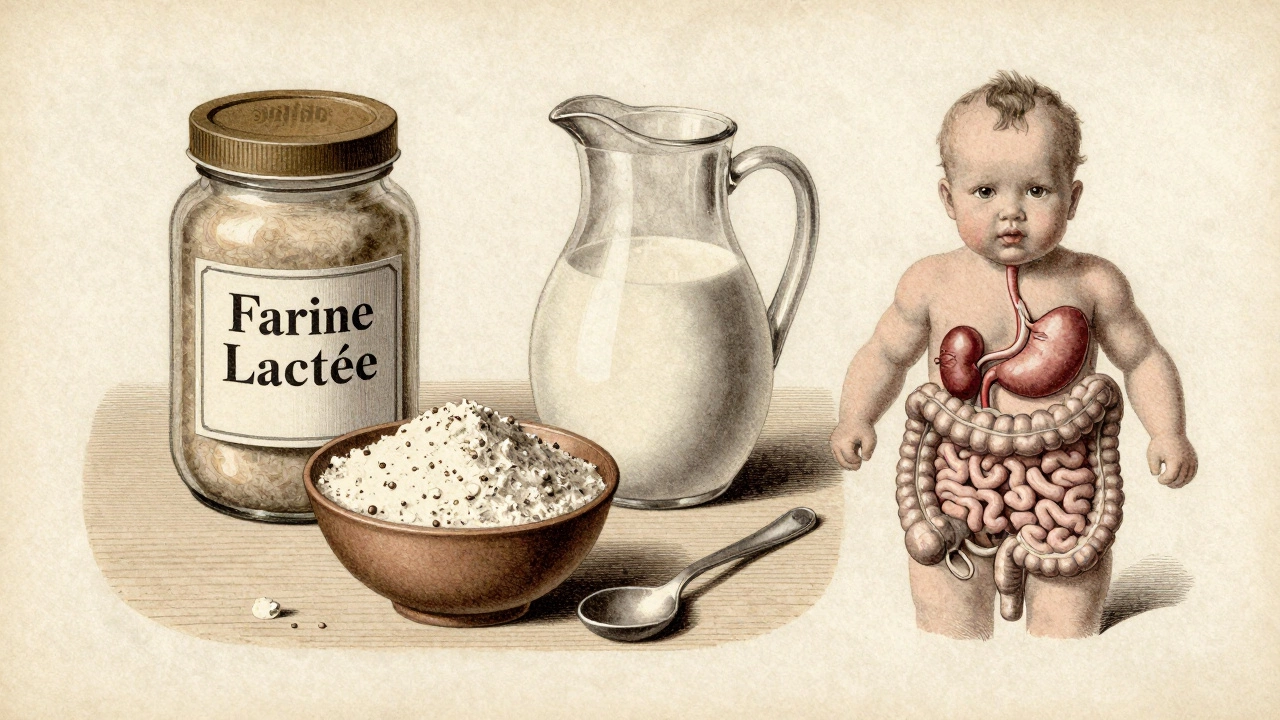
The transition from home-made mixtures to commercial products began in the late 19th century. One key figure was Henri Nestlé, a Swiss confectioner. In 1866, he developed Farine Lactée, a product made from condensed cow’s milk, wheat flour, and sugar. He marketed it as a life-saving solution for infants whose mothers could not breastfeed.
Nestlé claimed his product saved a baby named Anna, who was dying of starvation. While the story may have been embellished for marketing, it captured the public imagination. Farine Lactée was the first mass-produced infant food, paving the way for modern formula.
However, early formulas were far from perfect. They lacked precise nutritional balancing. Manufacturers experimented with various ingredients, including malt extract, yeast, and even beer in some bizarre historical recipes. It wasn’t until the early 20th century, with advances in chemistry and microbiology, that scientists began to understand the exact composition of breast milk.
| Method | Nutritional Value | Safety Risk | Cost |
|---|---|---|---|
| Breastfeeding | Excellent | Low | Free (time-intensive) |
| Wet Nurse | Excellent | Medium (disease) | High |
| Cow's Milk (Diluted) | Poor | High (kidney strain, contamination) | Low |
| Farina Gruel | Very Poor | Medium (malnutrition) | Very Low |
| Early Condensed Milk (Nestlé) | Moderate | Medium (if prepared incorrectly) | Medium |
Why Preparation Matters More Than Ever
Even today, the legacy of those early days affects how we use formula. Modern infant formula is highly regulated. In countries like Canada and the US, agencies ensure that formulas meet strict nutritional standards. They must contain specific amounts of protein, fat, carbohydrates, vitamins, and minerals to support healthy growth.
Yet, preparation errors still cause problems. Using too little water concentrates the formula, stressing the baby’s kidneys-a direct echo of the cow’s milk mistakes of the past. Using too much water dilutes the nutrients, leading to malnutrition. Boiling water properly kills harmful bacteria like Cronobacter, which can lurk in powdered formula.
Parents today have the advantage of clear instructions and safe products, but the underlying principle remains: precision matters. Unlike the trial-and-error approach of the 19th century, we now know exactly what a growing body needs.
Lessons from the Past for Modern Parents
Looking back at what humans fed babies before formula reveals how much progress we’ve made. Infant mortality rates have dropped dramatically since the widespread adoption of safe formula and improved hygiene practices. In the mid-1800s, infant death was a common tragedy. Today, it is rare in developed nations.
For modern parents, this history offers perspective. If you are struggling with breastfeeding, remember that you are part of a long lineage of caregivers seeking the best for their children. Whether you choose to breastfeed, use formula, or combine both, the goal is the same: a healthy, thriving baby. The tools have changed, but the love and dedication remain constant.
It’s also worth noting that while formula is a lifesaver, it is not identical to breast milk. Breast milk adapts to the baby’s needs, changing composition throughout the day and as the child grows. Formula provides a consistent, nutritious alternative, but it doesn’t offer the same immune benefits. Understanding this distinction helps parents make informed choices without guilt.
Did people really feed babies beer?
Yes, in some historical periods, particularly in medieval Europe, weak beer was occasionally given to infants. Beer was safer than water because the brewing process killed many bacteria. However, it offered little nutritional value and introduced alcohol to developing brains, which was harmful. This practice faded as better alternatives emerged.
Was wet nursing common among poor families?
Wet nursing was more common among wealthy and middle-class families who could afford to pay a nurse. Poor families often relied on animal milk or gruels because they couldn’t hire help. Sometimes, poor women would become wet nurses themselves to earn income, sending their own children away to be cared for by others.
Why was cow’s milk dangerous for babies?
Cow’s milk has higher levels of protein and minerals than human milk, which can overwhelm a baby’s immature kidneys. It also lacks certain essential fatty acids and iron. Without proper dilution and fortification, it could lead to dehydration, gastrointestinal bleeding, and nutrient deficiencies.
When was the first baby formula invented?
The first commercially successful infant formula was Henri Nestlé’s Farine Lactée, introduced in 1866. It combined condensed milk, wheat flour, and sugar. While primitive by today’s standards, it marked the beginning of scientific efforts to replicate breast milk.
Is homemade formula safe?
No, homemade formula is generally considered unsafe. Creating a balanced mix of nutrients requires precise knowledge of biochemistry and nutrition. Missing even one key vitamin or mineral can have serious consequences. Always use commercially produced formula that meets regulatory standards.