Should a 3 Year Old Still Be in Diapers? Potty Training and Bedtime Realities

Potty Readiness Checker
Check the signs you've noticed in your child. This tool helps identify if your child is showing biological and behavioral readiness cues.
Physical & Behavioral Signs
Nighttime Considerations
Key Takeaways for Parents
- Physical readiness is more important than chronological age.
- Nighttime dryness usually takes longer than daytime training.
- Pressure and shaming often lead to regressions or stubbornness.
- Consistent routines and a supportive environment accelerate the process.
Understanding Readiness vs. Age
Age is a poor indicator of whether a child is ready to ditch the diapers. In the world of child development, potty training is the process of teaching a child to recognize the urge to urinate or defecate and communicate that need before it happens. It's not just about following a calendar; it's about neurological development.
A child might be three years old but still lacks the bladder capacity to hold urine for long periods, or they may not yet have the brain-body connection to realize they need to go until it's already happening. If you try to force the process before they are physically ready, you're likely to deal with more accidents and a lot of frustration for both of you.
Look for these concrete signs of readiness: your child tells you when they've had a bowel movement, they dislike the feeling of a wet diaper, or they can follow simple two-step directions like "go to the bathroom and get the potty." If these aren't happening yet, another few weeks of diapers might actually save you months of struggle.
The Daytime vs. Nighttime Divide
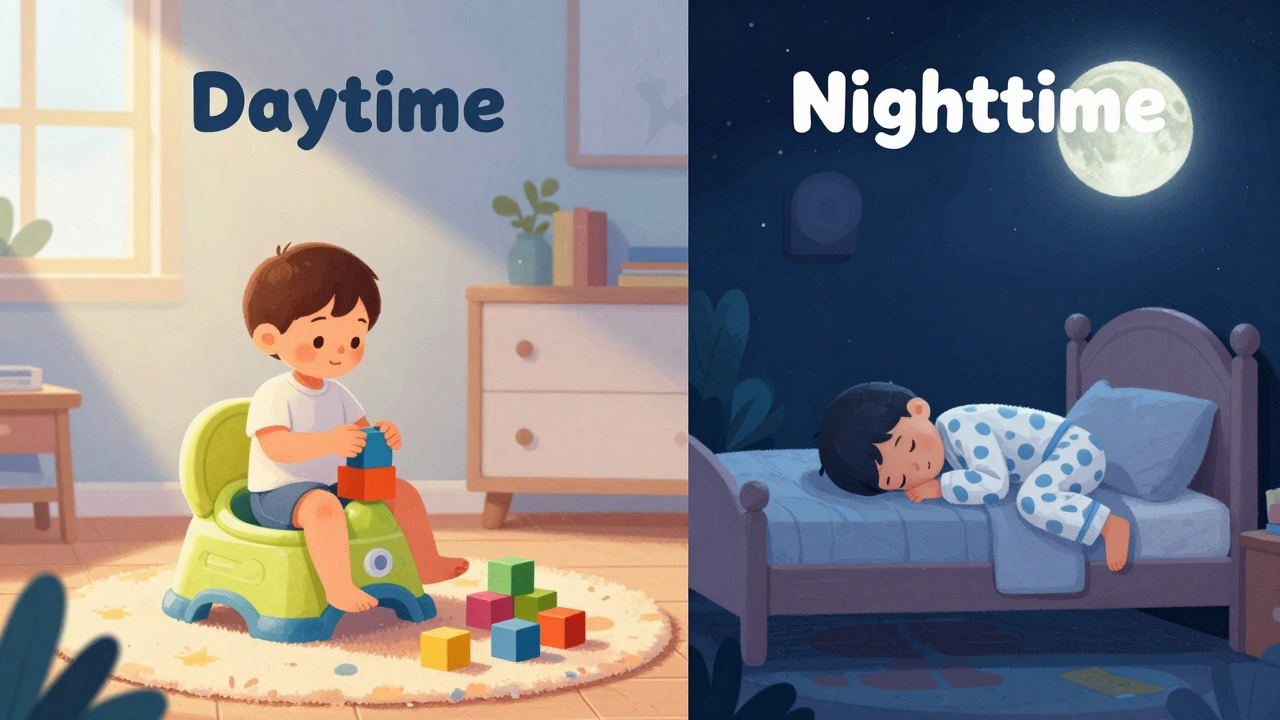
One of the biggest misconceptions is that potty training is a single event. In reality, it's two different biological processes. Daytime dryness is about behavioral learning and conscious control. Nighttime dryness, however, is largely tied to hormonal regulation. Specifically, the body needs to produce enough of a hormone called antidiuretic hormone (ADH) to slow down urine production during sleep.
Many three-year-olds are perfectly dry during the day but still wake up in soaked pajamas. This is completely normal. Forcing a child out of diapers at night before their body is physiologically ready often leads to a cycle of laundry and sleep deprivation for the parents, without any actual progress for the child.
| Feature | Daytime Training | Nighttime Training |
|---|---|---|
| Primary Driver | Cognitive/Behavioral | Physiological/Hormonal |
| Average Age | 2 to 3.5 years | 3 to 5+ years |
| Key Indicator | Communication of need | Waking up dry consistently |
| Approach | Scheduled trips/Prompting | Fluid restriction/Bed pads |
The Role of the Toddler Bed in Potty Training
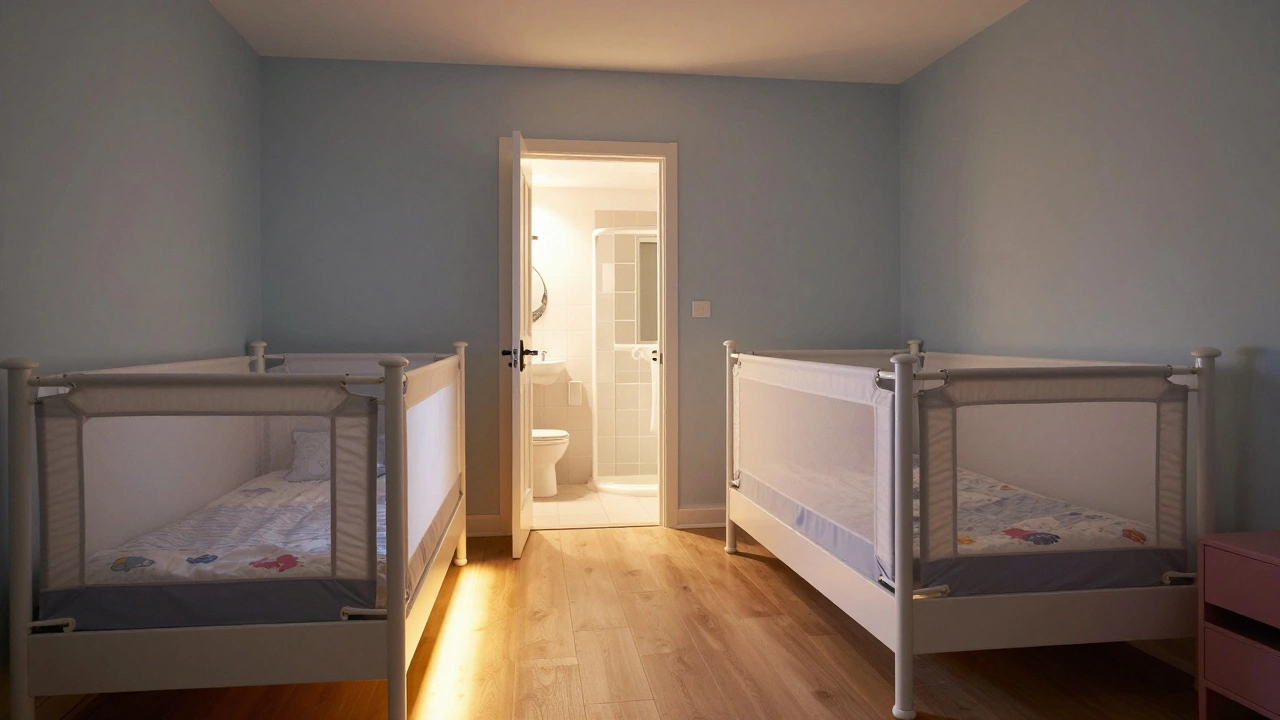
If you're transitioning your child to a toddler bed, you might find that the change in sleeping environment affects their diaper habits. A toddler bed is essentially a mattress in a low frame, often with rails, designed to help children transition from a crib. When a child moves from a confined crib to a bed, they have more freedom, but they also have more opportunities to wake up and realize they need to use the bathroom.
Many parents find that the move to a toddler bed is the perfect catalyst for night training. Once the child isn't "trapped" in a crib, they can actually attempt to get to the bathroom. However, the opposite can also happen: the excitement of a new bed can cause a temporary regression in their potty habits. This is a normal reaction to a major life change.
To make this transition easier, place the toddler bed in a room where the path to the toilet is clear and well-lit. Using a nightlight can reduce the fear of the dark, making them more likely to actually try to use the bathroom instead of just wetting the bed.
Common Pitfalls and How to Avoid Them
The most common mistake parents make is the "boot camp" approach. You've seen the videos-parents spending three days straight in the house with no pants on the child. While this works for some, for others, it creates a high-pressure environment that leads to anxiety. If your child associates the potty with stress, they may start holding their bowel movements, which can lead to constipation and further complications.
Another trap is the over-reliance on rewards. While a sticker chart is great, if the reward becomes the only motivation, the child focuses on the sticker rather than the internal sensation of needing to go. The goal is to help them recognize the body's signals, not to turn the bathroom into a vending machine for treats.
Avoid comparing your child to their peers. I've known children who were fully trained at 20 months and others who didn't stop wetting the bed until they were six. Neither scenario is a reflection of the parents' skill or the child's intelligence. It's simply a matter of biological timing.
Practical Strategies for the Three-Year-Old Stage
If you feel your child is ready but is just "stuck," try changing the environment. Sometimes the big toilet is intimidating. A potty chair-a small, floor-level toilet-allows the child to feel secure and in control. Once they are comfortable there, you can move to a toilet seat reducer that fits over the adult toilet.
- Establish a Timer: Instead of asking "do you need to go?" (to which the answer is always "no"), say "it's time to try the potty." This removes the decision-making stress.
- Use Low-Pressure Language: Instead of "don't have an accident," try "let's see if we can get the pee into the potty."
- Dress for Success: Switch to pants with elastic waistbands. If a three-year-old has to struggle with buttons and zippers, they'll either have an accident or give up on trying.
- Manage Fluids: Offer plenty of water during the day, but start tapering off fluids about two hours before bedtime to reduce nighttime accidents.
When to Consult a Pediatrician
While late training is usually normal, there are a few red flags. If your child was fully trained for several months and suddenly starts having frequent accidents (regression), it could be a sign of a urinary tract infection (UTI) or a reaction to a stressful event like a new sibling or a move.
You should also talk to your doctor if your child seems to be in pain during bowel movements or if they have no interest in the potty by the age of four. In some cases, underlying issues like chronic constipation can make it feel like the child "can't" go, even if they want to. A quick check-up can rule out medical issues and give you peace of mind.
Is it normal for a 3-year-old to still wear diapers at night?
Yes, it is very common. Nighttime dryness is a physiological milestone linked to the production of antidiuretic hormone and bladder capacity. Many children don't achieve consistent nighttime dryness until ages 4 or 5, and this is typically independent of their daytime potty training progress.
How do I know if my child is actually ready to stop using diapers?
Look for physical and behavioral cues: they stay dry for two hours at a time, they tell you when they are going in their diaper, they show a desire to be clean, and they can follow simple instructions. If they are fighting the diaper or asking for the potty, they are likely ready.
Should I use pull-ups or go straight to underwear?
This depends on your goals. Pull-ups are great for convenience and nighttime, but some children find them too comfortable and don't feel the "wetness" that prompts them to use the toilet. Underwear provides a clearer signal that something has gone wrong, which can speed up learning for some kids.
What if my child is scared of the toilet flushing?
Many toddlers find the loud noise of a flush terrifying. Let them watch you flush, let them flush the toilet themselves when they aren't sitting on it, or simply wait to flush until they have left the room. Acknowledging the noise and making it a "game" can help reduce the fear.
Can a toddler bed help with nighttime accidents?
A toddler bed can help because it allows the child to get out of bed independently. If they wake up with the urge to go, they aren't trapped by crib rails. Combining a toddler bed with a waterproof mattress protector and a nightlight creates an environment that supports nighttime success.
Next Steps for Different Scenarios
If your child is resistant: Stop all potty talk for two weeks. Remove the pressure and let them reset. Often, the battle of wills is the only thing keeping them in diapers.
If you're transitioning to a toddler bed: Start the bed transition first, let them get used to the new sleeping space for a week, and then introduce the idea of nighttime potty training.
If you're dealing with a regression: Check for stress in the home or school environment. Be extra patient and go back to the basics-more frequent prompts and plenty of praise for small wins.