Is Holding Baby in Standing Position Bad? What Pediatricians Really Say
Is holding your baby in a standing position harmful? Pediatricians say yes before 6 months. Learn why early standing can affect hip and spine development-and what to do instead.
When you're holding your newborn and need both hands free, a baby carrier, a wearable device designed to hold an infant close to the caregiver's body for hands-free mobility. Also known as a infant carrier, it’s not just a convenience—it’s a tool that supports bonding, soothes fussiness, and helps you move through daily life without stopping. But not all carriers are made the same. Some are built for newborns, others for toddlers. Some hug your chest, others wrap around your hips. Choosing the wrong one can lead to discomfort, poor posture, or even safety risks for your baby.
What makes a good infant carrier, a type of baby carrier specifically designed for babies from birth up to around 4–6 months, with proper head and neck support? It needs to keep your baby in a natural, curved spine position—like they’re still curled in your arms. Their face must never be pressed into fabric, and their airway should always be clear. Look for carriers that support the baby’s thighs in an M-shape, not dangling straight down. That’s the position pediatricians recommend for healthy hip development. And don’t forget the wearer. A good carrier spreads weight evenly across your shoulders and back, so you’re not straining your lower spine after an hour of wear. You’ll know it’s right when you forget you’re wearing it.
There are different baby carrier types, various designs including wraps, soft-structured carriers, ring slings, and mei tais, each offering different levels of support and ease of use. Wraps are super flexible and great for newborns, but take practice to tie right. Soft-structured carriers with buckles are easier to put on quickly, perfect for busy mornings. Ring slings are lightweight and ideal for short trips. And mei tais? They’re a middle ground—adjustable, supportive, and popular with parents who want something more secure than a sling but less bulky than a full backpack-style carrier. The right one for you depends on your body, your baby’s size, and how often you’ll use it.
Parents often overlook one thing: how the carrier fits them. If it pinches your shoulders, digs into your ribs, or makes you lean forward, it’s not the right fit—even if it looks cute. Try it on with a weighted bag first. Walk around. Sit down. Bend over. If it feels awkward, it’ll feel worse after a grocery run or a walk to the park. And always check the weight limit. Some carriers claim to hold up to 40 pounds, but your back might say no after 25. Listen to your body.
There’s also a quiet safety rule: never use a carrier while cooking, driving, or near open flames. And never let your baby sleep in it for long stretches unless it’s designed for full recline. Babies can slump in ways that block their airway, even in the fanciest carriers. Always check their breathing when they’re dozing.
What you’ll find below are real guides from parents who’ve been there—what worked, what didn’t, and the hidden details no product page tells you. From how to adjust a carrier for twins to which ones survive the washing machine, these posts cut through the noise. You won’t find fluff. Just clear, practical advice so you can carry your baby safely, comfortably, and confidently—no matter where the day takes you.

Is holding your baby in a standing position harmful? Pediatricians say yes before 6 months. Learn why early standing can affect hip and spine development-and what to do instead.

Holding a baby in a sitting position too early can affect their spine and development. Learn when it's safe, what pediatricians recommend, and how to use baby carriers correctly to support healthy growth.
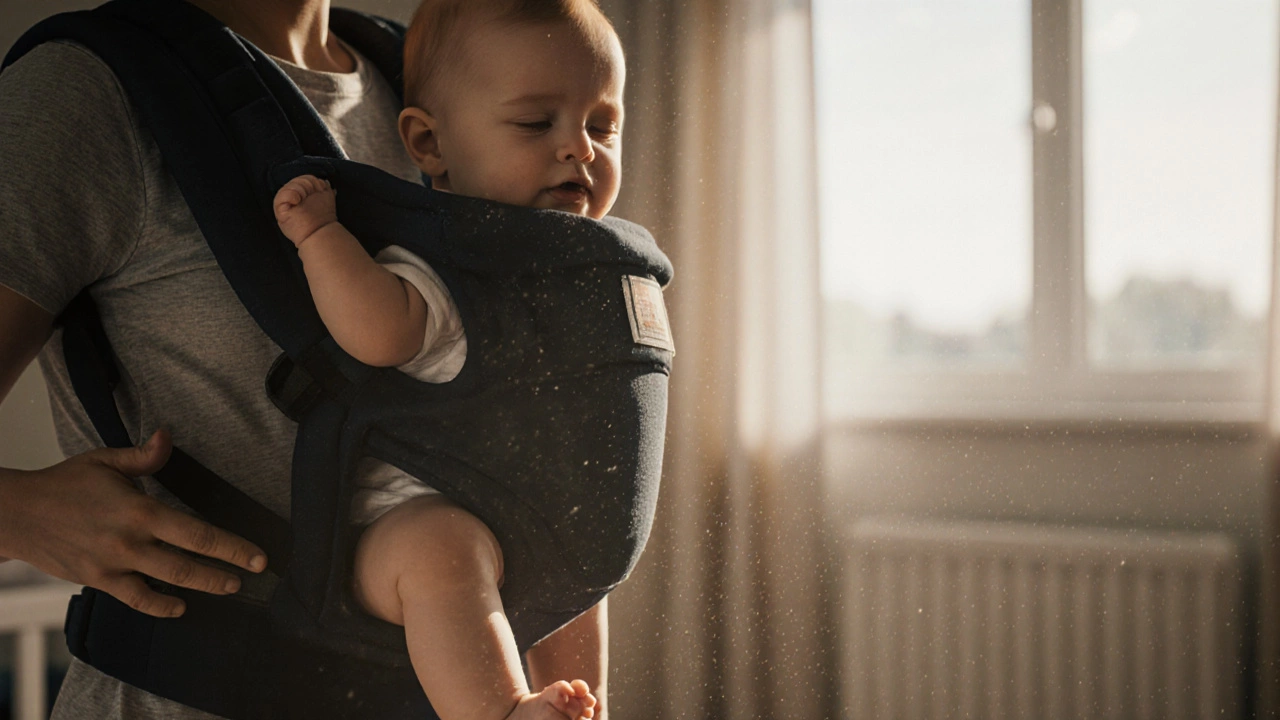
Seal baby syndrome describes dangerous hip positioning in baby carriers that can lead to hip dysplasia. Learn how to spot it, fix it, and choose carriers that support healthy development.
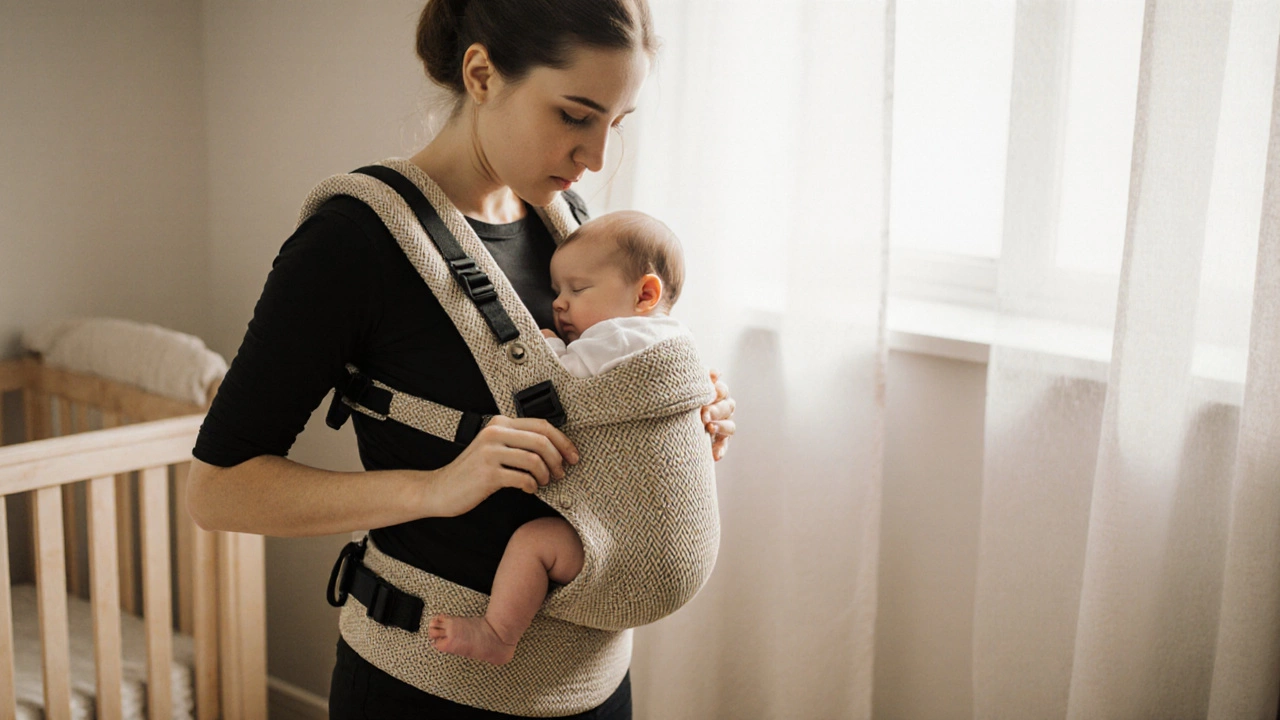
Baby carriers aren't bad for your baby's spine-if you choose the right one and use it correctly. Learn what pediatricians say about safe positioning, age guidelines, and which carriers actually support healthy development.

Thinking about wearing your baby all day? This article breaks down the science and real-life experience behind all-day babywearing. Find out what happens when you wear your baby for hours, plus smart tips for comfort and safety. Learn about baby carrier choices, baby cues, and the moments you really shouldn’t skip a break. Whether you’re trying to get things done or just loving the snuggles, here’s what you need to know.

Wondering when it’s safe to start using a baby carrier with your little one? This article breaks down the perfect age to introduce your baby to a carrier, with tips on carrier types and safety guidelines. From newborns to toddlers, learn how different carriers suit varying baby stages. Get insights on choosing the best fit for both comfort and support, so you and your baby can enjoy the benefits of babywearing.

Baby carriers are a fantastic way to keep your child close while keeping your hands free, but knowing when it's time to stop using them is crucial. This article discusses the signs indicating it's time to transition away from baby carriers, keeping your child's safety and comfort in mind. We dive into practical tips and considerations, ensuring parents make informed decisions. Growing up involves changes, and we explore how those relate to babywearing. This guide aims to help parents feel confident in every stage of their child's development.

Discover the relationship between baby carriers and hip health in infants. Explore whether baby carriers can negatively affect hip development and how to safely use them. Learn about the signs of potential hip issues and the benefits of proper carrier positioning. Understand the latest research and recommendations for using baby carriers for your child's best hip health. This article offers practical tips for parents concerned about their baby's hip development.

Suffocating Baby Syndrome is a serious risk associated with improper use of baby carriers. This article explores how to use baby carriers safely, discusses the causes of this syndrome, and provides helpful tips for parents. It highlights the importance of maintaining proper airway clearance for the baby and the benefits of keeping the baby at an appropriate position while using a carrier. Understanding these precautions can significantly enhance infant safety during carrying.

The "frog leg" position in babywearing is crucial for infant safety and comfort. This article explores why this position is vital, how it supports babies' hips and spines, and offers tips for parents to ensure a correct posture. Learn about the significance of ergonomic designs in carriers and how they emulate natural fetal positions, providing comfort for both parent and child. Discover the benefits and techniques to achieve this safe and secure position for your little one.

Baby carriers are a convenient tool for parents to keep their infants close while freeing up their hands for other tasks. However, it's essential to understand the safe duration for keeping a baby in a carrier to ensure their comfort and health. This article explores the safety guidelines, benefits, and signs of discomfort to watch for. Whether you're a new parent or an experienced caregiver, these insights will help you make informed decisions about babywearing.