Baby Monitor Safety: What You Need to Know to Keep Your Baby Secure
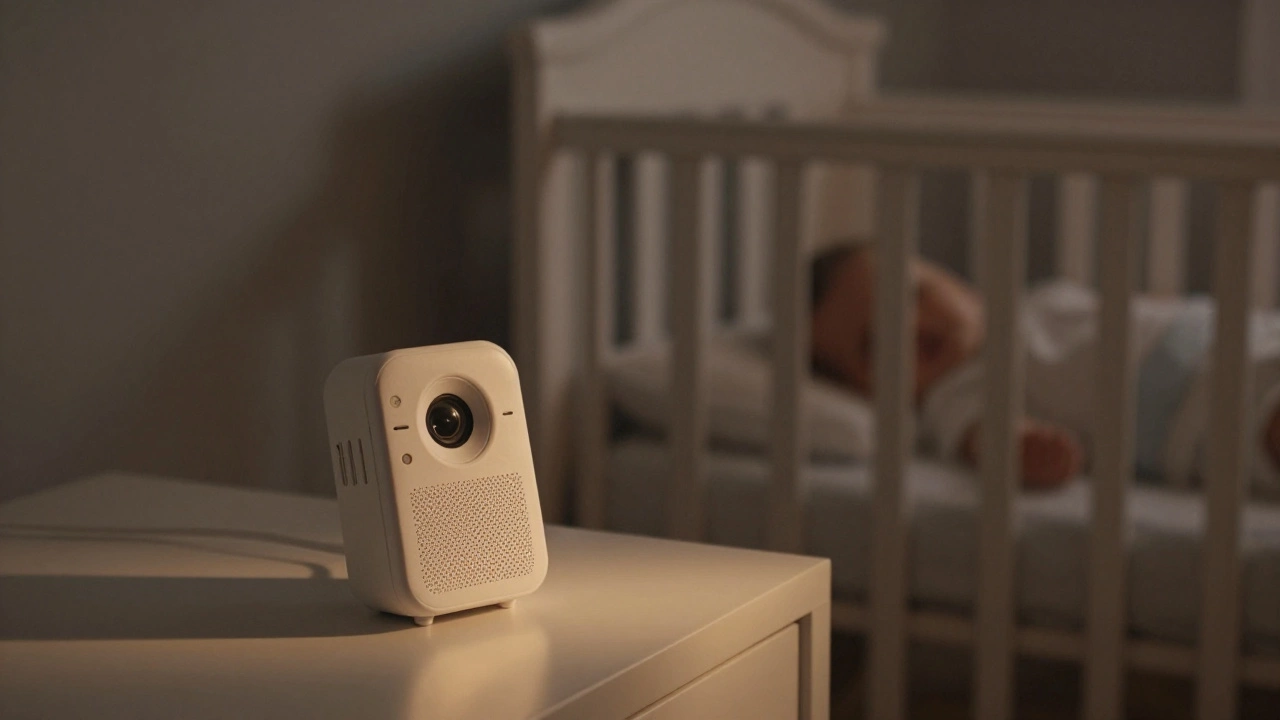
When you use a baby monitor, a device that lets you hear or see your baby from another room. Also known as infant monitor, it’s meant to give parents peace of mind—but only if used the right way. Too many families treat baby monitors like regular gadgets, plugging them in without thinking about security, placement, or even sleep safety. But a poorly used monitor can do more harm than good. The baby monitor isn’t just a tool—it’s part of your baby’s sleep environment, and that environment needs to be safe, simple, and secure.
One of the biggest risks isn’t the monitor itself, but how it’s connected. Watching your baby on your phone using a baby monitor app, software that streams video from a baby monitor to a smartphone sounds convenient, but it opens your home network to hackers if not set up properly. Many apps have weak passwords, unencrypted feeds, or default settings that make them easy targets. You wouldn’t leave your front door unlocked—don’t leave your baby’s video feed open either. Always change the default password, use two-factor authentication if available, and keep the app updated. And while you’re at it, don’t place the monitor within reach of the crib. A loose cord or a device too close to the mattress can become a strangulation or suffocation hazard. The American Academy of Pediatrics says any device in the sleep space should be at least 3 feet away, and that includes monitors.
Then there’s the connection between baby monitors and SIDS prevention, the practice of reducing the risk of sudden infant death syndrome through safe sleep habits. A monitor doesn’t prevent SIDS. No device does. But it can help you respond faster if something’s wrong—only if it’s working correctly and placed properly. The real SIDS prevention comes from putting your baby on their back, using a firm mattress, keeping the crib empty, and avoiding loose blankets. A monitor is a helper, not a shield. And if you’re relying on it to wake you up if your baby stops breathing, you’re putting too much faith in technology. Babies don’t always show obvious signs before a SIDS event, and monitors can glitch, lose signal, or run out of battery. That’s why safe sleep practices still come first.
Another common mistake? Using an old or secondhand monitor. Older models might not meet current safety standards for electromagnetic emissions or digital security. They could also lack features like low-battery alerts or secure encryption. If you’re buying used, check the manufacturer’s website for recalls or firmware updates. Even better, choose a monitor designed with safety in mind—preferably one that doesn’t stream to the cloud, has a direct Wi-Fi or DECT connection, and doesn’t require constant app access.
And don’t forget the basics: charge the monitor fully before bedtime, test the sound and video feed daily, and keep it away from other electronics that might cause interference. If you’re using a baby monitor phone, a smartphone used to view a baby monitor’s live feed, turn off notifications that could disturb your baby’s sleep—or yours. You don’t need your email pinging at 3 a.m. while you’re trying to listen for a whimper.
What you’ll find below isn’t a list of the best monitors. It’s a collection of real, practical advice from parents and experts who’ve been there—on how to set up a monitor without risking safety, how to avoid digital traps, and how to use it as part of a smart, calm sleep routine. Whether you’re new to parenting or just realizing your monitor might be doing more harm than good, these posts give you the facts you need to make better choices—for your baby, your peace of mind, and your sleep.