Baby Sleep Safety: What You Need to Know for a Safe Night's Rest
When it comes to baby sleep safety, the set of practices and environment standards designed to prevent sudden infant death and other sleep-related risks for babies under one year old. Also known as infant sleep safety, it’s not just about where your baby sleeps—it’s about what’s around them, how they’re positioned, and what you’ve removed from the space. This isn’t guesswork. It’s science. And it’s not optional.
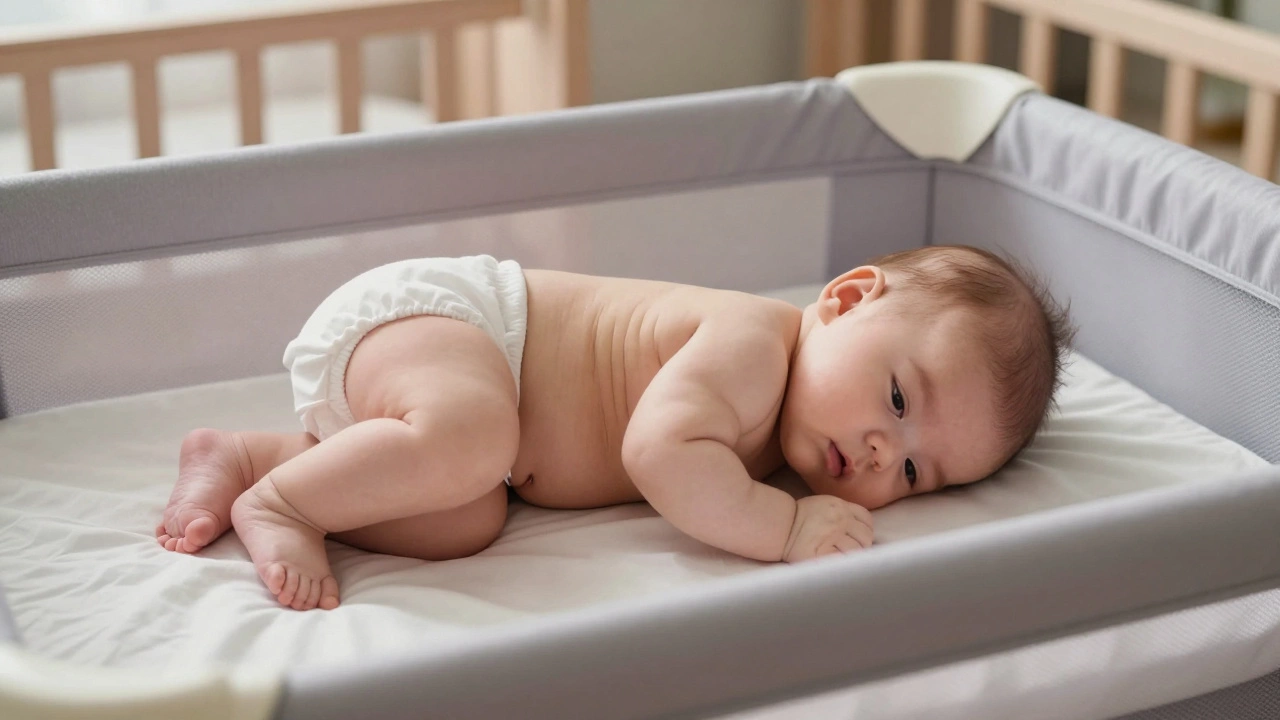
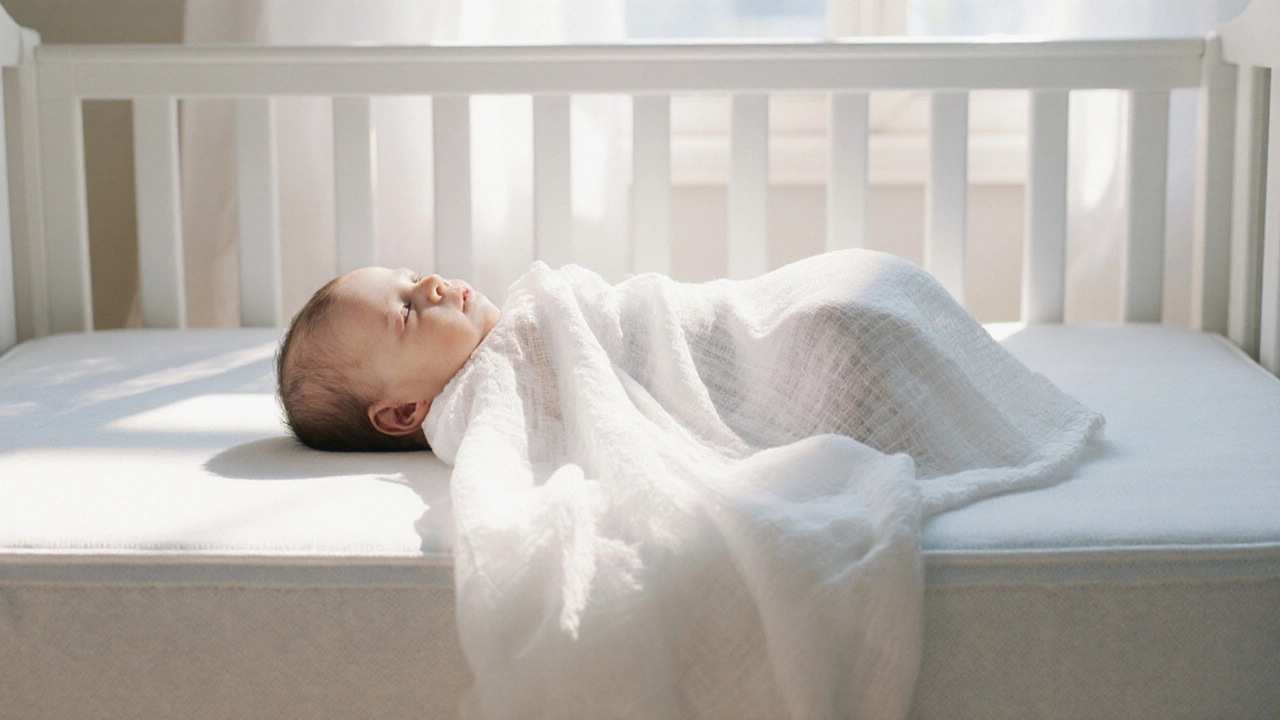
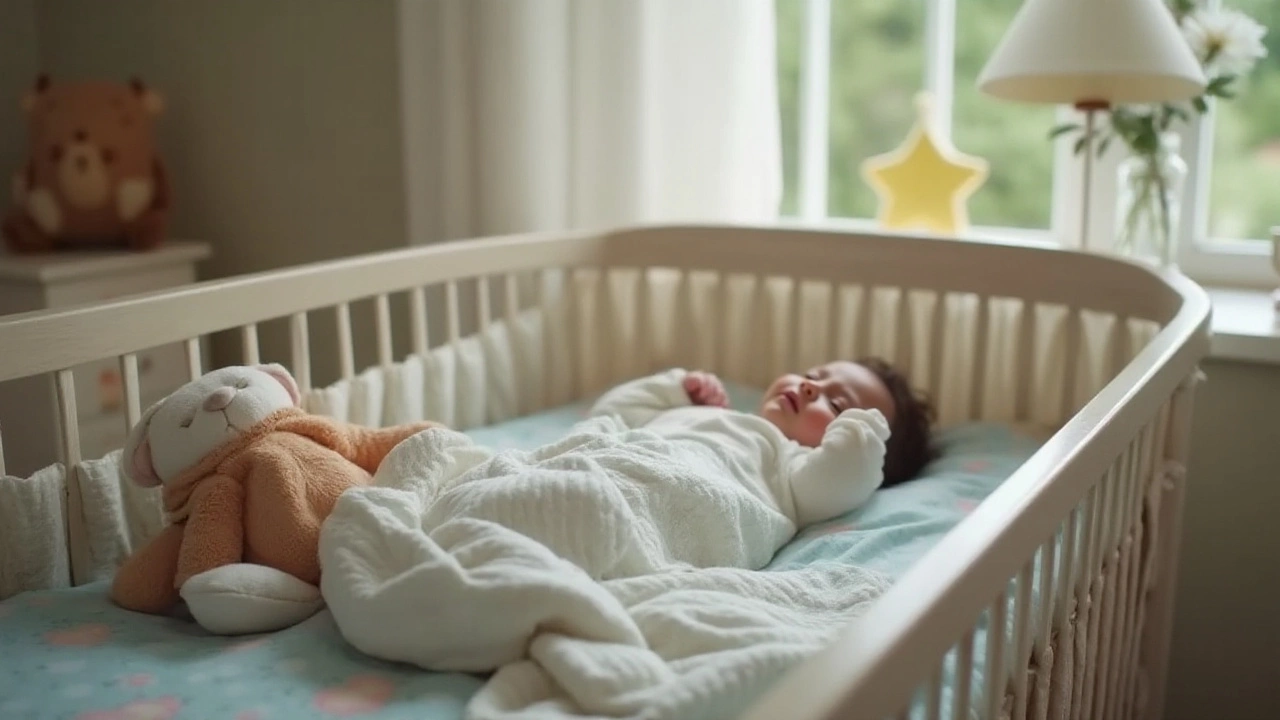
The biggest threat? SIDS, Sudden Infant Death Syndrome, the leading cause of death for babies between one month and one year old. The risk peaks between 2 and 4 months, but the danger doesn’t disappear until your baby turns one. Experts agree: room-sharing—keeping your baby in the same room as you, but in their own sleep space—is the single most effective way to lower that risk. Not because it’s trendy, but because it lets you respond faster if something goes wrong. And that’s not the only thing that matters. What’s in the crib? Is it bare? No pillows, no loose blankets, no stuffed animals. That’s the rule. Even the thickest bumper pad? Out. The American Academy of Pediatrics says it’s not worth the risk. And they’ve updated their guidelines every few years because new data keeps proving the same thing: clutter kills.
Then there’s the crib safety, the standards that ensure a crib’s structure, slat spacing, mattress fit, and hardware won’t trap, suffocate, or injure your baby. Old cribs? Many are illegal now. If your crib was made before 2011, it likely doesn’t meet current U.S. or UK safety rules. Drop-side cribs? Banned. Mattresses that don’t fit snugly? Dangerous. Even the type of mattress cover matters—some release chemicals. And don’t forget nursery safety, the broader environment beyond the crib, including furniture anchoring, cord placement, and toxic paint or finishes. A rocking chair might look cozy, but if it’s not secured to the wall, it can tip over. Window blind cords? Cut them or replace them. A baby monitor is useful, but if it’s too close to the crib, the wires could become a strangulation hazard.
It’s not about perfection. It’s about removing the obvious dangers. You don’t need a $2,000 crib. You need a firm mattress that fits like a glove. You don’t need 12 stuffed animals. You need a bare, quiet, cool space. And you don’t need to panic—you need to know what to avoid. That’s what this collection is for. You’ll find real, practical advice on what to keep out of the nursery, how to choose a safe infant carrier, when SIDS risk is highest, and why some baby monitors can actually make things riskier if not set up right. No fluff. No marketing. Just what works. And what saves lives.