When to Stop Using a Bassinet: Signs Your Baby Is Ready for a Crib
Bassinet Transition Checker
Use this tool to assess if your baby is ready to move from the bassinet to a crib. Based on guidelines from the American Academy of Pediatrics and key developmental signs.
Check for signs of readiness
Most parents buy a bassinet because it’s cozy, compact, and keeps the baby close-perfect for those sleep-deprived newborn nights. But that snug little space doesn’t last forever. If you’re wondering when to stop using a bassinet, you’re not alone. Many families wait too long, risking safety or sleep disruptions. The truth? There’s no single age that fits everyone, but there are clear signs your baby is outgrowing it.
Your baby is rolling over
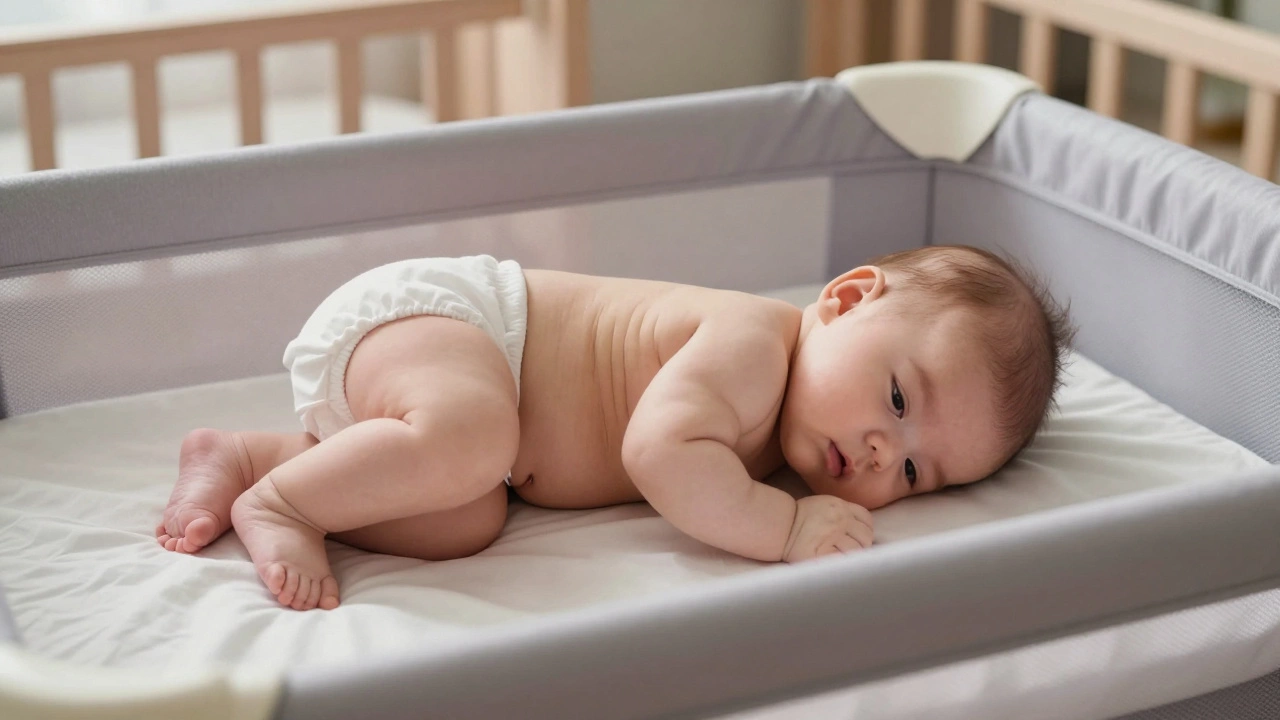
Rolling is one of the biggest red flags. Bassinets are designed for babies who can’t move much. Once your baby starts rolling from back to side-or worse, from back to belly-safety becomes a real concern. The sides of most bassinets are low, and the mattress is often soft. A rolling baby can get stuck against the side, turn face-down, or even tip the bassinet if they push off hard enough. The American Academy of Pediatrics warns that babies who can roll should no longer sleep in any product with raised sides unless they’re specifically designed for rolling infants. Most bassinets aren’t.
Some parents think, “But they’re still small,” or “They only roll a little.” That’s not enough. Rolling isn’t a one-time event-it’s the start of movement. If your baby rolls at 3 months, don’t wait until 4. Move them to a crib before the next milestone hits.
Your baby’s feet are touching the bottom
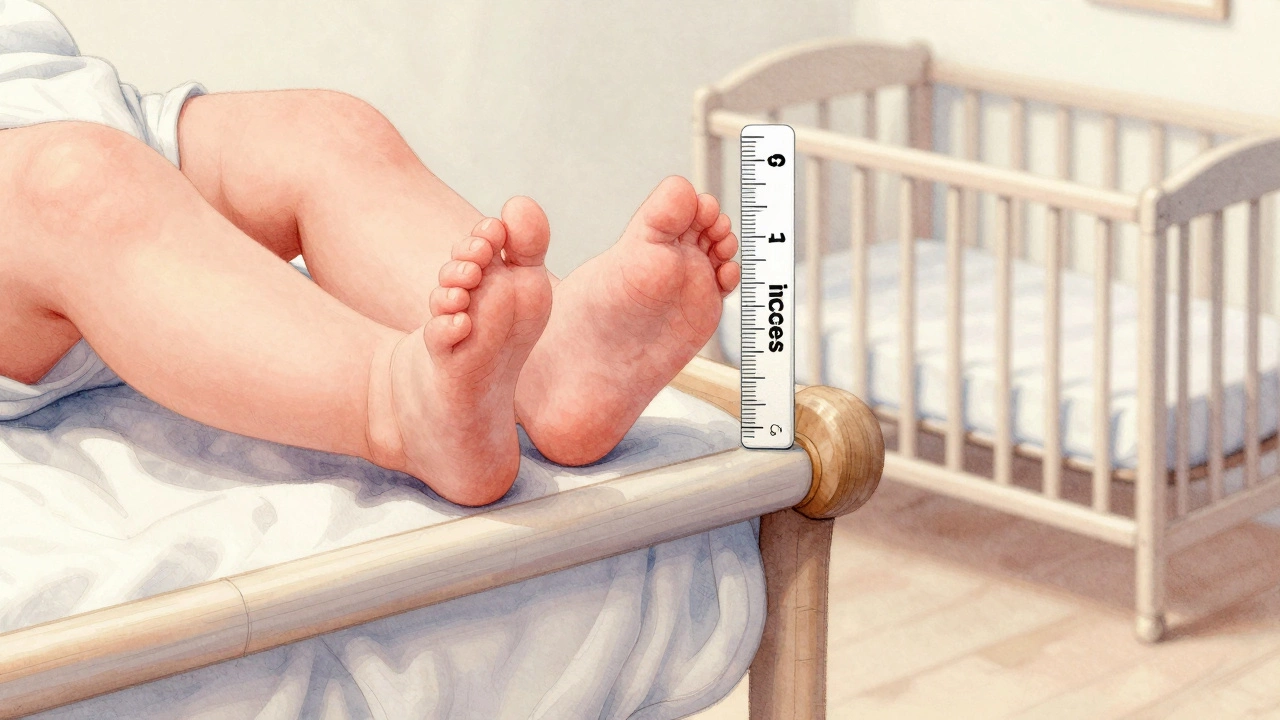
Here’s a simple test: lay your baby flat in the bassinet. If their feet are brushing or pressing against the end, it’s time. Babies need room to stretch. When they’re cramped, it can disrupt sleep, cause discomfort, and even affect hip development. The AAP recommends a minimum of 3 inches of space between the baby’s feet and the end of the sleep surface. Most bassinets are about 30-35 inches long. Babies grow fast-many hit this limit by 4 to 5 months, even if they’re not yet rolling.
Some bassinets come with extendable bases or adjustable mattresses, but even those have limits. If your baby’s legs are bent or they’re kicking hard against the end, they’re telling you they need more space.
Your baby has hit the weight limit
Every bassinet has a weight limit-usually between 15 and 20 pounds. That might sound high, but many babies reach it by 5 or 6 months. Check the manufacturer’s label. If your baby is close to that number, don’t wait until they exceed it. Exceeding the weight limit can cause structural stress on the bassinet frame, hinges, or wheels. There have been reports of bassinets collapsing under heavier infants, especially when parents are tired and not paying attention.
Don’t rely on how your baby looks. A baby who’s chubby or long might hit the limit sooner than you expect. Weigh them at your next pediatric checkup. If they’re at 80% of the limit, start planning the transition.
Your baby is waking up more often or seems restless
It’s normal for babies to wake up at night, but if your baby is suddenly more fussy, thrashing, or crying after being put down, it might be because they’re too cramped. Bassinets feel like a cocoon, and that’s comforting at first. But as babies grow, they crave more freedom. A crib gives them space to move, stretch, and settle into deeper sleep cycles.
Some parents think their baby is teething or hungry when they’re actually just uncomfortable. If you’ve ruled out hunger, diaper changes, and illness, and your baby still won’t settle, try moving them to the crib for a few nights. Many parents report a sudden improvement in sleep quality once the baby has room to move.
You’re ready to move them to their own room
Many families use bassinets in the parents’ room for the first 6 months, following AAP recommendations for safer sleep. But once you’re ready to move your baby to their own nursery, a bassinet often doesn’t fit. Cribs are designed to stay in a child’s room long-term. Bassinets are portable, but they’re not built for daily use in a separate room. If you’re transitioning rooms, it’s the perfect time to upgrade to a crib.
Plus, cribs are easier to use as your baby grows. You can lower the mattress as they learn to stand. Bassinets don’t offer that flexibility. If you plan to use the same sleep space for 1-2 years, a crib is the smarter investment.
What if your baby isn’t showing any signs?
Some babies are slow to roll, stay small, or sleep peacefully in their bassinet past 6 months. That’s okay-but don’t wait too long. The AAP says babies should transition to a crib by 6 months, even if they haven’t hit any of the warning signs. Why? Because developmental milestones don’t always follow a schedule. Your baby might be ready for a crib next week, even if they’re not showing it yet.
Waiting until your baby is 7 or 8 months old makes the transition harder. By then, they’ve developed strong sleep associations with the bassinet. Moving them can lead to weeks of resistance, crying, and disrupted sleep for everyone. It’s easier to make the switch when your baby is still flexible-between 4 and 6 months.
How to make the transition smoother
Transitioning from bassinet to crib doesn’t have to be traumatic. Here’s how to do it with less stress:
- Start with naps. Put your baby in the crib for daytime sleep first. Let them get used to the space without the pressure of nighttime sleep.
- Keep the same sleep routine. Same lullaby, same dim lighting, same swaddle or sleep sack. Familiar cues help them feel safe.
- Use the same mattress pad or sheet. If you can, transfer the sheet from the bassinet to the crib. The familiar smell and texture help.
- Don’t rush. Give it 3-5 nights before deciding it’s not working. Some babies take longer to adjust.
- Be consistent. If you move them to the crib and then bring them back to the bassinet because they cry, they’ll learn crying works. Stick with it.
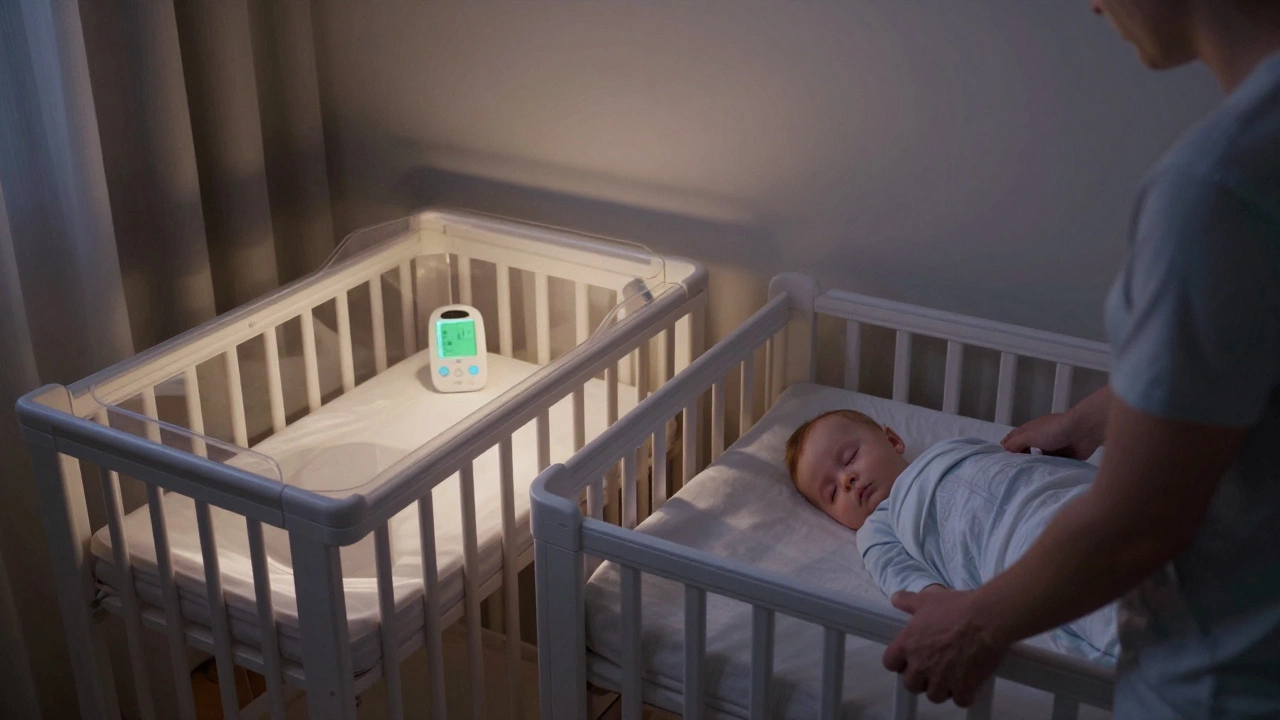
Many parents find that using a baby monitor helps during this transition. Seeing your baby sleep peacefully in the crib can ease anxiety. If you’re using a video monitor, you can watch them roll, stretch, and settle-proof that they’re safe and comfortable.
What to do with the bassinet after
Once you’ve moved your baby to the crib, you don’t need to toss the bassinet. Many families use it for daytime naps in another room, as a travel bed for guests, or even as a storage bin for blankets and toys. If it’s in good condition, consider donating it to a local shelter, parenting group, or hospital nursery. Bassinets are in high demand among families who can’t afford a crib.
Just make sure it’s clean, free of recalls, and has no broken parts. Check the CPSC website for any bassinet recalls-over 100 models have been recalled since 2020 for suffocation, entrapment, or collapse risks.
What kind of crib should you choose?
Not all cribs are created equal. Look for one that meets current safety standards (ASTM F406 or CPSC regulations). Avoid cribs with drop sides-they’ve been banned since 2011. Choose a firm mattress that fits snugly (no more than two fingers’ width between mattress and frame). Skip bumpers, pillows, and stuffed animals. The crib should be bare except for a fitted sheet.
Some parents opt for a convertible crib that turns into a toddler bed. That’s a smart long-term choice if you’re planning ahead. Others prefer a standard crib and buy a toddler bed later. Either way, make sure the crib is sturdy, non-toxic, and has no sharp edges.
And if you’re worried about space? Look for compact cribs designed for small rooms. Many modern cribs are just as small as bassinets but built to last.
Final reminder: Safety comes before convenience
It’s tempting to keep the bassinet because it’s easier. You don’t have to walk across the room. You can reach your baby with one hand. But convenience shouldn’t outweigh safety. Babies who sleep in bassinets past their limits are at higher risk for suffocation, entrapment, and falls. The AAP, CDC, and pediatricians agree: transition to a crib by 6 months, or earlier if your baby shows signs of outgrowing it.
There’s no magic date. But if your baby is rolling, reaching the weight limit, or just seems too big for the space-it’s time. Trust your instincts. Your baby’s sleep, safety, and comfort are worth the small shift in routine.
Can a baby sleep in a bassinet past 6 months?
Some babies can, but it’s not recommended. The American Academy of Pediatrics advises transitioning to a crib by 6 months, even if the baby hasn’t hit the weight limit or started rolling. After 6 months, babies are more mobile, and bassinets aren’t designed to handle that level of movement safely. Waiting longer increases the risk of injury or suffocation.
What if my baby hates the crib?
It’s common for babies to resist the crib at first. Start with naps, keep the same bedtime routine, and use the same sheet from the bassinet. Give it 3-5 nights before deciding it’s not working. If your baby cries, wait a few minutes before checking-this helps them learn to self-soothe. Avoid bringing them back to the bassinet, or they’ll learn crying gets them back there.
Is a bassinet safer than a crib?
For newborns under 3-4 months, a bassinet can be safer because it’s smaller and keeps the baby close. But once the baby starts moving, rolling, or growing, a crib becomes safer. Cribs meet stricter safety standards for older infants and offer more space, better airflow, and no risk of entrapment. Bassinets are temporary; cribs are designed for long-term use.
Can I use a Pack ‘n Play as a bassinet replacement?
Yes, if it’s set up as a crib with a firm, flat mattress and no inserts or bumpers. Many Pack ‘n Plays meet ASTM safety standards for infant sleep and can be used from birth until 30 pounds or 35 inches tall. They’re a great alternative if you need a portable, multi-use sleep space. Just make sure the mattress is firm and the sides are fully locked.
Should I move my baby to the crib before or after weaning night feedings?
It doesn’t matter. The transition to a crib is about safety and space, not feeding habits. You can move your baby to the crib even if they still need night feedings. Just keep the same routine: feed in a quiet, dim space, then put them back in the crib drowsy but awake. The crib is safe for feeding transitions-you just need to be consistent.