The Absolute Best Children's Books of All Time: Top Picks and Timeless Classics
Children's Book Recommendation Finder
Not sure which book is right? Select your child's age and their primary trait to find a timeless classic that matches their current stage of development.
- The "best" book depends on the child's age and developmental stage.
- Timeless classics usually share themes of friendship, courage, and curiosity.
- Modern favorites now include more diverse perspectives and interactive elements.
- The most influential books often balance a simple plot with deep emotional layers.
The Heavyweights of Early Childhood
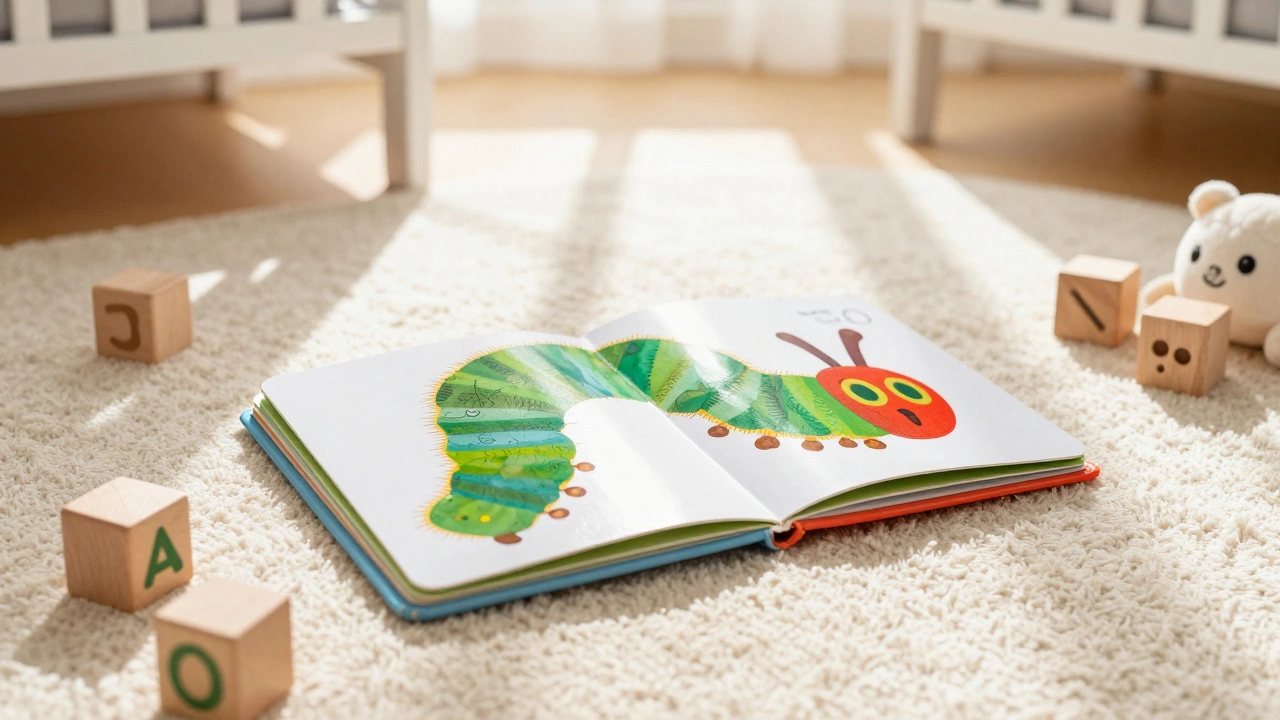
For the youngest readers, the "best" book isn't about a complex plot; it's about rhythm, repetition, and visual stimulation. When we talk about the gold standard here, The Very Hungry Caterpillar is a classic picture book by Eric Carle that teaches days of the week and the lifecycle of a butterfly through colorful, punch-hole illustrations. It’s a masterpiece of design because it interacts with the child physically. The holes in the pages aren't just cute; they engage a toddler's fine motor skills, making the act of reading a tactile experience.
Then you have the rhythmic power of Goodnight Moon, which serves as a psychological anchor for children. Written by Margaret Wise Brown, this book isn't trying to teach a lesson. Instead, it creates a sense of security. By naming every object in the room, it helps children categorize their world and wind down their nervous systems for sleep. If you've ever noticed a child calming down just by hearing the first few lines, that's the rhythmic priming at work.
The Golden Age of Middle Grade Classics
As kids move into independent reading, the definition of "best" shifts toward adventure and moral growth. This is where best children's books often transition into "all-ages" stories. Where the Wild Things Are by Maurice Sendak revolutionized the genre by acknowledging that children get angry. For the first time, a protagonist-Max-was allowed to be a "wild thing," creating a storm in his room and sailing away to a land of monsters. It validated a child's inner emotional turmoil while ultimately returning them to the safety of a home where they are loved unconditionally.
Looking at long-form narratives, Charlotte's Web stands as a peak of children's literature. E.B. White didn't talk down to kids. He dealt with the hardest truth of all-death-through the friendship of a pig and a spider. The book is highly regarded because it handles grief with a gentle hand, teaching children that while individuals pass away, the legacy of kindness and friendship lasts forever.
| Book Title | Primary Theme | Target Age | Key Value |
|---|---|---|---|
| The Very Hungry Caterpillar | Growth & Nature | 1-4 Years | Tactile Learning |
| Where the Wild Things Are | Emotion Management | 3-7 Years | Psychological Validation |
| Charlotte's Web | Friendship & Loss | 7-11 Years | Emotional Intelligence |
| The Hobbit | Courage & Discovery | 9+ Years | World Building |
The Impact of Fantasy and World-Building
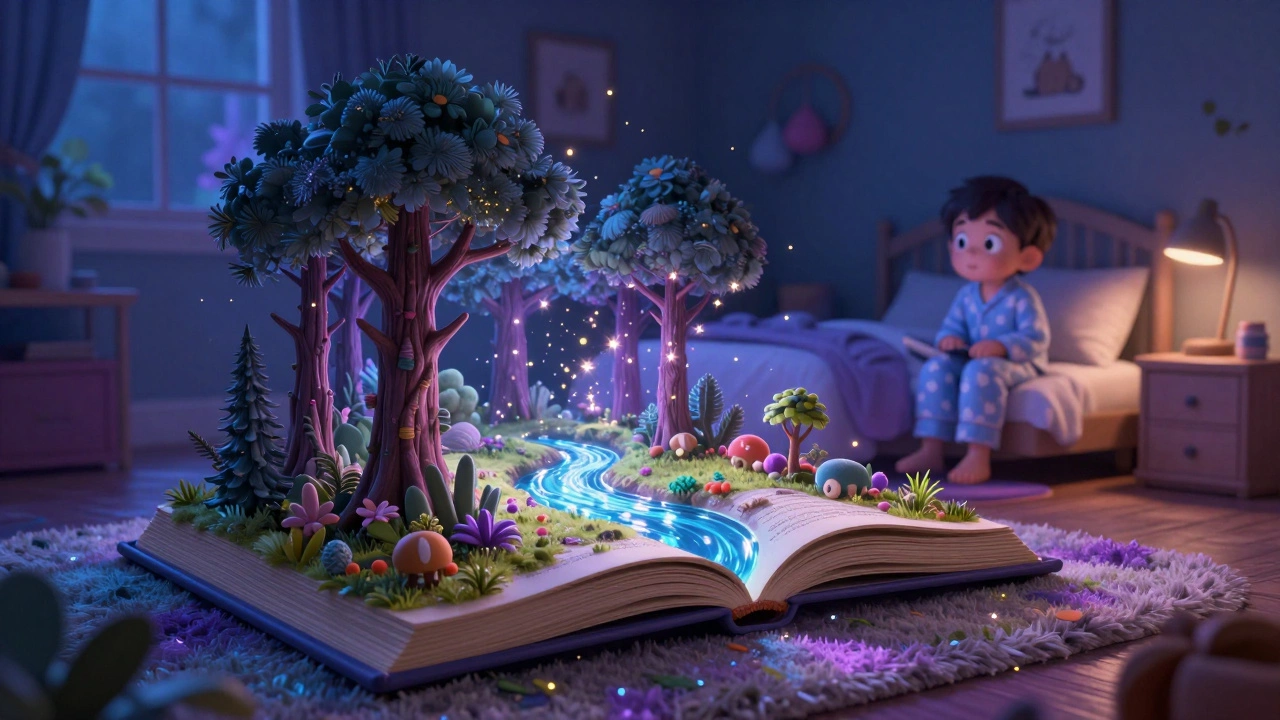
You can't discuss the best books without mentioning the works of C.S. Lewis and J.R.R. Tolkien. The Chronicles of Narnia introduced millions of children to the concept of the "portal fantasy," where a mundane wardrobe leads to a magical realm. These stories are powerful because they mirror the child's own feeling of being small in a world governed by adult rules, only to find they have a pivotal role to play in a larger, epic struggle.
Similarly, The Hobbit is often the gateway drug for high fantasy. It works so well because Bilbo Baggins is the ultimate relatable character: he just wants his tea and his quiet home, yet he is pushed into the unknown. This narrative arc-the reluctant hero-is a cornerstone of children's development, encouraging them to step out of their comfort zones and face their fears.
Modern Contenders and Shifting Perspectives
The canon of "best books" is expanding. We are seeing a move away from the strictly Eurocentric classics toward stories that reflect a global community. Modern hits like The Very Lonely Firefly or diverse series like Ada Twist, Scientist are filling gaps in representation. These books don't just tell stories; they act as mirrors for children to see themselves and windows for them to see others.
Interactive storytelling has also evolved. We now have books that use augmented reality or complex puzzles to keep a digitally-native generation engaged. However, the core requirement remains the same: the story must have a heartbeat. Whether it's a digital pop-up book or a weathered hardcover, the most successful stories are those that evoke a strong feeling-be it laughter, curiosity, or a bit of healthy fear.
How to Choose the Right "Best" Book for Your Child
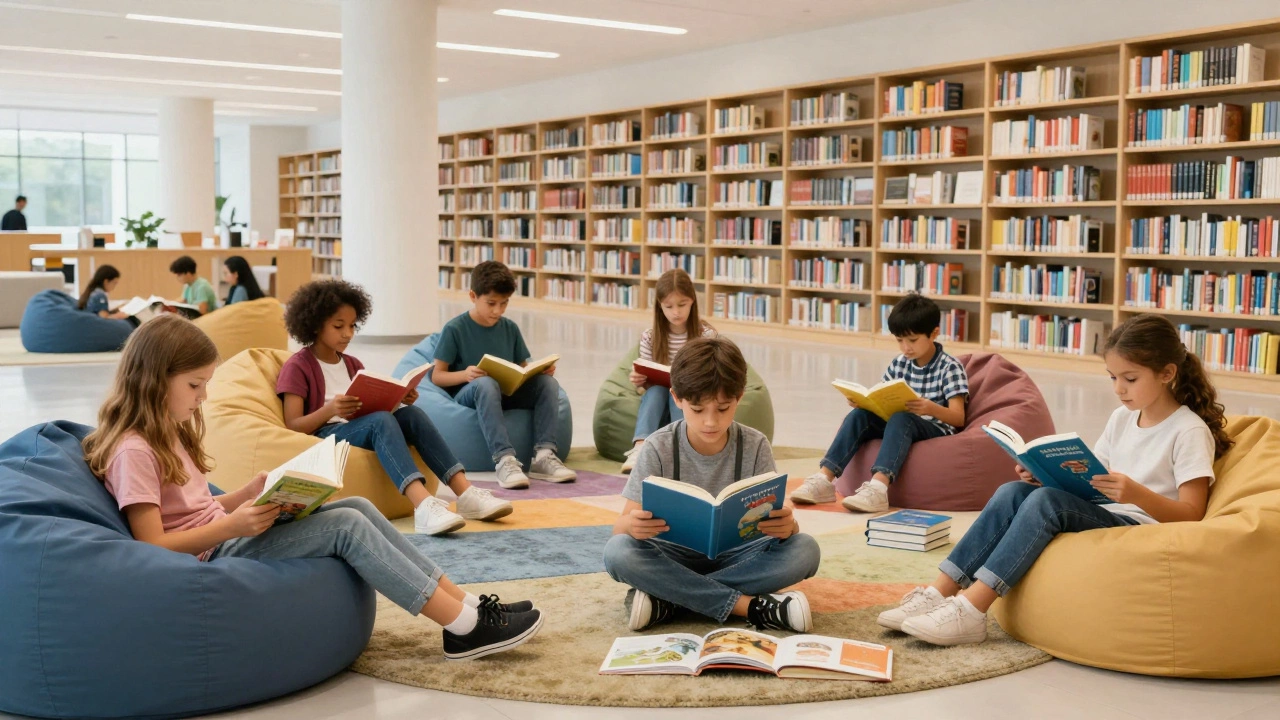
If you're staring at a bookstore shelf feeling overwhelmed, stop looking for the "top rated" list and look for the child. A child who loves bugs will find The Very Hungry Caterpillar to be the best book in the world, while a child who loves dragons will gravitate toward The Hobbit. The best book is always the one that meets the child where they are.
Consider these rules of thumb when selecting:
- For the restless: Choose books with rhythmic text and high-contrast images.
- For the curious: Look for narrative-driven stories that ask "What if?"
- For the empathetic: Select stories that focus on character relationships and emotional growth.
- For the imaginative: Go for world-building fantasies with detailed maps and lore.
Why is Charlotte's Web considered a masterpiece?
It is praised for its ability to handle complex themes like death and sacrifice without being overly bleak. By using animal protagonists, it creates a safe distance for children to process grief and understand the value of a life well-lived, all while maintaining a simple, beautiful prose style.
Are classic books still relevant for kids today?
Yes, because the core emotional experiences of childhood-fear of the dark, the need for friendship, and the desire for independence-haven't changed. While some social contexts in older books may be dated, the fundamental human truths they explore remain universal.
How do I encourage a child who isn't interested in reading?
Start with graphic novels or highly illustrated books. Many children are intimidated by walls of text. Books that blend art and story, like the works of Eric Carle or modern comic-style narratives, lower the barrier to entry and make reading feel like a reward rather than a chore.
What is the difference between a picture book and a children's novel?
Picture books rely on the synergy between text and art to tell the story, and are typically read aloud by an adult. Children's novels (like middle-grade or YA) rely on descriptive language to build the world in the reader's mind and are designed for independent reading and deeper thematic exploration.
Can a book be too "advanced" for a child?
Not necessarily. While a child might struggle with the vocabulary of a book like The Hobbit, reading it aloud with a parent allows them to enjoy the story and learn new words through context. The "difficulty" often depends on the support system provided by the adult reading with them.
Next Steps for Building a Home Library
If you're just starting out, don't buy everything at once. Visit your local library and let your child pick three books-one they think looks funny, one they think looks scary, and one they just like the cover of. This gives them agency and makes them the curator of their own experience.
For parents of toddlers, focus on board books with thick pages that can survive a chewing session. For older kids, try a "reading challenge" where you both read the same book and discuss it over dinner. This transforms reading from a solitary act into a bonding experience, which is the real secret to making any book the "best" of all time.