What Age Is Best for a Stroller? A Complete Guide from Newborn to Toddler
Stroller Type Selector
Key Features Needed
What to Avoid
Enter your child's details to get a personalized recommendation.
You’re holding that tiny bundle of joy, and the first question on your mind isn’t just "how do I sleep?" but "how do we get out of the house?" You’ve seen the sleek joggers, the ultra-lightweight umbrella models, and the massive travel systems. But here’s the thing: there is no single "best age" for a stroller because babies change faster than you can say "diaper blowout." The right answer depends entirely on what stage of development your child is in right now.
If you buy a lightweight walker-stroller for a newborn who can’t hold their head up, you’re setting yourself up for frustration. If you wait too long to upgrade from a bulky bassinet model, you’ll be lugging unnecessary weight around the city. Let’s break down exactly when you need which type of gear, so you aren’t guessing while you’re trying to navigate a crowded grocery store with a fussy infant.
The Newborn Phase: Birth to 6 Months
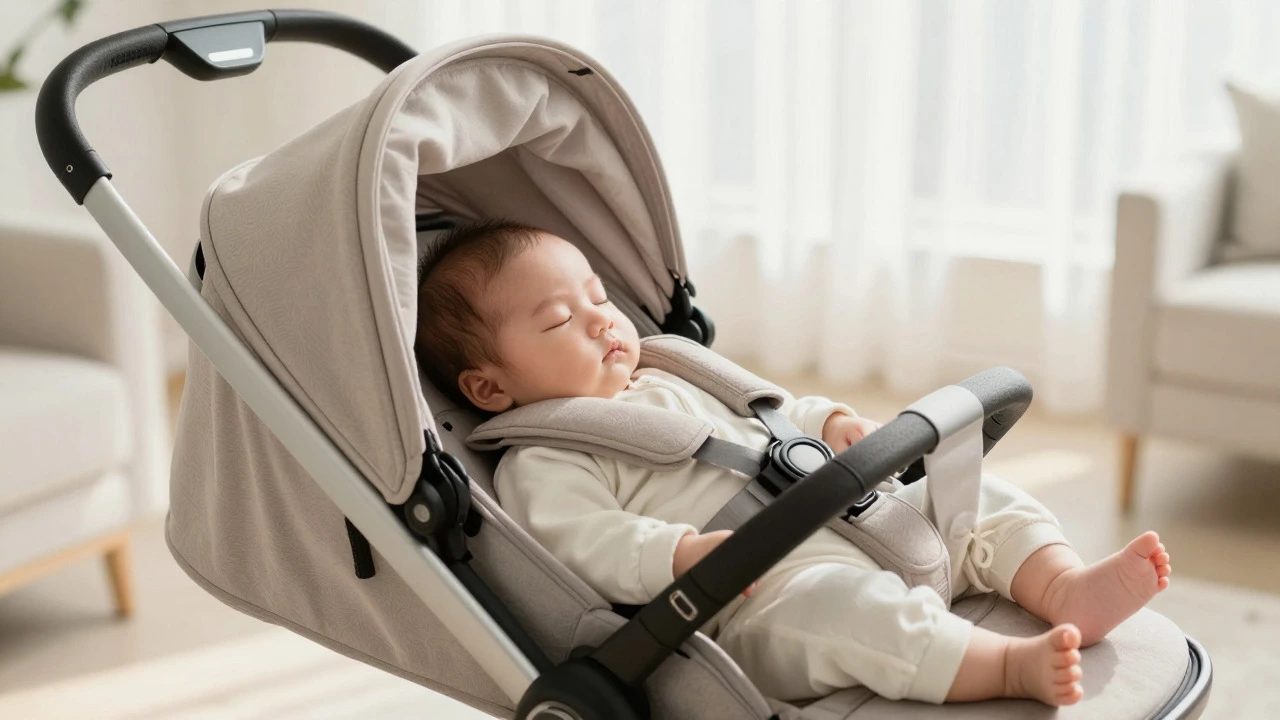
From birth until your baby can sit up unassisted (usually around 4 to 6 months), their spine is still developing. They have zero neck control. This means they cannot handle any bouncing or jostling. For this stage, the flat-reclining stroller is a stroller frame that allows the seat to lie completely horizontal, providing essential spinal support for newborns.
You have two main options here:
- Travel Systems: These are the most popular choice for new parents. They consist of a stroller frame that clicks directly into an infant car seat. You can transfer your sleeping baby from the car to the stroller without waking them up. It’s seamless. Look for brands like UPPAbaby, Bugaboo, or Chicco that offer adapters for major car seat brands.
- Bassinet Attachments: Some premium strollers come with a separate bassinet basket that attaches to the chassis. This offers a firmer mattress surface than the soft padding of a car seat, which some pediatricians prefer for longer naps outside the car.
Avoid "umbrella strollers" or lightweight models at this stage unless they recline fully flat (180 degrees). Most don’t. If your baby has to slouch slightly, it restricts their lung capacity and strains their neck. Keep it flat.
The Transition Period: 6 to 12 Months
Once your baby starts sitting up on their own, usually around six months, the game changes. They want to see the world. They’re curious. They’re reaching for things. This is when you can start transitioning away from the car-seat-only mode.
If you bought a travel system, check if the stroller seat has a multi-position recline. You’ll likely keep it semi-reclined for naps but upright for walks. At this age, storage space becomes critical. You’re not just carrying a diaper bag; you’re carrying snacks, toys, extra clothes, and maybe a tablet if you’re desperate.
This is also the time to consider weight limits. Most standard strollers handle children up to 50 pounds (23 kg). If you have a larger toddler or plan to use the stroller for multiple children, check the manufacturer’s specs early. Don’t assume all strollers are built the same. A cheap model might sag under 30 pounds, making pushing difficult and potentially unsafe.
Toddler Years: 1 to 3 Years
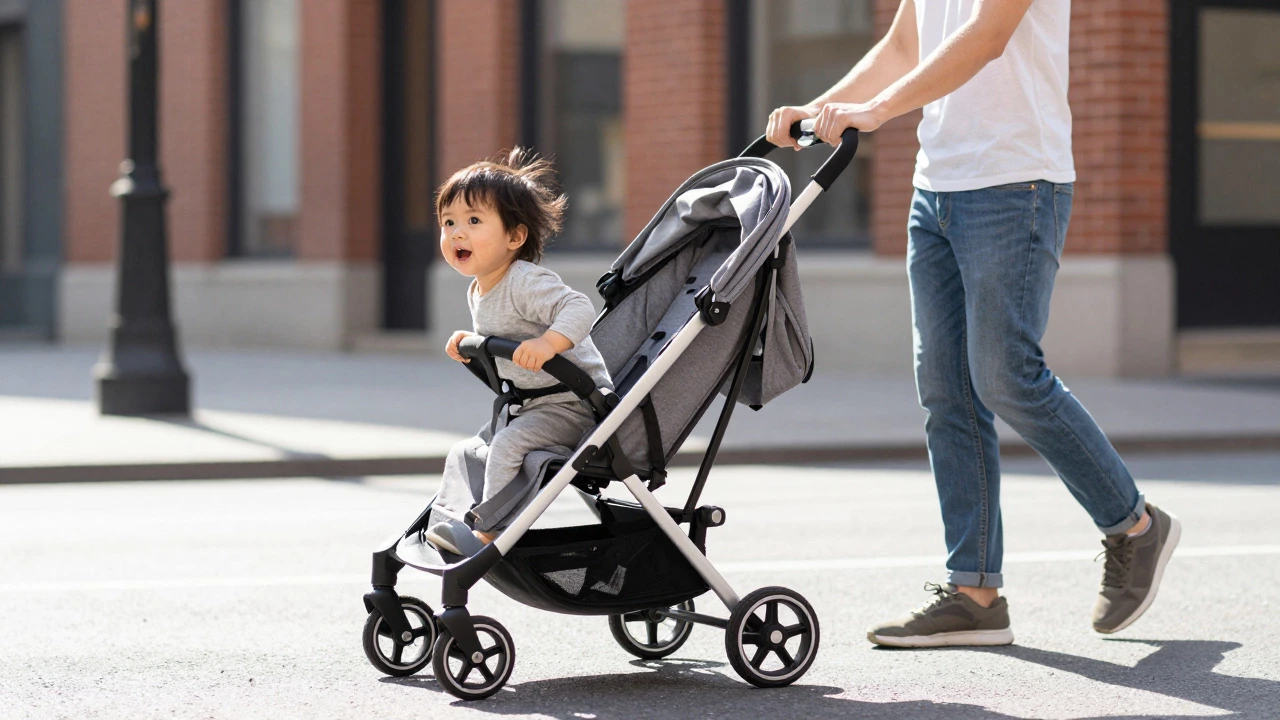
Your toddler is now mobile. They walk, they run, they stop every three seconds to pick up a rock. The stroller’s role shifts from "transportation" to "rest station." They will ride when they’re tired and walk when they’re energetic. This unpredictability means you need a stroller that folds quickly and easily.
At this stage, maneuverability is king. You’re navigating sidewalks, subway stairs, and narrow aisles. A four-wheel swivel design with suspension works best. Also, look for a canopy with UV protection. Toddlers burn faster than infants because they’re moving more and sweating more.
Consider the "stand-and-fold" mechanism. If you have to kneel down to fold your stroller while a screaming toddler hangs off the handle, you’re going to hate it. Brands like Babyzen YOYO2 or the Doona (which doubles as a car seat) excel here because they fold with one hand. Yes, they cost more, but your sanity is worth the price tag.
When to Ditch the Stroller: Ages 3 to 5+
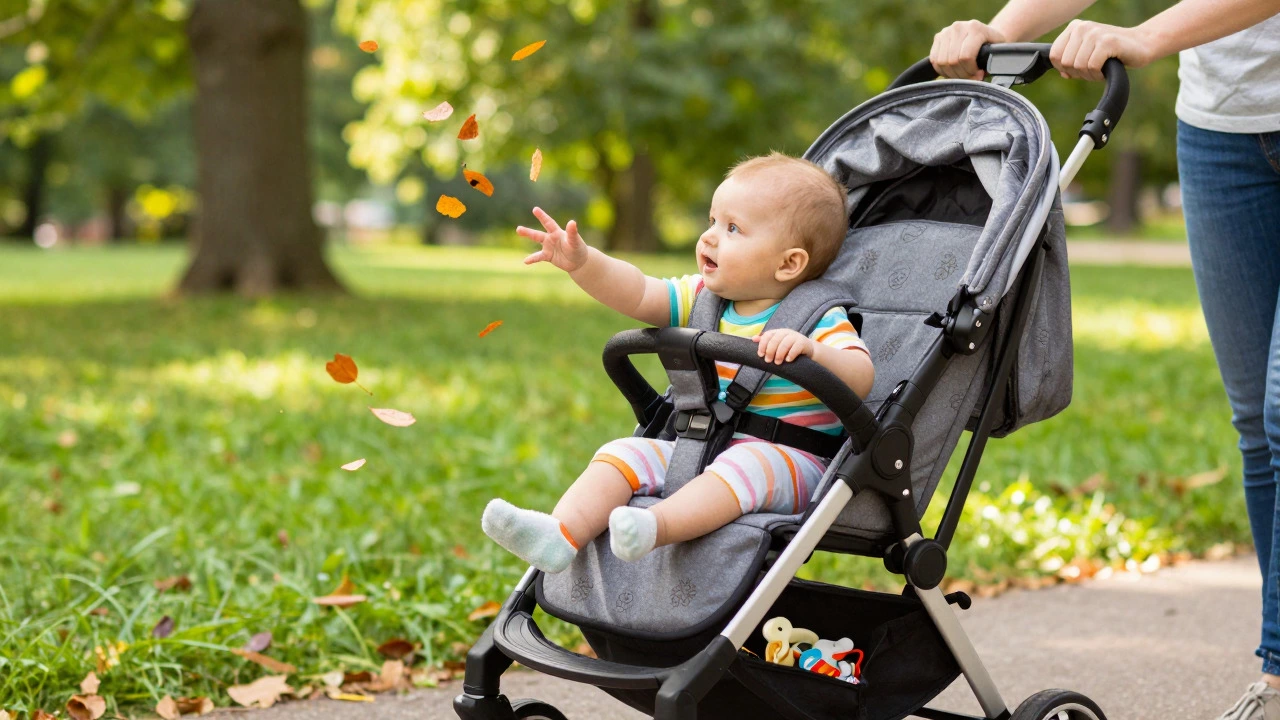
There’s no hard rule, but most kids outgrow strollers between ages 3 and 5. It’s less about physical size and more about willingness. Does your child complain about riding? Do they insist on walking everywhere? Are they heavy enough that lifting the folded stroller into your car trunk feels like a workout?
If your child is over 40 pounds (18 kg), many compact strollers become awkward to push. The center of gravity shifts, and the brakes may not hold as well on hills. However, if you’re planning a long day at Disney World or a museum, even a 4-year-old might appreciate a quick ride. In these cases, a lightweight "toddler stroller" or a wagon-style cart might be better than a traditional stroller.
Don’t feel pressured to keep using it if your child hates it. Forcing a resistant toddler into a stroller creates battles before you even leave the house. Offer choices: "Do you want to walk to the park, or ride to the park?" Often, the compromise saves the day.
| Age Range | Recommended Type | Key Feature Needed | Avoid |
|---|---|---|---|
| Birth - 6 Months | Travel System / Bassinet | Flat Recline (180°) | Umbrella Strollers |
| 6 - 12 Months | Full-Size Stroller | Large Storage Basket | Lightweight Frames |
| 1 - 3 Years | All-Terrain / Jogger | One-Hand Fold | Bulky Travel Systems |
| 3 - 5+ Years | Wagon / Lightweight | High Weight Limit | Complex Folding Mechanisms |
Safety Checkpoints Every Parent Should Know
Regardless of age, safety is non-negotiable. Here are the checkpoints:
- The Five-Point Harness: Always use it. Even if your toddler says they’re "too big" for it. A two-point crotch strap is not enough. If they stand up, they fall forward. The five-point harness keeps them secure during sudden stops.
- Brakes: Test them on every surface. Grass, pavement, gravel. If the wheels lock up too hard, it’s hard to steer. If they don’t lock, it rolls away. Find the balance.
- Canopy Coverage: Ensure the canopy covers the face and eyes. Sunburn on a baby’s delicate skin can lead to long-term issues. Look for UPF 50+ ratings.
- Weight Distribution: Don’t hang heavy bags on the handles. It pulls the stroller backward, making it tip over. Use the under-seat basket instead.
Special Scenarios: Jogging and All-Terrain
If you live in Vancouver like I do, where rain and cobblestones are part of daily life, or if you’re an avid runner, you might be eyeing a jogging stroller. But here’s the catch: most manufacturers recommend waiting until your baby is at least 6 to 8 months old before using a jogging stroller. Why? Because the air-filled tires and higher center of gravity create more bounce. A newborn’s neck can’t handle that vibration.
Wait until your baby has strong head control. Then, enjoy the smooth ride. Jogging strollers often have fixed front wheels for stability at speed, which makes them harder to turn in tight spaces like grocery stores. Think of them as specialized tools, not everyday carriers.
Frequently Asked Questions
Can I use an umbrella stroller for a newborn?
Generally, no. Most umbrella strollers do not recline fully flat. A newborn needs a 180-degree recline to protect their spine and airway. Only use an umbrella stroller if the manufacturer explicitly states it is safe for newborns and reclines completely flat.
When should I switch from a travel system to a regular stroller?
You can switch once your baby sits up independently, usually around 6 months. At this point, you can remove the car seat adapter and use the stroller’s built-in seat. This makes the stroller lighter and easier to maneuver.
Is it safe to put a newborn in a jogging stroller?
Most experts and manufacturers advise against it. Wait until your baby is at least 6 to 8 months old. The bouncy nature of jogging strollers can strain a newborn’s developing neck and spine. Use a flat-reclining travel system or bassinet instead.
How long should I use a stroller?
There’s no set age. Most children stop using strollers between 3 and 5 years old. It depends on your child’s willingness to walk, their weight, and the distance you’re traveling. If they’re happy walking, let them go. If they’re tired, the stroller is a helpful tool.
Do I need a stroller with a bassinet attachment?
It’s optional but highly recommended for frequent travelers or those who want a firmer sleep surface for their newborn. A travel system with a car seat is cheaper and more versatile for short trips, but a bassinet provides better support for longer naps outdoors.