What Baby Bottles Are Safe to Use? A Practical Guide for Parents in 2025
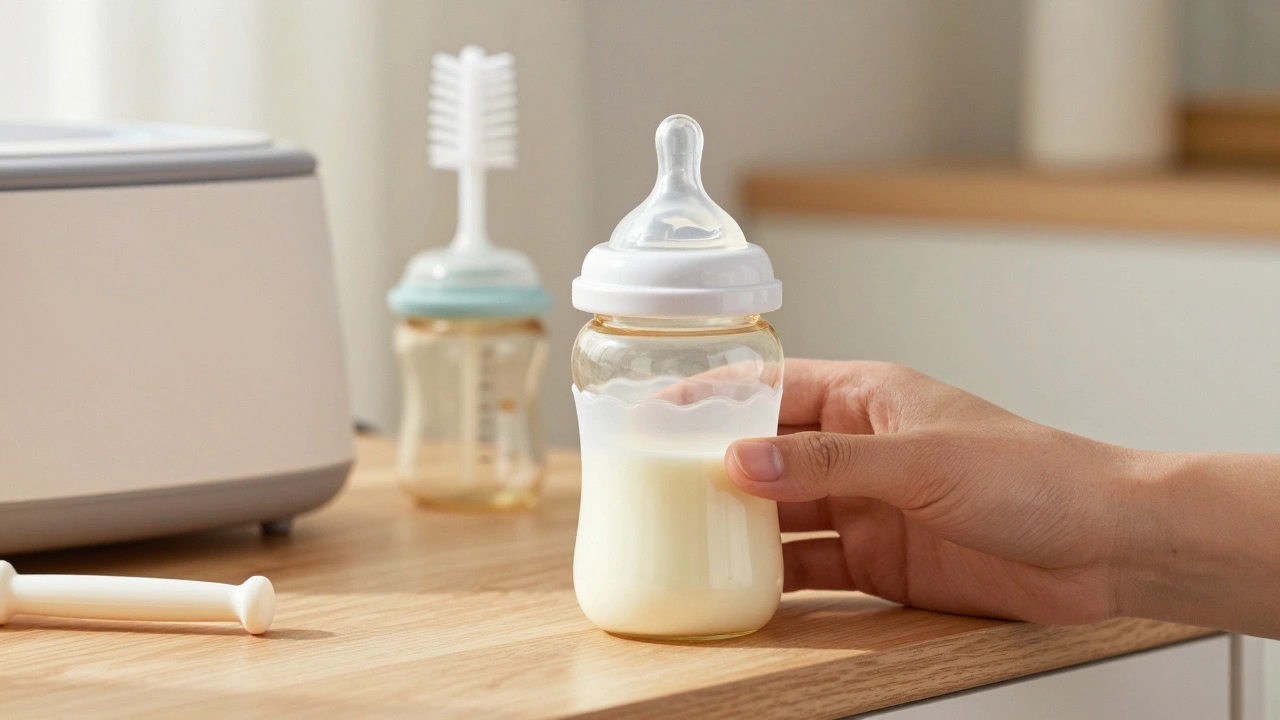
Baby Bottle Safety Checker
Check Your Bottle Safety
Answer these questions to see if your baby bottle meets 2025 safety standards.
Choosing a safe baby bottle isn’t just about picking the cutest design or the brand everyone’s talking about. It’s about protecting your baby from chemicals, bacteria, and physical hazards that can sneak into something as simple as a feeding routine. With so many options on the shelf-from glass to silicone to plastic-it’s easy to feel overwhelmed. But you don’t need to be an expert to make smart choices. Here’s what actually matters in 2025.
What Makes a Baby Bottle Unsafe?
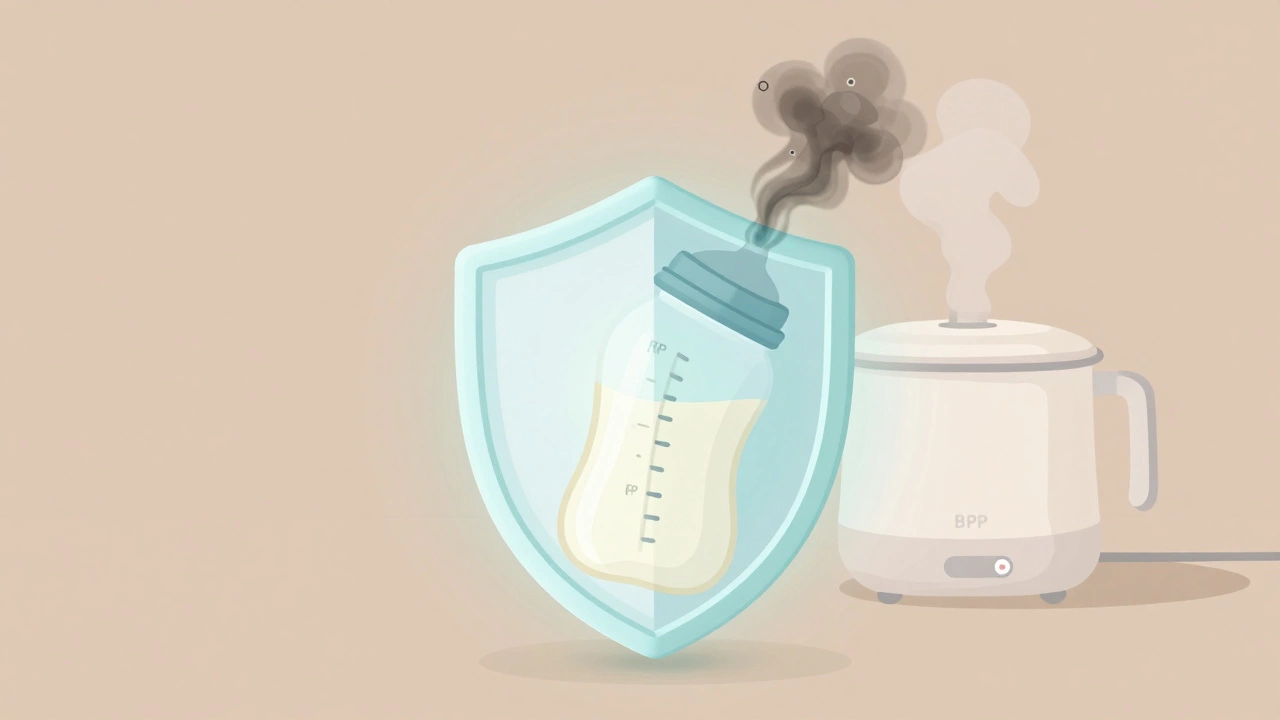
Not all bottles are created equal, and some materials can release harmful substances when heated, scratched, or aged. The biggest concern has been BPA-a chemical once common in plastic bottles that can mimic hormones and interfere with development. While most major brands stopped using BPA over a decade ago, it’s still found in cheaper imports or older stock. Look for bottles labeled BPA-free, but don’t stop there.
Other risky materials include phthalates (used to soften plastics), bisphenol S (BPS), and bisphenol F (BPF)-chemicals that manufacturers sometimes swap in for BPA, but still raise health concerns. These can leach into formula or breast milk, especially when the bottle is heated in a microwave or dishwasher repeatedly. A 2023 study by the Environmental Working Group found that even some "BPA-free" bottles released hormone-disrupting compounds under normal use conditions.
Physical safety matters too. Bottles with weak nipples that tear easily, loose caps that come off during feeding, or sharp edges from poor manufacturing can cause choking or injury. Always check for recalls. The U.S. Consumer Product Safety Commission issued 12 baby bottle recalls between 2023 and 2025, mostly due to detachment hazards or mold buildup in hard-to-clean parts.
The Best Materials for Baby Bottles in 2025
When you strip away the marketing, there are three materials that consistently meet safety standards for infant feeding:
- Glass - Non-reactive, easy to sterilize, and doesn’t hold onto odors or residues. It’s heavy and can break, but modern tempered glass bottles (like those from Lifefactory or Dr. Brown’s) come with silicone sleeves that absorb drops. Glass doesn’t degrade over time, so you can reuse it for multiple children.
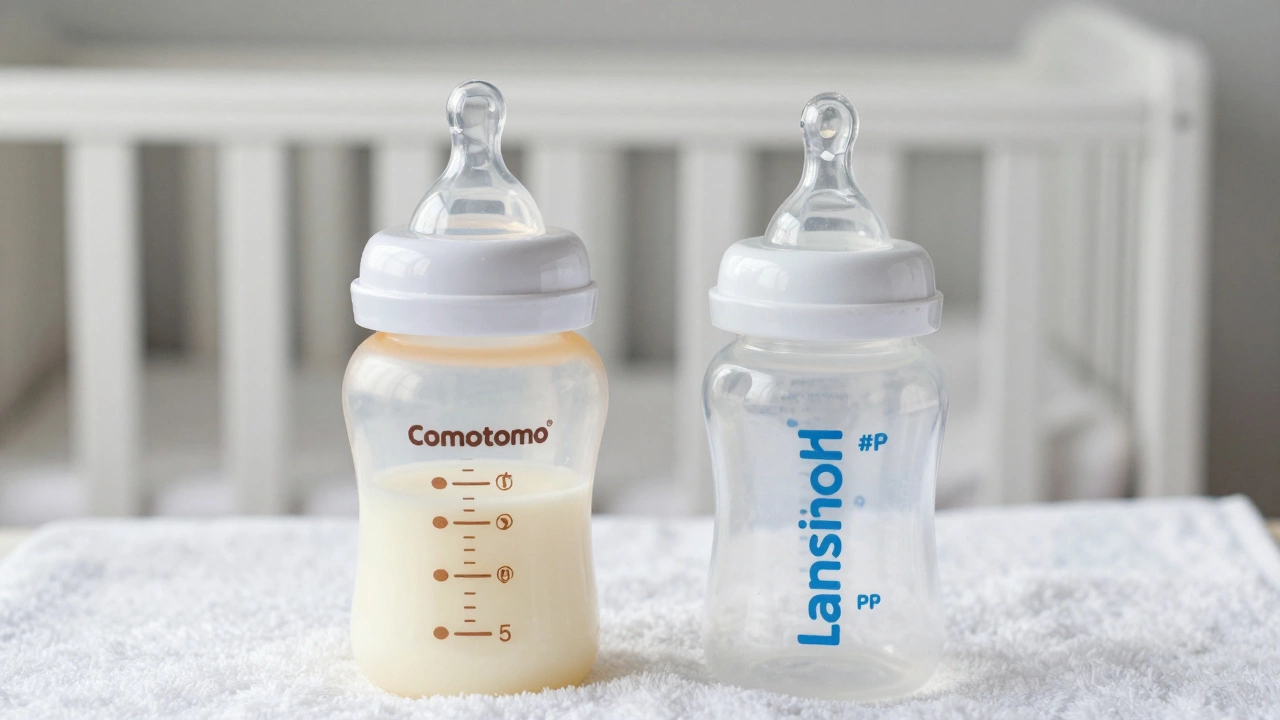
- Medical-Grade Silicone - Flexible, lightweight, and heat-resistant. Silicone bottles (like those from Comotomo or NUK) are nearly unbreakable and feel more like skin, which helps with latch and reduces air intake. They’re also dishwasher-safe and don’t harbor bacteria in crevices like some plastic designs.
- PP (Polypropylene) Plastic - A safer plastic option that’s BPA-free, phthalate-free, and approved by Health Canada and the FDA for infant use. Look for bottles labeled #5 on the bottom (recycling code). Brands like Lansinoh and Tommee Tippee use this material in their top-selling models. Avoid plastics labeled #3, #6, or #7 unless explicitly certified as food-safe for babies.
Steel bottles are gaining traction among eco-conscious parents, but they’re not ideal for newborns-metal can get too cold or hot quickly, and they don’t offer the same nipple flexibility. Save them for toddlers.
What to Look for in Bottle Design
Material is just half the story. The shape and structure of the bottle affect safety too.
- Anti-colic vents - Bottles with built-in air vent systems (like Dr. Brown’s internal vent or Avent’s air-free technology) reduce the amount of air babies swallow, which cuts down on gas, spit-up, and fussiness. These aren’t just marketing gimmicks-they’re clinically shown to improve feeding comfort.
- Wide necks - Easier to clean and fill. Narrow-neck bottles are harder to reach with bottle brushes, and trapped milk can grow mold. A wide neck also lets you add powdered formula without spills.
- One-piece nipples - Avoid bottles with detachable valve systems inside the nipple. These tiny parts can come loose, get lost, or trap bacteria. Comotomo and NUK use seamless silicone nipples that are simpler to clean and less likely to fail.
- Flow rates - Newborns need slow-flow (size S or 1) nipples. Rushing to a medium or fast flow too early can lead to overfeeding and reflux. Always match the nipple flow to your baby’s age and feeding pace.
How to Clean and Sterilize Bottles Safely
A clean bottle is a safe bottle. But how you clean it matters more than you think.
Boiling bottles is no longer the only option. Most modern bottles (glass, silicone, PP plastic) are dishwasher-safe on the top rack. Use a baby-safe detergent-avoid scented or antibacterial formulas. Regular dish soap can leave residues that irritate a baby’s gut.
For sterilization, you have three safe options:
- Steam sterilizer - Electric models (like Philips Avent or Beaba) heat water to 100°C and kill 99.9% of germs in under 10 minutes. They’re fast and hands-off.
- Boiling water - Submerge all parts (bottle, nipple, cap, ring) in boiling water for 5 minutes. Let them air-dry on a clean towel. Don’t use a cloth to dry-they can reintroduce bacteria.
- UV sterilizer - Uses ultraviolet light to kill germs. These are convenient for travel but don’t replace physical cleaning. Always rinse bottles first-UV doesn’t remove milk residue.
Never use microwave sterilizers. They heat unevenly and can melt plastic parts. And never use bleach unless you’re absolutely sure you can rinse every trace away. Even tiny amounts can be toxic to infants.
When to Replace Baby Bottles
Bottles don’t last forever. Even high-quality ones wear out.
- Replace nipples every 2-3 months - They thin out, crack, or stretch. A slow-flow nipple that suddenly becomes fast-flow means it’s worn out. If milk drips instead of flows steadily, it’s time.
- Replace bottles every 6 months - Especially plastic ones. Scratches harbor bacteria. If you see fine lines or cloudiness in the plastic, toss it. Glass bottles last longer, but if they chip or crack, replace immediately.
- Replace after illness - If your baby had a stomach virus or thrush, replace all feeding equipment. Fungi and bacteria can cling to surfaces even after cleaning.
Keep a rotation of 6-8 bottles if you’re formula-feeding full-time. That way, you’re not reusing the same one too often, and you always have clean ones ready.
What to Avoid
Here are the top 5 things to skip, no matter how cheap or trendy they seem:
- Secondhand bottles without known history - You don’t know if they were sterilized properly, or if the nipple is stretched or cracked.
- Bottles with decorative decals or paint - The ink can chip off and be ingested. Stick to plain, unadorned designs.
- Non-BPA-free plastics labeled "eco-friendly" or "natural" - These terms aren’t regulated. Always check the recycling code and manufacturer’s safety claims.
- Self-sterilizing bottles that claim you don’t need to wash them - No bottle is truly self-cleaning. Always rinse after each use.
- Generic brands from unknown online sellers - Stick to brands sold in reputable stores (like Target, Walmart, or Canadian pharmacies). Many knockoffs fail safety tests.
Top 3 Safe Baby Bottles in 2025
Based on independent testing from Health Canada, the American Academy of Pediatrics, and consumer labs, these three models consistently rank highest for safety, durability, and ease of use:
| Brand & Model | Material | Key Safety Features | Best For |
|---|---|---|---|
| Comotomo Natural Feel A silicone baby bottle designed to mimic the shape and feel of a mother’s breast, with a wide neck and seamless nipple | Medical-grade silicone | Seamless nipple, BPA-free, heat-resistant up to 180°C, easy to clean | Babies with latch issues, sensitive stomachs |
| Dr. Brown’s Options+ Glass A glass baby bottle with an internal vent system that reduces air intake and prevents colic | Tempered glass with silicone sleeve | Anti-colic vent, BPA-free, dishwasher-safe, no detachable valves | Babies prone to gas, reflux, or spit-up |
| Lansinoh SignaturePro A BPA-free polypropylene bottle with a slow-flow nipple and ergonomic shape for easy gripping | PP plastic (#5) | Leak-proof cap, wide neck, FDA-approved material, dishwasher-safe | Parents seeking affordability without compromise |
All three are available in Canadian pharmacies and major retailers. None have been recalled since 2020. All meet Health Canada’s safety standards for infant feeding products.
Final Checklist Before You Buy
Before you check out, ask yourself these five questions:
- Is the bottle labeled BPA-free and made of glass, silicone, or #5 PP plastic?
- Does it have a wide neck and a seamless, one-piece nipple?
- Is the brand sold in reputable stores (not just random Amazon sellers)?
- Has it been tested by an independent lab (look for certifications from ASTM or Health Canada)?
- Can I easily clean every part with a bottle brush?
If you answered yes to all five, you’ve picked a safe bottle. No need to overthink it. Your baby’s health doesn’t require perfection-just smart, consistent choices.
Are glass baby bottles safer than plastic ones?
Yes, glass is chemically inert and doesn’t leach any substances, even when heated or scratched. Plastic bottles (even BPA-free ones) can still release trace chemicals over time. Glass is the safest long-term option, but it’s heavier and breaks if dropped. Silicone bottles offer a good middle ground-safe, lightweight, and unbreakable.
Can I reuse baby bottles for my second child?
Yes, if they’re in good condition. Glass and silicone bottles can last for years if they’re not cracked, cloudy, or scratched. Replace the nipples every 2-3 months, though. Even if they look fine, the material degrades with heat and cleaning. Always sterilize thoroughly before reusing.
Is it safe to microwave baby bottles to warm them up?
No. Microwaves heat liquids unevenly, creating dangerous hot spots that can burn your baby’s mouth. Even if the bottle feels cool on the outside, the milk inside can be scalding. Always warm bottles in a bowl of warm water or a dedicated bottle warmer.
Do I need to sterilize bottles every time?
No. Sterilize new bottles before first use, and after illness. After that, washing with hot, soapy water or running them through the dishwasher is enough for daily use. Sterilizing every time is unnecessary and can wear out materials faster.
What should I do if my baby chokes on a bottle part?
If a nipple, cap, or valve comes loose during feeding, stop immediately. Gently remove any visible pieces from the mouth. If your baby is coughing or crying, they’re likely clearing it themselves. If they’re silent, turning blue, or can’t breathe, call 911 and start infant CPR. Always check bottles for loose parts before each use.
Next Steps
Start with one or two bottles from the recommended list. Try them out over a week. See how your baby responds-do they feed calmly? Do they spit up less? Do the bottles clean easily? Your baby’s comfort is the best indicator.
Keep a log: note the brand, material, and any issues. You’ll thank yourself when you need to replace them in a few months. And if you’re ever unsure about a bottle’s safety, check Health Canada’s recall database or contact the manufacturer directly. They’re required to respond to safety questions.
Safe feeding isn’t about buying the most expensive bottle. It’s about knowing what to look for-and avoiding what you don’t need. Stick to the basics, skip the gimmicks, and trust your instincts. Your baby doesn’t need a fancy bottle. They just need a safe one.