What Goes Under a Baby Grow? Layering Guide for New Parents

Baby Layering & Sleep Guide
Adjust the slider to match your current room temperature. We'll recommend what to wear under a baby grow and the appropriate sleep sack.
Daytime / Awake
Under Baby Grow
Cotton Bodysuit
Over Baby Grow
Optional Cardigan
Sleep Time
Recommended Sleep Sack
Layering Strategy
Single thin cotton bodysuit underneath.
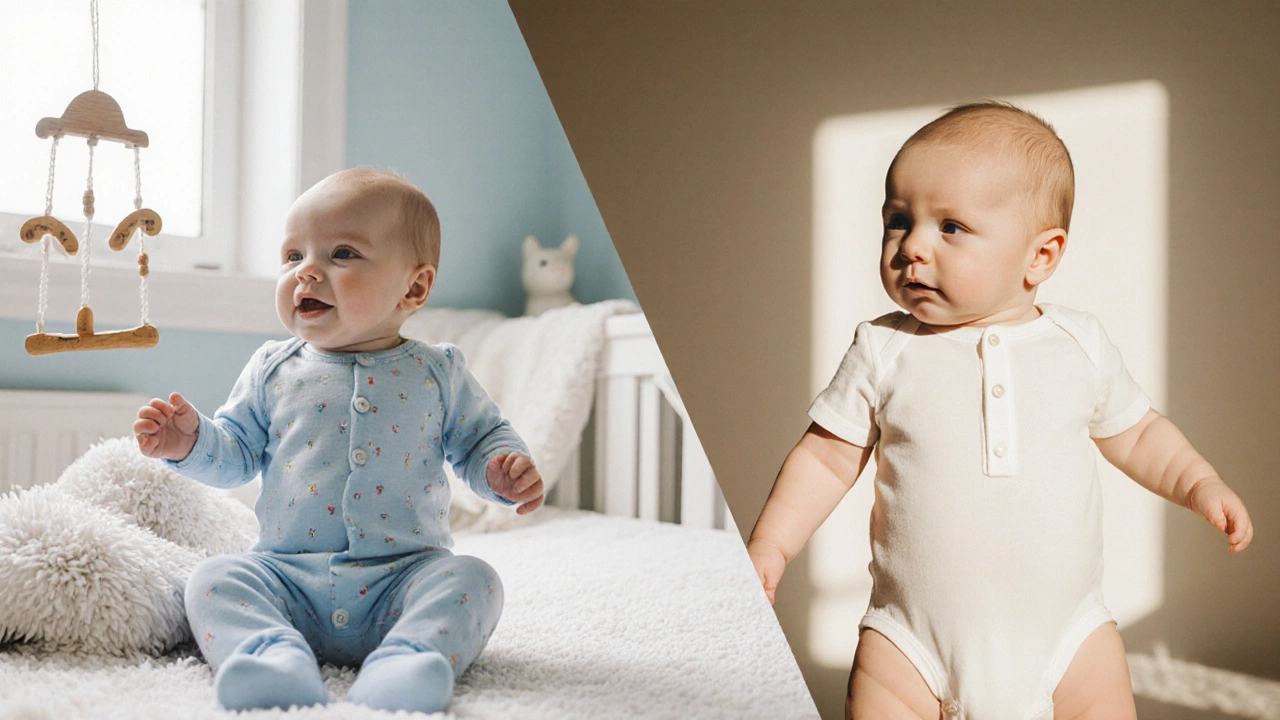
You’re standing in the nursery at 3 AM, staring at your squirming newborn. You’ve just changed their diaper, and now you have to decide what goes on top of that bare skin before snapping on the baby grow (also known as a bodysuit or onesie). Is it too cold? Too hot? Do they need a vest underneath? If you guess wrong, you might wake them up with discomfort or risk overheating.
This isn’t just about fashion; it’s about thermoregulation. Babies can’t regulate their body temperature like adults do. They lose heat quickly through their heads and hands, but they also overheat fast if bundled too tightly. The right base layer under a baby grow depends entirely on three things: the room temperature, the material of the grow itself, and whether your baby is sleeping or playing.
Understanding the Basics of Infant Thermoregulation
Before we talk about specific clothes, you need to understand why this matters. Adults wear one more layer than a baby would ideally wear in the same environment. This rule of thumb helps prevent both hypothermia and hyperthermia. In Canada, where indoor heating can make rooms stiflingly warm in winter and drafty in spring, getting this balance right is tricky.
The central entity here is the baby grow, a one-piece garment with snap closures at the crotch. It serves as either an outer layer or a mid-layer depending on what’s beneath it. When worn alone, it acts as underwear. When worn over other clothes, it protects those layers from shifting during diaper changes. But putting nothing under it? That’s common in summer. Putting too much under it? That’s a recipe for sweat-rash in winter.
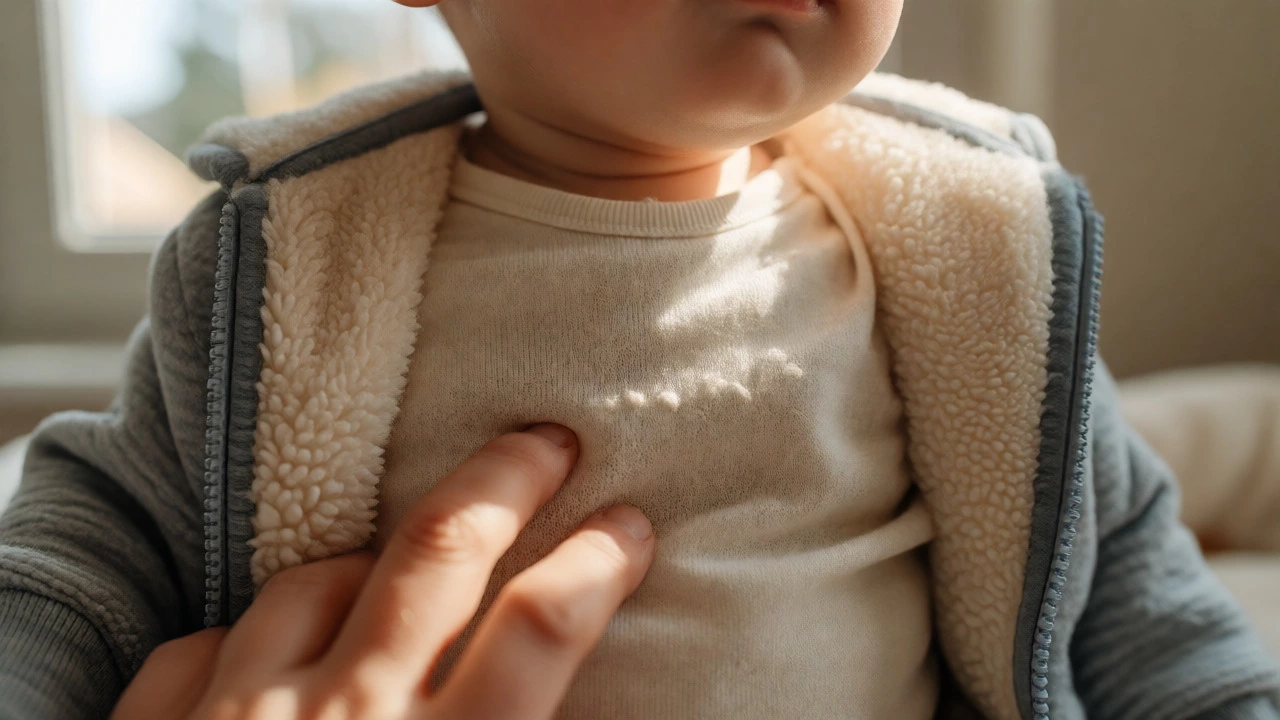
Your baby’s comfort level is best judged by checking their chest or back, not their hands or feet. Extremities are often cool due to immature circulation, which is normal. If their chest feels sweaty, remove a layer. If it feels cold, add one.
The Golden Rule: Dress for the Room Temperature
Most parents struggle because they dress babies based on how *they* feel. If you’re wearing a t-shirt indoors, your baby probably needs similar coverage, plus maybe a light blanket if sleeping. Here is a practical breakdown based on standard indoor temperatures found in most Vancouver homes.
| Room Temp (°C) | Under the Baby Grow | Over the Baby Grow | Sleep Setup |
|---|---|---|---|
| 24°C+ | Naked or Light Cotton Vest | None needed | Light Muslin Swaddle |
| 20-23°C | Cotton Bodysuit or Undershirt | Optional Cardigan | TOG 1.0 Sleep Sack |
| 16-19°C | Fleece-lined Vest + Cotton Bodysuit | Warm Hat (if head is cold) | TOG 2.5 Sleep Sack |
| <16°C | Thermal Long-sleeve Top | Fleece Suit or Snowsuit | TOG 3.5 Sleep Sack |
Notice the TOG ratings mentioned above. TOG stands for Thermal Overall Grade, a measure of insulation used in baby sleep sacks. A 1.0 TOG sack is suitable for warmer rooms, while 3.5 TOG is for chilly nights. Never use loose blankets in the crib until your baby is older, as they pose a suffocation risk. Instead, rely on wearable blankets and appropriate layering underneath the grow.
Material Matters: Cotton vs. Wool vs. Synthetics
Not all fabrics behave the same way under a baby grow. Since babies spend most of their time lying down, breathability is critical to prevent skin irritation and eczema flare-ups, which are common in infants.
- Organic Cotton: The gold standard for base layers. It’s breathable, hypoallergenic, and soft against sensitive skin. Look for GOTS-certified organic cotton vests. These wick moisture away slowly but keep the skin dry enough for short periods.
- Merino Wool: Surprisingly effective for cooler climates. Unlike regular wool, merino doesn’t itch. It regulates temperature better than cotton, meaning it keeps babies warm without making them sweat. Use thin merino long-sleeves under heavier fleece grows in winter.
- Fleece: Great for warmth but poor for breathability. Avoid wearing thick fleece directly against the skin under a non-breathable grow. Sweat gets trapped, leading to prickly heat. Use fleece only as a mid-layer or outer layer.
- Bamboo Viscose: Increasingly popular for its silky texture and cooling properties. It’s excellent for summer base layers under lightweight cotton grows. However, bamboo can retain moisture longer than cotton, so change frequently if the baby sweats.
Avoid synthetic polyester blends as direct skin contact layers unless they are specifically designed as athletic wicking fabrics. Regular cheap polyesters trap heat and odors, causing discomfort during long naps.
Special Scenarios: Sleep vs. Playtime
What goes under a baby grow changes depending on activity. During playtime, babies move more, generating body heat. During sleep, their metabolic rate drops, and they need slightly more insulation to stay comfortable throughout the night.
Sleeping Safely
When putting your baby down for a nap or night sleep, safety trumps style. Follow these guidelines:
- No Loose Items: Ensure no scarves, hats, or loose socks end up in the crib.
- Secure Fit: The baby grow should fit snugly but not restrict movement. Loose fabric can bunch up near the face.
- Layering Strategy: If using a high-TOG sleep sack (e.g., 2.5 TOG), you might only need a single thin cotton bodysuit underneath. Adding a thick sweater under a heavy sack will cause overheating.
Active Daytime Wear
During awake hours, you can be more flexible. If you’re heading out for a walk in a stroller, remember that the stroller windbreaker adds significant warmth. Remove the outer hat and reduce the inner layers accordingly. A common mistake is dressing babies for the weather outside rather than the microclimate inside the pram canopy.
Common Mistakes Parents Make
Even experienced parents get caught out by layering errors. Here are the most frequent pitfalls:
- Overdressing for Indoor Heating: In modern insulated homes, central heating often keeps rooms above 22°C. Wearing thermal undershirts in this heat leads to sweating and subsequent chills when the sweat evaporates.
- Ignoring Humidity: Vancouver winters are damp. Damp clothes conduct heat away from the body faster than dry ones. Always ensure base layers are completely dry before dressing your baby.
- Using Adult Socks as Base Layers: Some parents pull adult socks over baby legs as makeshift leg warmers. These often slip down or cut off circulation. Stick to proper footed pants or booties.
- Forgetting Diaper Bulk: A bulky diaper takes up space inside the baby grow. If you layer too many tight items underneath, the snaps won’t close properly, or the fabric will strain, creating uncomfortable pressure points.
Practical Checklist for Every Change
Keep this quick mental checklist handy next to your changing table:
- Check the room thermometer. Is it between 18-22°C?
- Touch the baby’s chest. Warm and dry? Good. Hot and sweaty? Remove a layer. Cool? Add a vest.
- Inspect the diaper area. Redness indicates trapped moisture-switch to a more breathable base layer.
- Ensure sleeves aren’t covering hands if the baby is mobile (choking hazard/safety).
- Confirm the baby grow fits comfortably over the current layers without stretching the fabric excessively.
Remember, there is no single "right" answer for every day. Weather patterns shift, house temperatures fluctuate, and individual babies run hotter or colder. Trust your instincts and physical checks over rigid rules. Start with minimal layers and adjust based on observation. Within a week, you’ll know exactly what your little one prefers.
Can I put a baby grow directly on my baby's skin?
Yes, absolutely. Many parents prefer this, especially in warm weather. Just ensure the grow is made of soft, breathable material like cotton to prevent irritation. Check seams carefully to avoid rubbing sensitive skin.
Do newborns need vests under baby grows?
Newborns benefit from vests in cooler environments because they help maintain core temperature. However, if the room is warm (above 22°C) and the baby grow is thick, a vest may cause overheating. Always check the baby's neck or back for signs of sweating.
What is the safest way to layer for sleep?
Use a well-fitting baby grow combined with a wearable sleep sack (sleep bag) rated for the room temperature. Avoid loose blankets, pillows, or stuffed animals in the crib. The sleep sack replaces the need for multiple heavy layers underneath.
How do I know if my baby is too hot?
Signs include sweating on the chest or back, flushed cheeks, rapid breathing, and restlessness. Hands and feet being cool is normal and does not necessarily indicate coldness. Focus on the torso for accurate temperature assessment.
Should I use different layers for naps vs. night sleep?
Generally, yes. Night sleeps are longer, so stability in temperature is key. Naps might occur in different locations (stroller, car seat) with varying airflow. Adjust layers based on the immediate environment rather than just the time of day.