What is the Most Expensive Thing for Babies? Nursery Furniture Costs
Nursery Furniture Budget Estimator
Select your preferred quality level for essential nursery items to estimate your total investment.
-
Crib & Mattress$0
Sleep safety essentials -
Stroller System$0
Transport & travel -
Dresser / Changing Table$0
Storage & care -
Glider / Rocking Chair$0
Feeding & soothing
You’re standing in a store, staring at a crib that costs more than your first car. It’s white, it’s sleek, and it has a price tag of $3,500. Your friend just bought a matching changing table for another $1,200. You start doing mental math: if you buy everything from this brand, you’ll need a second mortgage before the baby even arrives.
So, what actually drives these numbers up? Is it the wood? The safety ratings? Or is it just branding? If you are trying to figure out where your money goes when you set up a nursery, you need to look past the sticker price and understand what makes certain nursery furniture high-cost items designed for infant sleep, storage, and care so pricey.
The Big Three: Cribs, Strollers, and Car Seats
If you ask parents what they spent the most on, three items almost always top the list: the crib, the stroller, and the car seat. But here’s the twist-while all three are expensive, the reasons for the cost differ wildly. And one of them is often overpriced compared to its actual utility.
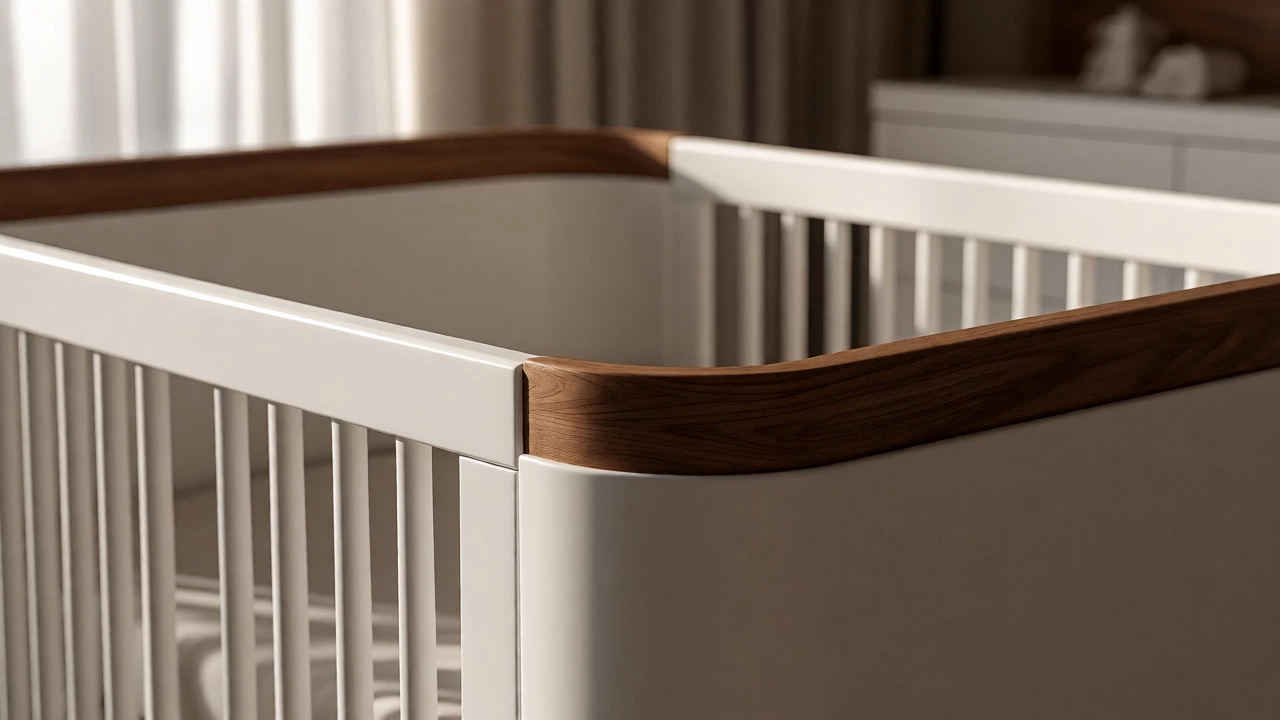
Luxury cribs convertible baby beds made from premium hardwoods with advanced safety features can range from $800 to over $4,000. Why so much? A standard pine crib might cost $200. A solid maple or walnut convertible crib costs ten times that because it’s built to last through multiple children. You’re not just buying a bed; you’re buying a piece of heirloom-quality furniture that converts into a toddler bed and later a daybed. Brands like Pottery Barn Kids or West Elm charge a premium for design aesthetics and non-toxic finishes. In Vancouver, where housing space is tight, many parents also pay extra for compact, multi-functional designs that fit small apartments.
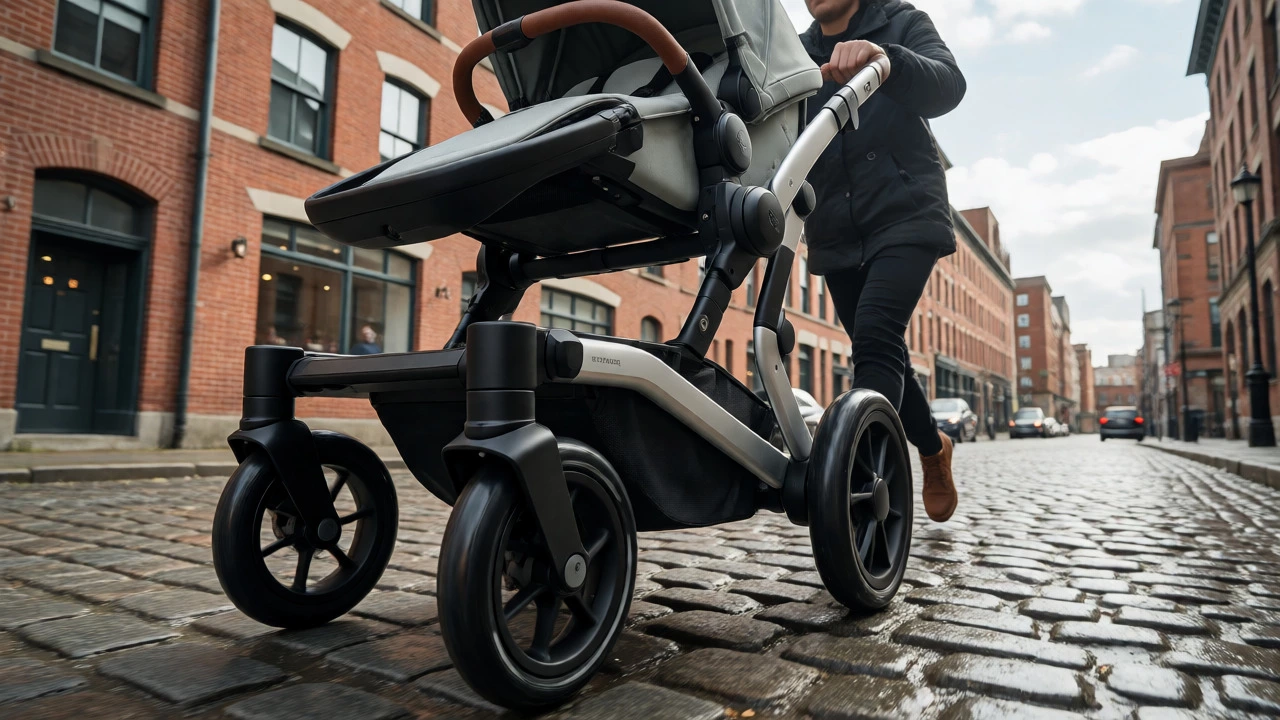
Then there’s the stroller system modular baby transport devices including chassis, bassinet, and car seat adapters. This is where budgets explode. A basic umbrella stroller is $100. But a full travel system from brands like UPPAbaby or Bugaboo? That’s $1,200 to $1,500 right off the bat. Add accessories-a rain cover, cup holder, organizer bag-and you’re pushing $1,700. Why? Engineering. These strollers have suspension systems that rival mountain bikes, air-filled tires, and one-hand folding mechanisms. They are designed for urban terrain, which matters if you live in a city with cobblestones or hills. If you’re walking five miles a day, a cheap stroller will break down within six months. A high-end one lasts years.
Car seats are tricky. You don’t necessarily spend the most on the seat itself ($300-$500), but you spend heavily on installation and upgrades. Many parents buy two or three seats as the child grows. Plus, high-end models like Nuna or Cybex include load-leg technology and anti-rebound bars, which add to the cost but significantly reduce injury risk in crashes.
Hidden Costs: Mattresses and Bedding
Here’s something nobody tells you: the crib isn’t the most expensive part of the sleeping setup. The baby mattress firm foam or hybrid support core designed specifically for infant spinal alignment can cost as much as the crib frame. A basic foam mattress is $100. But organic latex or hybrid innerspring mattresses from brands like Naturepedic or Newton Baby run $300 to $600. Parents pay for materials free of VOCs (volatile organic compounds) and flame retardants. There’s also the issue of breathability. Some parents worry about suffocation risks, so they pay extra for mesh-sided mattresses that allow airflow. If you’re allergic-prone, this isn’t just luxury-it’s health insurance.
Bedding adds up too. You don’t need a bumper pad (in fact, safe sleep guidelines say skip it). But fitted sheets, waterproof protectors, and swaddles? Buy good ones. Cheap sheets pill after two washes. High-thread-count bamboo sheets last longer and feel better against delicate skin. Ten sets of quality sheets can easily hit $200.
| Item | Budget Option | Mid-Range | Luxury/Premium | Why the Price Jump? |
|---|---|---|---|---|
| Crib | $150-$300 | $400-$800 | $1,000-$4,000+ | Material quality, convertibility, brand design |
| Mattress | $80-$150 | $200-$350 | $400-$700 | Organic materials, breathability tech, durability |
| Stroller | $100-$200 | $400-$700 | $900-$1,500+ | Suspension, maneuverability, modularity |
| Dresser | $100-$200 | $300-$500 | $600-$1,200+ | Hardwood construction, soft-close drawers, anchoring safety |
| Glider/Rocking Chair | $150-$250 | $300-$500 | $600-$1,000+ | Ergonomics, cushion density, mechanism smoothness |
Furniture That Isn’t Just Furniture
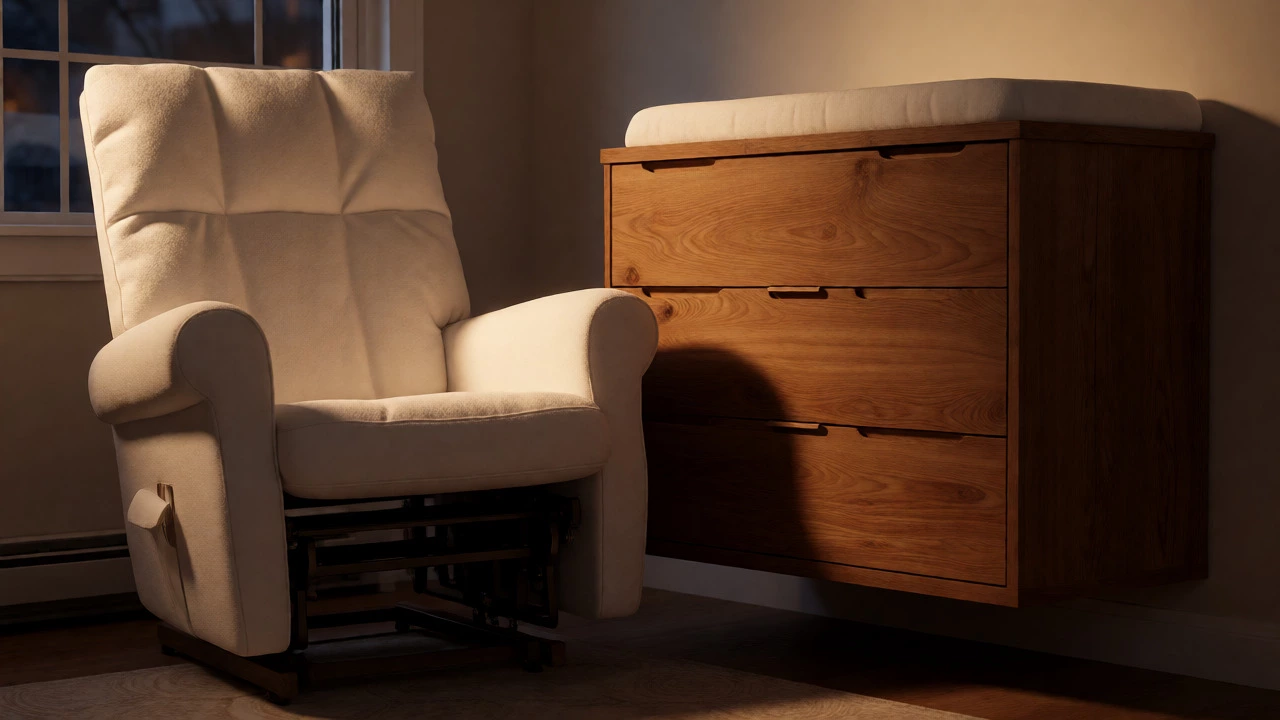
Dressers and gliders are sneaky budget killers. A changing dresser storage unit with integrated changing surface, often made of solid wood for stability replaces both a chest of drawers and a standalone changing table. Solid wood versions cost $500-$1,200. Particleboard ones crack under weight and wobble during diaper changes. Safety is key here: tip-over accidents are real. High-end dressers come with heavy-duty wall anchors and wider bases. If you’re renting in Vancouver, you might avoid drilling holes, so freestanding units with higher stability ratings cost more.
The glider chair ergonomic rocking seat designed for feeding and soothing infants is another area where comfort equals cost. A cheap glider squeaks, has thin padding, and leaves your back sore after 20 minutes of night feeds. A high-end model from La-Z-Boy or Pottery Barn uses dense memory foam, silent mechanical gliding, and lumbar support. You’ll sit in this chair for hundreds of hours. Paying $800 instead of $200 feels justified when you’re exhausted at 3 AM.
Where to Save Without Sacrificing Safety
You don’t need to spend $10,000 to raise a happy baby. Here’s how smart shoppers cut costs:
- Skip the crib bedding sets. You only need two fitted sheets and a waterproof protector. Everything else is decoration.
- Buy used cribs carefully. Check for recalls on the CPSC website. Avoid cribs made before 2011 due to drop-side rail dangers. Modern second-hand cribs are safe and half the price.
- Rent or borrow strollers. If you live in a condo and rarely walk far, a lightweight travel stroller ($200) might suffice until the toddler stage.
- DIY the decor. Paint, rugs, and curtains are cheaper than branded nursery themes. Spend on furniture, save on style.
Also, consider timing. Black Friday and end-of-season sales in late August often discount last year’s models by 30-50%. Sign up for alerts from major retailers like Amazon, Target, or local boutiques in Gastown or Main Street.
The Psychology Behind Baby Spending
Let’s be honest: some of this spending is emotional. New parents want to give their child the best. Marketing exploits this. Terms like “organic,” “non-toxic,” and “developmentally appropriate” trigger fear and hope. A $500 toy doesn’t make a baby smarter than a $50 one. But a $1,500 stroller does make life easier for the parent.
Ask yourself: who benefits from this purchase? If it’s the baby, prioritize safety and comfort (mattress, car seat). If it’s you, prioritize convenience and durability (stroller, glider). Don’t confuse luxury with necessity.
Vancouver-Specific Considerations
In Vancouver, space is limited. Many families live in condos with narrow hallways. Measure everything before buying. A bulky crib might not fit through your front door. Also, humidity affects wood. Solid hardwoods resist warping better than veneers, which matters in our rainy climate. Local stores like The Land of Nod (if still operating) or online Canadian retailers offer shipping deals that offset import fees.
Finally, think long-term. Will you use this item for one child or three? Convertible cribs and expandable dressers pay off over time. Single-use items like bassinets should be cheaper unless they serve a critical function like co-sleeping safety.
Is an expensive crib really necessary?
No. Any crib meeting current safety standards (like ASTM F1169) is safe. Expensive cribs offer better materials, longevity, and aesthetics, but a $200 crib protects your baby just as well as a $2,000 one.
What is the most overrated baby item?
Many parents agree that high-end baby monitors with video screens are overrated if you live in a small home. Audio-only monitors work fine and cost less. Also, elaborate diaper cakes and themed bedding sets are decorative but unnecessary.
How much should I budget for nursery furniture?
A realistic budget for essential nursery furniture (crib, mattress, dresser, glider) ranges from $1,500 to $3,000 for mid-range quality. Luxury setups exceed $5,000. Focus spending on items you use daily.
Are organic baby products worth the extra cost?
For mattresses and clothing worn close to skin, yes, if you have allergies or chemical sensitivities. For toys and outerwear, the benefit is marginal. Prioritize organic cotton for sheets and pajamas.
Can I buy used nursery furniture safely?
Yes, if it meets current safety standards. Check for recalls, ensure no missing parts, and verify structural integrity. Avoid used cribs older than 10 years and any item with loose hardware.