What is the Number 1 Trigger for Anxiety in Children? A Guide to Calm Play
Child Sensory Overload & Anxiety Checker
Select the behaviors you have observed recently in your child to determine their potential sensitivity level.
Why this matters
Overstimulation is often mistaken for bad behavior. Identifying the trigger helps you choose the right calming tools.
Analysis Complete
Based on the selected behaviors...
Recommended Calming Toys
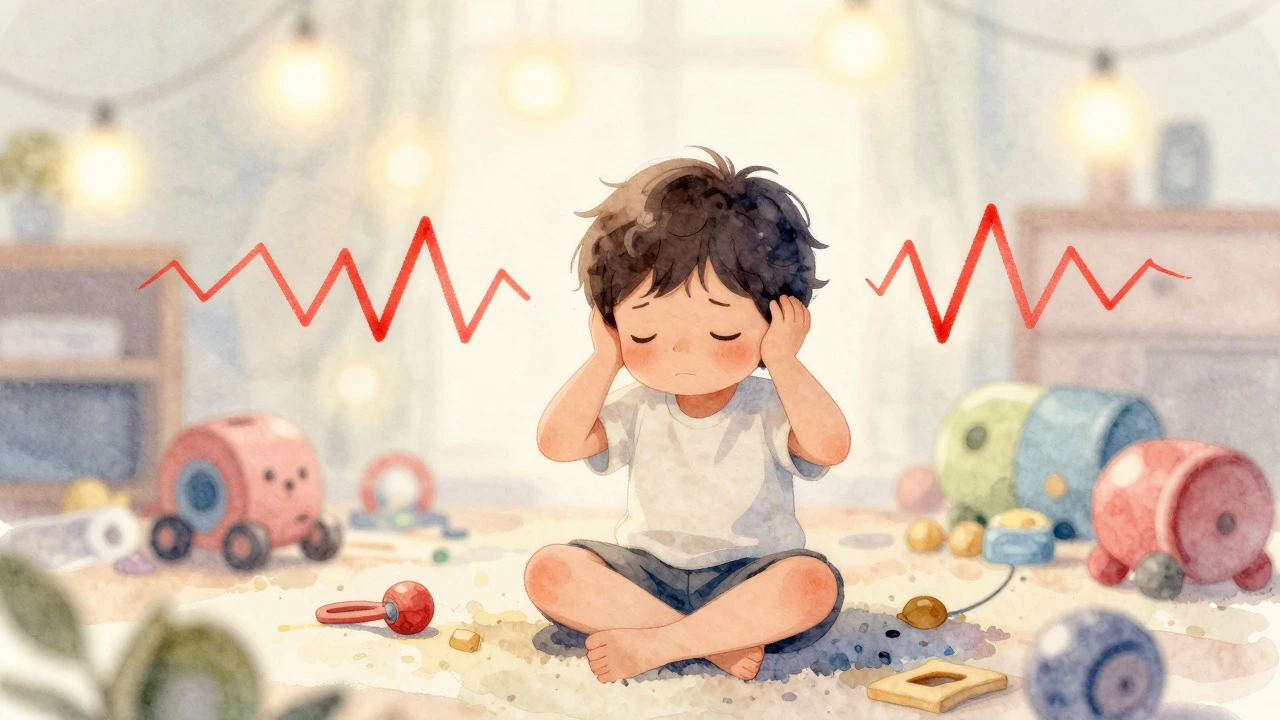
It starts with a hum. Maybe it’s the vacuum cleaner, a crowded grocery store, or just the sudden silence of a room where expectations are too high. For many children, this moment marks the beginning of an anxiety spiral. Parents often look for a single villain-a specific event or person-to blame. But when you ask experts what the number one trigger for anxiety is, the answer isn’t a thing. It’s a feeling: overstimulation.
Overstimulation happens when a child’s nervous system receives more input than it can process. This could be visual clutter, loud noises, complex instructions, or even too much social interaction. When the brain is flooded, it defaults to survival mode. The result is tantrums, shutdowns, or clinginess. Understanding this core trigger changes everything about how we parent and how we choose the tools-like toys-that help our kids cope.
The Science Behind the Meltdown
To understand why overstimulation is such a potent trigger, we have to look at how a child’s brain works. The prefrontal cortex, the part responsible for logic and emotional regulation, is still under construction until their mid-twenties. Meanwhile, the amygdala, the alarm bell, is fully operational and highly sensitive.
When a child faces too much sensory input, the amygdala hijacks the brain. It doesn’t matter if the threat is a roaring lion or a brightly lit toy aisle with hundreds of choices. To the anxious child, both signal danger. This biological reality means that managing anxiety isn’t about “toughening up.” It’s about creating environments that respect their neurological limits.
Research in developmental psychology shows that children with lower thresholds for sensory processing are significantly more prone to anxiety disorders later in life. This makes early intervention through environmental management crucial. You aren’t coddling them by reducing noise; you’re building neural pathways for calmness.
Identifying the Signs of Sensory Overload
Before you can mitigate the trigger, you need to spot it. Anxiety in young children rarely looks like adult worry. They don’t usually sit on the couch and ruminate about finances. Instead, they exhibit physical and behavioral signs that indicate their cup is overflowing.
- Covering ears or eyes: A direct attempt to block out auditory or visual stimuli.
- Picking at skin or clothes: Repetitive movements (stimming) used to self-soothe.
- Sudden irritability: Snapping at siblings or parents over minor issues.
- Regression: Returning to bedwetting or baby talk after mastering these skills.
- Physical complaints: Stomachaches or headaches with no medical cause.
If you notice these behaviors, pause. Ask yourself: Is the room too bright? Are there too many people? Did we rush from one activity to another without a break? Recognizing these patterns allows you to intervene before the anxiety peaks.
Why Traditional Comfort Often Fails
When a child is overwhelmed, our instinct is to talk them down. We say things like, "You're fine," or "There's nothing to be scared of." While well-intentioned, this approach often backfires. Why? Because you are engaging the logical part of their brain, which is currently offline.
Telling an anxious child to "calm down" is like telling someone running from a fire to walk slowly. Their body is in fight-or-flight mode. Words are just more noise-more input to process. Instead of verbal reasoning, children need sensory regulation. They need tactile, visual, or proprioceptive input that signals safety to the nervous system directly.
This is where the role of play shifts. Play isn't just entertainment; it's a regulatory tool. The right activities can lower cortisol levels and increase oxytocin, helping the brain return to a state where learning and connection are possible again.
Educational Toys as Regulatory Tools
This brings us to the intersection of anxiety and educational toys. Not all toys are created equal when it comes to mental health. High-stimulation toys-those with flashing lights, loud sounds, and fast-moving parts-can exacerbate anxiety by adding to the sensory load. Conversely, low-stimulation, open-ended toys provide a safe harbor for the overactive mind.
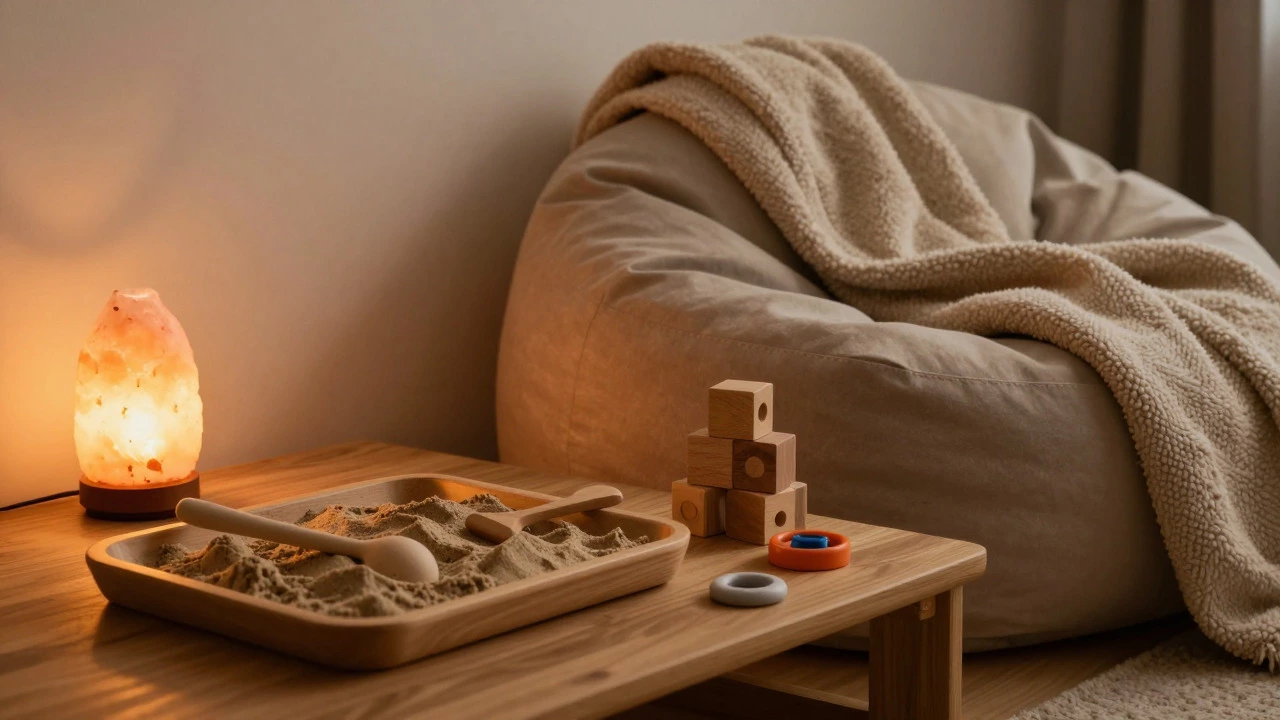
Kinetic Sand is a sensory material that flows like sand but holds its shape, providing deep pressure input. Also known as Molding Sand, it has become a staple in occupational therapy settings. The resistance it offers helps ground children, giving them a tangible way to release tension without making a mess or causing chaos.Other categories of toys serve similar purposes:
- Fidget Tools: Simple objects like stress balls or textured rings allow children to channel nervous energy into repetitive motion, keeping their hands busy while their minds settle.
- Building Blocks: Wooden blocks require focus and precision. The act of stacking and balancing forces the child to concentrate on the present moment, effectively breaking the cycle of anxious thoughts.
- Dollhouses and Figures: These enable narrative play. Children often reenact stressful scenarios with dolls, allowing them to process emotions safely from a distance. This is a form of cognitive-behavioral play therapy.
- Puzzles: Completing a puzzle provides a clear goal and a sense of accomplishment. The predictability of the pieces fitting together creates a comforting routine.
The key is simplicity. The best anti-anxiety toys are those that invite slow, deliberate engagement rather than rapid, reactive stimulation.
Creating a Calm Corner at Home
You don’t need a therapist’s office to help your child manage anxiety. You can create a "Calm Corner" in your home using simple educational toys and sensory tools. This space should be distinct from a timeout area. It’s not a punishment; it’s a refuge.
Here’s how to set it up:
- Lighting: Use dimmable lamps or soft-colored bulbs. Harsh overhead lighting is a major sensory trigger.
- Sound: Keep it quiet. You might add a small white noise machine or a playlist of nature sounds if silence feels too heavy.
- Tactile Elements: Include weighted blankets, soft pillows, or stuffed animals. Deep pressure touch is scientifically proven to reduce heart rate and anxiety.
- Regulatory Toys: Place a basket of fidgets, kinetic sand, or coloring books here. Let your child choose what they need.
Teach your child to use this space proactively. Say, "I see you’re feeling wiggly. Do you want to go to your calm corner for five minutes?" This empowers them to take control of their emotional state before it spirals.
The Role of Routine and Predictability
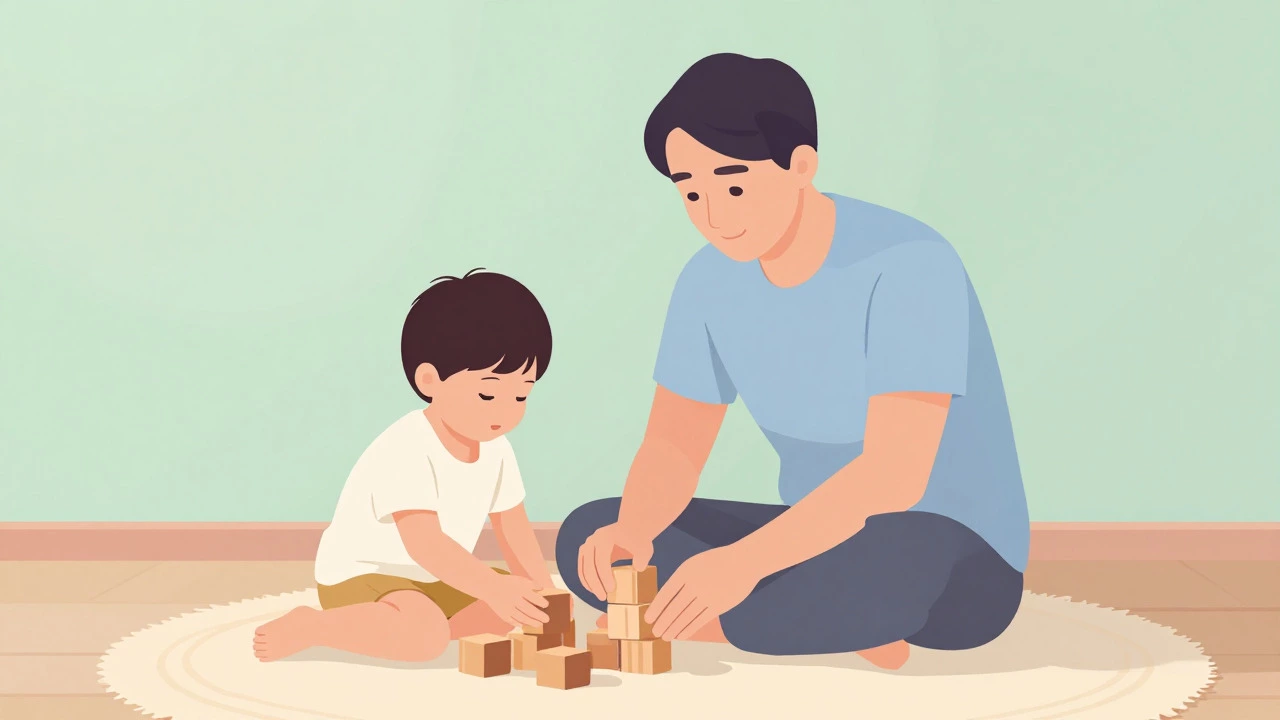
Anxiety thrives in uncertainty. One of the most effective ways to counter the trigger of overstimulation is through predictable routines. Educational toys fit perfectly into this framework. If your child knows that after dinner comes "quiet play time" with blocks, they can mentally prepare for the transition.
Visual schedules can help here. Using pictures to map out the day reduces the cognitive load of remembering what comes next. When combined with calming toys, this structure creates a buffer against the chaos of daily life. The toy becomes a anchor in a sea of unpredictability.
| Toy Type | Sensory Impact | Best For | Anxiety Risk |
|---|---|---|---|
| Kinetic Sand | Deep Pressure, Tactile | Grounding, Stress Relief | Low |
| Electronic Learning Tablets | High Visual/Auditory | Academic Skills | High (Can cause overload) |
| Wooden Building Blocks | Low, Focus-Driven | Mindfulness, Patience | Low |
| Rocket Ships/Loud Cars | High Auditory/Motion | Gross Motor Skills | Medium-High |
| Fidget Spinners/Cubes | Tactile/Kinesthetic | Focus, Nervous Energy | Low |
Notice the pattern? The toys that demand less from the senses are the ones that give back the most in terms of emotional regulation. Electronic devices, while educational, often contribute to the very problem we’re trying to solve. Balance is key.
When to Seek Professional Help
While toys and routines are powerful tools, they are not a cure-all. If your child’s anxiety interferes with sleep, eating, school performance, or social relationships, it’s time to consult a professional. Look for a pediatrician or a child psychologist who specializes in anxiety disorders.
Early intervention is critical. Cognitive Behavioral Therapy (CBT) for children often incorporates play therapy, using the very principles we’ve discussed. A therapist can help tailor strategies to your child’s specific triggers and strengths. Remember, seeking help is a sign of strength, not failure. You are advocating for your child’s long-term well-being.
Practical Tips for Parents
Managing a child’s anxiety is a marathon, not a sprint. Here are some actionable steps you can take today:
- Audit Your Environment: Walk through your home. Is it cluttered? Is it noisy? Simplify. Put away toys that aren’t being used. Create zones of calm.
- Model Calmness: Children mirror their parents. If you react to stress with panic, they will too. Practice deep breathing yourself. Narrate your calm: "I’m taking a deep breath because I feel rushed."
- Limit Screen Time Before Bed: Blue light and rapid content changes disrupt sleep and heighten anxiety. Replace screens with quiet reading or puzzle-solving.
- Validate Feelings: Instead of dismissing fears, acknowledge them. "It makes sense that you’re worried about the loud thunder. Let’s go to your calm corner."
- Choose Quality Over Quantity: Fewer, higher-quality educational toys that encourage slow play are better than dozens of flashy, distracting items.
By understanding that overstimulation is the primary trigger, you shift the focus from fixing the child to adjusting the environment. This perspective is empowering. It means you have agency. You can curate a world that supports your child’s developing brain, using simple tools like educational toys to build resilience, one calm moment at a time.
What is the most common trigger for anxiety in children?
The most common trigger is overstimulation, which occurs when a child’s nervous system is overwhelmed by sensory input such as loud noises, bright lights, or complex social situations. This leads to a fight-or-flight response.
How can educational toys help reduce anxiety?
Educational toys like kinetic sand, building blocks, and puzzles provide sensory regulation and focus. They help ground the child, lower cortisol levels, and offer a predictable, controllable activity that counters chaotic feelings.
Are electronic toys bad for anxious children?
Not necessarily bad, but they can be risky. High-stimulation electronic toys with flashing lights and loud sounds may contribute to sensory overload. It’s best to balance screen time with low-stimulation, tactile play.
What is a "Calm Corner" and how do I set one up?
A Calm Corner is a designated quiet space in your home equipped with soothing items like weighted blankets, dim lighting, and regulatory toys. It serves as a safe haven for children to self-regulate when feeling overwhelmed.
When should I seek professional help for my child's anxiety?
Seek help if anxiety disrupts daily functioning, such as sleep, eating, school attendance, or social interactions. Early intervention with a child psychologist can prevent long-term issues.
Does routine help with child anxiety?
Yes, routine provides predictability, which reduces uncertainty. Knowing what comes next helps children feel safer and less anxious about unexpected changes or demands.
What are signs of sensory overload in kids?
Signs include covering ears/eyes, picking at skin, sudden irritability, regression in skills, and unexplained physical complaints like stomachaches. These indicate the child is struggling to process environmental input.
How does play therapy work for anxiety?
Play therapy uses toys and imaginative play to help children express and process emotions they can’t yet verbalize. It allows them to reenact stressful scenarios in a safe, controlled environment.