What to Feed Baby if No Breast Milk or Formula?
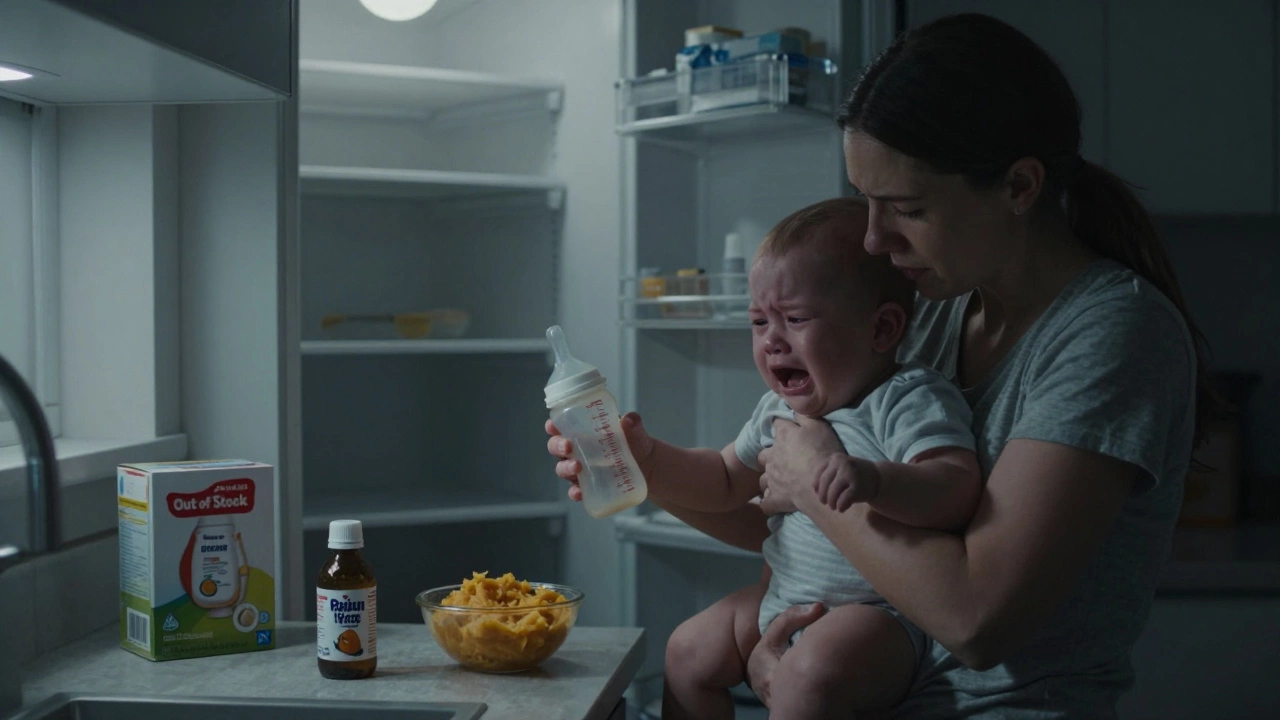
If you’re out of formula and can’t breastfeed, you’re not alone. Many parents face this situation suddenly-maybe the store ran out, the shipment got delayed, or medical reasons made formula unsafe. The good news? There are safe, short-term options to keep your baby nourished until you can get proper formula or breast milk again. But it’s not about guessing or using what’s in your pantry. Feeding a baby under 12 months without breast milk or formula requires careful choices. One wrong move can lead to serious health issues.
Never Give Cow’s Milk Before Age One
You’ve probably heard someone say, “Just give them whole milk.” That’s dangerous advice. Cow’s milk lacks iron, vitamin E, and essential fatty acids babies need. It also has too much protein and minerals, which can strain their immature kidneys. Studies from the American Academy of Pediatrics show that giving cow’s milk before 12 months increases the risk of iron-deficiency anemia and gastrointestinal bleeding. Even if your baby is 10 months old, it’s not safe to use as a primary drink.Emergency Options: Electrolyte Solutions and Water
If you’re in a true emergency-no formula, no breast milk, no way to get more for 12-24 hours-your best temporary option is an oral rehydration solution (ORS). These are designed for infants with diarrhea or dehydration and can be found at any pharmacy. Brands like Pedialyte or store-brand equivalents are safe for short-term use. They provide water, sodium, potassium, and glucose to keep your baby hydrated and maintain electrolyte balance.Do not give plain water alone. Babies under six months don’t need extra water, and giving it can cause water intoxication, which lowers sodium levels dangerously. For babies over six months, small sips of water are okay, but it won’t replace calories or nutrients. ORS is the only safe liquid substitute for more than a few hours.
Homemade Baby Food? Only After Six Months
If your baby is six months or older and already eating solids, you can use pureed foods as a temporary supplement-but not as a full replacement. Think of it like a snack, not a meal. Good options include:- Well-cooked and blended lentils or beans (no salt)
- Steamed and mashed sweet potato or squash
- Plain oatmeal made with water (not milk)
- Avocado mashed with a fork
- Apple or pear puree (no added sugar)
These foods give some calories and vitamins, but they’re not balanced. A 6-month-old needs about 600-800 calories per day. Breast milk or formula provides 20-25 calories per ounce. A tablespoon of mashed sweet potato has about 15 calories. You’d need to feed your baby over 40 tablespoons a day to match formula-impossible and unsafe.
What About Goat’s Milk or Plant-Based Milks?
Goat’s milk isn’t safer than cow’s milk for babies. It’s low in folate and B12, and high in sodium and protein. Homemade goat’s milk formulas are not recommended by any pediatric association. Plant-based milks-almond, oat, soy, rice-are even worse. They’re mostly water and sugar. Soy milk has more protein, but unless it’s fortified and specifically labeled for infants, it’s still not nutritionally complete. The American Academy of Pediatrics says plant-based milks should not be used as a primary drink before age two, and even then, only fortified soy milk is acceptable.
What If You’re in a Remote Area or Traveling?
If you’re on a trip and formula runs out, here’s what to do:- Call your pediatrician or local hospital. Many have emergency formula on hand or can connect you to a nearby pharmacy.
- Visit a Walmart, Target, or pharmacy in the next town. Most carry major brands even in small locations.
- If you’re in Canada, call HealthLink BC (8-1-1) or your provincial health line. They often help parents with formula shortages.
- Check local food banks. Many now stock infant formula, especially in urban centers like Vancouver, Toronto, or Calgary.
- Use the Feeding America or WIC (if eligible) locator tools online to find nearby resources.
In rural areas or during natural disasters, community centers, churches, and Red Cross stations often keep emergency baby supplies. Don’t be embarrassed to ask. This happens more than you think.
Don’t Try to Make Homemade Formula
You’ll find recipes online for “homemade baby formula” using ingredients like evaporated milk, corn syrup, and vitamins. These are not safe. The CDC and WHO have issued warnings about homemade formulas since the 1980s. They can cause severe electrolyte imbalances, infections, and even death. In 2022, a baby in Ohio died after being fed a homemade formula recipe found on social media. No recipe made in a kitchen can match the precise nutrient balance of commercial formula. Even small errors in mixing can be fatal.What About Donated Breast Milk?
If you have access to a milk bank, that’s the next best thing to your own milk. In Canada, milk banks in Vancouver, Toronto, Montreal, and Calgary screen donors, pasteurize milk, and test for contaminants. It’s not free, but many hospitals provide it at low cost or for free to families in need. You can’t just take milk from a friend. Raw breast milk can carry viruses like HIV, hepatitis, or bacteria. Only use milk from a certified milk bank.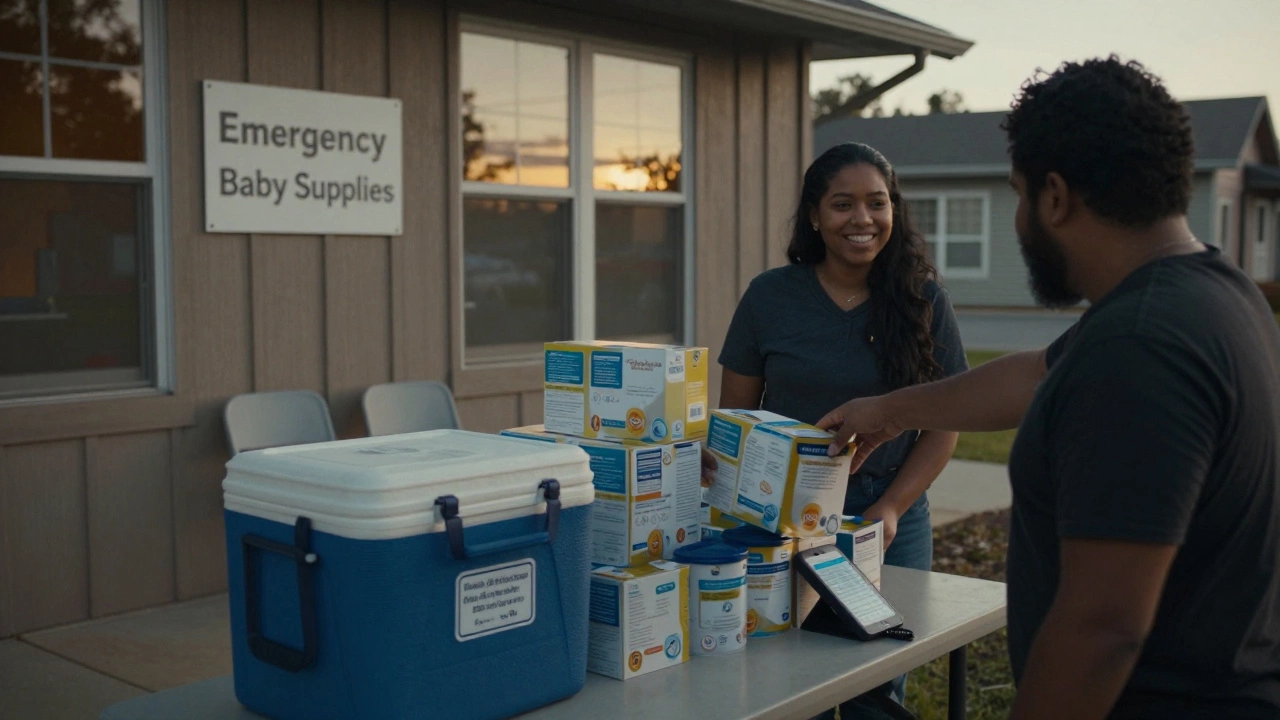
When to Go to the Hospital
Call your doctor or go to urgent care if your baby shows any of these signs:- Less than 3 wet diapers in 24 hours
- Sunken eyes or soft spot
- Extreme fussiness or lethargy
- Refusing to eat for more than 12 hours
- Blue lips or skin
These are signs of dehydration or malnutrition. Don’t wait. Even a few hours without proper nutrition can hurt a baby’s brain development.
Preventing This Situation
The best way to avoid a crisis is to plan ahead:- Keep at least a 10-day supply of formula on hand.
- Buy formula in bulk when it’s on sale-but check expiration dates.
- Sign up for formula delivery programs like Amazon Subscribe & Save or your pharmacy’s auto-ship.
- Know where your nearest WIC office or milk bank is.
- Keep a list of emergency contacts: pediatrician, pharmacy, local food bank.
Most formula brands have customer service lines that can send emergency supplies overnight. Call them. They’re used to helping families in need.
Final Reminder: This Is Temporary
None of these options are long-term solutions. Breast milk or commercial infant formula is the only complete nutrition for babies under 12 months. Everything else is a bridge. If you’re struggling to afford formula, you’re not failing. You’re a parent trying to do the right thing. Reach out. There are people who want to help. You don’t have to figure this out alone.Can I give my baby water instead of formula?
No, water alone doesn’t provide calories, protein, or essential nutrients. Giving water to babies under six months can cause dangerous electrolyte imbalances. For babies over six months, small sips are okay, but water should never replace formula or breast milk.
Is homemade baby formula safe?
No. Homemade formulas made with cow’s milk, honey, or other ingredients are not safe and can cause serious illness or death. Commercial formula is scientifically designed to meet a baby’s exact nutritional needs. No kitchen recipe can replicate that.
Can I use goat’s milk for my baby?
No. Goat’s milk lacks folate and vitamin B12, and has too much protein and sodium for babies under one year. It’s not a safe substitute for breast milk or formula.
What if I can’t afford formula?
Many organizations help. In Canada, contact your local public health unit, WIC (if eligible), or food banks-they often have infant formula available. Formula manufacturers also offer free samples or financial aid programs. Call their customer service lines-they’re there to help.
Can I use soy milk as a substitute?
Only if it’s fortified soy milk intended for toddlers over age one. Even then, it’s not a replacement for infant formula. Regular soy milk lacks the right balance of fats, iron, and calories babies need. Never use plant-based milks as a primary drink before age two.
How long can a baby go without feeding?
Newborns should not go more than 4-5 hours without feeding. Infants under six months should not go more than 6 hours without a feed. Going longer than that risks dehydration, low blood sugar, and developmental harm. If you can’t feed your baby, seek help immediately.