When to Move a Toddler to Their Own Bed: The Right Age and Signs
Toddler Bed Readiness Calculator
Readiness Checklist
Check the boxes that apply to your child's current situation.
Safety & Physical Ability
Emotional Maturity
Timing Factors
Readiness Score
Waiting for Input...
Select options above to see if your child is ready for a bed transition.
There is no single magic number that tells you exactly when your child is ready for a big kid bed. If you are looking for a specific date on the calendar, you might be disappointed. The truth is, the transition from a crib is a high-sided sleeping enclosure designed for infants and toddlers who cannot yet climb out safely to a standalone bed depends entirely on your child’s physical abilities, emotional maturity, and your family’s specific needs.
However, most parents find themselves making this move between the ages of 18 months and 3 years. The average age hovers around 2 to 2.5 years old. But averages can be misleading. Some children are climbing out at 14 months, forcing an early hand, while others happily stay in their cribs until they turn four. The goal isn't just to get them into a new piece of furniture; it's to ensure they sleep safely and soundly through the night without wandering off or falling out.
The Safety Red Flags: When You Must Move Them Now
Safety should always be the primary driver for this decision. There are two major physical milestones that signal it is time to stop using a crib immediately, regardless of whether your child seems emotionally ready.
The first is climbing out. If your toddler has figured out how to hoist themselves over the rail of the crib, the risk of injury becomes significant. A fall from a standard crib height (about 30 inches) can result in head injuries or broken bones. Once they start practicing this escape artist routine, you have no choice but to lower the mattress to the absolute lowest setting or move them to a floor bed or toddler bed right away.
The second red flag is size. Most cribs have a weight limit, usually around 35 to 50 pounds, and a height limit. If your child is taller than 35 inches, their knees likely hit the top of the mattress when they stand up, which makes climbing easier and increases the risk of tipping the crib if they lean against the bars. Check the manual of your specific crib model for these limits. If they are approaching or exceeding them, the crib is no longer a safe containment unit.
Emotional Readiness vs. Physical Ability
Just because your child *can* climb out doesn't mean they *should* be in a bed yet if they aren't emotionally prepared. Moving to a bed removes the physical barrier that keeps them in place during the night. This is where many parents struggle with sleep regression.
Look for signs of emotional readiness. Is your child potty training? Many experts recommend waiting until after potty training is well-established before moving to a bed. If they wake up at night needing to use the toilet, a bed allows them to do so independently. However, if they are not yet potty trained, a bed means they might wet the sheets, or worse, wander the house at night looking for a bathroom they don't know how to find.
Also consider their understanding of boundaries. Can they follow simple instructions like "stay in your room"? If your toddler is a free spirit who roams the house freely during the day, they will likely do the same at night once the crib rails are gone. In this case, keeping them in a crib longer-or using a floor bed in a secure room-might be safer than jumping straight to a raised toddler bed.
Life Changes That Make Timing Critical
The timing of the bed transition often intersects with other major life events. One of the most common reasons parents rush this process is the arrival of a new sibling. It is tempting to think, "I need to clear the crib for the baby, so I'll move the toddler now."
However, pediatricians generally advise against making two huge changes at once. A newborn brings noise, disruption, and a shift in parental attention. Adding a new sleeping arrangement on top of that can cause anxiety and sleep problems for the older child. Ideally, wait at least one to three months after the new baby arrives before transitioning the toddler. This gives the older child time to adjust to the new family dynamic. If you must move them sooner, make sure to frame the bed as a reward for being a "big brother" or "big sister," rather than a punishment for having to share space.
Other stressful events, like starting preschool, moving houses, or a parent returning to work, can also destabilize a child's sense of security. Try to avoid the bed transition during these periods if possible. Stability in sleep routines helps children cope with change elsewhere in their lives.
Choosing the Right Type of Bed
Once you decide it's time, you have options. The type of bed you choose affects both safety and ease of transition.
| Bed Type | Best For | Safety Level | Longevity |
|---|---|---|---|
| Toddler Bed | Children aged 1.5-3 years who need guardrails | High (low to ground, side rails) | Short (outgrown by age 4-5) |
| Floor Bed (Montessori) | Independent movers, families valuing freedom | Very High (no fall risk) | Medium (until they need structure) |
| Twin/Full Size Bed | Older toddlers (3+), large children | Low (fall risk, climbing hazard) | Long (lasts through childhood) |
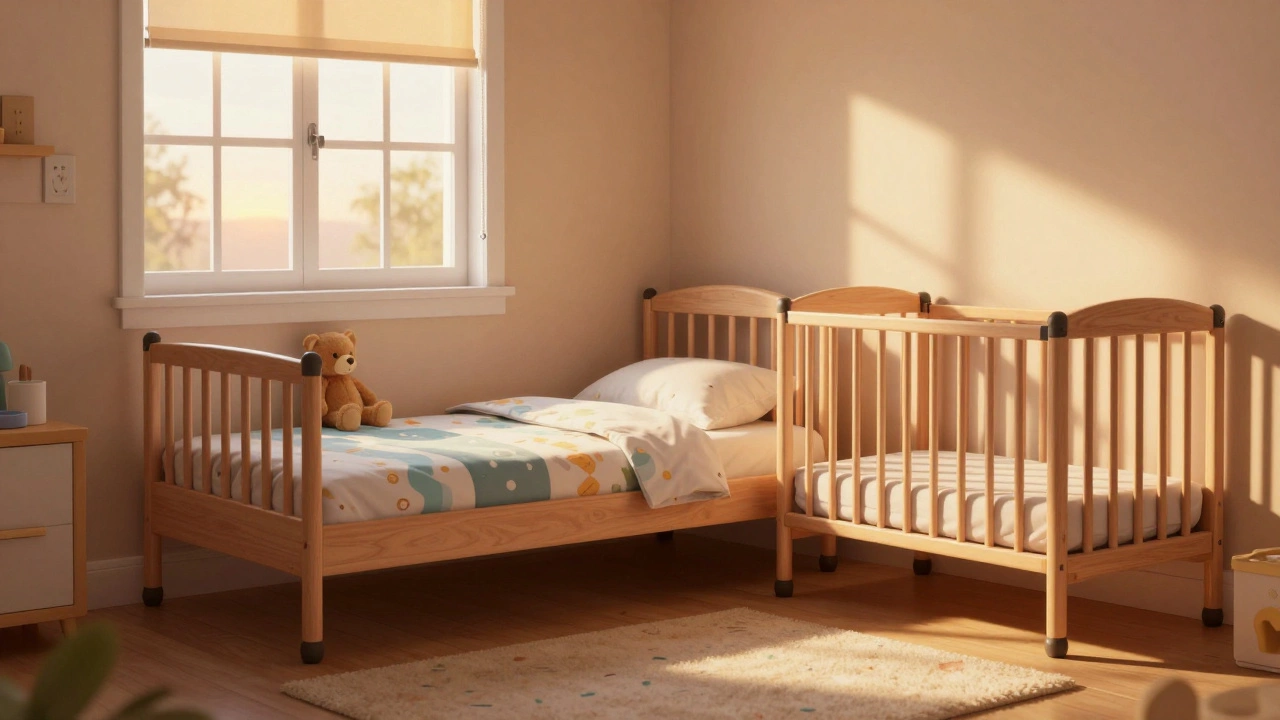
A traditional toddler bed is a low-profile bed frame designed to fit a standard crib mattress, often featuring low side rails to prevent rolling out is the most popular choice. It looks familiar because it uses the same mattress the child has slept on for years. The low profile minimizes injury risk if they do roll out, and the side rails provide a psychological boundary. These beds are affordable and easy to set up, but they are short-lived. Your child will likely outgrow them within a year or two.
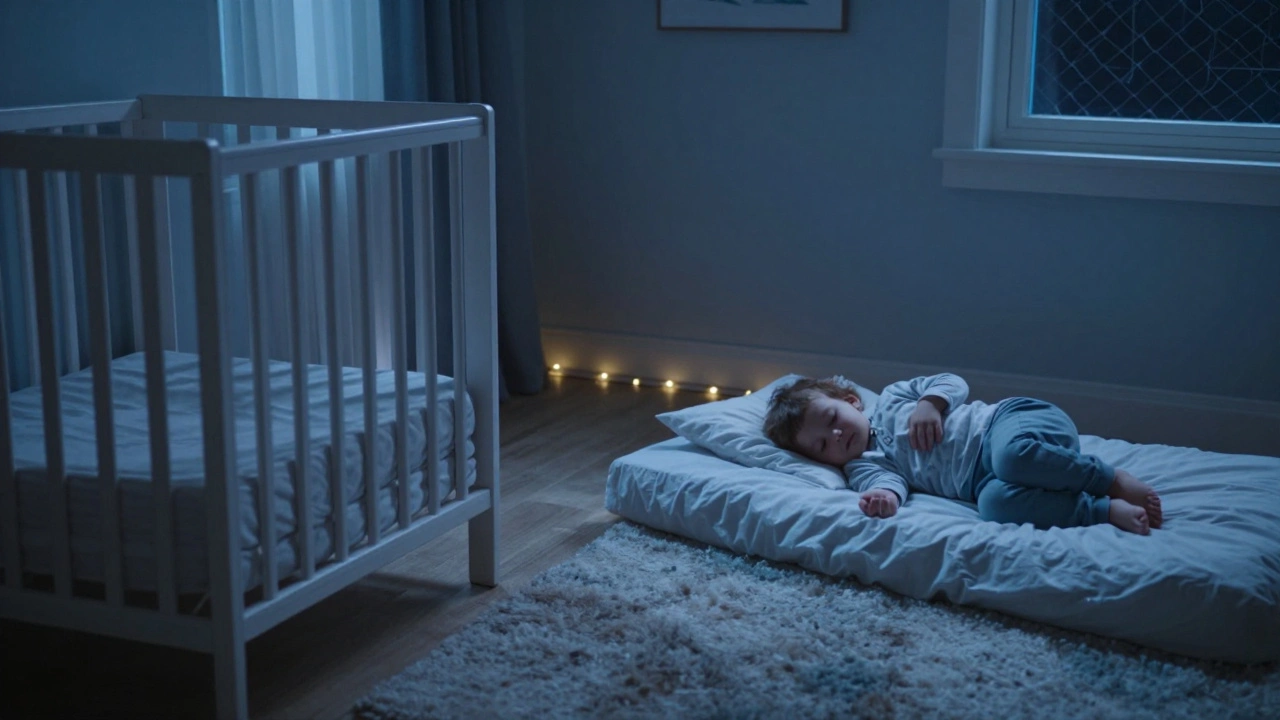
If you are following a Montessori approach, a floor bed might be your preference. This involves placing a twin mattress directly on the floor, often in the child's own room. It eliminates fall risk entirely and encourages independence. However, it requires a very secure environment. Every outlet, sharp corner, and accessible drawer must be child-proofed meticulously, as your child will have unrestricted access to the entire room at 3 AM.
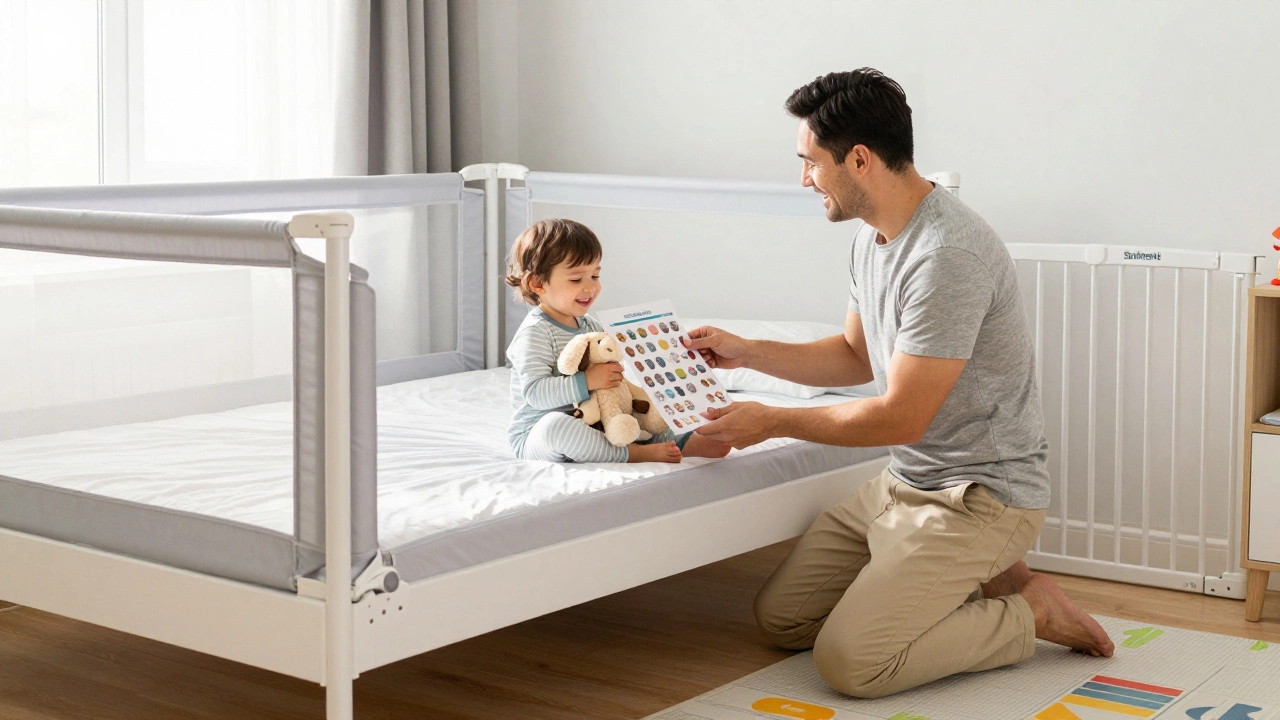
Skipping straight to a twin-sized bed is an option for some families, especially if the toddler is large or if you want to save money on intermediate furniture. But this comes with higher risks. A twin bed is significantly higher off the ground. You will need to invest in sturdy guardrails and possibly a gate at the foot of the bed to prevent falls. It is also harder for a small child to climb in and out of independently, which can lead to frustration.
How to Make the Transition Smooth
Preparation is key to avoiding nights of crying and wandering. Start by involving your child in the process. Let them help pick out the sheets or a special pillow. Talk about the new bed positively. Read books about growing up and getting a big bed. This builds excitement rather than fear.
During the day, let them play in the new bed. Have them sit on it, read books on it, and even take naps there. This helps them associate the new furniture with comfort and fun, not just nighttime confinement.
On the first night, keep the bedtime routine exactly the same. Same bath, same pajamas, same story. The consistency of the routine provides a anchor of security amidst the change in environment. Place familiar comfort items, like a stuffed animal or lovey, in the new bed. If your child was used to a specific sleep sack, continue using it if it fits the new bed setup.
Expect some setbacks. Even if the first few nights go well, your child might wake up and cry, or try to climb back into the crib if it's still in the room. Stay calm and consistent. Gently guide them back to the new bed. Reassure them that they are safe. It can take anywhere from a few days to a few weeks for the new habit to stick.
Safety Proofing the New Sleeping Space
Once the bed is in place, the room itself becomes the perimeter. You must re-evaluate your child-proofing strategy. Windows need secure locks that are out of reach. Heavy furniture like dressers must be anchored to the wall to prevent tipping if your child climbs on them. Cords from blinds or curtains should be tied up and out of reach to prevent strangulation hazards.
Consider the layout of the room. Keep the bed away from windows, heaters, and hanging lights. If you use a floor bed, ensure the floor is carpeted or has rugs to cushion any accidental tumbles. For raised beds, check that guardrails are securely attached and meet safety standards (the gap between slats should be less than 2.5 inches to prevent head entrapment).
If your child tends to wander, a door alarm or a baby gate at the bedroom door can provide peace of mind. This allows them to sleep in their own space while ensuring you know immediately if they leave the room.
What If They Refuse?
Some children resist the change fiercely. They may cling to the crib, fearing the loss of their "safe zone." In these cases, patience is crucial. Do not force the issue. If they are not climbing out and are not too big for the crib, there is no harm in waiting another month or two.
If you must move them due to a new baby, try a gradual approach. Lower the crib mattress to the bottom and remove one side rail if possible, turning the crib into a half-bed temporarily. Or, place the new bed next to the crib so they can see it and touch it, slowly encouraging them to sleep there. Positive reinforcement, like a sticker chart for staying in the big bed all night, can also motivate reluctant toddlers.
Is it okay to keep a toddler in a crib until age 4?
Yes, absolutely. As long as your child is not climbing out and fits within the weight and height limits of the crib, there is no developmental reason to rush the transition. Some children feel more secure in the enclosed space of a crib and sleep better. Forcing a move too early can lead to sleep regressions and anxiety. Wait until they show signs of readiness or physical necessity.
Should I move my toddler to a bed before the new baby arrives?
It is generally recommended to wait at least one to three months after the new baby is born. Making two major changes simultaneously-a new sibling and a new sleeping arrangement-can overwhelm a toddler. If you must move them earlier, ensure you give them extra attention and frame the new bed as a privilege of being a big sibling, not a consequence of the baby's arrival.
What is the safest bed for a toddler who climbs out of the crib?
A low-profile toddler bed with side rails or a Montessori-style floor bed is the safest option. These beds minimize the distance to the ground, reducing injury risk from falls. Avoid raised twin beds initially, as they present a higher fall hazard. Ensure any bed chosen has secure guardrails and meets current safety standards for slat spacing and stability.
Can I use a conversion kit for my existing crib?
Many modern cribs come with conversion kits that allow you to remove one long side rail and add a toddler guardrail, effectively turning the crib into a toddler bed. This is a cost-effective and smooth transition since the child keeps their familiar mattress and frame. Check your crib's manual to see if a conversion kit is available and compatible with your model.
How do I stop my toddler from wandering out of their room at night?
Consistency is key. Calmly and quietly return your child to their bed every time they get up, with minimal interaction or conversation. Use visual cues like a nightlight path to the bathroom if potty training is involved. Consider using a door chime or baby monitor to alert you when they leave the room. Over time, they will learn that leaving the bed does not result in playtime or attention.