When to Start Using a Baby Monitor: A Guide by Age and Stage
Key Takeaways for New Parents
- Most parents start using monitors immediately upon arriving home from the hospital.
- The type of monitor you need shifts from audio to video as babies become mobile.
- Safety concerns change from breathing and feeding cues to preventing 'crib climbs' as they age.
- Standard usage typically lasts until age 2 or 3, depending on the child's independence.
The Newborn Phase: Day One and Beyond
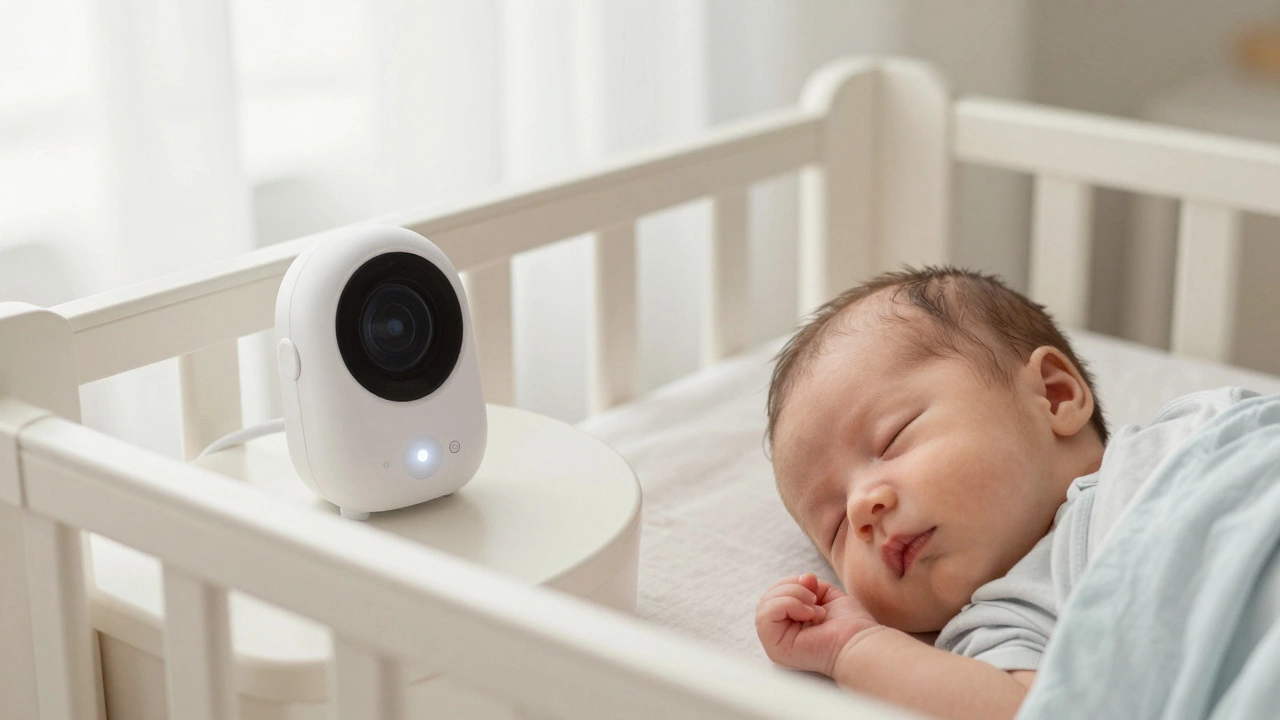
For many, the baby monitor age starts the second they walk through the front door with their newborn. In these early weeks, you aren't worried about your baby escaping the crib-they can't even roll over. Instead, you're monitoring for feeding cues, breathing patterns, and the dreaded "silent sleep."
At this stage, Audio Monitors is a device that transmits sound from the baby's room to a parent unit, allowing you to hear cries or fussing without being in the room. They are simple and effective. If you have a small home, a basic audio unit is often enough. However, if you're anxious about SIDS or have a high-risk pregnancy, you might opt for Smart Monitors, which use sensors to track heart rate and chest movement. For example, a parent might use a wearable sensor to get an alert on their phone if the baby's breathing slows down during a deep nap.
The Transition to Video: 3 to 6 Months
As your baby hits the 3-to-6-month mark, they become more alert. They might start batting at their blankets or trying to push themselves up. This is where Video Baby Monitors become a game-changer. Unlike audio-only versions, these let you see exactly why the baby is crying. Are they just hungry, or did their pacifier fall out?
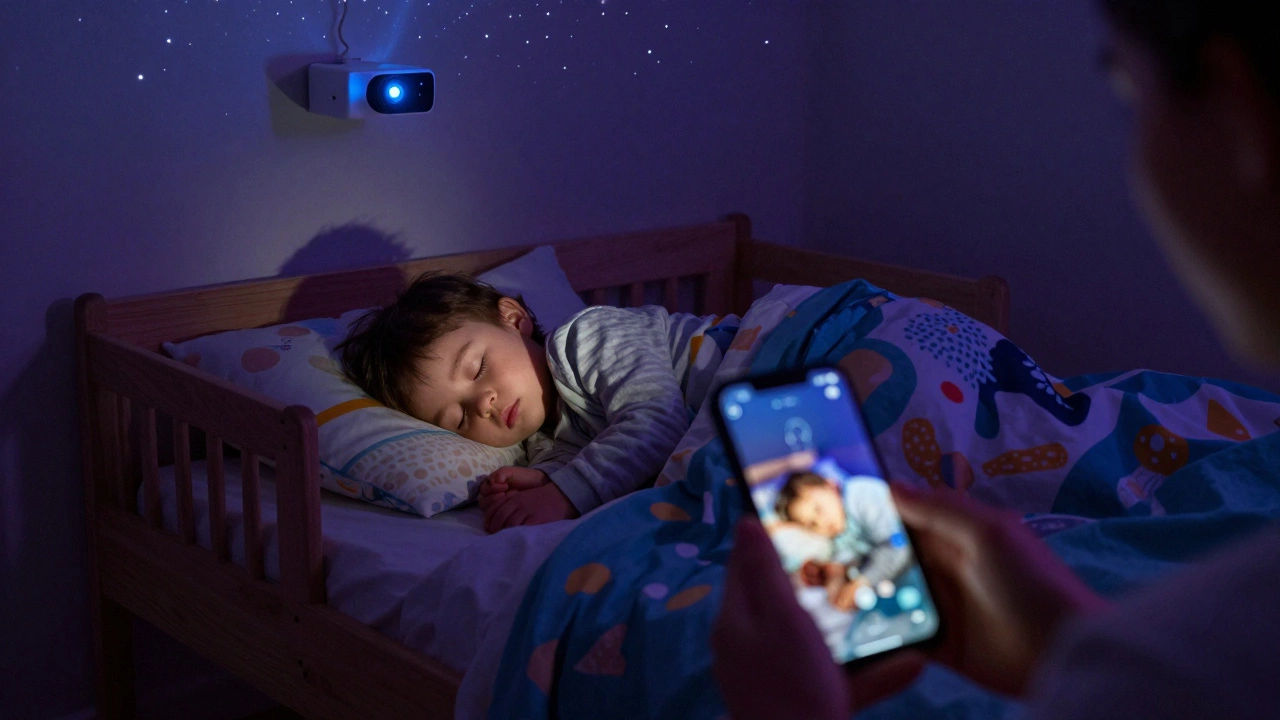
Seeing your baby helps you avoid rushing into the room and accidentally waking them up. Many parents find that a Wi-Fi Monitor allows them to check in from their phone while they're in the kitchen or garage. Just be careful with security; always use strong passwords and two-factor authentication to keep your nursery feed private. A common mistake is using a default password, which can leave your home network vulnerable to hacking.
The Danger Zone: 6 Months to 1 Year
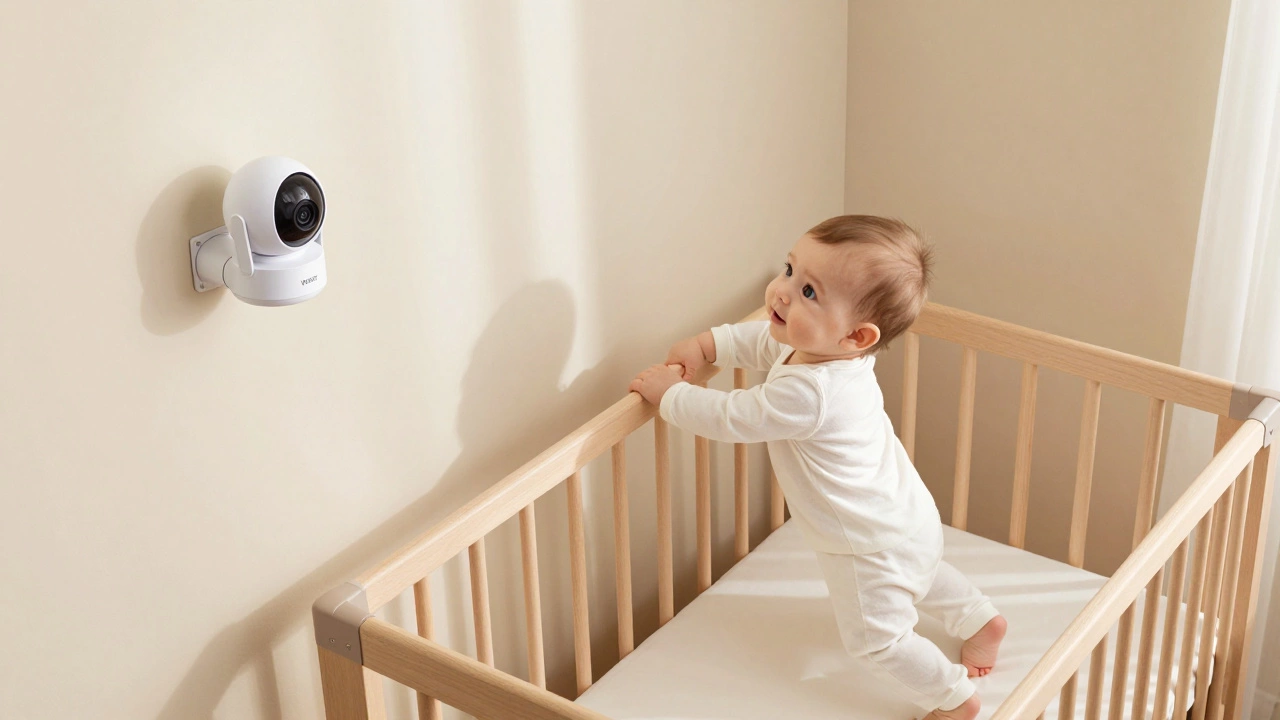
Once your baby starts crawling and pulling themselves up, the monitor's job changes from "are they okay?" to "what are they doing?" This is the most critical period for monitoring. Between 6 and 12 months, babies become miniature explorers. They might try to climb out of a bassinet or find a way to pull a heavy object into the crib.
During this phase, you need a clear line of sight. If you're using a camera, make sure it has a wide-angle lens. You don't want to be staring at a close-up of a diaper while your baby is actually attempting to scale the side of the crib. This is also the time when many parents switch to monitors with two-way talk, allowing you to soothe the baby with your voice for a few seconds before you actually enter the room.
The Toddler Years: 1 to 3 Years
Do you still need a monitor when your child is two? For many, the answer is yes, but for different reasons. Toddlers are notorious for "sleepwalking" or simply deciding that 3:00 AM is the perfect time to explore the living room.
If your child is in a Toddler Bed, they no longer have the walls of a crib to keep them contained. A monitor becomes a safety tool to ensure they haven't wandered off. You might find yourself checking the screen every ten minutes just to make sure they're still in bed. However, as they grow and start following boundaries, the need for constant surveillance drops. Most parents phase out the monitor once the child consistently stays in bed and can communicate their needs verbally.
Choosing the Right Tech for Your Stage
Not all monitors are created equal. Depending on your budget and your baby's age, you'll want to weigh the pros and cons of different systems. A simple audio monitor is great for newborns, but a high-definition camera is a must for a mobile toddler.
| Monitor Type | Best Age | Primary Purpose | Key Feature |
|---|---|---|---|
| Audio Only | 0-6 Months | Hearing cries | Low cost, long range |
| Video (Closed Loop) | 0-2 Years | Visual check | No internet needed, secure |
| Wi-Fi Smart Cam | 0-3 Years | Remote access | Phone integration, HD video |
| Wearable Sensor | 0-1 Year | Health tracking | Breathing/Heart rate alerts |
Common Pitfalls to Avoid
One of the biggest mistakes parents make is relying too heavily on the monitor. It's a tool, not a replacement for supervision. For instance, a monitor might show you that your baby is sleeping, but it won't tell you if the room is too hot or if there's a draft from a window.
Another issue is "monitor anxiety." Some parents find themselves staring at the screen every thirty seconds, which can actually increase stress and disrupt their own sleep. Set boundaries for yourself. Check the monitor when you hear a sound, but don't let it become a digital tether that prevents you from relaxing. Also, be mindful of where you place the camera. Avoid putting it too close to curtains or cords, as a curious toddler might pull them down, creating a strangulation hazard.
When is it Finally Time to Unplug?
There is no magic date, but there are a few signs that you can ditch the monitor. First, when your child can tell you they're okay or tell you why they're awake. Second, when they consistently stay in their bed throughout the night. Third, when the anxiety of *not* seeing them is replaced by the confidence that they are safe in their environment.
For some, this happens at 18 months; for others, it's 4 years old. If your child has a history of wandering or if your home is particularly large, keeping the monitor until they are preschool-age is a perfectly reasonable choice. The goal is peace of mind, and if the monitor provides that, there's no reason to rush the process.
Can I use a baby monitor for a newborn?
Yes, most parents start using them immediately. For newborns, audio monitors are often sufficient, but those who are concerned about breathing may prefer smart monitors with health-tracking sensors.
Is it safe to use Wi-Fi baby monitors?
They are generally safe as long as you take security precautions. Use a strong, unique password and enable two-factor authentication (2FA) to prevent unauthorized access to your camera feed.
At what age do children usually stop needing monitors?
Most children outgrow the need for a monitor between ages 2 and 3, once they are consistently sleeping through the night and no longer attempting to climb out of bed or wander the house.
Do I need a video monitor if I live in a small apartment?
It depends on your preference. If you can hear your baby clearly without a device, an audio monitor or no monitor at all may suffice. However, video is helpful for checking if a baby is awake without entering the room.
Are wearable monitors accurate?
Many wearable monitors provide helpful data on heart rate and movement, but they should be used as a supplement to, not a replacement for, safe sleep practices and adult supervision.