When to Stop Using a Bassinet Stroller: Signs, Safety Limits & Transition Guide
Bassinet Transition Readiness Checker
Baby's Details
Select any behaviors you have observed:
Assessment Result
Input your baby's weight, age, and milestones to receive a safety assessment.
There is nothing quite like the first few months of pushing your newborn around in a flat, cocoon-like bassinet stroller that allows them to sleep deeply while you walk. It feels magical. But magic has an expiration date. The moment you realize your baby can sit up, roll over, or simply outgrow the fabric pod, the question hits hard: when do I stop using this thing?
The short answer? Usually around four to six months. But relying on a calendar alone is risky. Babies develop at their own pace, and safety standards are strict for good reason. If you keep your child in a bassinet stroller past their developmental milestones, you risk suffocation, spinal strain, or even tipping hazards. Let’s break down exactly how to spot the signs, understand the weight limits, and make the switch without stress.
Understanding the Role of a Bassinet Stroller
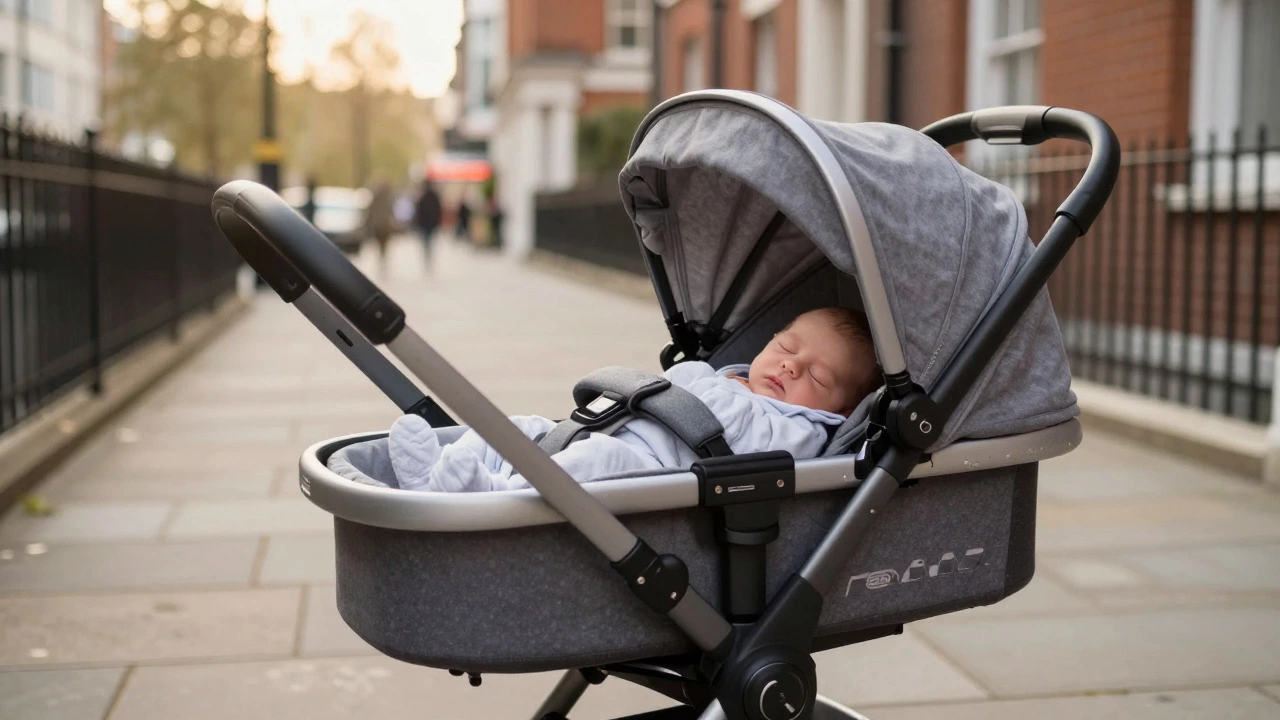
To know when to stop, you first need to understand why you started. A bassinet stroller attachment is designed specifically for newborns who have zero head control and need to lie completely flat. This position is critical for lung development and preventing flat-head syndrome (positional plagiocephaly). Unlike a standard stroller seat where a baby reclines but still has some curve, a bassinet provides a horizontal surface similar to a crib.
Most manufacturers design these bassinets with specific constraints. They are not permanent homes; they are transitional gear. For example, brands like Bugaboo or UPPAbaby often rate their bassinets for use from birth until the baby can sit unassisted or reaches a weight limit of roughly 15 to 20 pounds (7 to 9 kg). Exceeding these limits compromises the structural integrity of the frame and the safety of the harness systems.
The Three Critical Signs It’s Time to Switch
You don’t need a doctor’s note to know when your baby has outgrown the bassinet. Your baby will tell you, loudly and clearly. Watch for these three non-negotiable signals:
- Milestone Alert: Sitting Up. Once your baby can sit up with minimal support, the flat bassinet becomes unsafe. Their center of gravity shifts. In a sudden stop or bump, a sitting baby in a low-profile bassinet can tip forward, risking head injury. The deep sides of the bassinet, which were once cozy walls, become barriers that make it harder for you to check on them and harder for them to breathe if they slump forward.
- Milestone Alert: Rolling Over. This is the most dangerous sign. If your baby rolls onto their stomach inside the bassinet, the risk of Sudden Infant Death Syndrome (SIDS) increases significantly due to restricted airflow. Bassinet fabrics are often soft and plush-perfect for comfort, terrible for breathing if face-down. If they roll, they’re done with the bassinet.
- Growth Alert: Head Touching the Rim. Measure the space between your baby’s head and the top edge of the bassinet. If there isn’t at least two inches of clearance, their neck is being strained, and their vision is obstructed. More importantly, if they start pulling themselves up using the sides, the bassinet is no longer secure enough to hold them.
Weight Limits and Manufacturer Specs
Beyond physical cues, hard numbers matter. Every bassinet stroller comes with a maximum weight capacity printed on a label sewn into the fabric or listed in the manual. Ignoring this voids warranties and compromises safety.
| Stroller Type | Typical Max Weight | Typical Age Limit | Key Restriction |
|---|---|---|---|
| Premium Luxury (e.g., Bugaboo Fox) | 20 lbs (9 kg) | 4-6 months | Sitting independently |
| Standard Travel Systems | 15 lbs (7 kg) | 3-4 months | Rolling over or sitting |
| Lightweight Compact Models | 13 lbs (6 kg) | 2-3 months | Head touching rim |
Note that these are general averages. Always check your specific model. A heavier baby might hit the weight limit before they can sit, while a smaller baby might master rolling over well before hitting 15 pounds. In both cases, the milestone trumps the weight. If they roll, they go. Period.
Safety Risks of Keeping the Bassinet Too Long
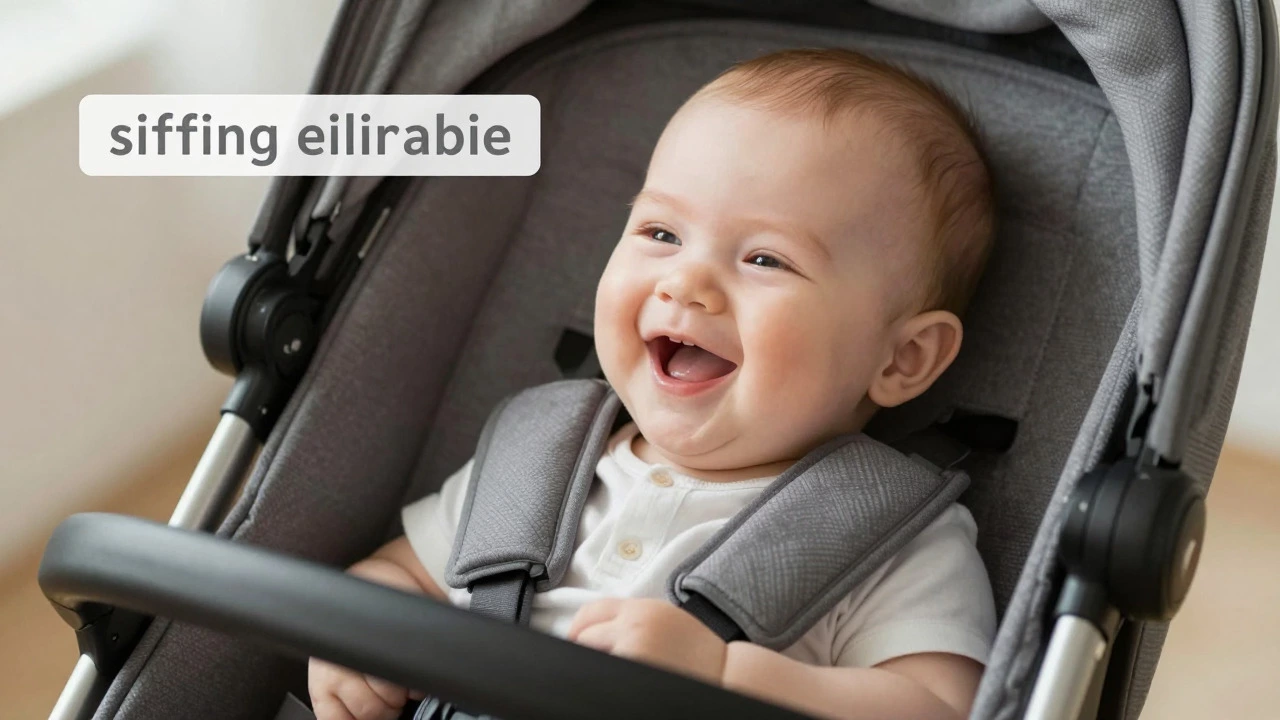
Why is the rush so important? Because physics changes as babies grow. A bassinet is low to the ground. This is great for stability with a tiny, fragile newborn. But as your baby gains muscle mass and mobility, that low profile becomes a liability.
Airflow Issues: Bassinets are designed to be enclosed for warmth and wind protection. As babies get bigger, they generate more body heat. Combined with thicker blankets (which you should avoid anyway), overheating becomes a real risk. Plus, older infants move more, potentially covering their faces with loose bedding or the bassinet’s own mesh curtains.
Harness Inadequacy: Many bassinet attachments rely on simple straps or no harnesses at all, assuming the baby is too small to climb out. Once a baby can push up or scoot, those gentle straps offer zero containment. They won’t stop a determined six-month-old from sliding out during a turn.
Spinal Development: While lying flat is good for newborns, prolonged flat positioning for an active infant can hinder core strength development. Babies need upright interaction to strengthen their neck and back muscles for crawling and walking. The bassinet isolates them; a stroller seat engages them.
Transitioning to a Standard Stroller Seat
So, you’ve decided it’s time. How do you make the switch smooth? Most parents feel guilty, thinking the baby will miss the "crib-on-wheels" comfort. Don’t worry. The transition is usually seamless if you prep correctly.
- Check the Recline Angle. New stroller seats often have multiple recline positions. Start with the flattest setting possible. This mimics the bassinet experience and helps your baby adjust gradually. You can slowly raise the angle over the next few weeks as they gain head control.
- Use Familiar Scents. Place a worn t-shirt of yours or a familiar lovey (if safe for their age) in the new stroller seat. The smell of home comforts them more than the shape of the bassinet does.
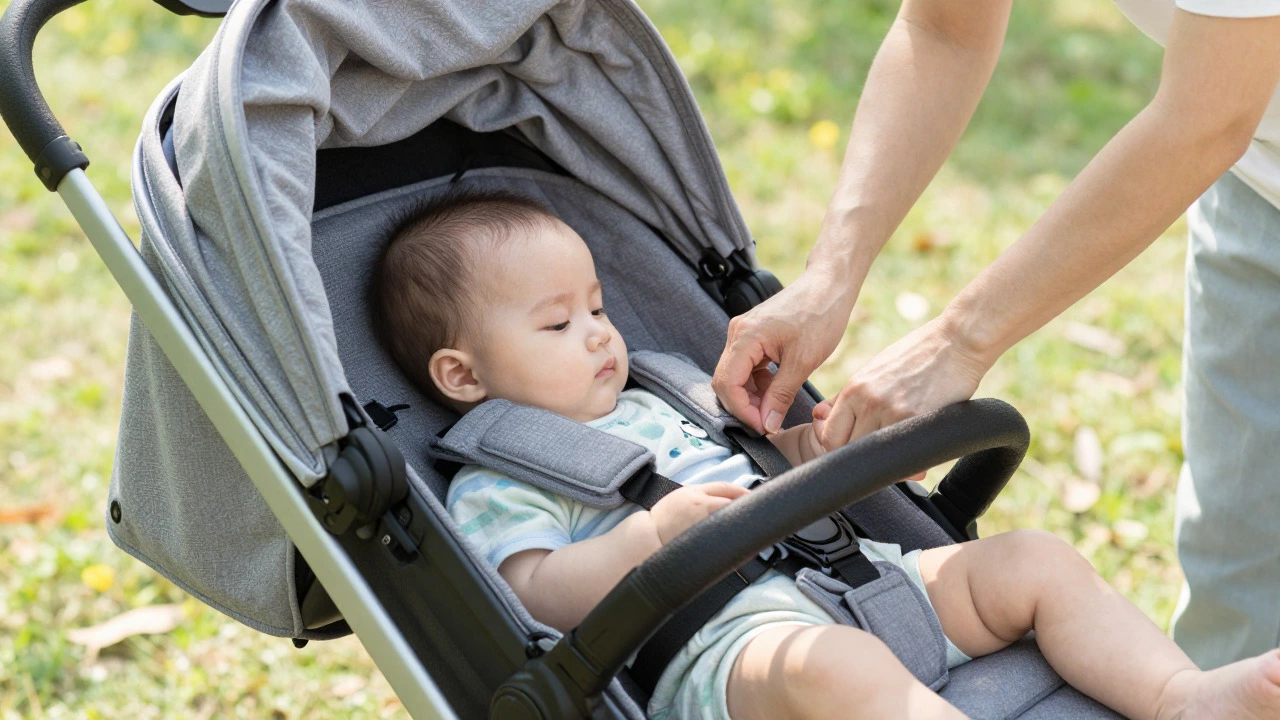
- Test the Harness. Ensure the five-point harness is snug. Unlike the bassinet, the stroller seat requires proper restraint. Check that the straps lie flat against their chest and shoulders, not digging into their neck.
- Start Short. Don’t plan a marathon hike on day one. Take a short 10-minute walk around the block. See how they react. Do they cry? Are they bored? Adjust accordingly.
What About Car Seats?
A common point of confusion is mixing up bassinets with infant car seats. These are different tools. An infant car seat is for travel in vehicles and can often click into a stroller chassis (a travel system). A bassinet is purely for walking/pushing.
If your baby is too big for the bassinet but still too small to sit fully upright for long periods, an infant car seat attached to the stroller frame might be a temporary bridge. However, car seats also have limits. Most expire at 30-35 pounds or when the baby’s head touches the top handle. Never leave a baby sleeping in a car seat for extended periods outside the car, as the semi-reclined position can restrict airways (known as positional asphyxia).
If your baby has outgrown the bassinet but struggles with the upright stroller seat, consider a stroller with a near-flat recline option rather than reverting to a car seat for walks. The goal is upright engagement, not just containment.
Storage and Disposal of the Old Bassinet
Once the bassinet is retired, what do you do with it? Unless you’re expecting another child soon, storing it takes up valuable space. Bassinets are bulky and rarely fit in closets.
If it’s in good condition, selling it on platforms like Facebook Marketplace or Poshmark is easy. Parents are always looking for affordable starter gear. Just clean it thoroughly first-remove stains and odors. If it’s worn out, check local donation centers. Some shelters accept gently used bassinets, but call ahead; many require brand-new items for safety reasons.
Don’t donate if the harnesses are frayed, the frame is bent, or the fabric is torn. Safety gear must be intact. When in doubt, recycle the metal frame and dispose of the fabric responsibly.
Can I use a bassinet stroller for a toddler?
No. Bassinets are strictly for infants under 6 months or those who cannot sit up. Using one for a toddler creates severe tipping hazards and suffocation risks due to poor airflow and inadequate restraints.
How do I know if my baby is too heavy for the bassinet?
Check the label inside the bassinet for the maximum weight limit, typically 15-20 lbs. If your baby exceeds this, the frame may bend, and the wheels may struggle with the added weight, leading to instability.
Is it safe to let my baby sleep in the stroller seat instead of the bassinet?
Yes, provided the stroller seat reclines sufficiently (ideally near-flat) and the harness is properly secured. Always monitor your baby’s breathing and ensure their chin is not tucked into their chest.
What if my baby refuses to sleep in the regular stroller after switching?
This is normal. Try using a white noise machine, keeping the stroller covered with a weather shield for darkness, and starting with shorter walks. Gradually increase the duration as they adjust to the new sensation.
Do I need to buy a new stroller when my baby outgrows the bassinet?
Not necessarily. Most bassinet strollers are part of a travel system that includes a standard seat. If you bought a standalone bassinet, you may need to purchase a compatible stroller seat or a new stroller entirely.