Why Are Backpacks Not Allowed in School? Understanding Policy & Alternatives
Student Backpack Weight Checker
Check Your Child's Load
The American Academy of Pediatrics recommends that children carry no more than 10-15% of their body weight in their backpacks. Use this tool to see if your child is at risk of musculoskeletal strain.
Analysis Result
Recommendations
Enter values to get specific advice.
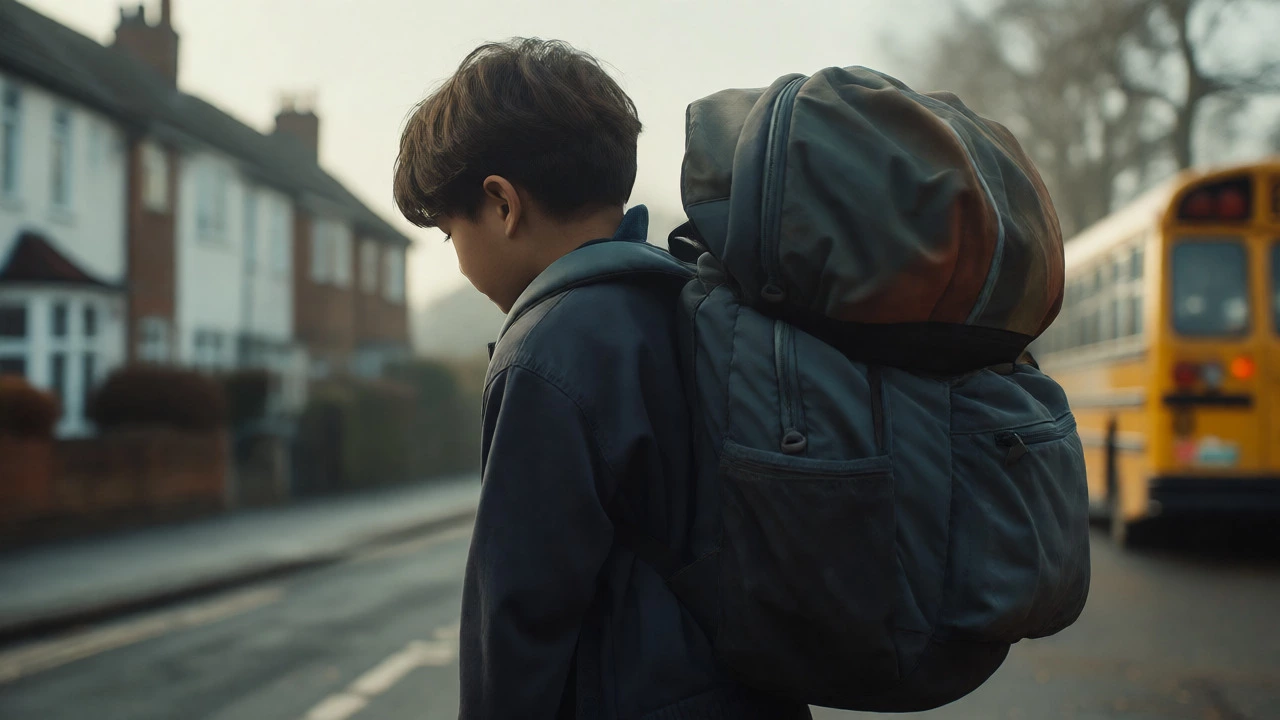
Tip: Two straps should always be used, and the pack should sit high on the back.You drop your kid off at the bus stop, and they’re struggling under a bag that looks heavier than they are. Then you get an email from the principal: backpacks are no longer allowed inside the building. It sounds harsh, maybe even ridiculous. Why would a school ban one of the most common items in a child’s life? Is it about safety? Hygiene? Or just control?
The truth is rarely simple. When schools restrict or ban backpacks, it’s usually a reaction to specific logistical nightmares, health concerns, or space limitations. But for parents, this creates immediate questions: Where do books go? How do kids carry their lunch? And why does every district seem to have different rules? Let’s break down exactly why this happens, what the real reasons are behind the bans, and how families can adapt without losing their minds.
The Physical Toll on Growing Bodies
Backpack usage among students has been linked to significant musculoskeletal issues. According to the American Academy of Pediatrics, children should not carry more than 10-15% of their body weight in their bags. Yet, surveys often show students carrying loads exceeding 20%.
Schools notice this. Teachers see kids slouching, complaining of back pain, or refusing to walk up stairs because their shoulders hurt. In some districts, particularly those with older buildings lacking elevators, the physical strain becomes a liability issue. If a student trips because their heavy bag throws off their balance, who is responsible? The school administration often decides that eliminating the source of the problem-the backpack itself-is safer than trying to police the weight of every single book.
This isn't just theoretical. Orthopedic specialists report increased cases of adolescent back pain directly correlated with improper backpack ergonomics. By banning them, schools force a shift toward lighter, distributed loads, such as leaving textbooks in lockers or using digital resources.
Space Constraints and Hallway Chaos
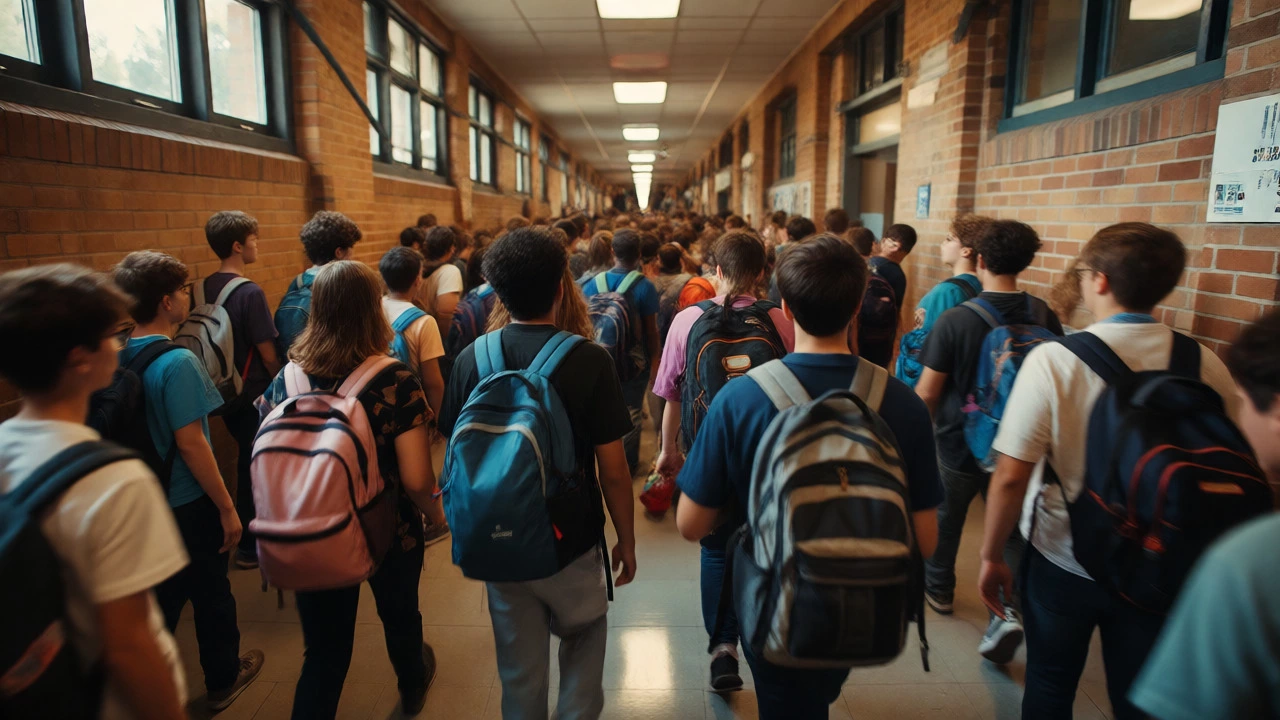
Walk through a middle school hallway between classes, and you’ll understand the spatial argument instantly. Thousands of students move simultaneously. Add bulky backpacks to the mix, and you create a traffic jam. Bags swing into faces, catch on doorframes, and block narrow corridors. This isn’t just annoying; it’s a safety hazard during fire drills or lockdowns.
Many older schools were built decades ago when class sizes were smaller and technology didn’t require charging stations everywhere. They simply weren’t designed for modern student volume. Removing backpacks frees up floor space, reduces congestion, and allows for faster transitions between periods. Some administrators argue that if every student had a locker, the need for a portable bag would vanish. But lockers are expensive to install and maintain, leading many schools to choose the cheaper option: ban the bags.
Hygiene and Pest Control Concerns
It’s not pretty, but it’s real. Backpacks sit on gym floors, cafeteria tables, and bathroom counters. They accumulate crumbs, spilled juice, and dirt. For schools dealing with pest infestations-like ants, roaches, or mice-backpacks become hiding spots. A forgotten granola bar wrapper can turn a personal bag into a local ecosystem.
Districts with strict hygiene policies often cite this as a primary reason for restrictions. If food must be consumed only in designated areas, then bags containing food residue shouldn’t enter classrooms. This rule forces students to eat in the cafeteria and keep their learning spaces clean. It also simplifies cleaning crews’ jobs, who otherwise spend hours vacuuming around hundreds of stationary bags.
| Reason Category | Specific Issue | School’s Proposed Solution |
|---|---|---|
| Health & Safety | Back pain, tripping hazards | Mandatory locker use or digital textbooks |
| Logistics | Hallway congestion, slow transitions | Bags stored in cubbies outside classrooms |
| Hygiene | Pests, dirt tracking, spills | No food in bags, regular inspections |
| Security | Concealing prohibited items | Clear bags required or total ban |
Security and Contraband Management
In an era of heightened school security, visibility matters. Opaque backpacks can hide anything from phones and vapes to weapons or unauthorized snacks. While metal detectors exist, they aren’t always feasible for daily entry due to cost and time delays.
Some schools implement "clear bag" policies instead of full bans. However, others find that managing clear bag compliance is still too difficult. Banning backpacks entirely eliminates the concealment factor. Students might carry essentials in small, transparent pouches or rely on school-provided storage. This approach streamlines security checks and reduces the likelihood of contraband entering the building unnoticed.
What Happens When You Ban the Bag?
If you take away the backpack, you don’t remove the need to carry things. So, where does everything go? Successful implementation requires infrastructure. Without it, the ban fails immediately.
- Locker Systems: The ideal solution. Each student gets a secure spot to store non-essential items. This works best in high schools with adequate funding.
- Classroom Cubbies: Common in elementary schools. Small shelves or bins at the door hold coats and bags. This keeps hallways clear but requires teachers to manage entry/exit flow carefully.
- Book Carts: Some schools provide rolling carts for shared materials. Students access books from these central hubs rather than carrying them personally.
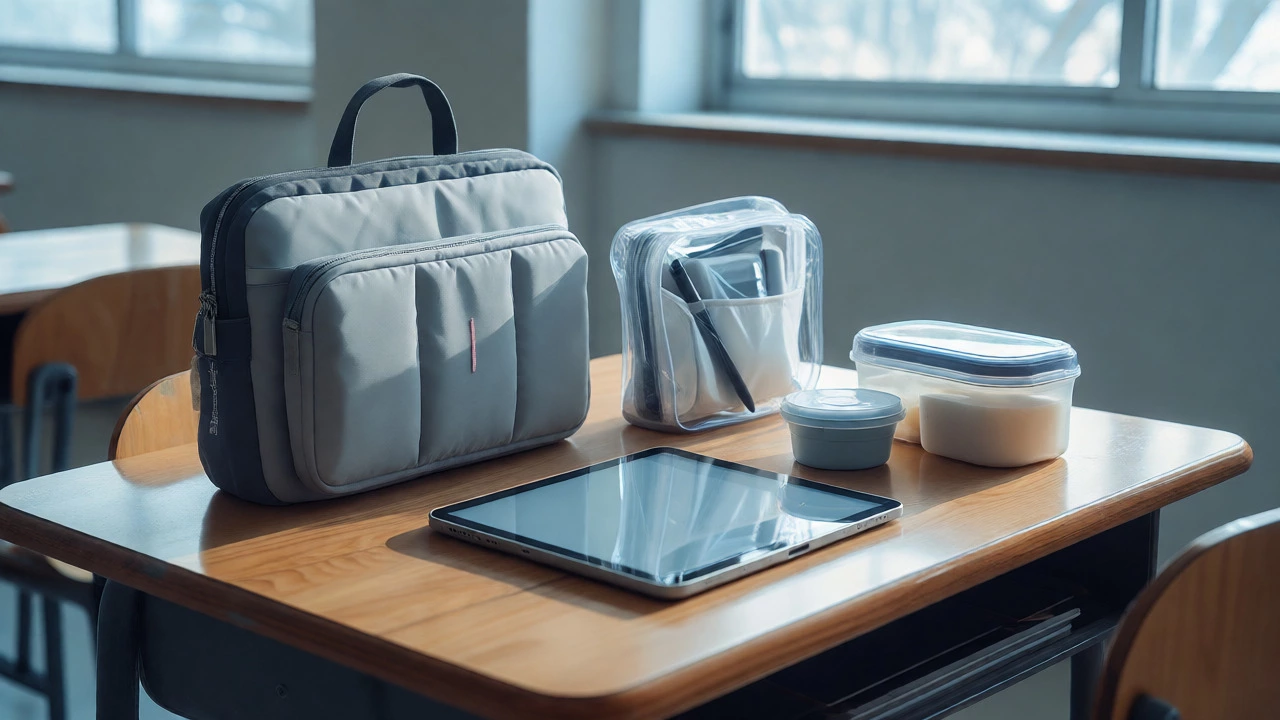
- Digital First: Tablets and laptops replace physical textbooks. With fewer physical items to carry, students only need a small pencil case or a slim laptop sleeve.
Notice that none of these solutions work perfectly without investment. If a school bans backpacks but doesn’t provide lockers or cubbies, students end up carrying armfuls of loose books, which is arguably worse than a well-fitted bag.
Alternatives Parents Can Advocate For
If your child’s school announces a ban, don’t panic. Instead, look at the alternatives being offered. If the current plan seems flawed, here’s what you can suggest to the PTA or school board:
- Ergonomic Check: Before banning, ensure students know how to wear their bags correctly. Two straps, high on the back, waist strap engaged. Many injuries come from poor usage, not the object itself.
- Weight Limits: Enforce a strict 10-15% body weight rule. Provide scales at the front office so students can check their load weekly.
- Clear Bag Compromise: Allow small, transparent drawstring bags for PE clothes and lunch. This solves the security issue while allowing minimal portability.
- Locker Maintenance: If lockers are the answer, ensure they are cleaned regularly and functional. Broken locks discourage use.
Parents often underestimate how much agency they have. A well-reasoned proposal showing data on back pain versus logistical costs can sway administrators. It’s not about fighting authority; it’s about finding a system that supports student health and efficiency.
The Psychological Impact on Independence
Carrying your own bag is part of growing up. It teaches responsibility, organization, and self-reliance. When schools remove this tool, they inadvertently remove a layer of autonomy. Younger students especially benefit from managing their own belongings. It helps them track what they need for each day and learn from forgetting a homework sheet.
Some educators argue that structured environments help neurodivergent students focus by reducing visual clutter. Others counter that removing choice increases anxiety. There’s no one-size-fits-all answer. The key is communication. Schools should explain the "why" behind the ban, not just enforce it arbitrarily. When students understand the reasoning-whether it’s safety or space-they’re more likely to cooperate.
How to Prepare Your Child for a Backpack-Free Day
If the ban is already in effect, help your child adjust. Here’s a quick checklist:
- Minimize Essentials: Only bring what’s absolutely needed. Leave art supplies and extra notebooks at home or in a locker.
- Invest in a Slim Sleeve: A padded laptop sleeve or a small tote is easier to carry than a bulky backpack.
- Lunch Logistics: Use reusable containers that fit easily in a hand or pocket. Avoid large, bulky lunchboxes.
- Layer Clothing: If jackets can’t be carried, dress in layers that can be tied around the waist or left in a designated coat rack.
Adaptation takes time. Give your kid a week or two to figure out their new routine. Encourage them to pack light initially. Overpacking is the biggest hurdle when you lose the capacity of a large bag.
Are backpacks banned in all public schools?
No, there is no universal ban. Policies vary significantly by district, state, and even individual school. Most schools allow backpacks, though some restrict size, color, or transparency. Bans are typically localized decisions based on specific facility constraints or recent incidents.
What should my child carry if backpacks are banned?
Students typically use small clear pouches, slim laptop sleeves, or hand-held totes. Essential items include a notebook, pens, and lunch. Textbooks and heavy materials should remain in lockers or classroom cubbies if available. Digital devices often replace physical books in these scenarios.
Is banning backpacks better for my child's back?
Potentially, yes, if it leads to reduced overall weight carried. However, carrying multiple loose items awkwardly can cause muscle strain too. The benefit comes from forcing students to leave heavy textbooks at school. Proper ergonomics matter more than the mere presence or absence of a bag.
Can I challenge the school's backpack policy?
Yes, parents can raise concerns through the Parent-Teacher Association (PTA) or school board meetings. Present evidence regarding student health, logistical impacts, or fairness. Collective feedback carries more weight than individual complaints. Ask for data supporting the decision before accepting it fully.
Do private schools have different backpack rules?
Private schools often have stricter uniform and accessory codes. They may mandate specific brand backpacks or ban them entirely to maintain aesthetic standards or reduce bullying related to expensive brands. These rules are contractual agreements upon enrollment, so review the handbook carefully.