Why Can't Babies Have Evaporated Milk? The Real Risks Explained

Infant Nutrition & Risk Analyzer
Configure Scenario
Analysis Results
Enter details and click Analyze to see risk assessment.
Imagine you’re out of formula late at night. The baby is crying, your stash is empty, and the store is closed. You look in the pantry and see a can of evaporated milk is canned milk that has been heated to remove about 60% of its water content. It’s shelf-stable. It’s dairy. Surely, it will do in a pinch? It’s a thought that crosses many parents' minds during those stressful moments. But here is the hard truth: giving evaporated milk to an infant under one year old can be dangerous.
This isn’t just about taste or convenience. It’s about biology. An infant’s digestive system and kidneys are still developing. They need specific nutrients in precise ratios to survive and thrive. Regular cow’s milk doesn’t cut it, and evaporated milk-being concentrated cow’s milk-is even further from what a baby needs. In this guide, we’ll break down exactly why this common pantry staple is off-limits for little ones, what happens if they drink it, and what you should use instead.
The Composition Problem: What’s Missing?
To understand why evaporated milk fails as a baby food source, we first have to look at what’s inside it-and more importantly, what’s not. Infant formula is a scientifically engineered substitute for breast milk designed to meet all nutritional needs of infants. It contains a delicate balance of proteins, fats, carbohydrates, vitamins, and minerals. Evaporated milk is simply whole milk with water removed. That’s it.
Here are the critical gaps:
- Iron Deficiency: This is the biggest risk. Human breast milk and infant formulas are fortified with iron because babies are born with limited iron stores that deplete by around six months. Cow’s milk (and therefore evaporated milk) is very low in iron. If a baby drinks it exclusively, they can develop severe anemia, which affects brain development and energy levels.
- Vitamin C and E: These antioxidants are crucial for immune function and cell growth. Evaporated milk lacks sufficient amounts unless specifically fortified, which most standard cans are not.
- Zinc: Essential for immune health and wound healing, zinc levels in evaporated milk are lower than what infants require for rapid growth.
When you feed a baby evaporated milk, you aren’t just giving them "less" nutrition; you are actively starving their growing body of key building blocks. Think of it like trying to build a house with only bricks but no mortar, wiring, or plumbing. The structure might stand up briefly, but it won’t function properly.
Kidney Stress and Protein Overload
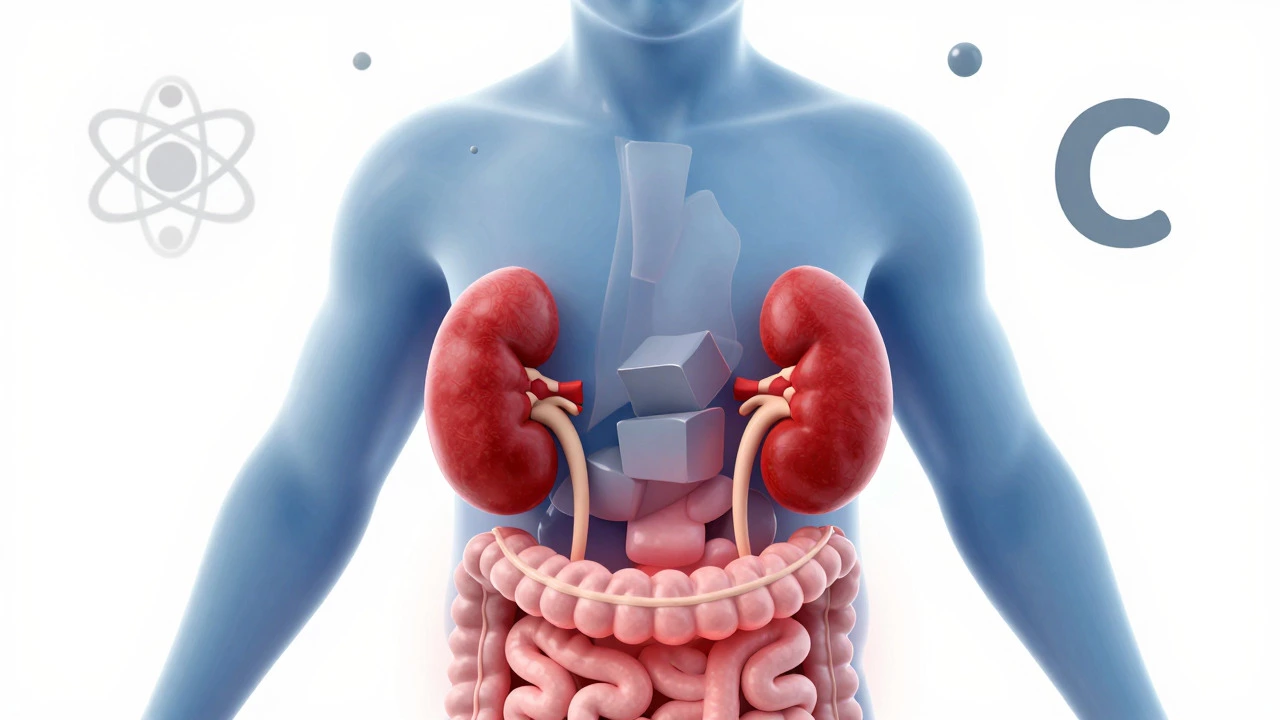
Babies’ kidneys are tiny and immature. They filter waste from the blood, but they have a limited capacity. Cow’s milk contains high levels of protein and minerals like sodium and potassium. When you evaporate the water, these solutes become even more concentrated.
Feeding concentrated evaporated milk to an infant forces their kidneys to work overtime. This can lead to dehydration, even if the baby is drinking plenty of liquid. The high solute load draws water into the intestines and urine, potentially causing electrolyte imbalances. In extreme cases, this stress on the renal system can cause long-term damage or acute illness, especially during hot weather or if the baby has a fever.
Pediatricians often warn against regular cow’s milk for the same reason, but evaporated milk amplifies the problem because of its density. A tablespoon of evaporated milk has roughly double the protein and mineral content of a tablespoon of regular milk. For a newborn weighing 7 pounds, that’s a significant burden.
| Nutrient | Infant Formula (per 100ml) | Evaporated Milk (per 100ml) | Risk Factor |
|---|---|---|---|
| Iron (mg) | 1.0 - 1.5 | 0.1 | Anemia risk |
| Protein (g) | 1.2 - 1.5 | 3.4 | Kidney stress |
| Sodium (mg) | 15 - 25 | 60+ | Electrolyte imbalance |
| Vitamin C (mg) | 10 - 15 | Trace | Immune deficiency |
Digestive Distress and Allergies
Beyond nutrients, there’s the issue of digestion. The proteins in cow’s milk (casein and whey) are larger and harder for an infant to break down compared to the proteins in human milk or formula. Many babies have mild sensitivities to cow’s milk protein. When fed evaporated milk, which is essentially concentrated casein, symptoms can flare up quickly.
You might notice:
- Bloody stools or mucus in diaper
- Excessive gas and colic
- Refusal to eat due to stomach pain
- Eczema or skin rashes
These signs indicate that the baby’s gut lining is inflamed. Chronic inflammation can lead to poor nutrient absorption, creating a vicious cycle where the baby gets less nutrition from every bottle. While some older toddlers tolerate cow’s milk fine, infants under 12 months have a much higher rate of sensitivity.
Emergency Situations: Is There Any Exception?
Parents worry about emergencies. What if you run out of formula and breast milk isn’t an option? The American Academy of Pediatrics (AAP) acknowledges that in rare, short-term emergencies, modified cow’s milk can be used temporarily. However, "modified" is the key word here.
If you must use evaporated milk in a true emergency (where no other safe milk is available), you cannot just mix it with water. You must dilute it significantly to reduce the protein and mineral load. A common historical recipe involves mixing one part evaporated milk with two parts water, plus adding sugar for calories and vitamin C drops. But this is a temporary stopgap, not a solution. It lacks iron and other vital nutrients.
Crucially, this should only last for 24-48 hours while you secure proper formula. Never make this a habit. Always consult a pediatrician immediately after such an incident to check for any adverse effects.
The Safe Alternatives: What To Use Instead
If evaporated milk is out, what is in? The gold standards remain breast milk and commercial infant formula. But life happens, and sometimes you need backups.
- Standard Infant Formula: Keep a small backup supply in your car or office. Powdered formula lasts longer than liquid concentrate.
- Donor Milk: If you know someone breastfeeding who has excess milk, pasteurized donor milk is a great alternative. Milk banks exist in many cities for this purpose.
- Temporary Water Dilution: In a dire pinch, some experts suggest diluted regular cow’s milk (not evaporated) for a single feeding, but this is risky. Formula is always better.
Avoid plant-based milks like almond, oat, or soy milk for infants under one year unless prescribed by a doctor. Most lack the necessary fat and protein profiles. Soy formula exists, but it is highly regulated and fortified, unlike store-bought soy milk.

When Can Babies Drink Evaporated Milk?
The good news? Once your child turns one, the rules change. After 12 months, a toddler’s kidneys are mature enough to handle cow’s milk proteins and minerals. Their iron stores are replenished through solid foods like meat, beans, and fortified cereals.
At age one, you can offer whole cow’s milk. Evaporated milk can be used in cooking or baking for toddlers, providing a rich flavor and creamy texture. Just ensure it’s unsweetened if you want to avoid extra sugar. Some families use evaporated milk mixed with water to make a cheaper version of whole milk for older children, but again, check with your pediatrician regarding nutritional adequacy.
Red Flags to Watch For
If you suspect your baby has accidentally consumed evaporated milk, watch for these signs over the next 24 hours:
- Lethargy: Unusual sleepiness or difficulty waking up.
- Dehydration: Fewer wet diapers (less than 6 in 24 hours), dry mouth, no tears when crying.
- Vomiting or Diarrhea: Signs of digestive upset.
- Fussiness: Inconsolable crying may indicate abdominal pain.
If any of these occur, contact your healthcare provider. Don’t wait. Early intervention prevents complications.
Can I give evaporated milk to a 6-month-old?
No. At 6 months, a baby’s primary nutrition should come from breast milk or formula. Evaporated milk lacks iron and vitamins, and its high protein content stresses the kidneys. It is not suitable for infants under 12 months.
Is evaporated milk the same as condensed milk?
No. Condensed milk has added sugar, making it extremely sweet and high in calories. Evaporated milk is unsweetened. Both are bad for babies, but condensed milk poses additional risks of tooth decay and excessive sugar intake.
What should I do if I run out of formula?
Contact your pediatrician immediately. In a true emergency, you can use diluted regular cow’s milk or evaporated milk (mixed with water and sugar) for a single feeding, but this is a temporary measure. Try to get formula within 24 hours.
Does evaporated milk cause constipation in babies?
Yes. The high protein and calcium content in evaporated milk can harden stools, leading to constipation. This is another reason why it is not recommended for infants with sensitive digestive systems.
Can I use evaporated milk in baby food recipes?
Only for toddlers over 12 months. For infants under one year, stick to water or breast milk/formula when preparing purees. Evaporated milk adds unnecessary fat and protein that young babies don’t need.