Why Do Dr. Brown's Nipples Collapse? A Simple Fix for Feeding Problems
Dr. Brown's Vent Check Tool
Check Your Vent System
This tool helps identify if your Dr. Brown's vent tube is blocked or properly functioning. Answer the questions below to get your personalized solution.
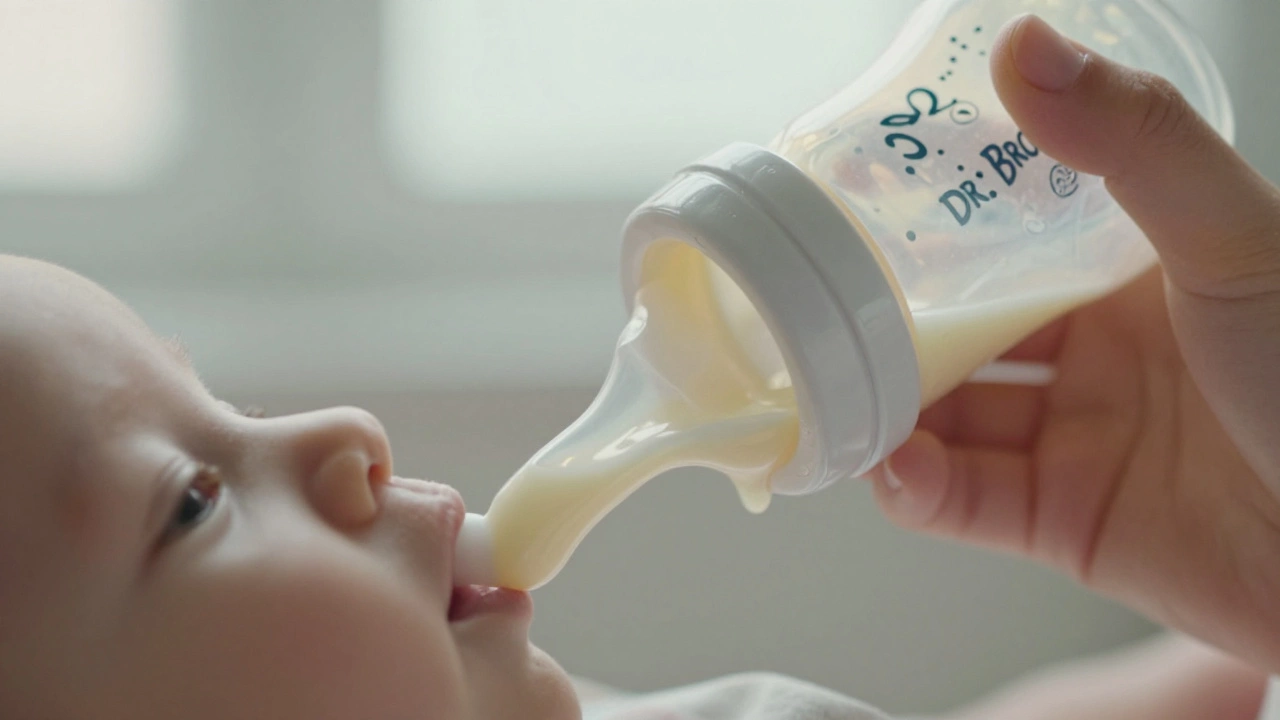
If you’ve ever watched your baby struggle to feed from a Dr. Brown’s bottle - pulling hard, making sucking noises, then watching the nipple flatten like a deflated balloon - you’re not alone. It’s one of the most common complaints among parents using these bottles. The nipple collapses mid-feed, interrupts the flow, and leaves your baby frustrated, hungry, and sometimes even fussy. But here’s the truth: it’s not broken. And it’s not your fault. There’s a clear, simple reason why this happens - and how to fix it for good.
What Causes Dr. Brown’s Nipples to Collapse?
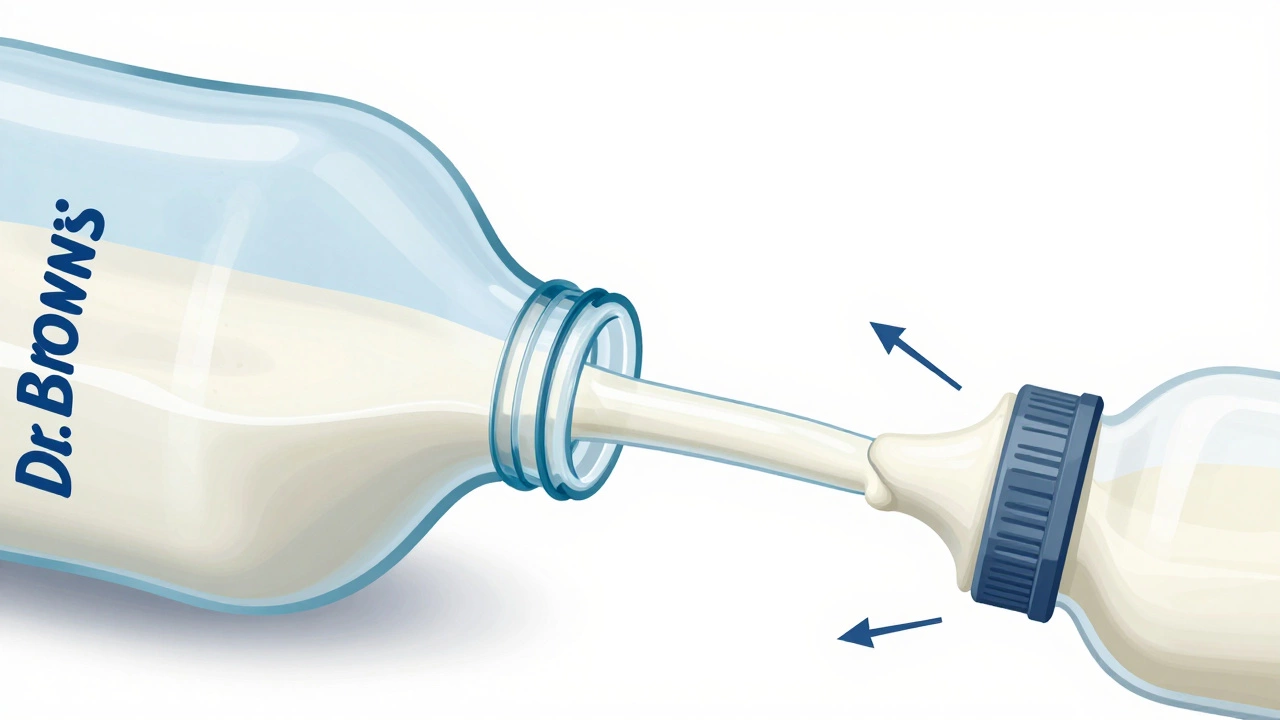
Dr. Brown’s bottles are designed with an internal venting system. That’s the whole point. The system lets air travel through a tube inside the bottle, not through the milk. That reduces bubbles, minimizes gas, and helps prevent colic. But that venting system only works if air can get into the bottle to replace the milk your baby drinks. If air can’t enter, a vacuum forms. And when that happens, the nipple gets sucked inward - collapsing under pressure.
Think of it like drinking through a straw with the top sealed. The more you suck, the harder it gets. That’s exactly what’s happening inside the bottle. The nipple is flexible, which is good for your baby’s mouth, but that flexibility becomes a problem when there’s no air coming in to balance the pressure.
The most common cause? A blocked or misaligned vent tube. The vent system has a small tube that runs from the nipple base down into the bottle. If it’s pinched, bent, or covered by milk residue, air can’t flow. Even a tiny drop of formula or breastmilk drying inside the vent can block it. Parents often clean the nipple and bottle but forget to check the vent.
How to Fix a Collapsing Nipple
You don’t need to buy a new bottle. You don’t need to switch brands. You just need to make sure the vent system is working properly. Here’s how:
- Take apart the bottle completely. Remove the nipple, collar, vent insert, and reservoir. Don’t just rinse - disassemble every piece.
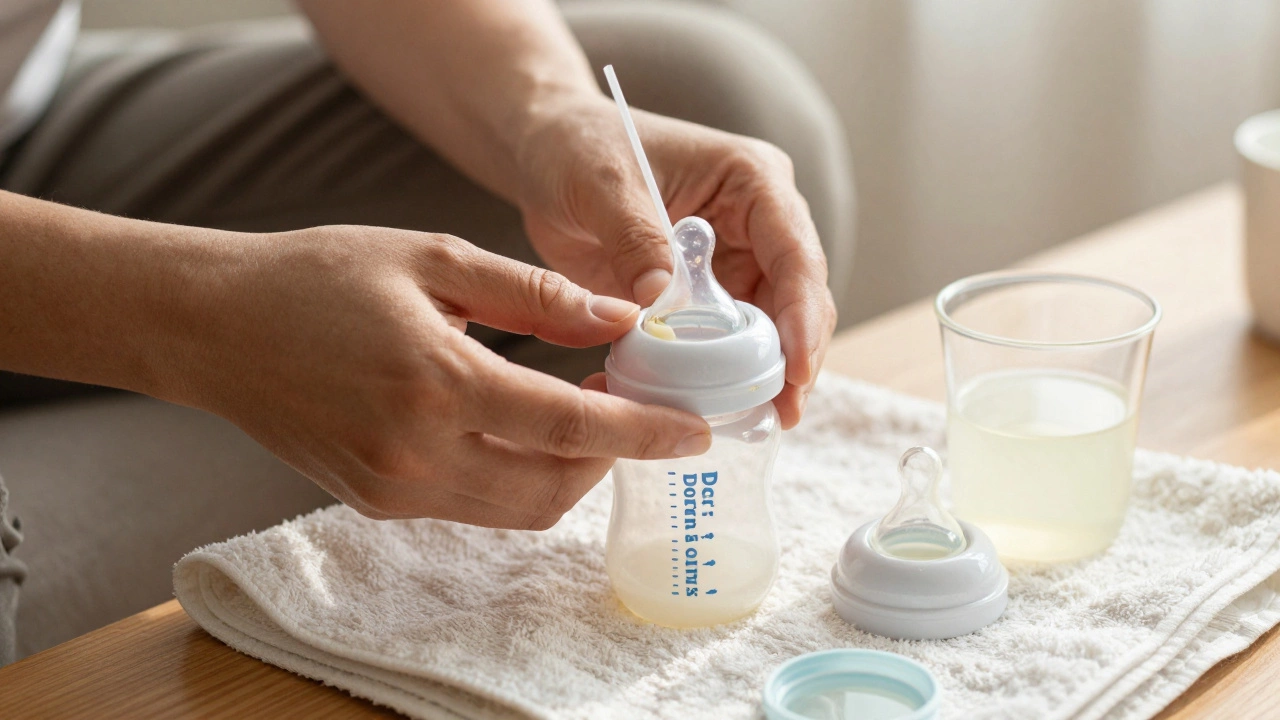
- Check the vent tube. Look at the small, flexible tube inside the nipple base. Is it bent? Is it stuck to the side of the bottle? Gently pull it out and make sure it hangs straight.
- Run warm water through the vent. Hold the vent tube under running water and squeeze it gently. You should see water flow through. If it doesn’t, use a pipe cleaner or a soft toothbrush to clear any buildup.
- Reassemble carefully. When putting the bottle back together, make sure the vent tube is centered and not twisted. The nipple should sit flat against the vent insert, not folded over.
- Test before feeding. Fill the bottle with water, screw on the nipple, and turn it upside down. You should see a slow, steady drip - not a gush or a trickle. If the nipple collapses when you squeeze the bottle lightly, the vent is still blocked.
Do this after every wash. It takes 30 seconds. It saves you from hours of crying babies and wasted formula.
Why Other Bottles Don’t Do This
Many other bottles use a different design. Some have vents built into the collar. Others use a vented cap or a valve that opens when pressure drops. Dr. Brown’s system is more complex, but it’s also more effective at reducing gas - if it’s working right.
When parents switch to other brands because of collapsing nipples, they often find their baby gets more gas, spits up more, or cries more after feeds. That’s because those bottles let air mix with the milk. Dr. Brown’s system prevents that - but only if the vent is clear.
So it’s not that Dr. Brown’s bottles are flawed. It’s that they require a little more attention. Think of it like a car with a fuel filter. If you ignore it, the engine sputters. Clean it, and it runs smoothly.
When to Replace the Nipple
Even with perfect care, nipples wear out. Dr. Brown’s recommends replacing them every 2-3 months, or sooner if you notice:
- Cracks, tears, or stickiness
- Changes in flow - milk comes out too fast or too slow
- Repeated collapsing even after cleaning the vent
Older nipples become less elastic. They lose their shape and can’t rebound after suction. That’s when even a perfectly clean vent won’t help. If you’ve cleaned the vent, reassembled it right, and it still collapses - it’s time for a new nipple.
Buy them in packs of 3 or 4. Keep one as a backup. Nipples are cheap. Fussy babies are expensive.
Feeding Position Matters Too
How you hold the bottle can make a difference. If the bottle is tilted too far back, the vent tube can get submerged in milk. That blocks air from entering. The result? More suction, more collapse.
Hold the bottle at a 45-degree angle - like you’re feeding a puppy. The milk should fill the nipple, but the vent tube should stay above the liquid line. You’ll know it’s right if the nipple stays full and round during feeding.
Try it. Next time you feed, watch the nipple. If it stays plump, you’ve got it. If it starts to cave in, adjust the angle. It’s that simple.
What If Nothing Works?
Some babies have a very strong suck. Others are premature, have low muscle tone, or are learning to coordinate sucking and swallowing. In those cases, even a perfectly functioning Dr. Brown’s bottle might still collapse.
Try a slower flow nipple. Dr. Brown’s offers Level 1, 2, and 3 nipples. Level 1 is for newborns. Level 2 is for 3+ months. If your baby is older but still struggling, you might need to go back to Level 1. A slower flow reduces the suction pressure.
Or try a different brand - not because Dr. Brown’s is bad, but because every baby is different. Some do better with Philips Avent, Comotomo, or Evenflo. These brands have different vent designs and softer silicone. Test one bottle before buying a full set.
And if your baby is consistently pulling away, crying, or refusing feeds - talk to your pediatrician. It could be reflux, tongue tie, or another issue that needs attention.
Real Parents, Real Fixes
One mom in Portland told me she was ready to throw out her Dr. Brown’s bottles after three weeks of failed feeds. She cleaned the vent, reassembled it, and tried a new nipple. Nothing worked. Then she noticed the vent tube was being pinched when she screwed on the collar. She started tightening the collar just until it was snug - not tight. That’s it. No more collapse.
Another dad in Toronto switched to Level 1 nipples for his 5-month-old because he thought he needed a faster flow. He didn’t. The slower flow gave his baby time to breathe between sucks. The nipple stayed full. He started sleeping through the night.
These aren’t miracles. They’re fixes.
Final Tip: Keep a Cleaning Routine
Wash the bottle after every use. But don’t just rinse. Use a bottle brush to clean the vent tube. Soak the parts in warm soapy water for 10 minutes once a week. Rinse well. Air dry upside down on a clean towel.
Keep a small container of vinegar and water (1:1) for monthly deep cleans. Soak the vent insert for 20 minutes. Rinse thoroughly. Vinegar breaks down milk residue better than soap alone.
And if you’re in a rush? At least run warm water through the vent. That’s better than nothing.
Dr. Brown’s bottles work - if you let them work. The system is smart. It just needs you to be consistent. Once you get the rhythm, feeding becomes easier. Your baby eats better. You sleep better. And the nipple? It stays full.
Why does my Dr. Brown’s nipple collapse even after cleaning?
If the nipple still collapses after cleaning, the vent tube might be bent, pinched, or worn out. Check that it’s centered and not stuck to the bottle wall. Also, try a new nipple - old ones lose elasticity and can’t rebound properly, even with a clean vent.
Can I use Dr. Brown’s nipples with other bottles?
No. Dr. Brown’s nipples are designed specifically for their venting system. Using them on other bottles will block airflow, cause leaks, or make the nipple collapse. Always use the nipple that matches the bottle brand and model.
Do I need to sterilize the vent tube every time?
No. Daily washing with warm soapy water is enough. Sterilizing once a week or after illness is sufficient. Over-sterilizing can degrade the silicone faster. Just make sure the vent is clear of milk residue.
My baby is 6 months old - should I switch to a faster flow nipple?
Not necessarily. Some 6-month-olds still do better with a Level 1 or Level 2 nipple, especially if they’re still learning to control their suck. Try switching to a slower flow first. Faster flow often makes collapsing worse because it increases suction pressure.
Is it normal for the nipple to collapse slightly during feeding?
A slight flattening is normal - especially if your baby is taking a big gulp. But if the nipple fully collapses, sticks to the bottom of the bottle, or stops milk flow, that’s a sign the vent isn’t working. It’s not normal to have to stop feeding to fix it.