Why Was There a Baby Formula Shortage?
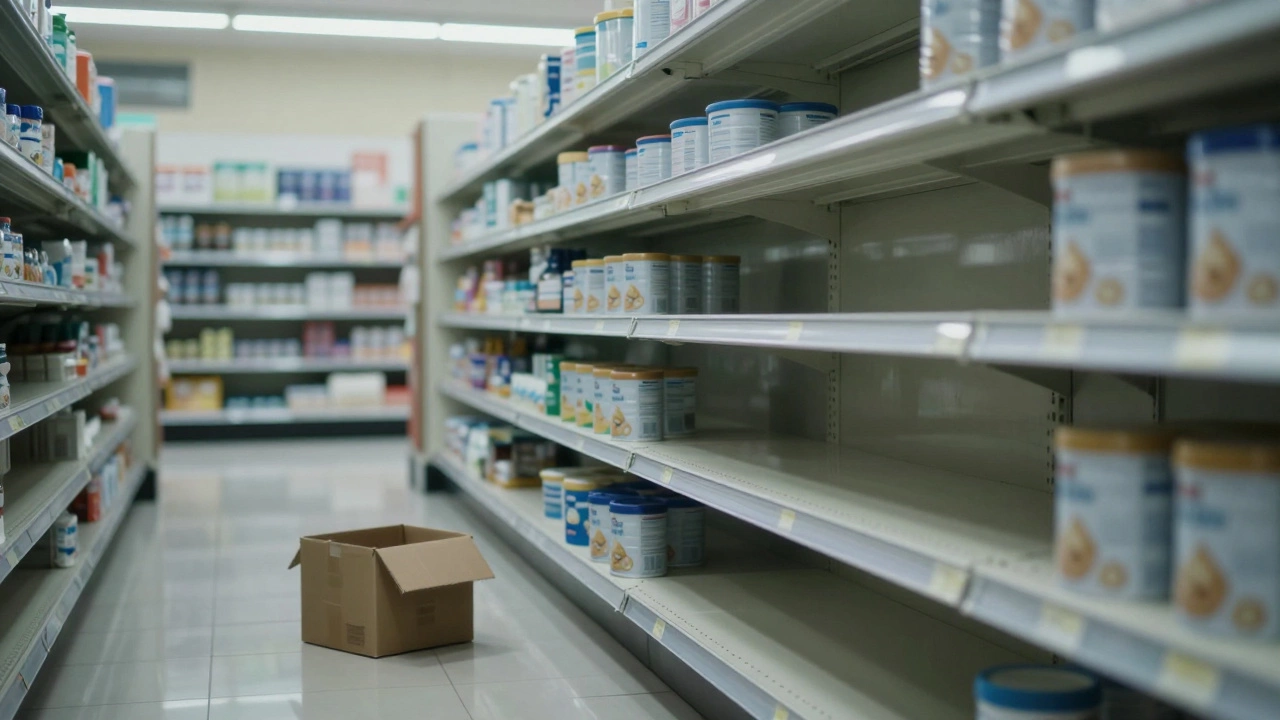
In early 2022, parents across the U.S. and Canada walked into pharmacies and grocery stores only to find empty shelves where baby formula used to be. No warning. No notice. Just silence where there should have been a dozen options for their infants. This wasn’t a seasonal glitch or a minor stock issue-it was a full-blown crisis that left families scrambling, anxious, and sometimes desperate.
What Caused the Baby Formula Shortage?
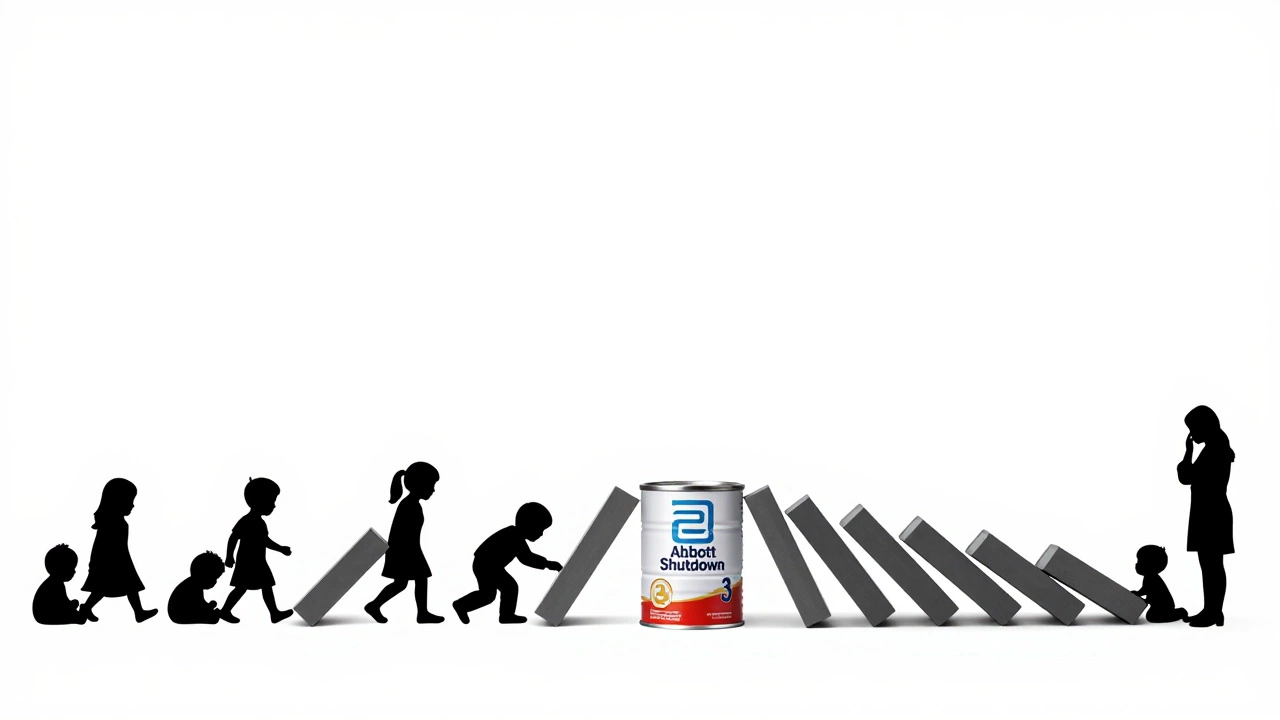
The main trigger was the February 2022 recall of Abbott Nutrition’s Similac, Alimentum, and EleCare formulas. The recall happened after four infants were hospitalized with rare bacterial infections linked to their products. An FDA investigation found unsanitary conditions at Abbott’s Sturgis, Michigan factory, including standing water, mold, and failed equipment checks. The plant was shut down immediately. At the time, Abbott made about 40% of all formula sold in the U.S. That’s not a small player-it was the biggest supplier.
When one company controls that much of the market, a single shutdown creates a domino effect. Other brands couldn’t ramp up fast enough to fill the gap. Formula production isn’t like making cereal or snacks. It requires sterile environments, strict FDA regulations, and complex supply chains. You can’t just crank out more cans overnight. Even if another factory had extra capacity, switching production lines takes months of testing and approval.
Why Was the System So Fragile?
The baby formula market in the U.S. is dominated by just three companies: Abbott, Reckitt (makers of Enfamil), and Nestlé. Together, they control over 90% of sales. That’s not competition-it’s an oligopoly. With so few players, there’s little room for backup. If one fails, the whole system wobbles.
There’s also very little domestic manufacturing outside these big players. Most formula is made in just a handful of plants. The U.S. imports very little formula because of strict FDA rules that require each product to be registered and tested individually. Even if a European brand made a better product, it couldn’t easily enter the market without jumping through years of bureaucratic hoops.
And then there’s the WIC program. Nearly half of all formula sold in the U.S. is bought by the government through WIC (Women, Infants, and Children), a federal nutrition program. The government signs exclusive contracts with one brand per state-usually the lowest bidder. That means if Abbott was the chosen brand in 20 states, and their plant shut down, those states had no alternative supply. No backups. No flexibility.
How Did Parents Cope?
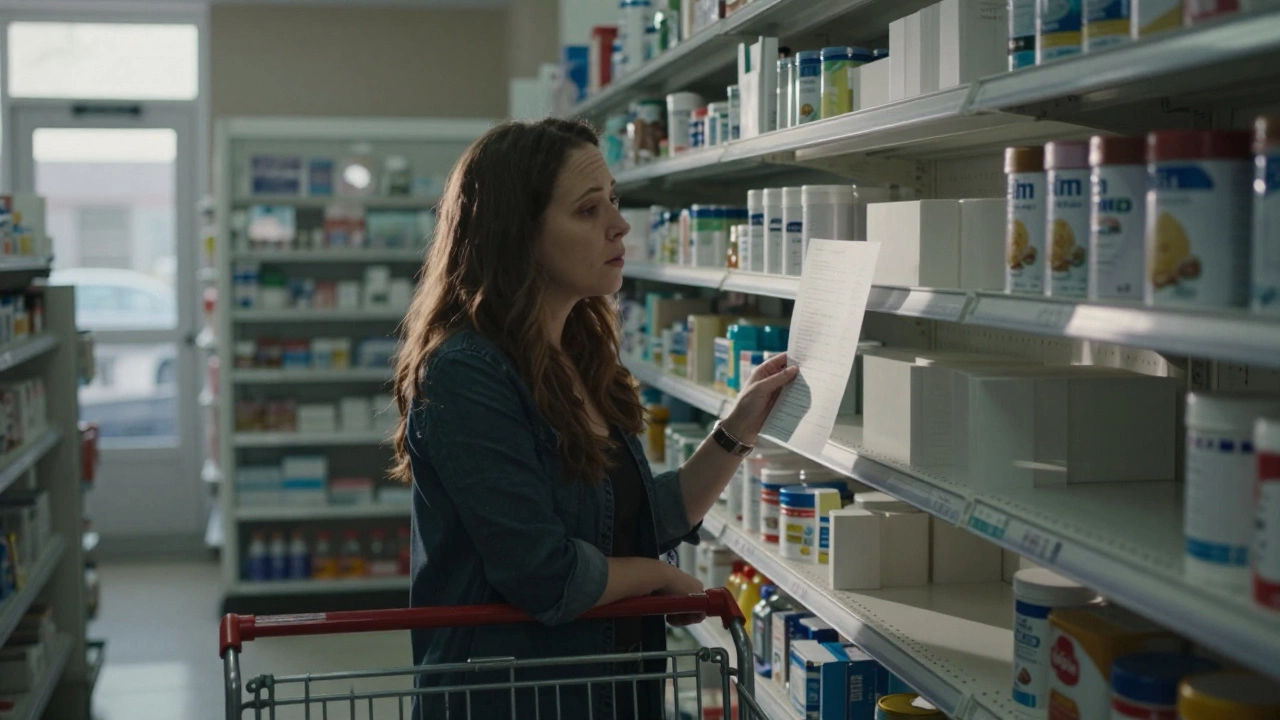
Families tried everything. Some drove hours to find a single can. Others turned to social media groups, trading or selling formula like it was gold. Some parents diluted formula to make it last longer-something pediatricians warned against, because it can cause dangerous electrolyte imbalances. A few even tried making homemade formula using recipes found online, which is extremely risky and not medically safe.
Parents of babies with allergies or medical conditions were hit hardest. Formulas like EleCare or Alimentum aren’t just food-they’re medicine for kids who can’t digest regular milk proteins. When those vanished, some infants went weeks without proper nutrition. Hospitals had to step in, sometimes using donor breast milk or special orders from overseas, but those options were limited and expensive.
What Did the Government Do?
At first, the response was slow. The FDA didn’t publicly acknowledge the scale of the problem until April 2022. Then came emergency measures: the U.S. launched Operation Fly Formula, flying in millions of cans from countries like Ireland and Germany. The FDA relaxed import rules temporarily, allowing safe foreign brands to enter the market faster than ever before.
President Biden invoked the Defense Production Act to prioritize formula production. The government also pressured Abbott to reopen its plant after it met new safety standards. The facility finally restarted in June 2022, but it took months for shelves to refill fully. By fall, most stores had restocked, but trust had been broken.
Is the Formula Supply Safe Now?
Yes, in terms of availability. But the system is still fragile. Abbott’s plant is back online, but it’s operating at reduced capacity. Other manufacturers haven’t built new factories. The number of U.S.-based formula plants hasn’t increased since the 1990s. And the WIC contract system still locks states into single suppliers.
There’s been some progress. The FDA has started reviewing import rules more flexibly. Congress passed the Infant Formula Act in 2022, requiring the agency to maintain a 15-day supply buffer and to publish a list of alternative formulas during shortages. But those are band-aids. The real fix? More competition. More factories. More transparency.
Right now, the U.S. still relies on just five major formula plants. That’s not resilience-that’s risk. And if another plant shuts down, or a new contamination issue arises, we could be right back here.
What Can Parents Do to Prepare?
First, don’t panic-buy. Stockpiling formula creates artificial shortages and hurts families who need it most. Instead, talk to your pediatrician about alternatives. If your baby uses a specialty formula, ask if there’s a medically approved substitute. Some brands have similar ingredients but different names-your doctor can help you switch safely.
Keep a small emergency stash-no more than a two-week supply. Store it properly in a cool, dry place. Check expiration dates regularly. And if you’re on WIC, know your state’s policy on formula substitutions during shortages. Many states now allow temporary switches if the usual brand isn’t available.
Finally, support policy changes. Advocate for more formula manufacturers to enter the U.S. market. Push for transparency in WIC contracts. Demand that the FDA publish real-time data on formula inventory levels. This isn’t just about convenience-it’s about infant health.
What’s Next for Baby Formula?
The shortage of 2022 was a wake-up call. It exposed how dangerously centralized our infant nutrition system is. It showed that when one company fails, millions of families pay the price. The good news? We now know what can go wrong. The hard part is fixing it.
Some startups are trying to enter the market with new formulas made in modern facilities. Others are lobbying for federal grants to build new plants. The European Union and Canada already have more diverse formula markets. Maybe it’s time the U.S. learns from them.
For now, the shelves are full. But the system hasn’t changed enough to prevent the next crisis. Parents shouldn’t have to gamble with their baby’s health because of corporate decisions and outdated regulations. Safe, reliable formula shouldn’t be a privilege. It should be a guarantee.
Why did the baby formula shortage happen in 2022?
The 2022 baby formula shortage was triggered by the recall and shutdown of Abbott Nutrition’s Sturgis, Michigan plant after four infants were infected with Cronobacter sakazakii linked to its products. Abbott produced about 40% of U.S. formula, and no other company could quickly make up the difference due to strict regulations and limited production capacity.
Was the formula shortage only in the United States?
While the worst of the shortage hit the U.S., Canada and other countries also felt the impact. Many Canadian families rely on U.S.-made formula, especially specialty brands like Similac and EleCare. Cross-border supply chains were disrupted, and imports from Europe became critical. Canada’s Health Department issued guidance to help parents find safe alternatives during the crisis.
Can I use toddler formula or cow’s milk for my baby under one year?
No. Toddler formula is not nutritionally complete for infants under 12 months. Cow’s milk lacks iron and has too much protein and sodium for babies’ kidneys. Using either can lead to serious health problems like anemia or kidney stress. Always consult your pediatrician before switching formulas or using alternatives.
Are imported formulas safe to use?
Yes, if they meet FDA safety standards. During the shortage, the FDA temporarily allowed safe imports from countries like Ireland, Germany, and Australia. These formulas are made under similar regulations and are often the same as U.S. brands but sold under different names. Always check the label for proper nutrient levels and expiration dates.
How can I find out if my baby’s formula is affected by a recall?
Check the FDA’s website for current recall notices. Look for the lot number and expiration date on the bottom of the formula can. If you’re unsure, call the manufacturer’s customer service line or ask your pediatrician. Never use formula that’s been recalled-even if it looks fine.