Why You Should Stop Using Baby Bottles After 12 Months
Bottle Transition Readiness & Risk Checker
Child Profile
Risk Assessment
Overall Health Impact Score
- Dental Decay Risk High
- Speech Development Delay Moderate
- Nutritional Imbalance Possible
Start replacing daytime bottles immediately.
The 12-Month Mark: A Turning Point for Feeding
There is a specific moment in parenting that feels less like a milestone and more like a deadline. Your baby turns one. Suddenly, the advice shifts from "feed on demand" to "it’s time to stop." Specifically, you are told to ditch the baby bottles the primary feeding vessel for infants under one year old. But why exactly does this rule exist? Is it just another arbitrary parenting trend, or is there real science behind stopping bottle use at twelve months?
The short answer is yes, there is solid science. The recommendation to stop using bottles after 12 months isn't about convenience; it's about protecting your child's developing teeth, speech, and nutritional balance. Continuing to use a standard nipple-based bottle past the first birthday introduces risks that outweigh the comfort of routine. Let’s break down what happens when you keep that bottle around too long.
Dental Decay: The Silent Threat
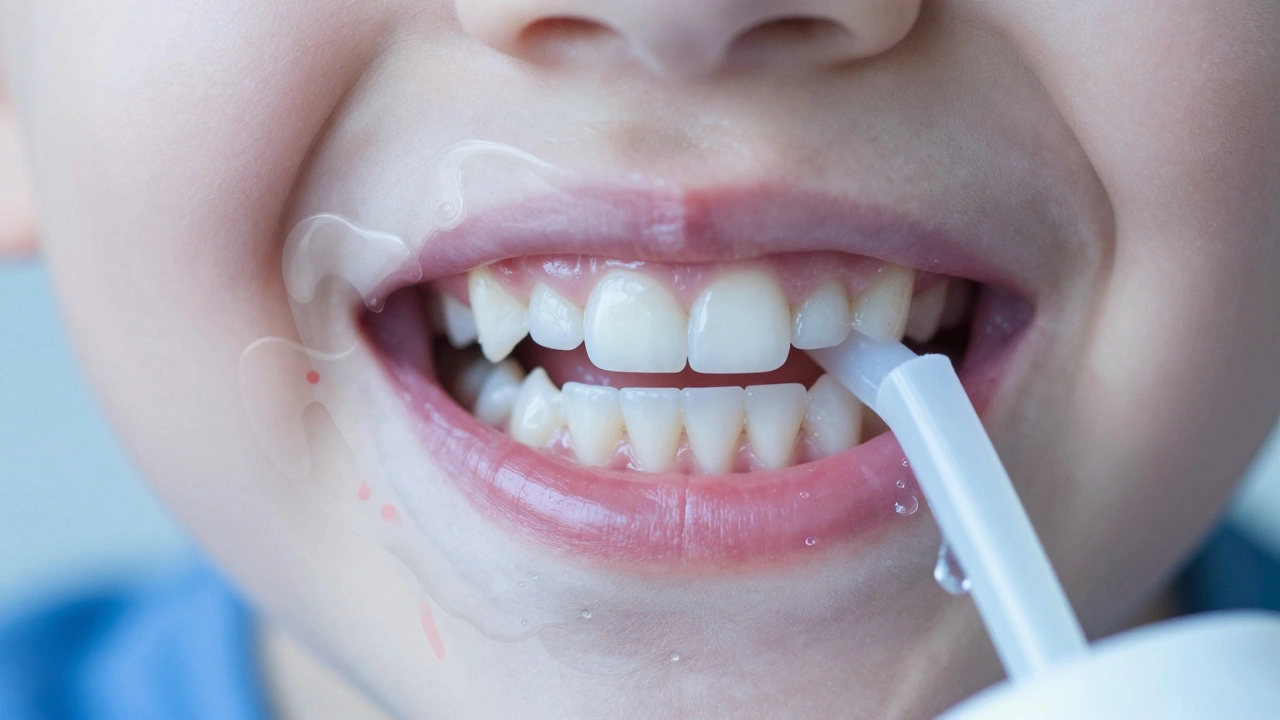
The most urgent reason to phase out bottles is dental health. When babies are young, their front teeth haven’t fully erupted, so milk pooling in the mouth isn’t a huge issue. But by age one, all twenty primary teeth are usually present. This changes everything.
Babies have a natural sucking reflex. They don’t swallow instantly; they sip slowly. If your toddler falls asleep with a bottle of milk, formula, juice, or even sweetened water, that liquid sits against their teeth for hours. Bacteria in the mouth feed on the sugars in these liquids and produce acid. This acid erodes tooth enamel. The result is Early Childhood Caries severe tooth decay often called baby bottle tooth decay, also known as nursing bottle caries.
This damage doesn’t just hurt. It can lead to abscesses, infections, and the need for early fillings or extractions. Since primary teeth act as placeholders for adult teeth, losing them too early can cause crowding and alignment issues later. Dentists consistently warn that prolonged bottle use is a leading cause of preventable cavities in toddlers.
Speech Development and Oral Mechanics
You might not think about it, but how your child drinks affects how they talk. Sucking from a bottle requires a different oral muscle pattern than drinking from an open cup or a straw. Bottle nipples require a rhythmic suction that keeps the tongue flat and passive.
In contrast, using a cup engages the lips, cheeks, and tongue differently. It promotes better oral motor skills. Children who rely on bottles past age two often struggle with certain sounds because their muscles aren’t used to the movements required for clear speech. While one month won’t ruin their language skills, extending bottle use into toddlerhood delays the transition to mature swallowing patterns.
Think of it like learning to walk. Crutches help when you’re injured, but wearing them forever prevents your leg muscles from strengthening. Similarly, bottles support early feeding, but they hinder the development of complex oral mechanics needed for talking and chewing solid foods.
Nutritional Balance and Appetite Control
By twelve months, your child’s diet should be shifting toward solid foods. Milk becomes a supplement, not the main event. However, bottles make it easy to overconsume milk. Toddlers can drink large volumes quickly because bottles are convenient and familiar.
If your toddler fills up on milk, they won’t be hungry for nutrient-dense solids like vegetables, proteins, and grains. This imbalance can lead to iron deficiency anemia, a common issue in toddlers who drink too much cow’s milk. Iron is crucial for brain development, and milk blocks iron absorption. So, keeping the bottle doesn’t just affect teeth-it impacts overall nutrition.
Furthermore, bottles teach poor portion control. Unlike a cup, which has a fixed amount, a bottle allows endless refilling. Transitioning to cups helps children learn to recognize hunger and fullness cues, setting healthy eating habits for life.
Transitioning Smoothly: From Bottle to Cup
Knowing *why* to stop is only half the battle. The real challenge is *how* to stop without tears (yours or theirs). The key is gradual change. Don’t throw away all the bottles overnight. Start by replacing one feeding at a time, usually daytime snacks, while keeping morning and bedtime bottles for now.
Introduce sippy cups training cups designed to help toddlers transition from bottles or straw cups. These tools mimic the ease of drinking but encourage proper lip closure. Offer small amounts of water or milk in these new vessels during meals. Praise every attempt, even if they spill. Spills are part of learning.
As they get comfortable, replace the next bottle. Finally, tackle the hardest one: the bedtime bottle. Instead of offering a bottle before sleep, offer a cup earlier in the evening, then follow with a brushing routine. If they resist, try diluting the milk with water over several days until it’s mostly water, making the taste less appealing for nighttime snacking.
| Feature | Bottle | Sippy/Straw Cup |
|---|---|---|
| Oral Muscle Use | Passive sucking | Active lip/tongue engagement |
| Dental Risk | High (liquid pools) | Low (swallowed faster) |
| Nutrition Impact | May displace solids | Encourages meal focus |
| Speech Development | Delays oral motor skills | Supports articulation |
Addressing Common Concerns
Parents often worry that stopping bottles will disrupt sleep routines. It’s true that bedtime rituals are powerful. But you can replace the bottle with other comforting actions: reading a book, singing a song, or giving extra cuddles. The goal is to separate drinking from sleeping.
Another concern is mess. Cups spill. That’s normal. Use silicone-spill-proof options initially, but don’t fear the cleanup. Every spill is a step toward independence. Remember, your toddler is capable of learning this skill. Trust their ability to adapt.
Some parents ask if organic glass bottles last longer. Yes, they do, but longevity shouldn’t dictate health decisions. Just because something lasts doesn’t mean it’s appropriate for every stage. Outgrowing a bottle is a sign of growth, not waste.
When to Seek Help
If your child refuses all cups after six months of trying, consult a pediatrician or speech therapist. Sometimes underlying issues like sensory processing disorders or oral aversions require professional guidance. Early intervention ensures no developmental delays go unnoticed.
Ultimately, stopping bottle use after 12 months is about empowering your child. It teaches them to eat like a family member, drink like a big kid, and take care of their body. It’s not about punishment; it’s about preparation for the next stage of life.
Can I still use a bottle for my 15-month-old?
While technically possible, it’s not recommended. By 15 months, the risk of dental decay and speech delays increases significantly. Most experts advise completing the transition by 18 months at the latest.
What should I put in my toddler’s cup instead of milk?
Water is ideal between meals. For mealtime, continue offering whole milk (if approved by your doctor) or fortified plant-based alternatives. Avoid juice, soda, or sweetened drinks.
How do I handle night wakings without a bottle?
Offer a small cup of water if they wake up thirsty. Comfort them with presence rather than food. Gradually reduce the amount of milk given before bed until it’s eliminated.
Are sippy cups safer than open cups?
Sippy cups are easier for beginners but can still pose dental risks if used incorrectly. Open cups promote better oral development but require more practice. Transition to open cups by age three.
What if my child spits out the cup?
Be patient. Try different types of cups-straw, spout, or rimless. Model drinking yourself. Make it fun by letting them choose their cup. Consistency matters more than speed.