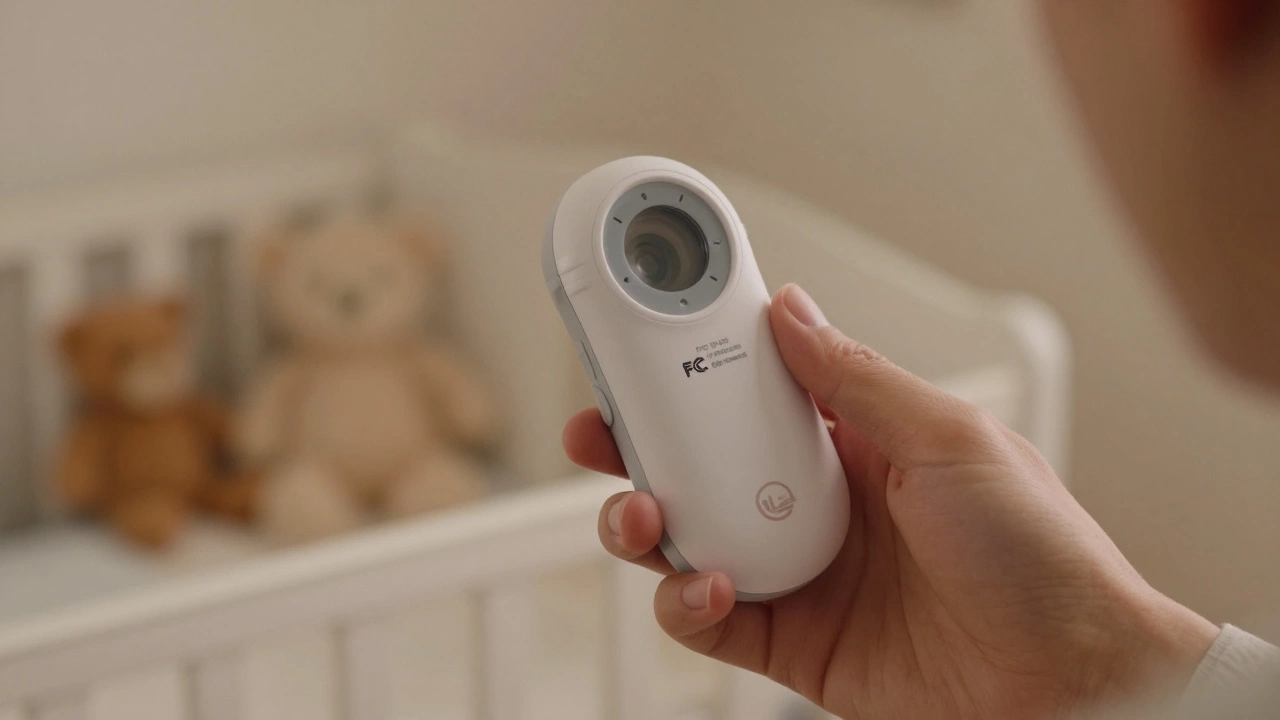
Are Baby Monitors Safe for Newborns? Facts, Risks & Best Practices
Baby Monitor Safety Checker
Answer these quick questions about your current baby monitor setup to receive a personalized safety score and recommendations.
Your Safety Assessment
Key Recommendations:
You just brought your newborn home. The nursery is ready, the diapers are stocked, and you’ve spent weeks researching the perfect baby monitor to keep an eye on them while you sleep. But then a nagging thought creeps in: is this device actually helping, or is it introducing new risks? You’re not alone in wondering if staring at a screen all night or placing a wireless transmitter near your infant’s crib has hidden downsides.
The short answer is yes, baby monitors are generally safe when used correctly. However, "correctly" is doing a lot of heavy lifting here. Most safety issues aren’t about the technology itself failing, but about how parents position the devices, manage cables, and interpret what they see. Let’s break down exactly what science says about radiation, physical hazards, and psychological effects so you can sleep easier-literally.
Understanding the Radiation Concern
If you’ve ever worried that your baby monitor is secretly zapping your infant with invisible energy waves, you’re tapping into a very common fear. Most modern monitors use radio frequency (RF) signals, similar to Wi-Fi routers, cell phones, and Bluetooth headphones. The core question isn’t whether they emit radiation-it’s whether that emission level poses a health risk.
According to the American Academy of Pediatrics (AAP) and the Federal Communications Commission (FCC), the RF levels emitted by standard baby monitors are extremely low. They fall well below the Specific Absorption Rate (SAR) limits set for human exposure. To put it in perspective, holding a smartphone against your ear during a call exposes you to significantly more RF energy than sitting next to a baby monitor across the room.
That said, precautionary principles suggest keeping distance whenever possible. Here is how different monitor types stack up regarding signal strength:
| Monitor Type | Signal Source | Typical Range | Safety Note |
|---|---|---|---|
| Audio-Only (DECT) | Digital Cordless Phone Tech | 100-300 feet | Lowest emissions; no video data transmission. |
| Standard Video (Wi-Fi) | 2.4 GHz or 5 GHz Wi-Fi | Depends on router | Higher bandwidth; place camera away from crib. |
| Smart Camera (Cloud) | Continuous Wi-Fi Upload | Unlimited (with internet) | Constant connection; ensure firmware updates. |
| Corded Video | Analog Cable | Limited by cable length | No RF emissions; zero radiation concern. |
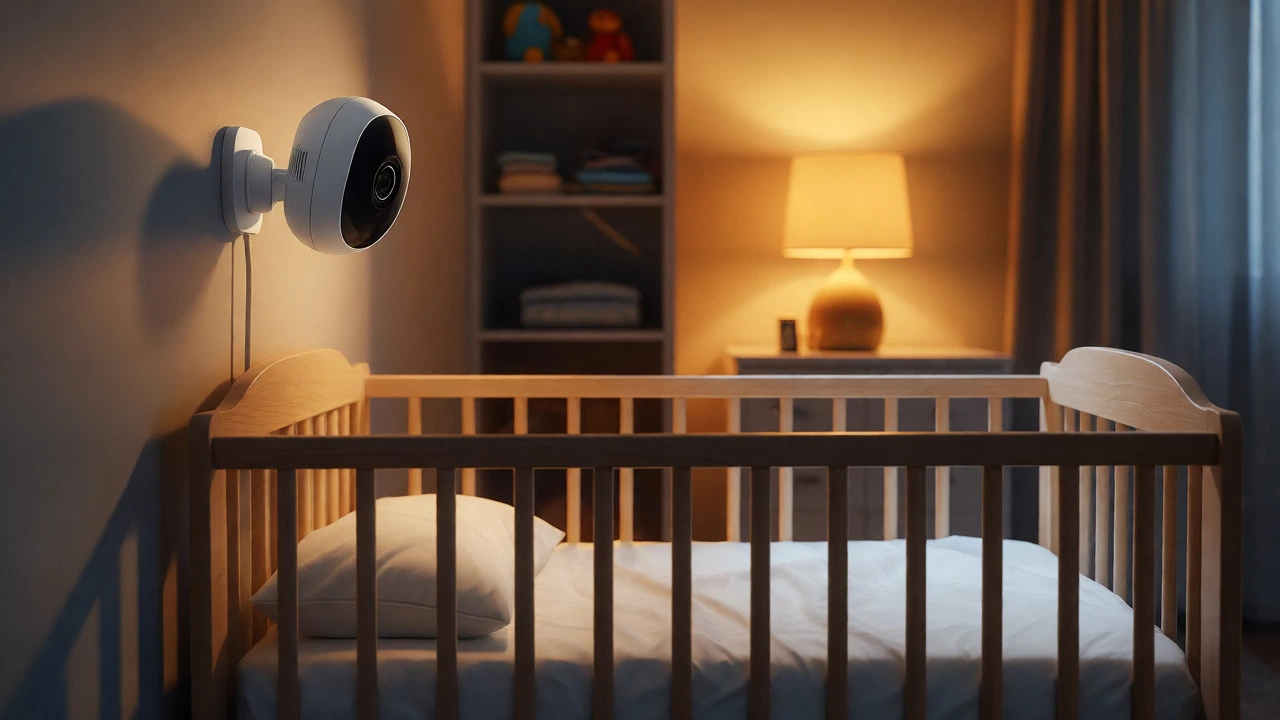
If radiation anxiety keeps you up at night, opting for a corded video monitor eliminates RF exposure entirely. For everyone else, simply placing the camera unit at least three feet away from the crib rails mitigates any theoretical risk to negligible levels.
The Physical Safety Hazards Parents Overlook
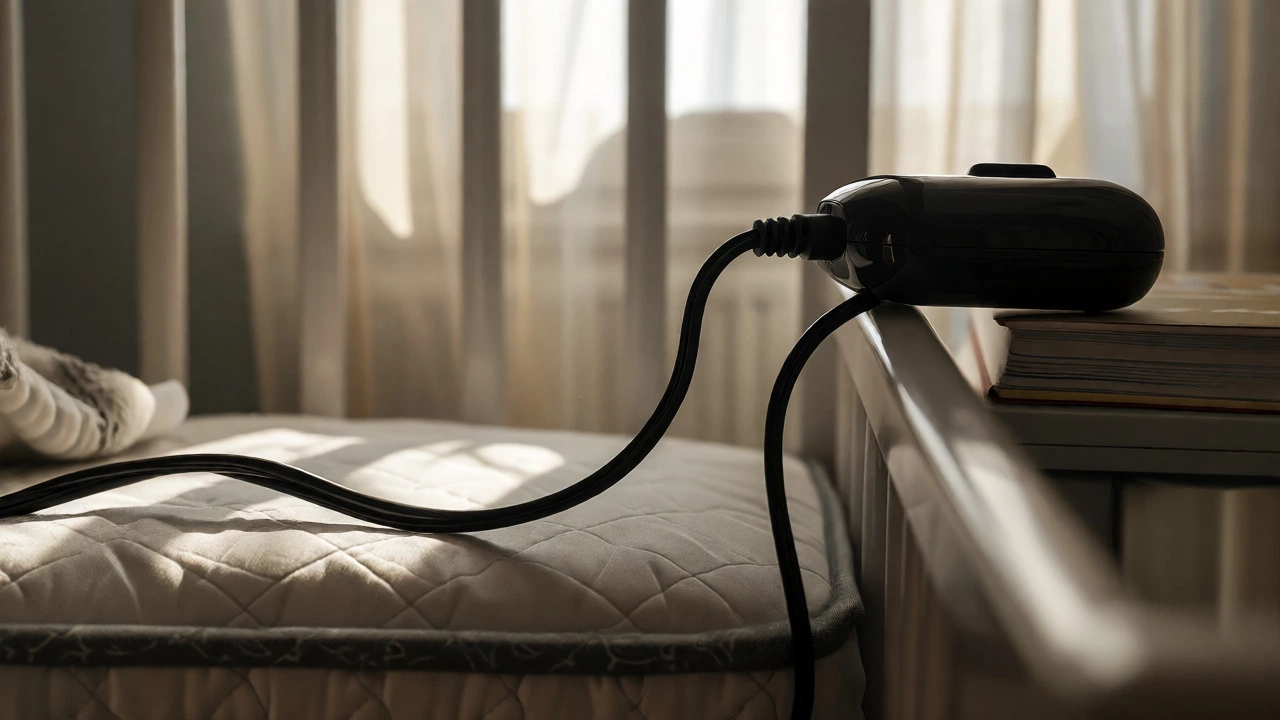
While we worry about invisible waves, the most immediate dangers associated with baby monitors are surprisingly tangible. Cables and cords are the primary culprits. The Consumer Product Safety Commission (CPSC) warns that strangulation hazards from monitor cords are real and documented.
Newborns have limited mobility, but their reflexes are strong. A loose power cord dangling within reach can become a loop around a neck. This isn’t just about the camera unit inside the crib; it’s also about the receiver parent holds. If you’re co-sleeping or nursing in bed, a long charging cable tangled around your arm or the baby’s head is a genuine suffocation risk.
- Cable Management: Always route cords behind furniture or along walls, out of the baby’s reach. Use cord shorteners or clips to secure excess length.
- Mounting Height: Place cameras high enough so a reaching toddler cannot pull them down. A falling plastic casing can cause injury.
- Battery Leaks: Check battery compartments regularly. Corroded batteries can leak chemicals if the unit falls into the crib.
Another overlooked hazard is overheating. Some smart cameras generate heat during operation. While rare, placing a hot unit directly on a soft mattress or blanket could theoretically contribute to thermal stress. Hard surfaces like shelves or wall mounts are safer bets than soft bedding.
Does Screen Time Hurt Development?
A common misconception is that watching your baby on a monitor counts as "screen time" for the infant. It doesn’t. The baby isn’t looking at the screen; you are. The child is sleeping, playing, or feeding independently. The only potential developmental impact is indirect: if the monitor causes parental anxiety, it might affect interaction quality.
Research published in Pediatrics suggests that excessive reliance on monitors can lead to hyper-vigilance. Parents may rush in at every minor noise, preventing the baby from learning self-soothing skills. Conversely, some parents ignore the monitor entirely, missing cues for illness or distress.
The key is balance. Use the monitor as a tool, not a crutch. If your baby makes a grunting sound but settles back down, let them be. If they cry continuously, intervene. Trust your instincts over the pixelated image.
Choosing the Right Monitor for Newborns
Not all monitors are created equal, especially for newborns who spend most of their day sleeping. Your choice depends on your specific needs and living situation.
For pure safety and simplicity, audio-only DECT monitors are hard to beat. They don’t transmit video data, meaning less bandwidth usage and lower RF output. They are also less likely to tempt you into checking the screen constantly, which disrupts your own sleep cycle.
Video monitors offer peace of mind, particularly for parents of preemies or babies with medical conditions where visual checks are vital. Look for features like two-way talk (to soothe without entering the room) and night vision that doesn’t use infrared LEDs too close to the baby’s eyes, though these are generally considered safe.
Wearable monitors, like socks that track oxygen levels, have gained popularity. However, the AAP does not recommend these for healthy infants to prevent SIDS. They are useful for high-risk cases under medical supervision but can create false alarms that cause unnecessary panic for typical families.
Best Practices for Safe Monitor Use
To maximize safety and minimize risk, follow these practical steps derived from pediatrician recommendations and product safety standards:
- Distance is Key: Keep the camera unit at least 3 feet (1 meter) from the crib bars. This reduces RF exposure and prevents grabbing.
- Secure the Cords: Tape or clip all cables to the wall or furniture. Ensure no slack remains near the floor or crib.
- Regular Inspections: Check for frayed wires or loose parts weekly. Babies grow fast, and their reach expands quickly.
- Mute Notifications: If using a smart app, disable push notifications for minor movements. Only alert you for sustained crying or silence.
- Privacy Settings: For Wi-Fi cameras, change default passwords immediately. Hackers accessing baby feeds is a privacy risk, not a physical one, but it adds stress.
Remember, the monitor is there to support you, not replace your presence. When you are in the house, trust your ears. Use the monitor primarily when you are upstairs, in the garden, or asleep.
When to Consult a Pediatrician
If you notice irregular breathing patterns on your monitor that seem concerning, don’t rely solely on the device. Monitors can miss subtle changes or misinterpret normal newborn sounds. If your baby seems lethargic, has a bluish tint around the lips, or pauses breathing for more than 20 seconds, seek medical advice immediately.
Also, discuss your monitor setup with your doctor during checkups. They can advise if your baby’s specific health history warrants a specialized monitor, such as one with pulse oximetry, or if a standard video/audio unit is sufficient.
Do baby monitors emit harmful radiation?
No, current scientific consensus indicates that the non-ionizing radiofrequency (RF) radiation emitted by standard baby monitors is safe. Levels are far below international safety limits set by organizations like the FCC and ICNIRP. Keeping the unit a few feet from the crib further minimizes exposure.
Can baby monitors prevent SIDS?
There is no evidence that consumer baby monitors reduce the risk of Sudden Infant Death Syndrome (SIDS). The American Academy of Pediatrics recommends following safe sleep practices (back to sleep, firm surface, no loose bedding) rather than relying on monitors for SIDS prevention.
Is it safe to leave a baby monitor plugged in overnight?
Yes, provided the cord is safely routed away from the crib to prevent strangulation. Ensure the adapter and cord are in good condition, free from fraying, and that the unit is placed on a stable surface out of the baby's reach.
Which is safer: Wi-Fi or dedicated baby monitors?
Both are physically safe. Dedicated monitors often use DECT technology, which may have slightly lower RF emissions and better interference resistance than Wi-Fi. Wi-Fi monitors offer remote access but require stronger security measures to protect privacy.
Should I buy a wearable monitor for my newborn?
For healthy full-term infants, wearables are not medically necessary and may cause false alarms. They are typically recommended for premature infants or those with specific respiratory concerns under a doctor's guidance.