Best Baby Carrier for You: A Practical Guide to Choosing the Right Fit
Baby Carrier Matchmaker
Answer three simple questions to find the best carrier type for your current situation.
Your Recommendation
Please select your options and click "Find My Carrier".
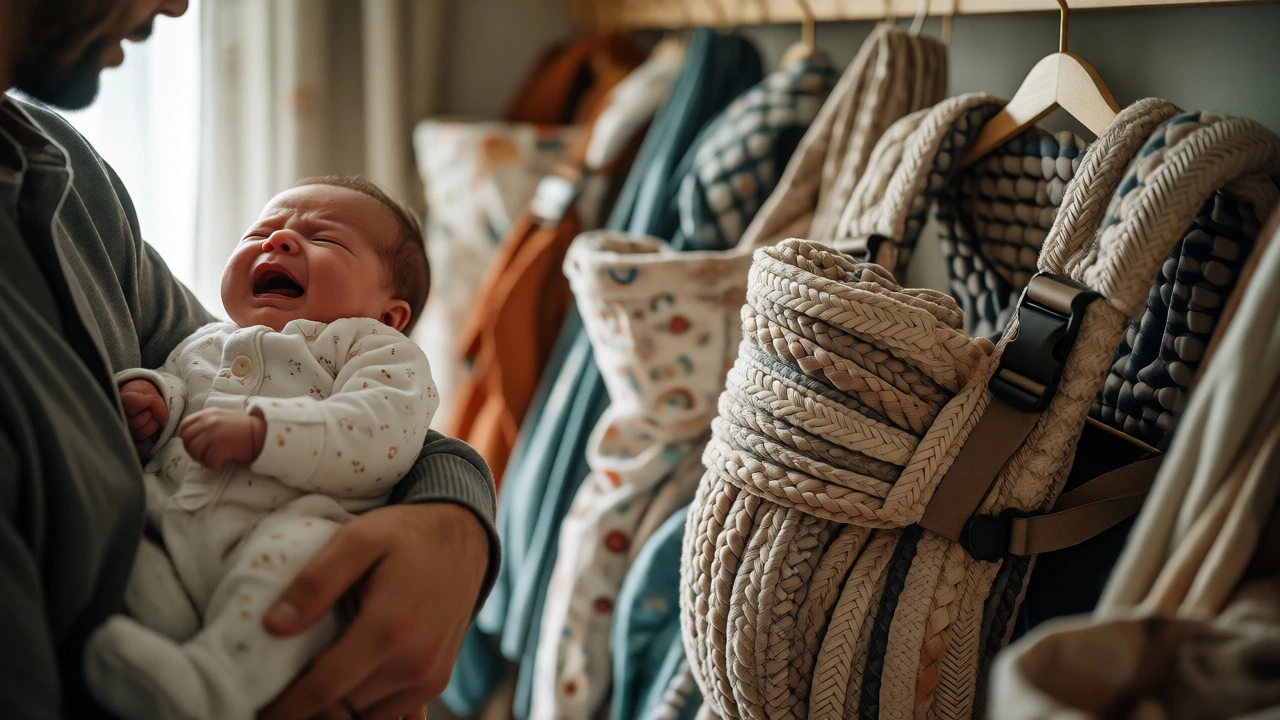
You’re standing in the nursery, holding a newborn who screams the second you put them down, and staring at a shelf full of straps, buckles, and fabric. It’s overwhelming. There are wraps that look like origami projects, structured carriers that resemble hiking gear, and slings that seem suspiciously simple. Which one actually works? The truth is, there is no single "best" baby carrier for everyone. The right choice depends entirely on your body type, your baby’s age, and what you actually plan to do while wearing them.
I’ve tested dozens of these over the years here in Vancouver, from rainy market trips to forest hikes. I’ve learned that comfort isn’t just about padding; it’s about physics and ergonomics. If you pick the wrong tool, you’ll end up with back pain and a cranky baby. Let’s break down how to choose without wasting money on gear that sits in the closet.
The Core Question: What Are You Trying to Solve?
Before looking at brands, ask yourself what problem this carrier needs to fix. This determines the category you should focus on.
- Newborn Snuggler: You need something that supports the head and keeps the legs in an "M" position (knees higher than bottom). You probably don’t want complex buckles if you’re sleep-deprived.
- Active Parent: You walk a lot, maybe hike or take public transit. You need weight distribution across both shoulders and hips to prevent fatigue.
- Toddler Hauler: Your child weighs 20+ pounds. You need sturdy support, possibly a hip seat, because your arms are tired of lifting.
- Nursing Friendly: You need easy access to feed without fully undressing the baby or removing the carrier.
If you try to use one carrier for all these stages, you’ll likely fail. A wrap is terrible for a walking toddler. A heavy structured carrier is overkill for a sleeping newborn. Buy for the stage you are in now, or buy two specific tools.
Structured Soft Carriers (SSCs): The All-Rounder
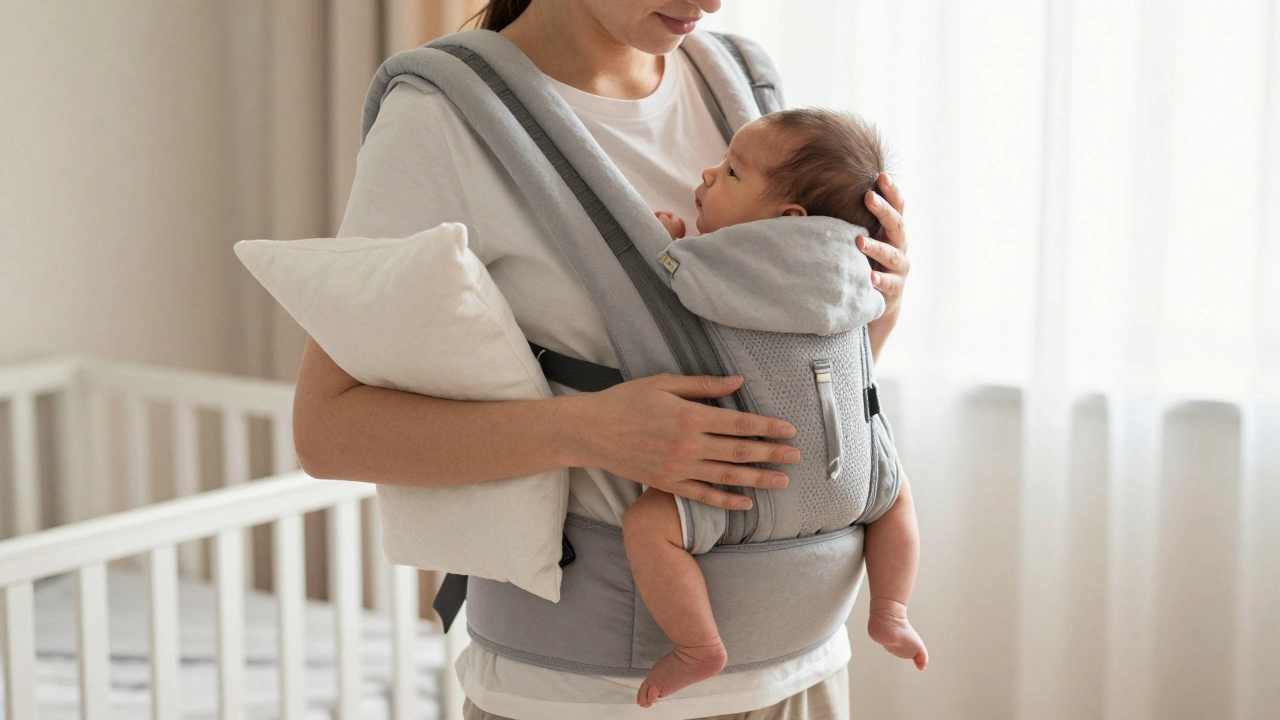
When people say "baby carrier," they usually mean a Structured Soft Carrier. These have padded waistbands, shoulder straps, and adjustable panels. They are the most versatile option for parents who want to wear their child from infancy through toddlerhood.
Look for adjustability. A good SSC should allow you to change the width and height of the panel as your baby grows. Brands like Ergobaby, Lillebaby, and Tula dominate this space, but local makers often offer better fit options. The key feature here is the waistband. It must sit on your hips, not your waist. If it rides high, it digs into your stomach and fails to transfer weight to your skeletal structure.
| Feature | Benefit | Best For |
|---|---|---|
| Padded Waistband | Distributes weight to hips | Parents with back issues |
| Crossable Straps | Easier nursing access | Breastfeeding parents |
| Hood Support | Supports head when sleeping | Naptime outdoors |
| Mesh Panel | Breathability | Warm climates/summer |
One common mistake is tightening the straps too much before seating the baby. Loosen everything, put the baby in, then tighten the waistband first, then the shoulders. This ensures the baby is high enough to kiss their head.
Ring Slings: Quick and Customizable
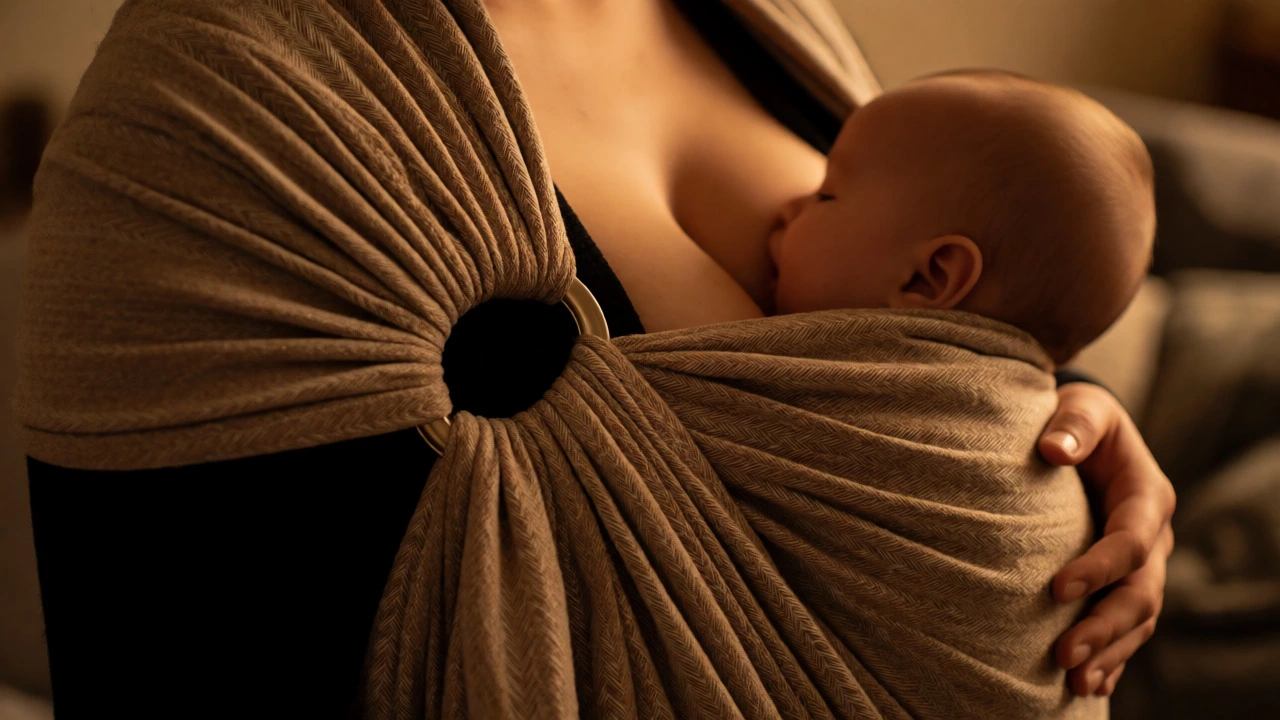
A ring sling is a long piece of fabric threaded through two metal rings. It creates a custom pouch that holds the baby against your chest. Unlike SSCs, ring slings are one-shouldered, which shifts weight differently.
They are incredibly fast to use once you learn the technique. You can take them off and put them back on in seconds, making them perfect for quick errands or nursing. However, they place more strain on one shoulder. If you have existing shoulder injuries, be cautious. Also, ensure the fabric is breathable cotton or linen. Synthetic fabrics can trap heat, leading to overheating for both you and the baby.
Pro tip: Check the tail length. Some slings have short tails that make adjusting difficult for larger adults. Look for slings with extra-long tails if you are over 6 feet tall or wear plus-size clothing.
Woven Wraps: The Gold Standard for Newborns
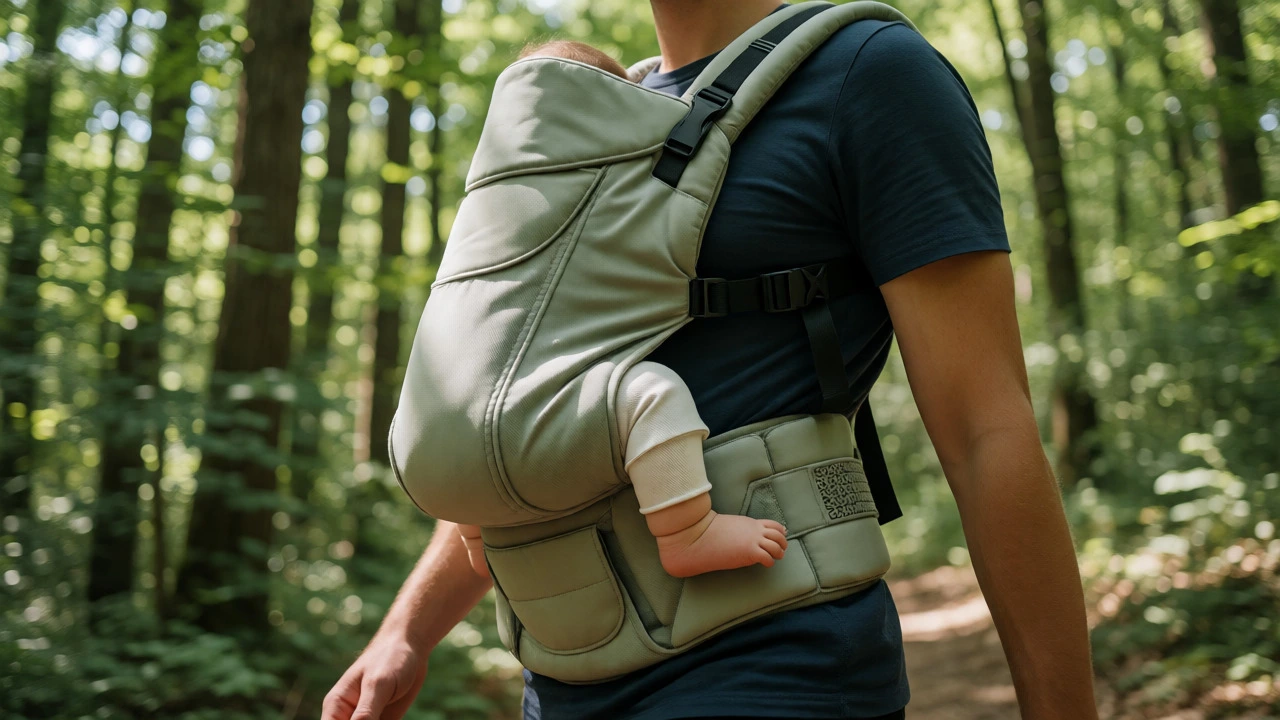
If you have a newborn under four months, a woven wrap is often the most comfortable option. It distributes weight evenly across your entire torso, back, and shoulders. There are no buckles to fiddle with, just fabric.
The learning curve is steep. You will feel clumsy for the first week. But once you master the basic front carry, it feels like hugging your baby. The fabric molds to your shape and theirs. Look for wraps made from bamboo blends or merino wool for stretch and softness. Cotton is durable but less forgiving for beginners.
Wraps are also great for preemies or low-birth-weight babies because they provide snug, womb-like containment. Just remember: safety rules apply strictly. Keep the baby’s chin off their chest to ensure airway clearance. If their nose is buried in fabric, they might struggle to breathe.
Meh Dai and Pouch Slings: Niche Options
A Meh Dai is a traditional Asian carrier with a square body and four long straps. It combines the ease of a wrap with some structure of an SSC. It’s lightweight and packs small, making it excellent for travel.
Pouch slings are tubes of fabric sewn together. They come in fixed sizes. You step into one side, pull the other side over your shoulder, and drop the baby into the pouch. No tying required. They are super convenient but lack adjustability. If you gain or lose weight, or share the carrier with a partner of a different size, a pouch might not fit well. They are best for parents who stay within a stable weight range.
Safety First: The T.I.C.K.S. Rule
No matter which carrier you choose, safety is non-negotiable. The American Academy of Pediatrics recommends following the T.I.C.K.S. rule to prevent positional asphyxia.
- Tight: The carrier should hold the baby close to your body. Loose fabric allows the baby to slump.
- In view at all times: You should always see the baby’s face. If you can’t see them, turn your head.
- Close enough to kiss: Lower your head to kiss the top of their head. If you can’t reach, raise the baby.
- Keep chin off the chest: Ensure the baby’s head is turned to the side so their nose is clear. Their chin should never press against their chest.
- Supported back: The carrier must support the baby’s back so their tummy and chest are pressed against yours.
Also, check the manufacturer’s weight limits. Do not exceed the maximum weight rating. Overloading a carrier can cause structural failure, especially with older buckles or worn fabric.
Fit Matters More Than Brand
You can buy the most expensive carrier in the world, but if it doesn’t fit your body, it will hurt. Women generally have narrower shoulders and wider hips than men. Men often have longer torsos. Many mainstream brands design for average female bodies, leaving dads or plus-size parents struggling.
Try before you buy if possible. Visit a local babywearing consultant. In Vancouver, groups like the Vancouver Babywearing Group offer lending libraries. You can borrow carriers for a week to test them in real life. This saves hundreds of dollars compared to buying online and returning items that don’t work.
If you must buy online, measure your torso height (from armpit to hip bone) and compare it to the brand’s sizing chart. Don’t guess based on clothing size. Sizing charts vary wildly between brands.
Weather Considerations for Canadian Parents
Living in a climate with distinct seasons means you need adaptable gear. In summer, avoid thick padded carriers. Choose mesh panels or thin linen wraps. In winter, layering is tricky. Put the carrier on over your base layers, then add a coat or poncho over the baby. Never put a bulky coat on the baby inside the carrier, as it prevents proper tightening and creates air gaps where cold drafts enter.
Rain covers are essential. Most carriers are not waterproof. Even water-resistant ones leak at seams. Buy a dedicated rain cover that fits over the carrier and baby, keeping the parent dry underneath.
Is it safe to wear my baby facing out?
Facing out is generally discouraged by pediatricians until the baby has strong neck control, usually around 5-6 months. Facing out forces the legs into a dangling position rather than the ergonomic "M" shape, which can stress developing hips. It also exposes the baby to overstimulation. Once they are older, you can use facing-out sparingly for short periods, but inward-facing remains the safest and most ergonomic default.
Can I breastfeed in a baby carrier?
Yes, many carriers are designed for this. Structured carriers with crossable straps allow you to loosen one strap and lower the baby for latching. Ring slings are naturally nursing-friendly due to their open design. Woven wraps require practice but offer excellent privacy. Always ensure the baby’s nose remains clear during feeding to maintain airflow.
How do I clean a baby carrier?
Check the care label first. Most cotton and synthetic carriers are machine washable on gentle cycles with mild detergent. Avoid fabric softeners as they reduce breathability and flame resistance. Air dry only; tumble drying can shrink fabric and damage buckles. Leather accents may need special conditioning. Always re-tighten straps after washing, as wet fabric stretches.
What is hip dysplasia and how does carrying affect it?
Hip dysplasia is a condition where the hip joint doesn't form properly. Babywearing promotes healthy hip development when done correctly. The ideal position is the "froggy" or "M" position, where the knees are higher than the buttocks and thighs are supported. Dangling straight-legged carriers can increase the risk of dysplasia. Always ensure the carrier spreads the baby's legs wide apart.
Are used baby carriers safe?
Used carriers can be safe if inspected thoroughly. Check for frayed stitching, cracked plastic buckles, and weakened fabric. Metal rings should not have sharp edges. If the carrier was recalled by the Consumer Product Safety Commission (CPSC), discard it immediately regardless of condition. Sanitize according to manufacturer instructions before use.