Do I Need to Sterilize Baby Bottles Every Time? Simple Rules for New Parents
Baby Bottle Sterilization Checker
This tool helps determine if sterilization is necessary based on your baby's specific circumstances. Follow the article guidelines for best practice.
Enter your baby's information to get personalized guidance.
When you’re new to feeding a baby, even the smallest routine can feel overwhelming. One of the most common questions new parents ask: Do I need to sterilize baby bottles every time? The short answer? No, you don’t. But there’s a lot more to it than yes or no.
When Sterilization Actually Matters
Sterilizing baby bottles isn’t about being overly cautious - it’s about protecting your baby during their most vulnerable months. Your newborn’s immune system is still learning how to fight off germs. For babies under three months old, especially those born prematurely or with health conditions, sterilizing bottles after each use is still the safest practice.
Health Canada and the American Academy of Pediatrics both recommend sterilizing bottles and nipples before the first use. After that, daily sterilization is only necessary if your baby is under three months, has a weakened immune system, or if you’re using well water or have unreliable tap water.
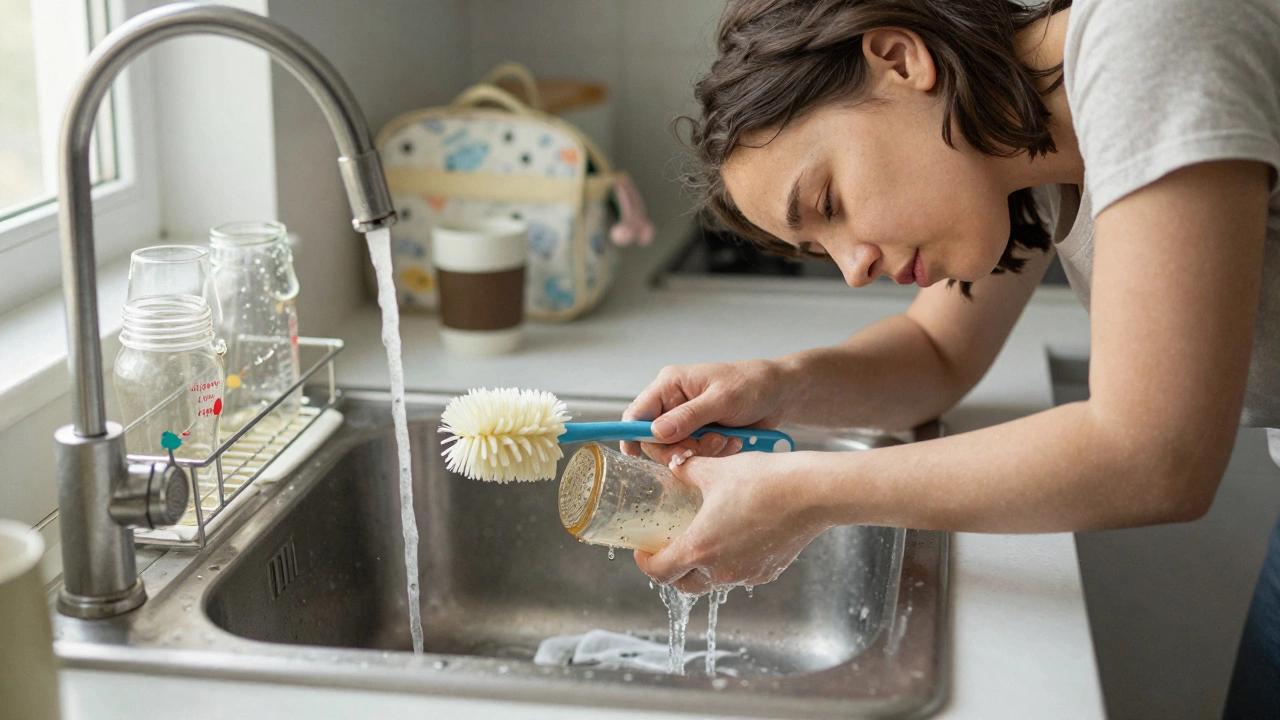
For most healthy babies over three months with clean tap water, thorough washing with hot, soapy water is enough. That means using a bottle brush to scrub inside, rinsing well, and letting everything air-dry on a clean rack. No boiling. No steam. No fancy gadgets.
Why Sterilizing Every Time Isn’t Necessary
Let’s be real - sterilizing bottles after every feed is exhausting. You’re up at night, feeding, changing, soothing. Adding a 10-minute boiling step every time? It’s not just impractical - it’s unnecessary for most families.
Studies from the University of Toronto and the UK’s NHS show that after three months, a baby’s immune system becomes much better at handling common bacteria found in household environments. The risk of serious infection from a bottle that’s been washed well with soap and hot water drops dramatically.
Think about it: your baby puts their hands, toys, and even their feet in their mouth all day. If your home isn’t a sterile lab, why should their bottle be? What matters isn’t total germ elimination - it’s reducing harmful bacteria to safe levels. That’s what proper washing does.
What Counts as "Proper Washing"?
Not all cleaning is the same. Just rinsing with water doesn’t cut it. Here’s what actually works:
- Wash your hands before handling bottles.
- Disassemble all parts: nipple, cap, ring, valve.
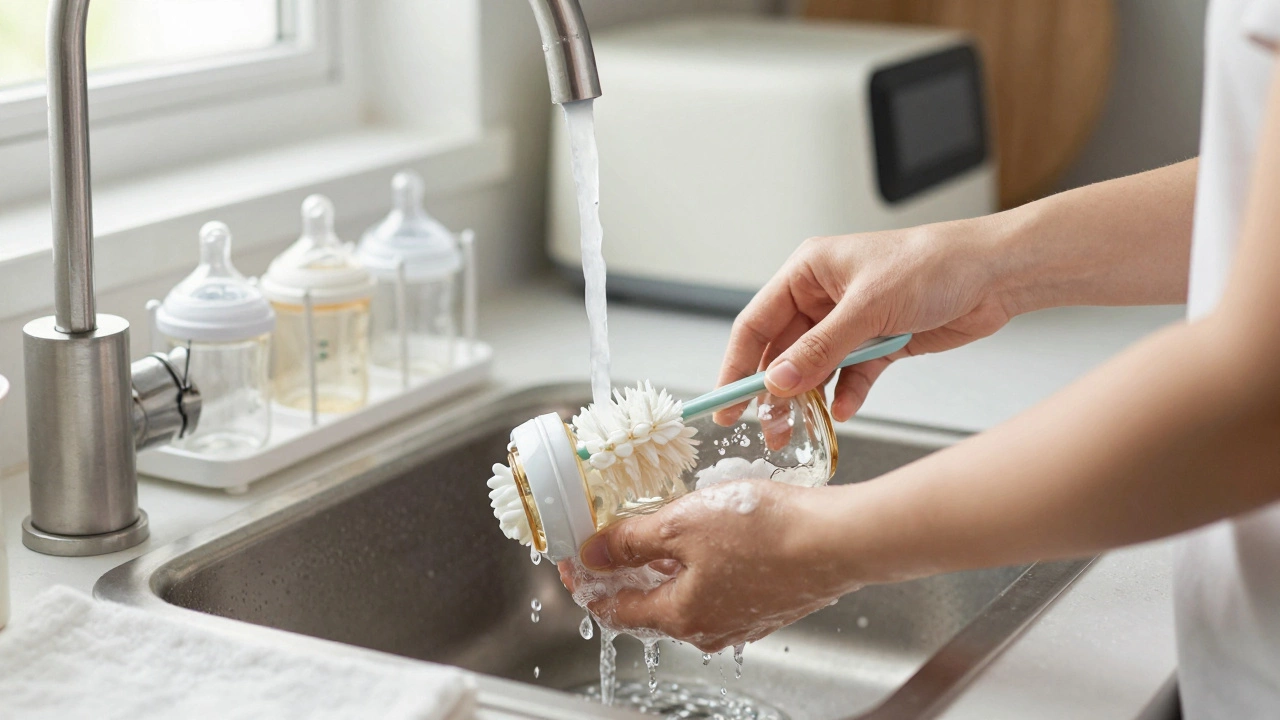
- Use hot, soapy water and a dedicated bottle brush. Scrub the inside of the bottle and the nipple thoroughly.
- Rinse under running water until all soap is gone.
- Let everything air-dry on a clean, unused towel or a dedicated drying rack. Don’t towel-dry - that introduces new germs.
- Store assembled bottles in a clean, covered container. No need for a sealed sterilizer.
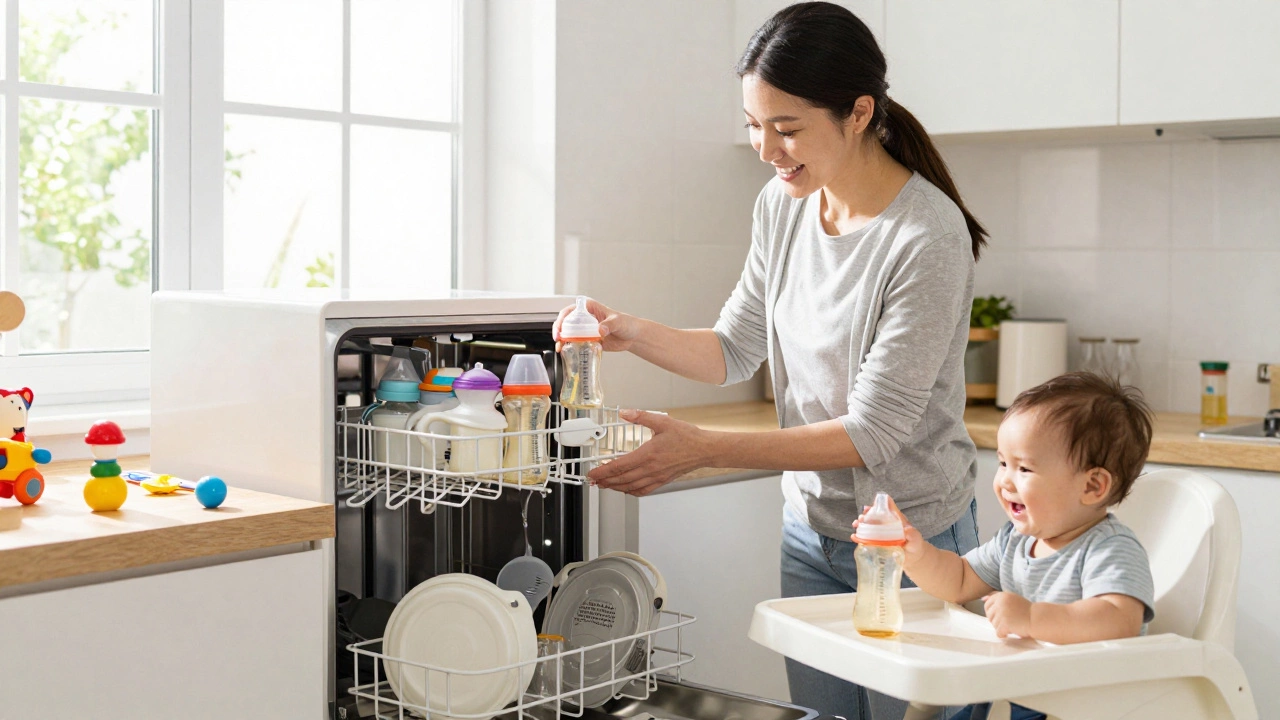
Some parents use dishwashers. That’s fine - as long as the bottles are dishwasher-safe and you place them on the top rack. High heat from a dishwasher can kill most bacteria, especially if you use a sanitize cycle. But don’t skip the pre-rinse. Leftover milk or formula can bake onto surfaces and become harder to clean.
When You Should Still Sterilize
There are times when skipping sterilization isn’t safe:
- Your baby is under three months old.
- Your baby was born prematurely or has a chronic illness.
- You’re using water from a private well or untreated source.
- You’ve just returned from a trip and your water source is unfamiliar.
- Your baby has had a recent bout of diarrhea or vomiting.
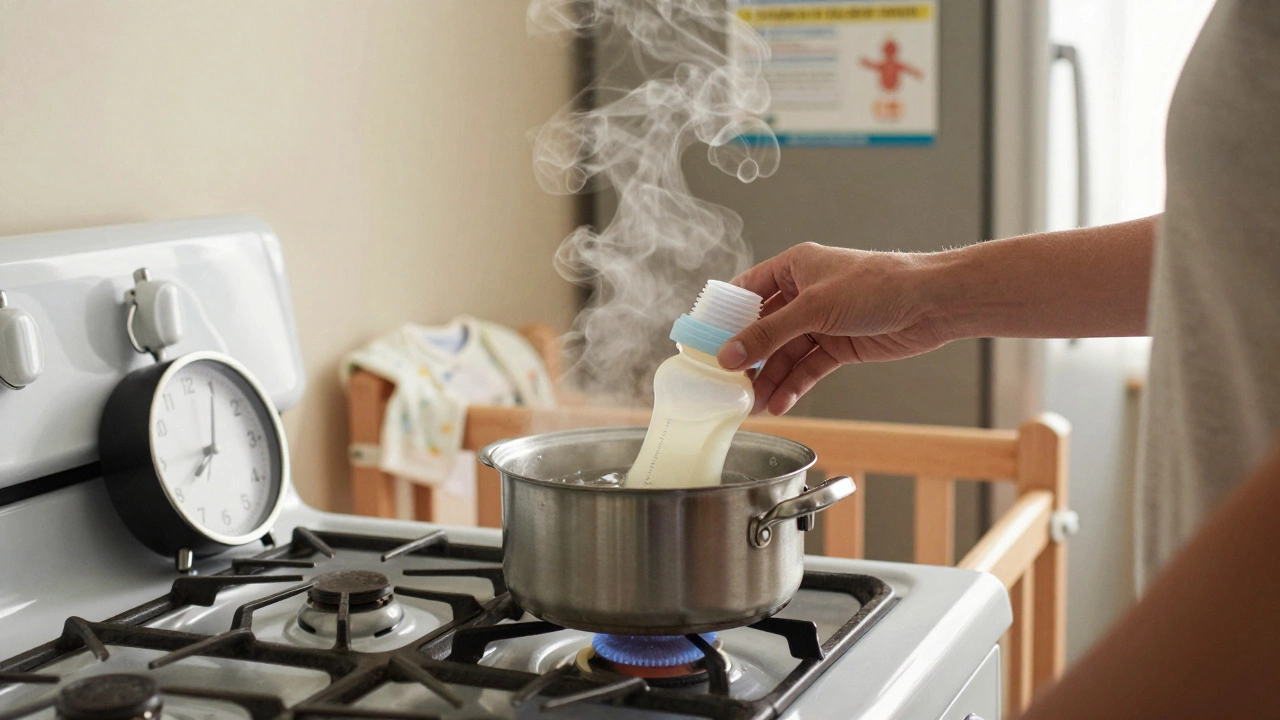
If any of these apply, go back to sterilizing daily. Boiling works: submerge all parts in boiling water for five minutes. Steam sterilizers (electric or microwave) are convenient but not required. You don’t need to buy a $100 device - a simple pot on the stove does the job.
Myths About Sterilization
There’s a lot of misinformation out there. Let’s clear up a few:
- "You need to sterilize after every use." - False. This was a common recommendation 20 years ago, but science has changed.
- "Sterilizers kill all germs." - No. They kill most common bacteria, but not spores or viruses. Washing well does too.
- "If you don’t sterilize, your baby will get sick." - Unlikely, if they’re over three months and your water is safe.
- "Bottles are fine if they smell okay." - Smell doesn’t tell you about bacteria. Always clean with soap and water.
What About Pacifiers and Breast Pump Parts?
Same rules apply. For babies under three months, sterilize pacifiers daily. After that, washing with hot, soapy water is fine. For breast pump parts, wash after each use. Sterilize once a day if your baby is under three months, or if they’re sick.
Many parents get confused because breast pump parts are often sterilized more strictly. That’s because breast milk is a nutrient-rich medium for bacteria. Bottles with formula or water are less risky once cleaned properly.
Real-Life Tips from Vancouver Parents
In our household, we sterilized bottles for the first six weeks. After that, we switched to hot soapy water. We noticed no difference in our baby’s health. We still boil the nipples once a week - not because we have to, but because it gives us peace of mind.
Another parent I know uses a dishwasher for bottles. She runs it on the sanitize cycle every night. Her twins are 10 months old and have never had a stomach bug. No sterilizer. No extra time. Just good cleaning habits.
The key isn’t perfection - it’s consistency. Clean bottles, clean hands, clean surfaces. That’s what keeps your baby safe.
What to Do If You’re Still Unsure
Still nervous? Talk to your pediatrician. Ask: "Is my baby at higher risk?" "Is our water safe?" "Do you recommend sterilization?"
Most doctors will tell you the same thing: after three months, washing with soap and hot water is sufficient - unless there’s a specific health concern.
Don’t let fear drive your routine. You’re doing better than you think. Your baby doesn’t need a sterile world. They need a clean, loving, consistent one.