Emergency Baby Formula: What to Use When Supplies Run Low
Emergency Feeding Decision Tool
Select your baby's age group to see which substitutes are safe, risky, or ideal when standard formula runs out.
Newborn
0 - 6 Months
Infant
6 - 12 Months
Toddler
12+ Months
Safety Check of Available Options
| Option | Status | Notes |
|---|
Select supplies to assess risk.
Select an age group and check your supplies to generate a plan.
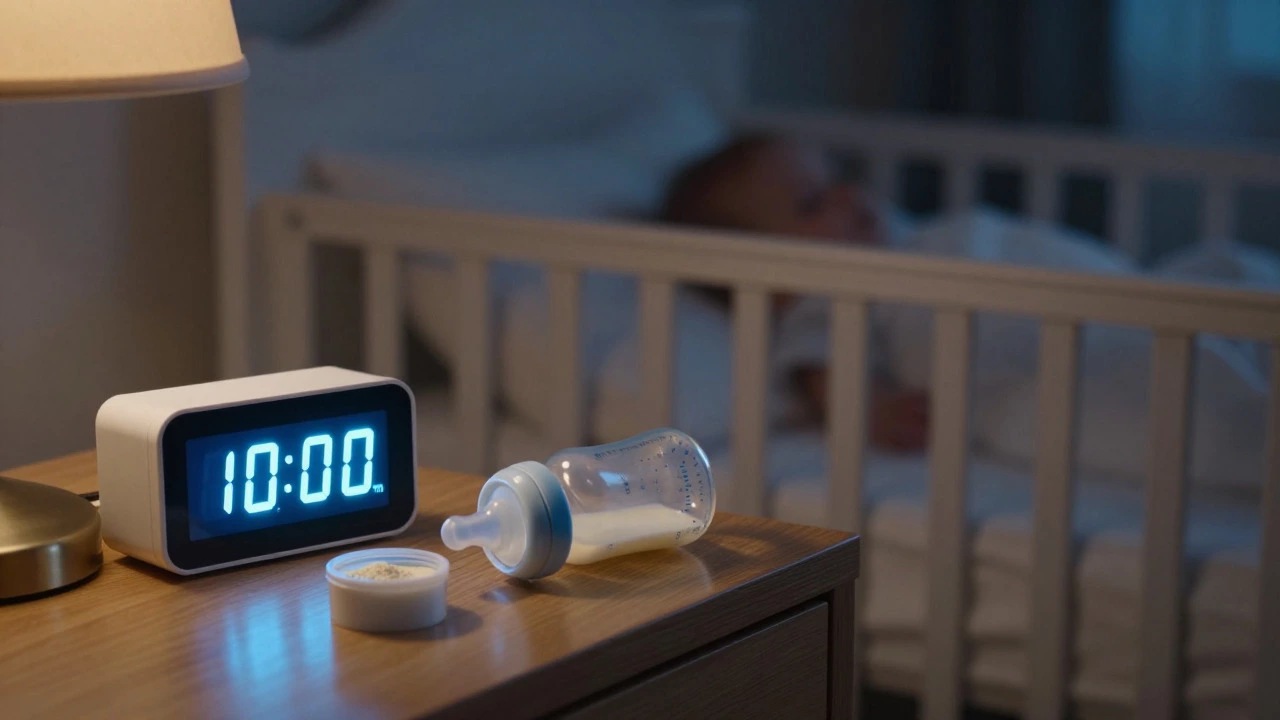
Imagine it is 2:00 AM. Your baby is screaming, stomach empty, and the fridge is bare. You just used the last drop of breast milk or your primary infant formula. Panic sets in. Is water okay? Can you give juice? This is where the concept of emergency baby formula comes into play. It isn't a special product sold in a red box at the pharmacy; rather, it refers to safe, temporary alternatives that keep your infant hydrated and fed until you can restock proper supplies. Understanding what qualifies as an emergency feed saves stress and prevents nutritional gaps during those critical first few months of life.
Defining Emergency Feeding for Infants
First, let's clear up the confusion. There is no single "emergency formula" brand. Instead, emergency feeding is a strategy involving safe substitutes when standard options are unavailable. The goal is simple: maintain hydration and provide basic calories without introducing harmful bacteria or excessive sugar. For babies under six months, the gold standard remains breast milk or standard infant formula. However, if both are gone, you have limited but viable options depending on the baby's age and health status.
The primary risk in these situations is dehydration, not hunger. Babies lose fluids quickly, especially in hot weather or if they have a fever. Therefore, any emergency solution must prioritize fluid intake. You should avoid homemade formulas made from cow's milk alone, as it lacks essential iron and vitamins and can be hard for a tiny digestive system to process. Similarly, fruit juices contain too much sugar and lack protein, making them poor choices for regular feeding, though a small amount might be better than nothing in a true pinch for older infants.
Safe Alternatives by Age Group
Not all babies react the same way to substitutes. The safest approach depends heavily on whether your child is a newborn or has started solids. Here is how to navigate the options based on developmental stages.
- Newborns (0-6 months): The best option is expressed breast milk stored in the freezer or fridge. If that’s unavailable, store-bought ready-to-feed infant formula is ideal because it requires no mixing. If only powder is available, use clean, boiled-and-cooled water to mix it according to package instructions. Avoid using tap water directly if you suspect contamination risks, though municipal water is generally safe in developed areas like Vancouver.
- Infants (6-12 months): These babies are likely eating solid foods. You can supplement with extra portions of pureed vegetables, fruits, or grains. Plain water is also acceptable in small amounts to prevent dehydration. Yogurt without added sugar is another excellent source of calcium and probiotics.
- Toddlers (12+ months): By this age, most children drink whole cow's milk. If formula runs out, switch to whole milk immediately. They can also eat soft finger foods like bananas, mashed potatoes, or toast to bridge the gap.
Why Cow's Milk Alone Isn't Enough for Babies
A common myth is that a bottle of plain cow's milk is a perfect substitute for formula. While it provides calories, it is missing key components for infants under one year old. Specifically, cow's milk has high levels of sodium and potassium, which strain immature kidneys. It also lacks sufficient iron, which is critical for brain development in the first year. According to the American Academy of Pediatrics, exclusive cow's milk feeding before age one can lead to anemia and electrolyte imbalances. So, while it’s better than water for a toddler, it’s risky for a three-month-old unless prescribed by a doctor.
If you find yourself stuck with only cow's milk for a young infant, limit the amount and ensure the baby is getting other nutrients through solids if possible. But generally, stick to fortified infant formula or breast milk. The difference in nutrient density is significant. Infant formula is engineered to mimic the composition of human breast milk, adjusting fat ratios, protein types, and vitamin levels to support rapid growth. Cow's milk does not offer this tailored balance.
Practical Steps During a Supply Shortage
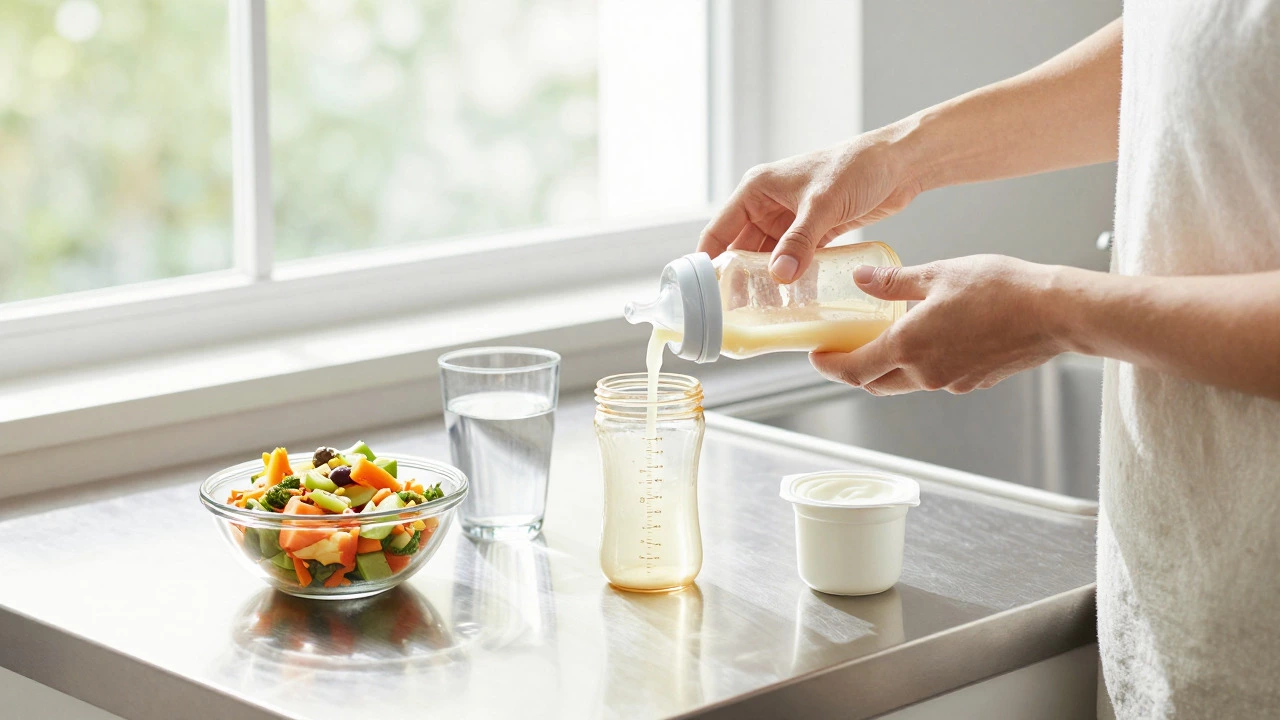
When the crisis hits, follow this checklist to stay calm and act safely:
- Check storage: Look for frozen breast milk or leftover formula in the fridge. Even a small amount helps buy time.
- Assess age: Determine if your baby is over six months. If yes, increase solid food portions. Offer water between feeds.
- Use ready-to-feed bottles: If you have any shelf-stable formula, use it. No mixing means no risk of improper dilution.
- Contact your pediatrician: Call your doctor’s office. They often have samples of formula or can advise on specific dietary adjustments for your child’s weight and health history.
- Visit a neighbor or friend: Sometimes, a quick phone call yields a spare can of formula or a bag of frozen milk.
Do not wait until the baby is crying inconsolably to start these steps. Proactive management reduces stress for both parent and child. Remember, a slightly hungry baby is usually fine for a day or two, provided they remain hydrated and happy. Watch for signs of dehydration, such as fewer wet diapers (less than six per day), dry mouth, or lethargy. If you see these signs, seek medical attention immediately.
Nutritional Comparison of Emergency Options
To help you decide quickly, here is a comparison of common substitutes. Note that "Suitability" refers to general guidelines for healthy infants; always consult your pediatrician for individual needs.
| Option | Best For Age | Key Benefit | Main Risk |
|---|---|---|---|
| Breast Milk (Stored) | 0-12 months | Ideal nutrition and antibodies | None if properly stored |
| Ready-to-Feed Formula | 0-12 months | No mixing required, sterile | Costlier per ounce |
| Powdered Formula + Water | 0-12 months | Standard nutrition profile | Improper mixing ratio |
| Plain Water | 6+ months | Hydration only | Lacks calories/protein |
| Solid Foods (Purees) | 6+ months | Calories and vitamins | Allergy potential |
| Cow's Milk | 12+ months | Calcium and fat | High sodium, low iron for infants |
Preventing Future Emergencies
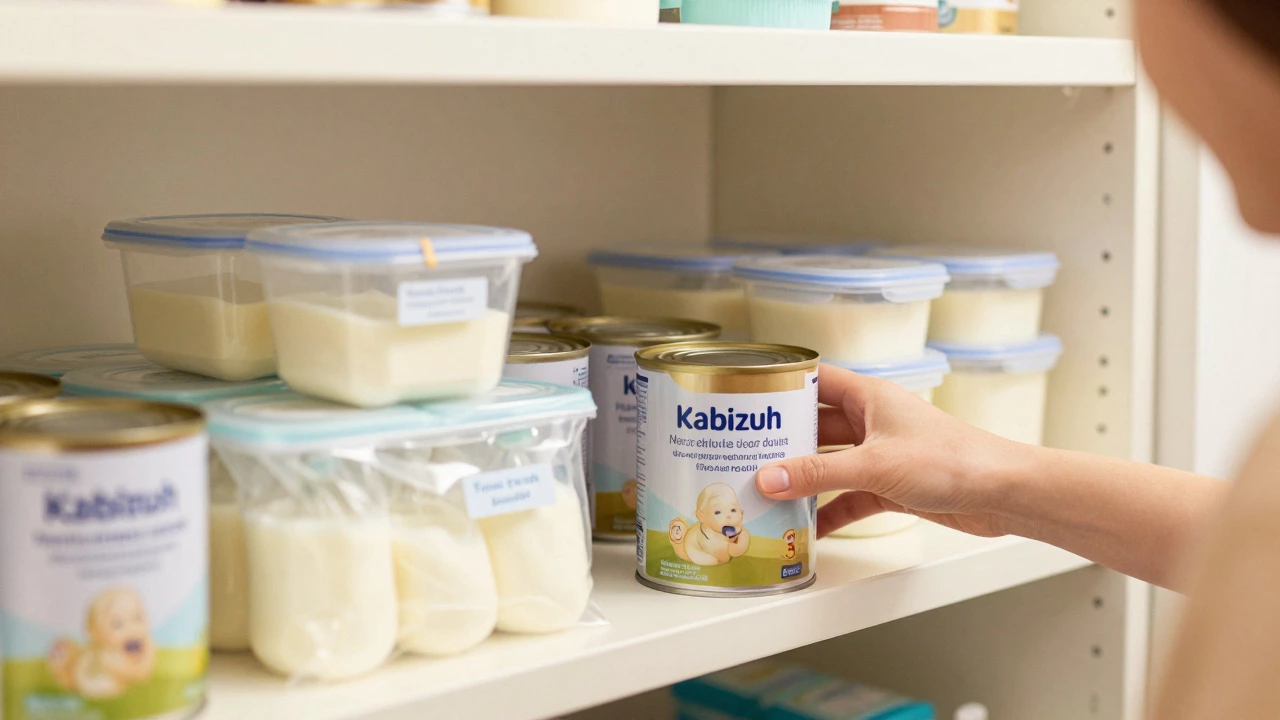
The best way to handle an emergency is to never be in one. Keeping a backup supply is a smart parenting habit. Aim to have at least three days' worth of formula in your pantry, separate from the main stock. If you breastfeed, consider pumping and freezing extra milk during times of good supply. Label containers with dates so you know what is fresh. Additionally, keep a list of nearby pharmacies and stores that carry major brands like Similac or Enfamil. In cities like Vancouver, many grocery stores now stock infant formula on dedicated shelves, making restocking easier than in rural areas.
Also, familiarize yourself with your baby’s routine. Knowing how much they typically eat helps you gauge if an emergency feed is sufficient. If you travel, pack enough formula for the entire trip plus an extra day. Never rely on buying supplies at the destination airport or hotel, as availability can be inconsistent.
Frequently Asked Questions
Can I give my baby water instead of formula?
For babies under six months, water should be minimal because their kidneys are still developing. For babies over six months, small sips of water are safe and helpful for hydration, especially during heat waves or illness. However, water contains no calories, so it should not replace formula entirely unless advised by a doctor.
Is it safe to mix formula with tap water?
In most developed countries, including Canada, tap water is safe to use for mixing formula. Boiling is not necessary unless your local water authority advises otherwise. Always use clean bottles and follow the exact ratio specified on the formula can to avoid dehydration or constipation.
What if my baby refuses the emergency substitute?
Babies can be picky about taste changes. Try warming the liquid slightly to body temperature. If using solids, mix them with a little breast milk or formula if available. If refusal persists, offer smaller, more frequent feeds. If the baby shows signs of distress or dehydration, contact your pediatrician.
How long can I rely on emergency feeding methods?
Ideally, emergency methods should last no longer than 24 to 48 hours. Prolonged use of non-standard diets can lead to nutritional deficiencies. Use this time to secure a full supply of appropriate infant formula or breast milk. Regular check-ins with your healthcare provider ensure your baby stays on track.
Are there specific brands of emergency formula?
No, there is no specific "emergency" brand. All standard infant formulas are designed to meet nutritional standards set by organizations like the FDA or Health Canada. Ready-to-feed versions are simply convenient for emergencies because they don't require mixing. Stick to reputable brands you trust.