How to Make an ADHD Child Happy: A Parent's Guide to Joy and Focus
ADHD Happiness & Focus Activity Generator
Struggling to find the right activity? This tool helps you select an engaging, low-friction task that matches your child's current state, turning potential chaos into focused joy.
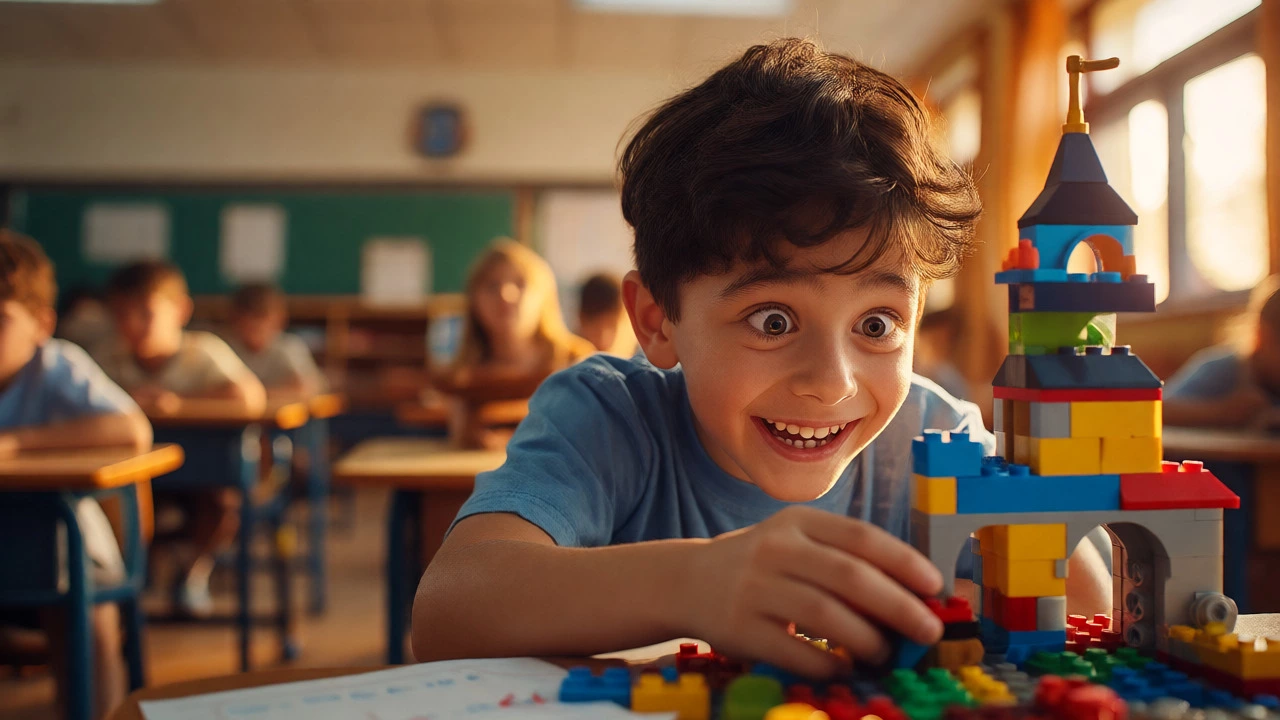
You know that look. The one where your child’s eyes glaze over during homework, but light up like fireworks when they’re building a Lego castle or spinning in circles. It’s confusing, isn’t it? You want them happy, focused, and calm, but their brain seems wired for chaos and intensity. Here is the truth most experts miss: you don’t make an ADHD child happy by forcing them to sit still; you make them happy by feeding their need for stimulation, movement, and immediate reward. Happiness for a neurodivergent kid isn’t about silence-it’s about engagement.
If you are searching for how to make an ADHD child happy, you are likely exhausted from trying standard parenting advice that just doesn’t stick. Traditional methods rely on delayed gratification-"do this now, get a prize later." But for a brain with ADHD, "later" might as well be never. The secret lies in understanding the dopamine deficit. When we align our environment and interactions with how their brain actually works, happiness becomes a natural side effect of being understood, not a forced behavior.
The Dopamine Deficit: Why Boredom Hurts
To understand happiness, you have to understand biology. An ADHD brain has lower levels of dopamine and norepinephrine, neurotransmitters responsible for motivation and pleasure. This means typical activities feel flat. Imagine eating food without tasting salt-that’s what school feels like for many kids with attention issues. They aren’t being difficult; they are starving for stimulation.
When a child is bored, they don’t just yawn. They become agitated, impulsive, or shut down completely. This isn’t bad behavior; it’s a physiological cry for help. If you try to fix this with time-outs or stern lectures, you’re adding stress to an already stressed system. Instead, think of yourself as a curator of experiences. Your job is to provide the right amount of input to keep their engine running smoothly without overheating.
This shift in perspective changes everything. You stop asking, "Why can’t you focus?" and start asking, "What does my child need right now to feel engaged?" That question alone can reduce household tension significantly.
Movement Is Medicine (and Fun)
Sitting still is often the hardest thing an ADHD child has to do. Their bodies crave motion because movement increases blood flow to the prefrontal cortex-the part of the brain responsible for executive function. So, if you want a happy child, let them move. But not just any movement. Intentional, structured physical activity helps regulate their nervous system.
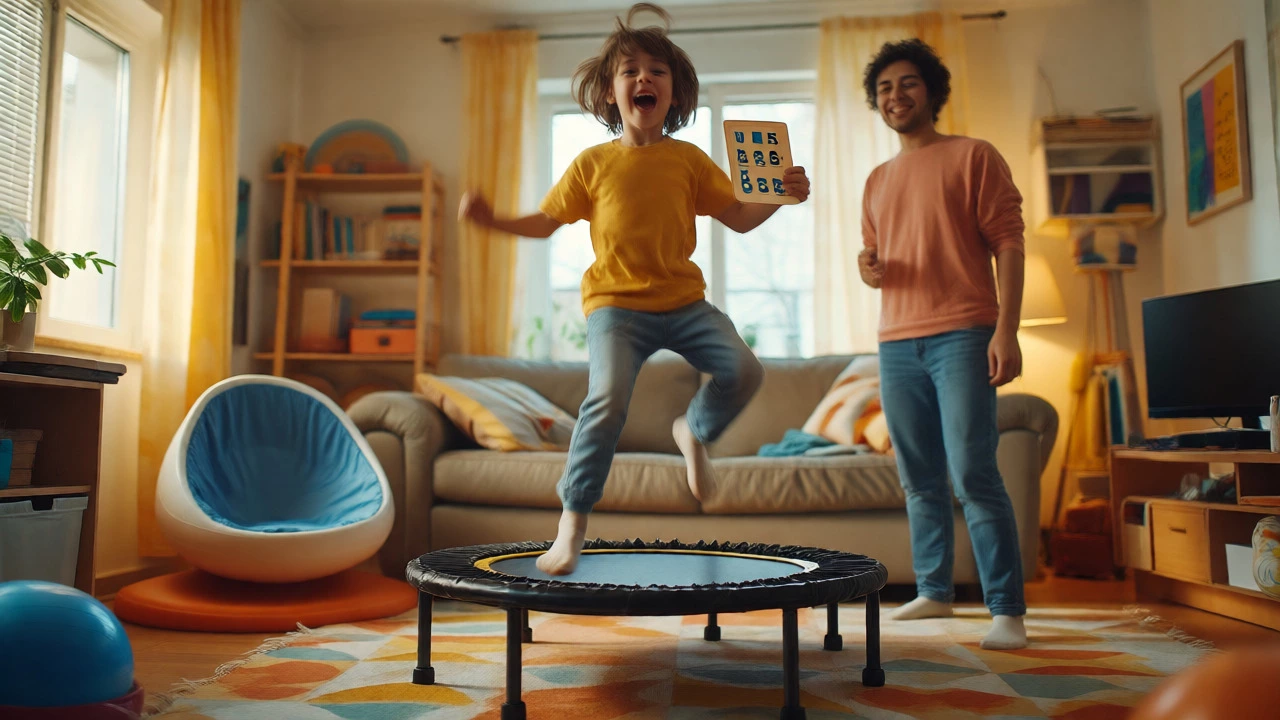
Consider replacing traditional desk work with active learning sessions. Use a balance ball chair instead of a standard chair. Let them stand while doing homework. Better yet, integrate gross motor skills into daily routines. Have them jump on a trampoline while reciting spelling words. Throw a beanbag at a target for every correct math problem solved. These aren’t distractions; they are tools that make learning bearable and even enjoyable.
- Heavy Work: Pushing against a wall, carrying groceries, or wrestling with pillows provides proprioceptive input that calms the body.
- Fidget Toys: Simple items like spinners or textured balls allow micro-movements that help maintain focus during sedentary tasks.
- Nature Walks: Outdoor environments offer unpredictable stimuli that engage the brain without overwhelming it, unlike the static nature of indoor classrooms.
I’ve seen parents struggle with this because society judges children who won’t sit still. But remember, a moving child is often a thinking child. Embrace the wiggles. They are signs of life, not defiance.
The Power of Educational Toys and Sensory Play
Not all toys are created equal for an ADHD brain. Passive toys-like simple action figures that just stand there-often fail to hold attention. You need interactive elements that provide feedback. This is where educational toys designed for tactile engagement and problem-solving shine, offering immediate visual and tactile rewards.
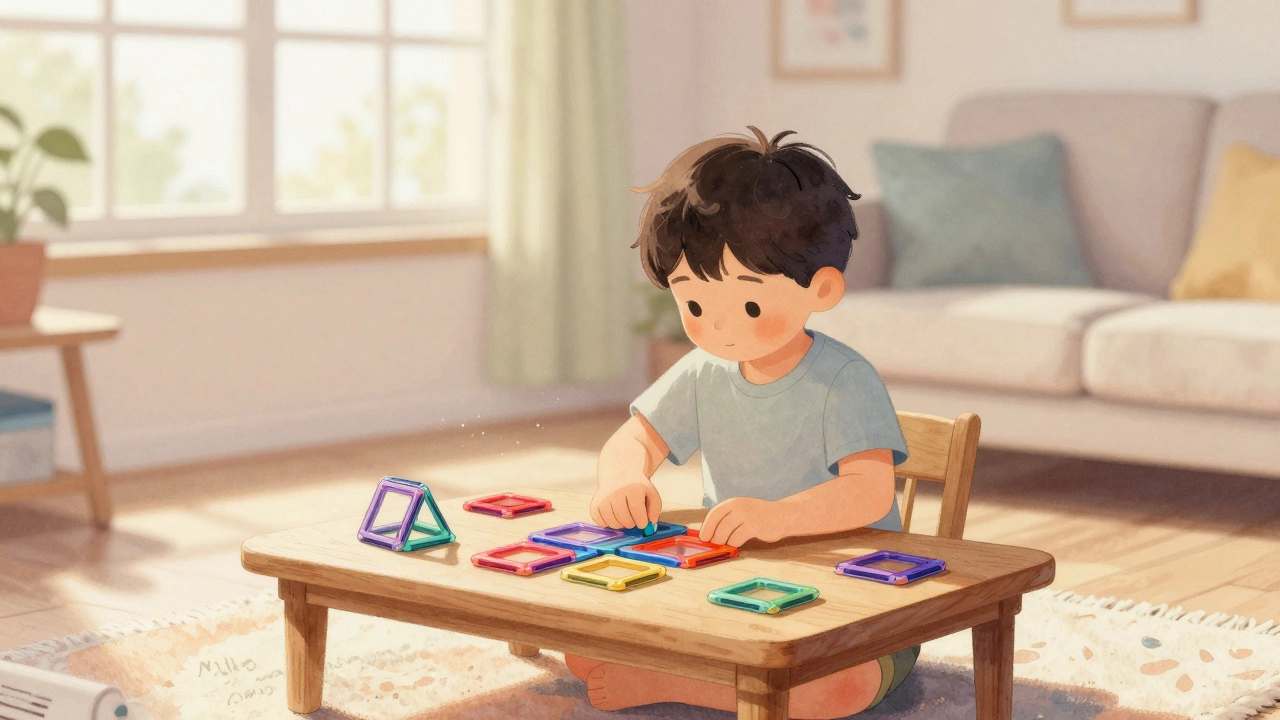
Look for toys that require manipulation. Building sets like LEGO or magnetic tiles are fantastic because they offer endless combinations and immediate structural results. Puzzles with high contrast pieces help train visual scanning skills. Science kits that explode, change color, or move provide the novelty-seeking hit that keeps curiosity alive.
| Toy Type | Primary Benefit | Example Activity |
|---|---|---|
| Construction Sets | Problem-solving & spatial reasoning | Building a bridge that holds weight |
| Strategy Board Games | Executive function & turn-taking | Chess or Checkers with timers |
| Sensory Kits | Calming & self-regulation | Kinetic sand or slime making |
| STEM Kits | Novelty & hands-on learning | Volcano experiment or circuit building |
The key is choosing toys that match their interest level. If your child loves dinosaurs, don’t buy a generic puzzle. Buy a dinosaur excavation kit. Interest is the fuel for attention. Without it, even the best toy ends up in the closet after ten minutes.
Structure Without Rigidity
Chaos creates anxiety for ADHD kids, even if they seem to thrive in it. They need external structure to compensate for internal disorganization. However, rigid schedules often lead to rebellion. The sweet spot is flexible routine.
Visual schedules are incredibly effective. Words disappear quickly, but pictures stay in working memory longer. Use a whiteboard or a chart with magnets to show the day’s sequence. "Homework -> Snack -> Play -> Dinner." Knowing what comes next reduces the mental load of decision-making, which is exhausting for these kids.
Break tasks into tiny chunks. "Clean your room" is too big. It triggers overwhelm. Try "Pick up five blue items." Once they succeed, give them the next small step. Success breeds dopamine, which fuels the next task. It’s a positive loop. Celebrate the small wins loudly. For an ADHD child, praise is often more powerful than punishment because it reinforces the neural pathways associated with completion.
Emotional Regulation Through Connection
Happiness isn’t just about fun; it’s about feeling safe and understood. Kids with ADHD often face criticism all day long-from teachers, coaches, and sometimes even peers. They hear "stop," "no," and "don't" far more than "yes" or "good job." This erodes self-esteem.
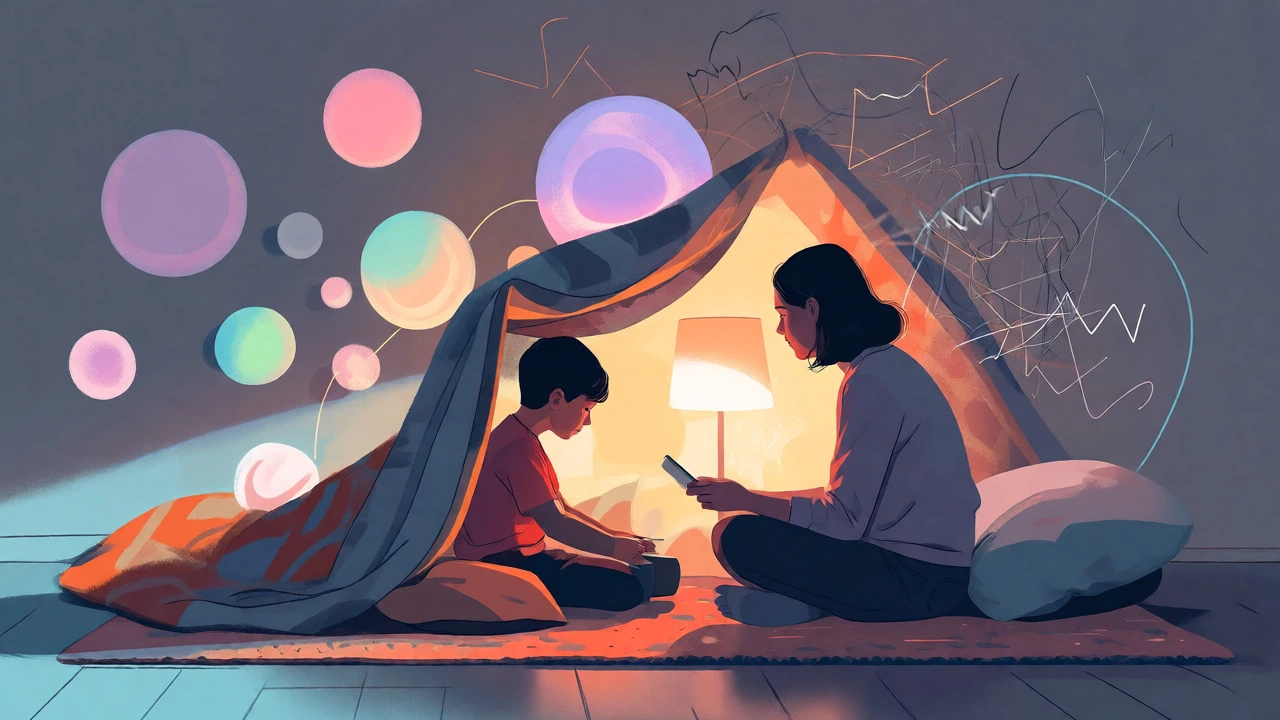
Counteract this with intentional connection. Spend ten minutes a day in their world. No phones, no agendas. Just follow their lead. If they want to build a fort, build the fort. If they want to talk about Minecraft lore, listen intently. This undivided attention signals that they are valuable, not just a project to be fixed.
Teach them to name their feelings. Many ADHD kids struggle with emotional regulation due to impulsivity. Help them label emotions: "It looks like you're frustrated because the tower fell." Validating their feelings prevents meltdowns from escalating. When they feel heard, their stress hormones drop, and happiness has room to grow.
Creating a Low-Stress Environment
Your home environment plays a huge role in your child’s mood. Clutter is visual noise. For a brain that struggles to filter information, a messy room can feel physically painful. Simplify their space. Keep only current favorites out. Rotate toys weekly to maintain novelty without overwhelming choice.
Lighting matters too. Fluorescent lights can be harsh and distracting. Consider warm, dimmable lamps or natural light sources. Noise-canceling headphones can be a game-changer for homework time, blocking out distracting sounds while allowing background music if it helps them focus.
Finally, protect their sleep. Sleep deprivation exacerbates every ADHD symptom. Establish a wind-down routine that avoids screens an hour before bed. Reading together or listening to audiobooks can help transition their brain from high-alert mode to rest mode.
Frequently Asked Questions
Can medication make my ADHD child happy?
Medication can help balance neurotransmitters, making it easier for your child to focus and control impulses. While it doesn't directly create happiness, it removes barriers to enjoyment. When a child isn't constantly fighting their own brain, they have more energy for play, creativity, and social connections, which leads to genuine happiness. Always consult a pediatrician for medical advice.
What are the best educational toys for ADHD?
The best toys are those that offer tactile feedback, immediate results, and complexity that grows with skill. Construction sets like LEGO, magnetic tiles, and complex puzzles are excellent. STEM kits that involve mixing chemicals or building circuits also work well because they provide a 'wow' factor that sustains attention. Avoid passive toys that don't require interaction.
How much screen time is okay for an ADHD child?
There is no one-size-fits-all number, but moderation is key. Video games can provide necessary dopamine hits and improve hand-eye coordination, but they can also lead to hyperfocus and difficulty transitioning away. Set clear limits and use timers. Balance screen time with physical activity and face-to-face social interaction to ensure a healthy dopamine diet.
Why does my child get angry so easily?
Anger often stems from frustration with executive dysfunction. They may know what they want to do but struggle to execute it. Additionally, sensory overload can trigger fight-or-flight responses. Teaching coping strategies like deep breathing, using fidget tools, or taking a 'brain break' can help manage these intense emotions before they boil over.
Should I force my ADHD child to finish every task?
No. Forcing completion of low-priority tasks can drain their limited willpower battery. Prioritize essential tasks and allow flexibility elsewhere. Sometimes, stopping a task halfway through is better than pushing through to a meltdown. Teach them the concept of 'good enough' versus 'perfect,' which reduces anxiety and perfectionism often associated with ADHD.