Is 7 Too Old for a Car Seat? Safety Guidelines & Booster Rules
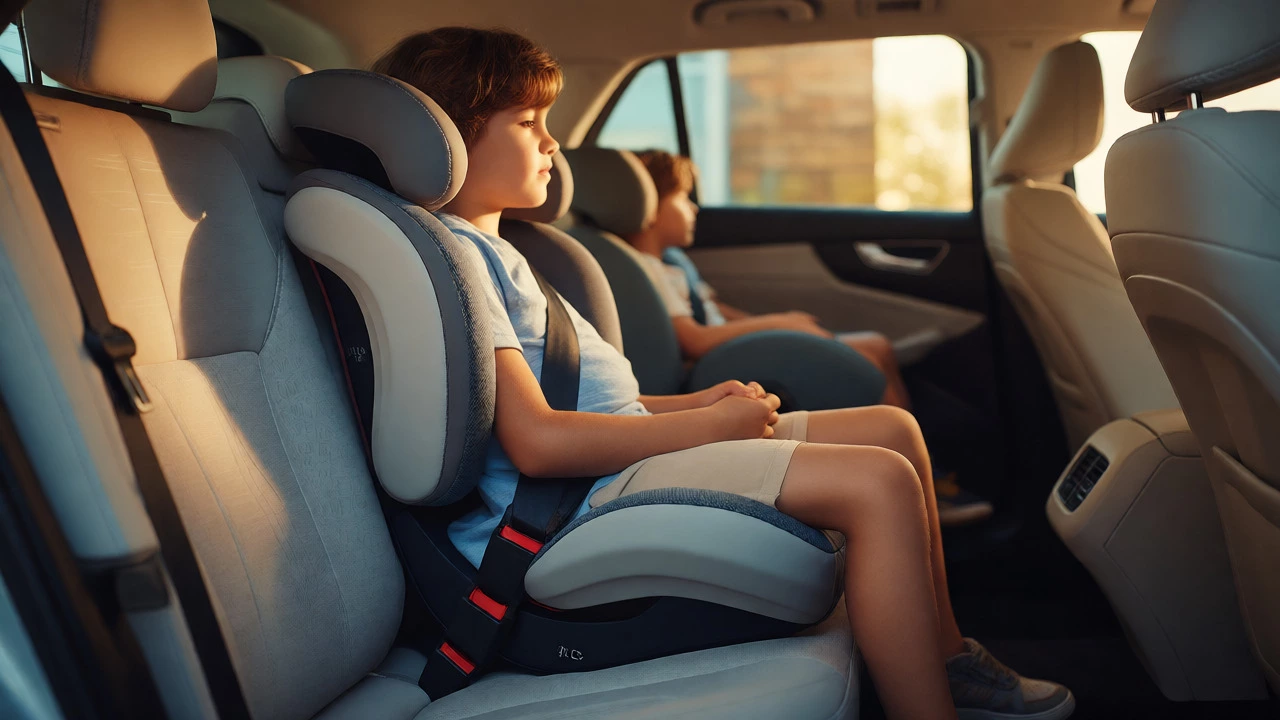
Child Car Seat Readiness Checker
Answer these questions to see if your child meets the safety standards for transitioning out of a booster seat.
-
1. Back stays flat against the seat back?
-
2. Knees bend naturally at the edge of the seat?
-
3. Lap belt lies snugly across upper thighs/hips?
-
4. Shoulder belt crosses middle of shoulder/chest?
-
5. Can they maintain this position for the whole trip?
You’re driving your seven-year-old to soccer practice, and they’re buckled into their booster seat. But then you see another kid in the backseat, just wearing the regular seatbelt like an adult. A nagging question pops up: is 7 too old for a car seat? It’s a common worry because kids grow fast, and what fit last year might feel restrictive now. The short answer is no, seven isn’t automatically too old. In fact, most experts say it’s often too young to ditch the booster entirely.
The confusion comes from mixing up legal minimums with best practices. Laws vary by province and state, but safety standards are more consistent. If you’re relying on the law alone, you might be cutting corners on protection. Let’s break down exactly when to switch, how to check if your current setup still works, and why height matters way more than birthday candles.
Why Age Is Just One Part of the Equation
Parents love clear numbers. Turn one, walk; turn two, talk; turn seven, ditch the booster? Not quite. Child development doesn’t follow a strict schedule. Some seven-year-olds are tiny, while others tower over their parents’ knees. That physical difference changes everything about crash dynamics.
Car seats and boosters work by positioning the vehicle’s seatbelt correctly across the strongest parts of a child’s body-the hips and chest. Without that proper alignment, the belt can slide up onto the soft abdomen or neck during a sudden stop. This leads to serious internal injuries. So, instead of asking "how old," ask "do they fit."
Booster Seat is a child restraint device designed to elevate a child so that the vehicle's lap and shoulder belts fit properly across the hips and chest. Unlike forward-facing harness seats, boosters rely on the car's existing seatbelt system rather than having their own straps.
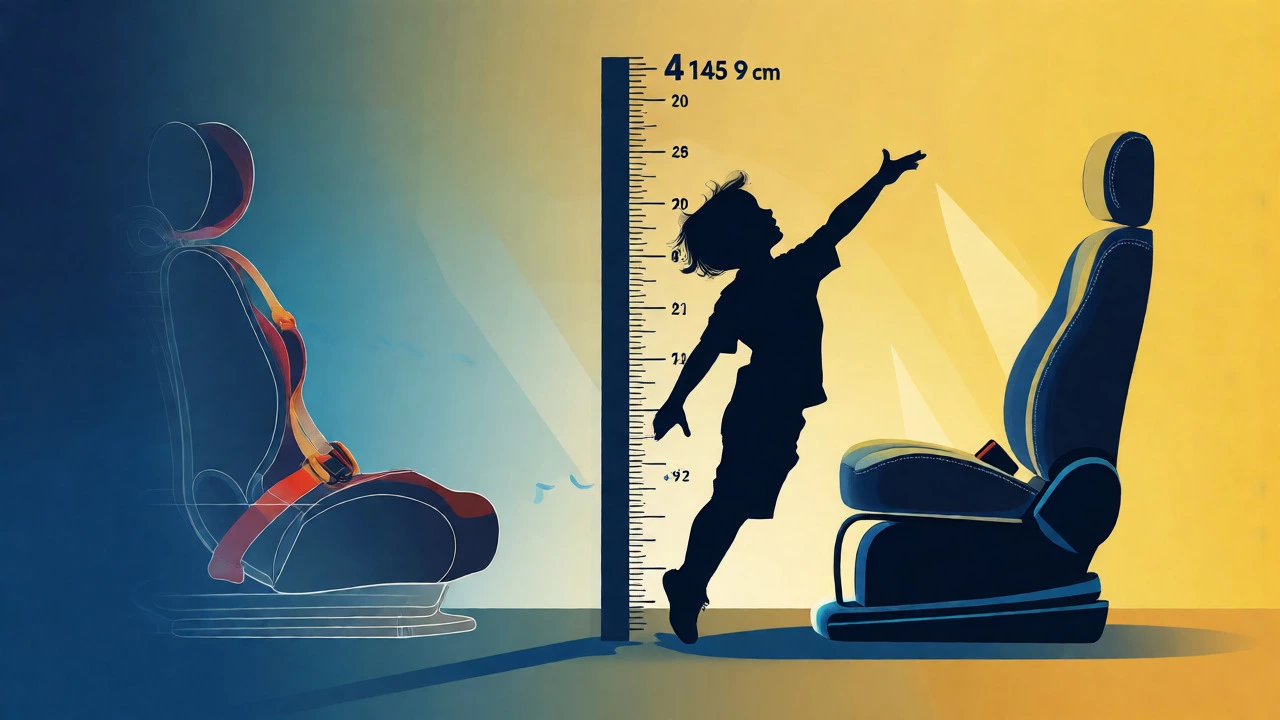
If your child is under 4 feet 9 inches (145 cm), they likely still need that extra lift. At seven, many kids haven’t hit that mark yet. Checking their height is the single most accurate test you can do at home.
The Five-Step Test for Seatbelt Readiness
How do you know if your seven-year-old is actually ready for the regular seatbelt? There’s a simple physical assessment used by safety technicians worldwide. You don’t need special tools-just have your child sit in the back seat without the booster.
- Back against the seat: Their bottom must stay all the way back against the vehicle seat cushion. If they slide forward to keep their knees bent, they’re not ready.
- Knees bend naturally: Their legs should hang comfortably over the edge of the seat, bending at the knee. If their legs dangle straight or they have to cross them awkwardly, the angle is wrong.
- Lap belt position: The low part of the belt must lie snugly across the upper thighs or hips, not the stomach. A belt on the belly can cause spinal damage in a crash.
- Shoulder belt position: The diagonal strap should cross the middle of the shoulder and chest, never touching the neck or face. If it cuts across the throat, it’s too high.
- Stay seated: Can they maintain this posture for the entire trip without slouching or playing with the belt? Kids who fidget often undo their own safety measures.
If your child fails even one of these checks, keep the booster. It’s better to be uncomfortable for a few more months than to risk injury later.
Legal Minimums vs. Best Practice Recommendations
This is where things get tricky. Traffic laws set the bare minimum requirements, but safety organizations like Transport Canada or the NHTSA in the US recommend going beyond those baselines. For example, some regions allow kids to use just a seatbelt once they reach six years old or 60 pounds. However, research consistently shows that children remain safer in boosters until they meet the height requirement mentioned earlier.
| Restraint Type | Typical Age Range | Height Limit | Safety Benefit |
|---|---|---|---|
| Harness Seat | Up to 7-8 years | Up to 49 inches | Distributes force evenly; keeps head contained |
| High-Back Booster | 4-10 years | Up to 57 inches | Guides shoulder belt; protects side impact |
| No-Back Booster | 6-12 years | Up to 100+ lbs | Elevates for lap belt; less head support |
| Seat Belt Only | 10+ years (height dependent) | 4'9"+ | Standard adult protection; requires proper fit |
Notice the overlap. A seven-year-old could technically fall into three different categories depending on their size. This flexibility is good-it means you can tailor the choice to your specific child. But it also means you have to pay attention. Don’t let peer pressure or convenience dictate the decision.

When to Switch From Harness to Booster
Before we even talk about ditching the booster, consider if your seven-year-old has outgrown their harnessed seat. Many modern convertible seats accommodate kids up to 65 pounds or 49 inches. If your child fits within those limits, keeping them in a five-point harness is significantly safer than moving to a booster.
A harness restrains the torso tightly, preventing the child from being thrown forward. A booster relies on the seatbelt, which allows for more movement. In severe crashes, that difference matters. Experts often recommend delaying the transition to a booster as long as possible. If your seven-year-old still fits in their harness seat, there’s no rush to upgrade.
However, if they’ve maxed out the weight or height limits, a high-back booster is the next logical step. It provides headrest support, which is crucial if they fall asleep in the car. No-back boosters are convenient for travel but offer less protection in side impacts.
Common Mistakes Parents Make at Age Seven
Even well-meaning parents slip up when transitioning restraints. Here are the pitfalls to watch for:
- Ignoring the shoulder belt: Some kids hate the feeling of the strap across their chest. They might tuck it behind their back or under their arm. This removes the upper body restraint entirely, leaving them vulnerable to head and neck injuries.
- Using second-hand boosters: Plastic degrades over time, especially in hot cars. If you buy used, check the manufacture date. Most manufacturers advise replacing seats after six years, regardless of visible wear.
- Placing them in the front seat: Airbags deploy with explosive force. For children under 13, the back seat remains the safest spot. Never deactivate airbags for a front-seat child unless absolutely necessary and approved by the manufacturer.
- Relying on "they're tall enough": Height isn't the only factor. Body shape matters. A skinny child might have the right height but lack the hip width to anchor the lap belt securely. Try the five-step test again before deciding.
Another frequent issue is inconsistency. Maybe your child uses a booster in your car but rides with grandparents who don’t have one. Ensure every caregiver knows the rules. Consistency reinforces safe habits and reduces confusion.
Choosing the Right Restraint for Your Seven-Year-Old
If you determine your child needs continued restraint, selecting the right model involves balancing comfort, safety features, and vehicle compatibility. Look for seats certified by relevant safety bodies (like FMVSS 213 in the US or CMVSS in Canada).
Consider a combination seat if you want future-proofing. These units start as harness seats and convert to boosters as the child grows. It saves money and ensures you always have the appropriate stage available. Brands like Graco, Chicco, and Britax offer models with adjustable headrests that grow with the child.
Also, think about installation ease. A complicated latch system might lead to improper installation. If you struggle to get a tight fit, look for seats with simpler belt-locking mechanisms or clearer indicator lights. Remember, the safest seat is the one installed correctly every single time.
Key Takeaways
- Seven is generally not too old for a car seat or booster; most kids still need one.
- Height (4 feet 9 inches) is a better indicator than age for switching to a seatbelt.
- Perform the five-step test to ensure the vehicle seatbelt fits properly.
- Keep children in harnessed seats as long as possible before moving to boosters.
- Always place children under 13 in the back seat, away from active airbags.
What is the legal age to stop using a booster seat?
Legal ages vary by location. In many places, it is around 6 to 8 years old or when the child reaches 4 feet 9 inches. However, safety experts recommend continuing booster use until the height requirement is met, regardless of age.
Can my 7-year-old ride in the front seat?
It is strongly recommended that children under 13 ride in the back seat. Front airbags can cause serious injury or death to smaller children due to their deployment force. The back seat is statistically the safest location for any child.
How long do car seats last?
Most car seats have an expiration date of 6 to 10 years from the date of manufacture. Check the label on the shell or base. Materials degrade over time due to temperature changes and UV exposure, reducing their effectiveness in a crash.
Is it safe to reuse a car seat from an older sibling?
Yes, if the seat has not been in a crash, is within its expiration date, has all parts intact, and meets current safety standards. Always inspect for cracks, frayed straps, or missing labels before reuse.
What happens if my child slouches in the booster?
Slouching moves the lap belt up onto the abdomen and the shoulder belt off the shoulder. This increases the risk of abdominal organ injury and neck trauma. If they cannot sit upright, they are not ready for a booster or seatbelt alone.