How to Create Educational Toys: A Step-by-Step Guide
Learn how to design and build engaging educational toys at home. Discover material choices, safety tips, and design strategies to boost child development.
When we talk about educational toys, toys designed to stimulate learning through play, often targeting cognitive, motor, or social skills. Also known as learning toys, they’re meant to do more than just keep kids busy—they’re supposed to help them grow. But not all toys labeled "educational" actually deliver. Some are just colorful plastic with a buzzword slapped on the box. The real ones? They spark curiosity, reward problem-solving, and fit naturally into how kids learn best—by doing, not by being told.
True child development, the process by which children gain physical, emotional, cognitive, and social abilities over time doesn’t happen from flashcards or screen-based apps alone. It happens when a toddler stacks blocks and figures out balance, when a preschooler sorts shapes and learns categories, or when a five-year-old pretends to run a store and practices counting and conversation. That’s why the best learning through play, the natural method children use to explore, experiment, and understand the world around them isn’t about structured lessons. It’s about open-ended tools that let kids lead the way. Think wooden puzzles over battery-powered talking dolls. Think clay and crayons over pre-programmed robots that do everything for them.
And it’s not just about age. A toy that works for a 12-month-old might overwhelm a 3-year-old—or bore them. The most effective toddler learning toys, simple, hands-on tools designed for children aged 1 to 3 to build fine motor skills, language, and cause-and-effect understanding focus on one skill at a time: grasping, stacking, matching, or turning pages. For older kids, STEM toys for kids, toys that introduce science, technology, engineering, and math concepts through hands-on activities should encourage trial and error, not just give the right answer. A building set that lets them fail and rebuild teaches more than a tablet app that pats them on the screen for getting it "right."
What’s missing from most toy aisles? Real connection. The best learning happens when a parent sits beside them, asks questions, and lets them figure it out. No screen. No rush. Just time. That’s why the posts below cover everything from what to avoid in a nursery (because safety affects focus) to how kids transition from baby gear to school-ready gear—because learning doesn’t stop when the stroller gets put away. You’ll find real advice on what toys actually build skills, which ones are just noise, and how to pick the right ones for your child’s stage—not their birthday party checklist.
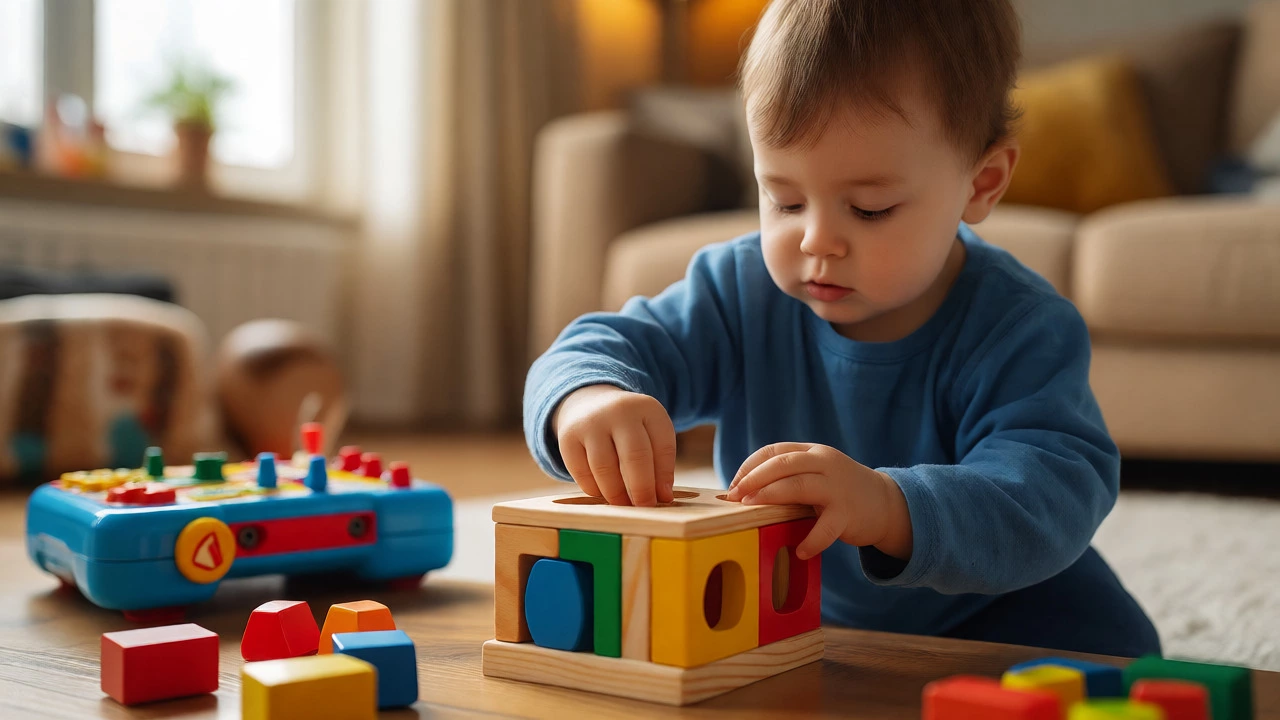
Learn how to design and build engaging educational toys at home. Discover material choices, safety tips, and design strategies to boost child development.
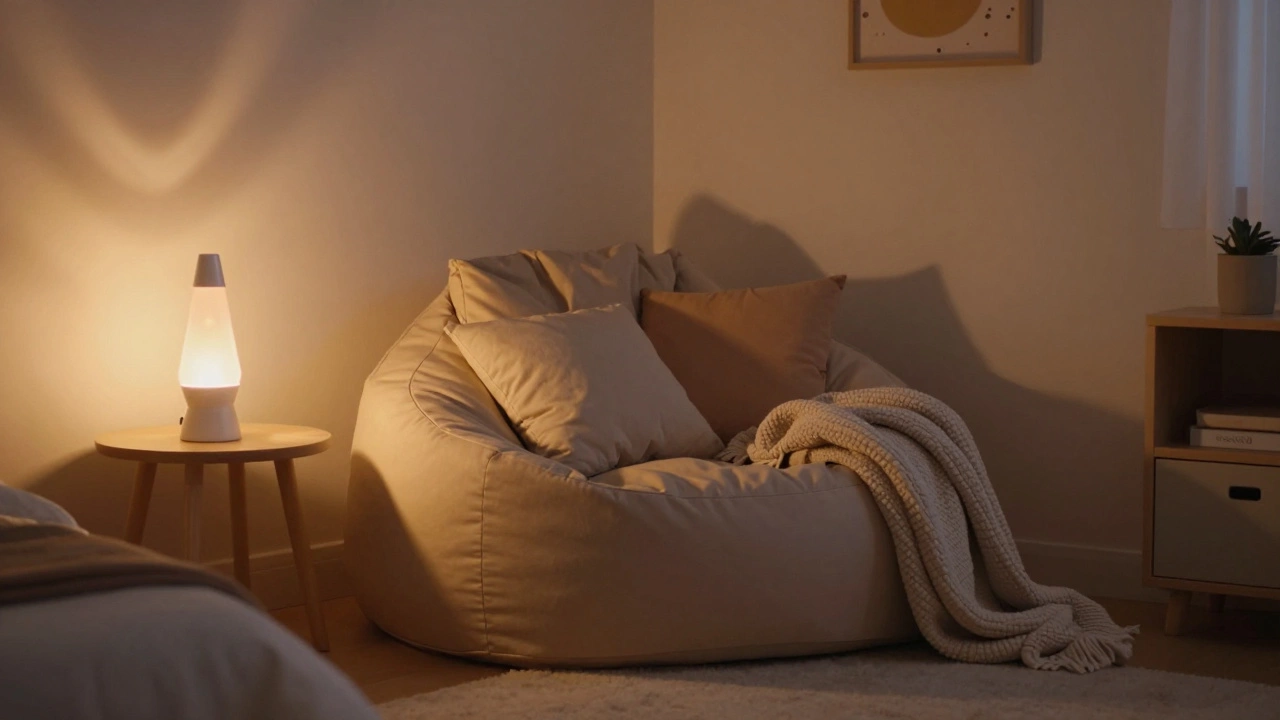
Discover effective natural anxiety tools for kids. Learn how sensory toys, weighted blankets, and fidgets act as natural anxiety pills to help children regulate emotions safely.
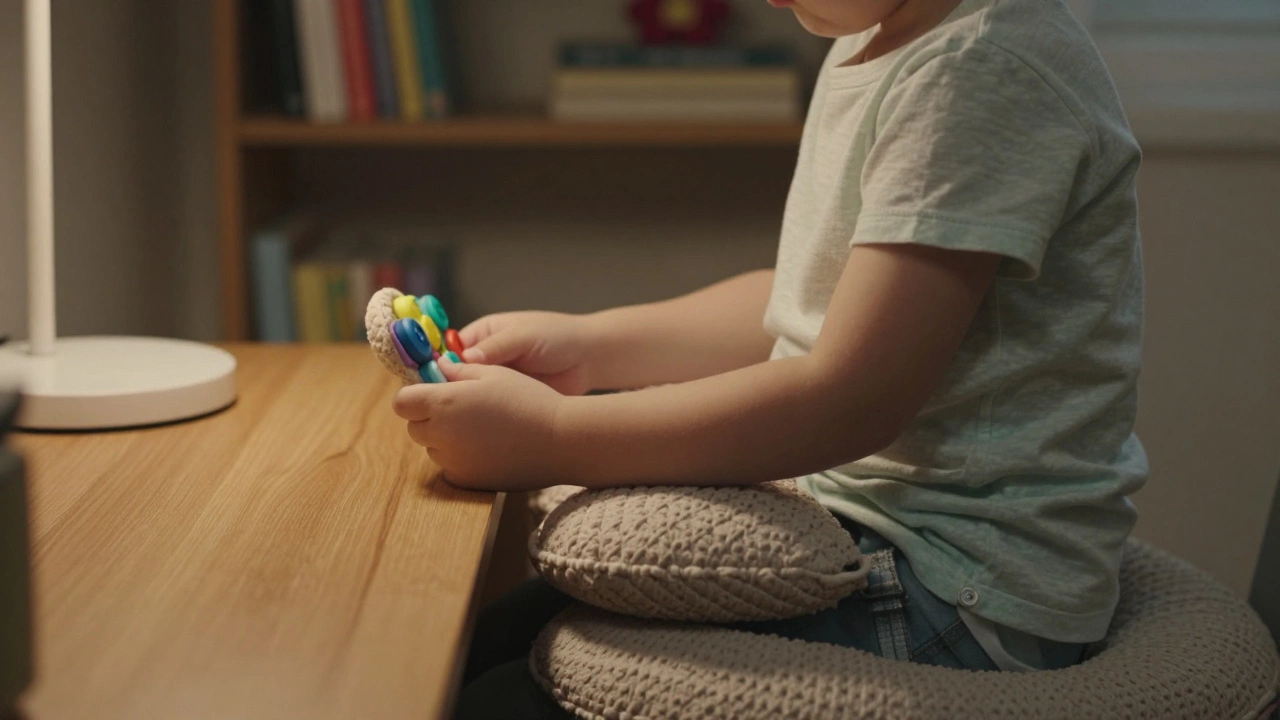
Explore essential educational tools and strategies tailored for children with ADHD. Learn how sensory-friendly toys and open-ended play support executive function and focus.
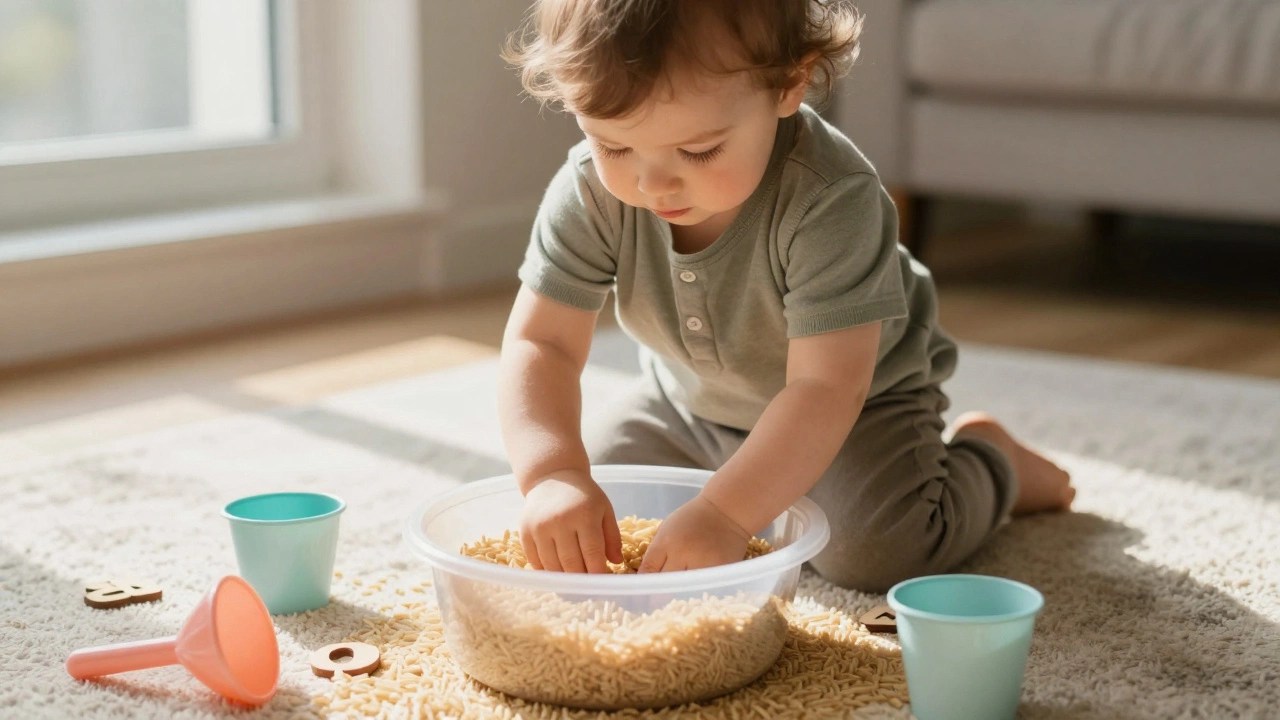
A sensory kit is a collection of safe, hands-on materials that stimulate touch, sound, smell, and sight to support early childhood development. Real examples include rice bins, texture walls, and calming glitter jars.
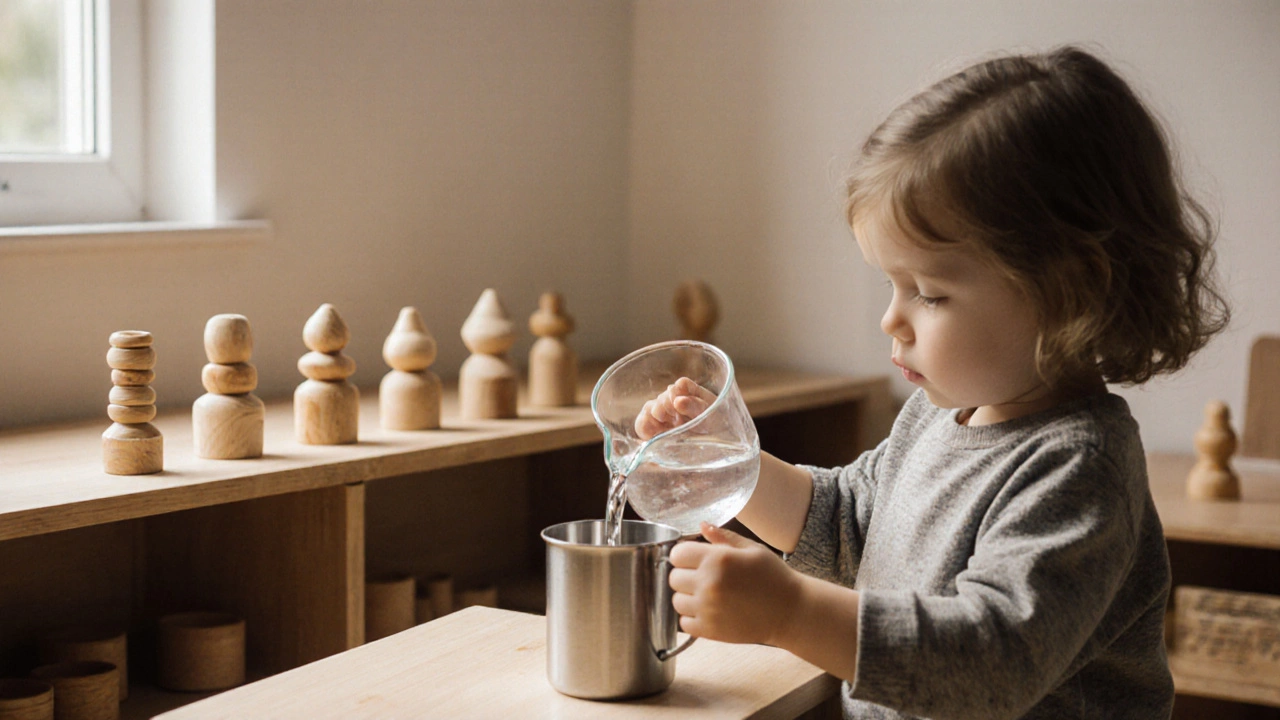
Montessori education avoids plastic toys because they hinder deep learning, overstimulate children, and disconnect kids from the real world. Natural materials like wood and glass support focus, sensory development, and responsibility.
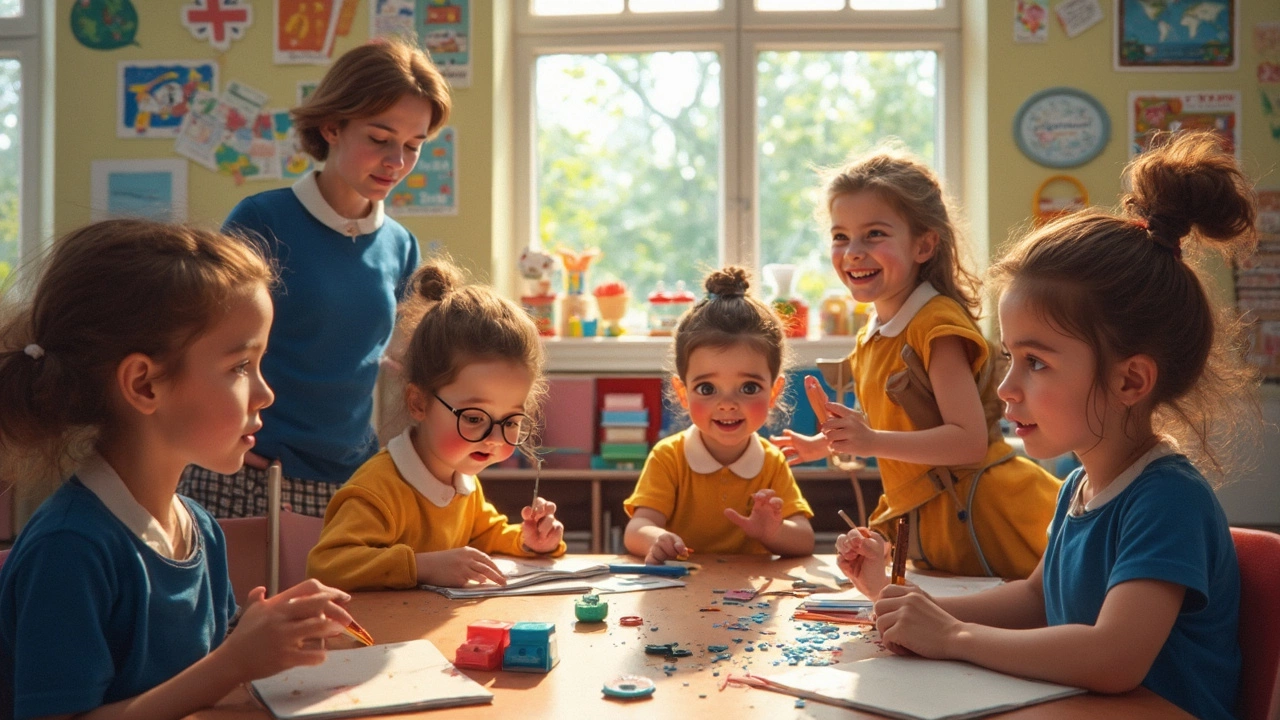
Ever wondered when ADHD tends to hit hardest in kids? This article breaks down the ages when symptoms usually peak and what that means for children's learning and play. Get straightforward facts, including why some symptoms might look different as kids grow up. Find out how the right toys and activities can help manage challenging moments. Plus, get down-to-earth tips for supporting your child during tough developmental stages.
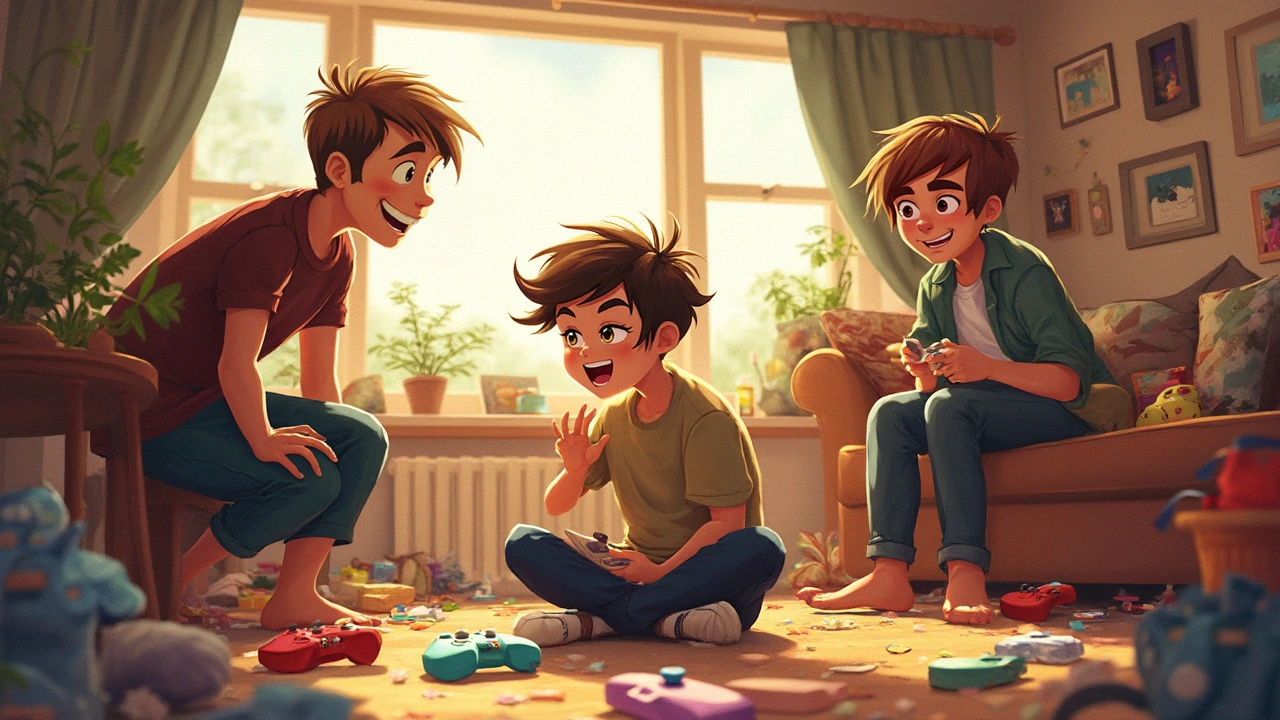
This article digs into the surprising things that can make ADHD symptoms worse, especially in children. You'll learn about hidden triggers found at home and school, such as certain toys, clutter, and even the way playtime is organized. Find out how some everyday items can backfire and what swaps actually help with focus and calm. The practical tips and relatable examples aim to make life with ADHD a little easier. Perfect for parents, teachers, and anyone supporting a child with ADHD.

A sensory kit for autism is a bundle of tools and toys made to help kids and adults with autism handle everyday sights, sounds, and feelings. These kits support self-regulation, focus, and comfort, especially during stressful moments. They’re used at home, school, and anywhere else a calming tool is needed. The right sensory kit can make a huge difference, helping kids feel calmer and more in control. This article explains what’s in these kits and how they really work for people on the spectrum.

Eating right is crucial in the fight against dementia. One surprising food that can help prevent it is berries, especially blueberries, due to their rich antioxidants. In addition to diet, incorporating educational toys to engage the mind is recommended. These approaches aim to nourish both the brain and the body effectively. Learn how simple changes can make a big impact.
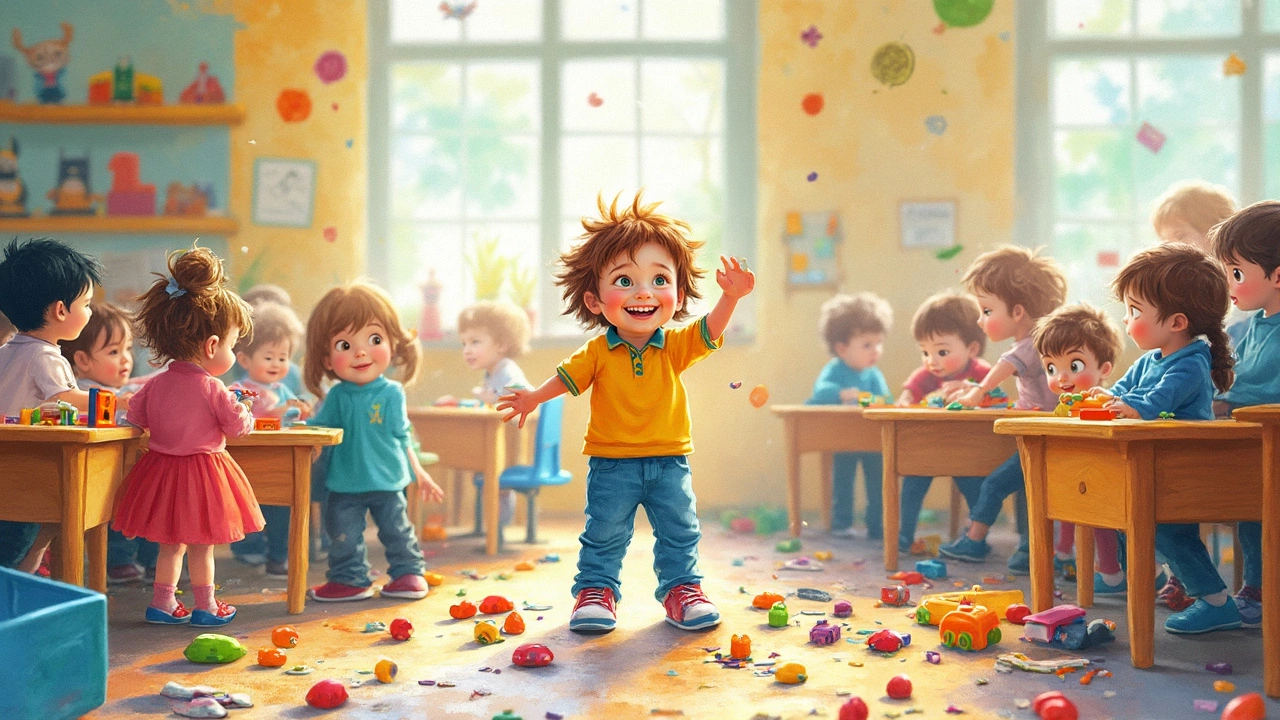
Attention Deficit Hyperactivity Disorder (ADHD) impacts many children and influences their interaction with educational toys. While toys can be beneficial for learning, ADHD can make the experience challenging due to issues with focus and impulsivity. There are ways to address these challenges, as knowing how ADHD affects playtime can help equip parents and educators to provide supportive environments. This article explores the less discussed difficulties faced by children with ADHD during play and offers practical tips to enhance their educational experiences.
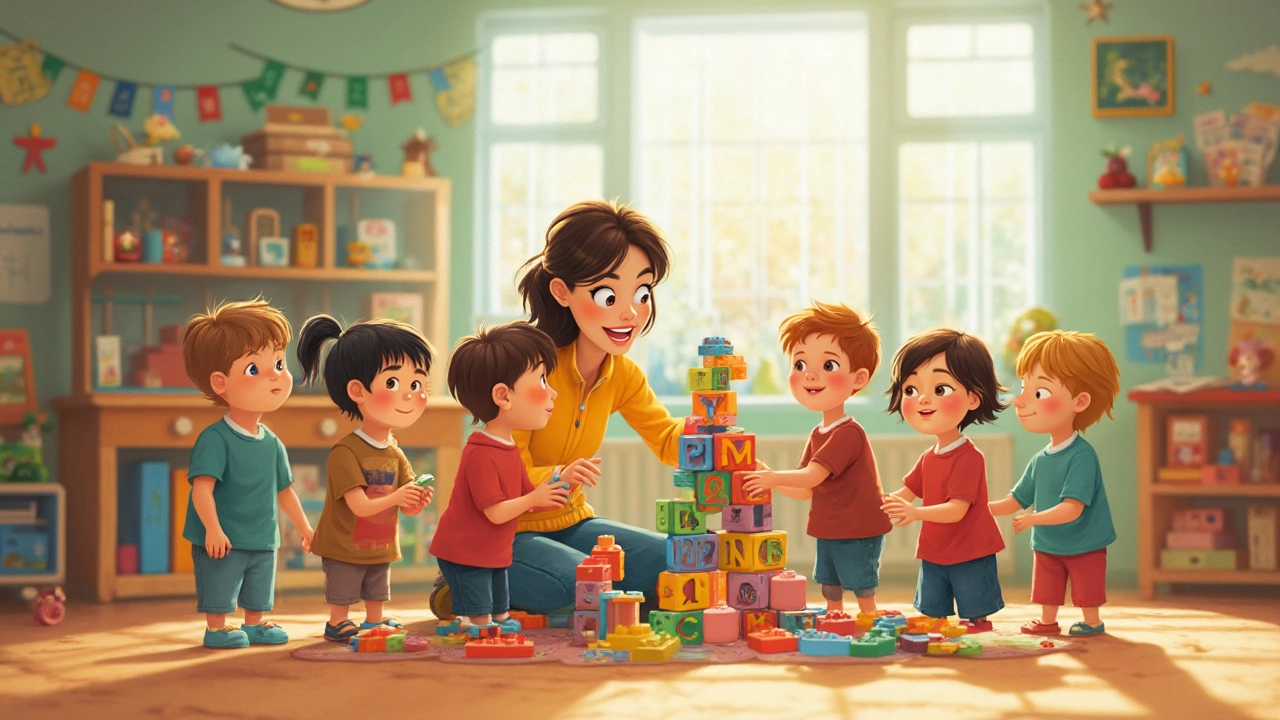
Toy pedagogy is all about turning playtime into a learning opportunity. By using toys specifically designed with educational purposes, children can develop key skills while having fun. This method highlights the importance of play in education and helps kids to understand complex concepts in a simple way. It promotes creativity, problem-solving, and develops social skills in a natural setting.
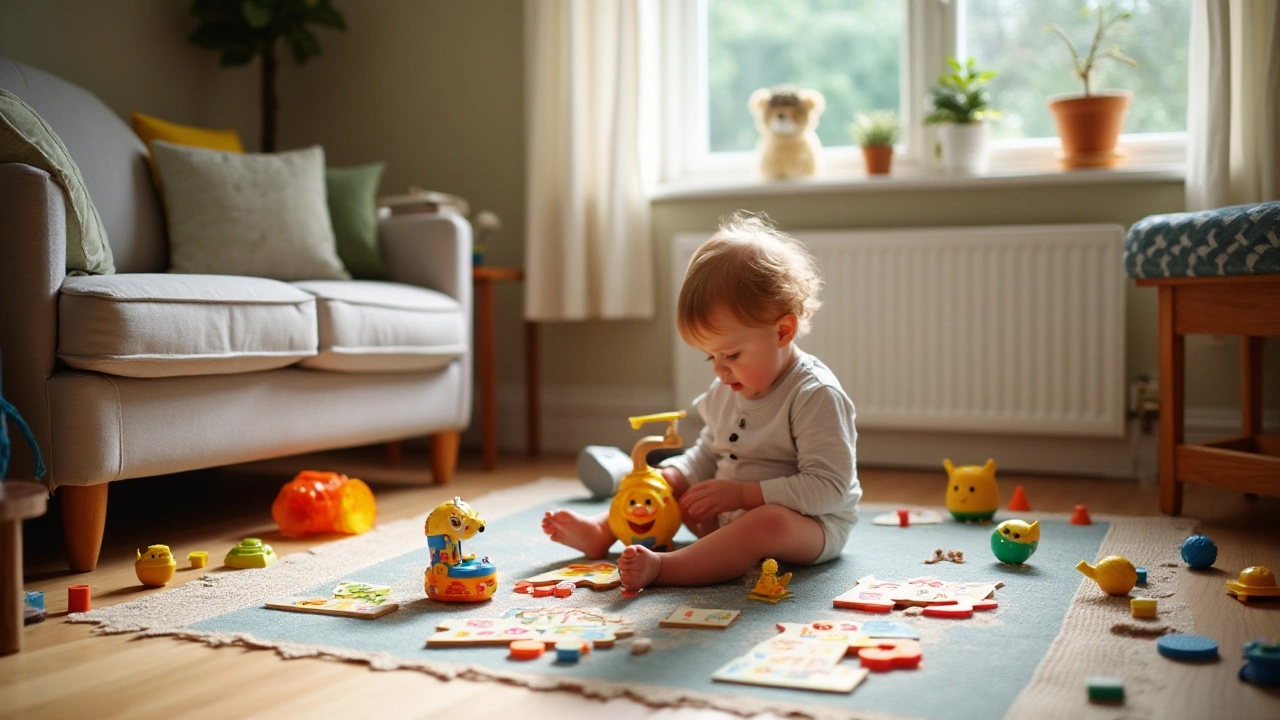
Learning aid toys are specially designed to support children in their early developmental stages. These toys aim to enhance cognitive, physical, and social skills through play. They range from simple puzzles to advanced digital gadgets that cater to various learning styles and preferences. Choosing the right learning aid toy involves considering a child's age, interests, and developmental needs. This article explores how these toys contribute to child development and offers practical tips for selecting the perfect ones.