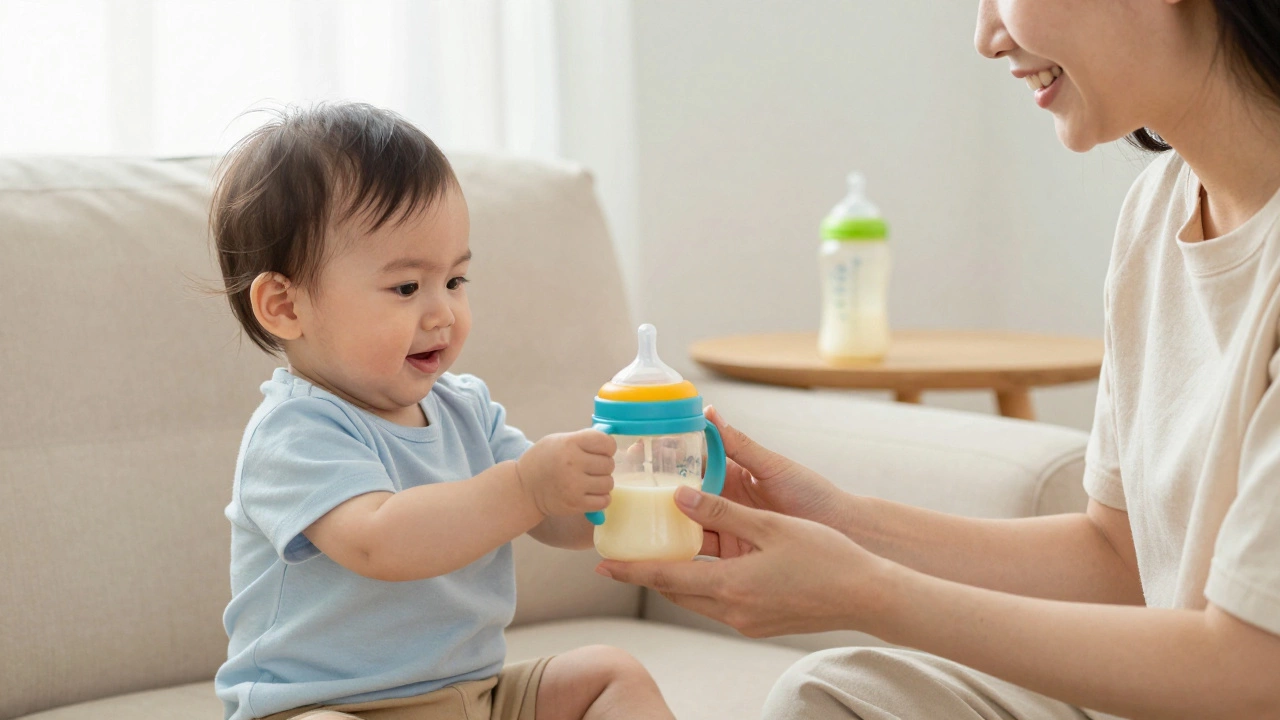
What Baby Bottles Do Babies Actually Like? Top Picks for Happy Feeding
Baby Bottle Recommendation Finder
It starts with the cry. You’ve tried everything-rocking, shushing, walking-and then you offer the bottle. The baby looks at it, sniffs it, and turns away. Or worse, they take a few sips, pull out, scream, and start crying harder. If this sounds familiar, you aren’t alone. Choosing the right baby bottle isn't just about picking the prettiest one on the shelf; it’s about solving a mechanical problem. Babies are picky eaters by nature, but when it comes to bottles, their preferences often come down to three things: flow rate, nipple shape, and how much air they swallow.
Finding a bottle your baby likes can feel like a trial-and-error marathon. One day they love the wide-neck plastic bottle; the next, they refuse it because the texture feels different in their mouth. This guide breaks down what makes a bottle "baby-approved," which types work best for specific feeding styles, and how to avoid the dreaded colic and gas issues that ruin mealtime for everyone.
The Science of Why Babies Reject Bottles
Before buying five different brands, it helps to understand why a baby might reject a bottle in the first place. It is rarely about taste. Unless the milk is spoiled, the issue is usually physical comfort or feeding mechanics.
Nipple Confusion occurs when a baby struggles to switch between breastfeeding and bottle-feeding. This happens because the latch required for a breast is dynamic and soft, while a standard bottle nipple is static and rigid. Babies who are exclusively breastfed often prefer the flexibility of a mother's breast and may reject a stiff silicone nipple.
Air intake is another major culprit. When a baby swallows air along with milk, it causes bloating and pain. This is known as colic. Many babies associate this pain with the bottle itself. They don't hate the bottle; they hate the stomach ache that follows. Anti-colic technology aims to solve this by allowing air to escape without entering the baby's stomach.
Flow rate is the third factor. Newborns have weak sucking muscles. If the hole in the nipple is too big, milk floods their mouth, causing them to choke or gag. If the hole is too small, they get frustrated from working too hard for not enough reward. Matching the flow to the baby's age and strength is critical for a happy feeding session.
Top Bottle Types Babies Love (And Why)
Not all bottles are created equal. Based on parent feedback and pediatric recommendations, certain designs consistently rank higher for baby satisfaction. Here are the main categories and why babies tend to like them.
1. Wide-Neck Bottles
Wide-neck bottles mimic the shape of a human breast more closely than narrow-neck ones. The broad base allows for a natural latch, which is crucial for breastfed babies transitioning to bottles. Parents also love them because they are easier to clean and fill. Brands like Dr. Brown’s Options+ and Philips Avent Natural dominate this category. Babies often prefer these because the nipple flange is wider, providing more surface area for their lips to seal around, reducing air leaks.
2. Soft Silicone Nipples
Texture matters. Some babies have sensitive mouths and reject hard, rigid nipples. Soft silicone nipples flex under pressure, mimicking the give of breast tissue. Look for bottles labeled "soft touch" or "breast-like." These are particularly effective for babies who struggle with nipple confusion. The material should be BPA-free and durable, as softer silicones can sometimes tear if chewed aggressively by teething infants.
3. Ventilated/Anti-Colic Systems
If your baby cries during feeds, they might be swallowing air. Ventilated systems use vents or tubes to let air bypass the milk. Dr. Brown’s uses an internal vent tube that runs through the milk, while Comotomo uses a flexible body that collapses slightly to reduce vacuum pressure. Babies who suffer from gas often show immediate relief with these types, making them "like" the bottle simply because it doesn't hurt.
| Bottle Type | Best For | Pros | Cons |
|---|---|---|---|
| Wide-Neck (e.g., Philips Avent) | Breastfed babies, easy cleaning | Mimics breast shape, easy to fill | Larger size, takes up more bag space |
| Ventilated (e.g., Dr. Brown’s) | Gassy babies, colic relief | Reduces air intake significantly | More parts to wash, complex assembly |
| Soft Silicone (e.g., Comotomo) | Sensitive mouths, latch issues | Flexible, squeezable, realistic feel | Can stain, may collapse if squeezed too hard |
| Standard Narrow (e.g., Gerber) | Budget-conscious parents | Inexpensive, widely available | Harder to clean, less realistic latch |
Matching the Bottle to Your Feeding Style
Your feeding method dictates which bottle will work best. There is no universal "best" bottle, only the best bottle for your specific situation.
If you are exclusively breastfeeding, prioritize realism. You want a bottle that requires the same tongue movement and suction pattern as the breast. Slow-flow nipples are essential here. Introduce the bottle slowly, perhaps having someone else feed the baby so they don't smell your milk and get confused. Brands like Hegen are popular among exclusive breastfeeding moms because the square design and unique lid system mimic the breast shape effectively.
If you are formula feeding, convenience and durability matter more. Formula powder needs to be mixed thoroughly, so wide-neck bottles make stirring easier. You might also prefer glass or PPSU plastic over soft silicone, as formula stains can be stubborn. Ensure the bottle has a secure locking mechanism to prevent leaks in your diaper bag.
If you are combination feeding, you need versatility. Look for bottles that accept multiple nipple types. Some brands sell interchangeable nipples, allowing you to swap a slow-flow newborn nipple for a faster flow as the baby grows. This saves money and reduces waste.
Material Matters: Glass vs. Plastic vs. Silicone
The material of the bottle affects weight, safety, and ease of use. Each has its own set of pros and cons that influence whether a baby (and parent) likes it.
- Glass: Hygienic and easy to sterilize. It doesn't stain or retain odors. However, it is heavy and fragile. A dropped glass bottle is a disaster. Older toddlers who hold their own bottles might find glass too heavy or scary.
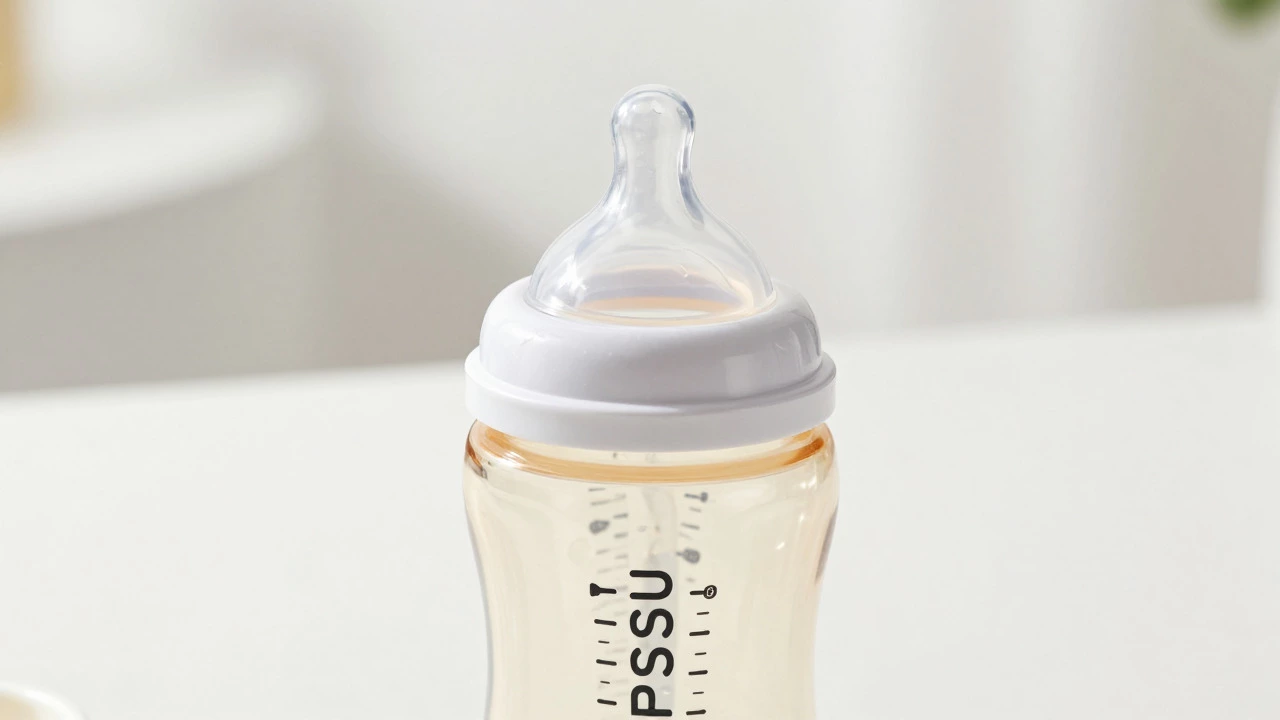
- PPSU Plastic: Lightweight, unbreakable, and heat-resistant. This is the gold standard for modern bottles. It is durable enough for travel and light enough for little hands. Look for BPA-free labels. PPSU yellows over time but remains safe.
- Soft Silicone: Flexible and gentle on gums. Great for teething babies. However, silicone can absorb oils and smells, requiring frequent replacement. It is also more expensive than plastic.
For most families, PPSU plastic offers the best balance of durability and safety. Glass is ideal for home use where breakage risk is low. Silicone is best for babies with sensory sensitivities.
Signs Your Baby Likes (or Hates) the Bottle
How do you know if you’ve found the right one? Watch for these behavioral cues.
Positive Signs:
- The baby latches deeply and sucks rhythmically.
- You hear swallowing sounds, not clicking or smacking noises.
- The baby finishes the feed contentedly and sleeps or plays happily.
- No excessive gas or fussiness after eating.
Negative Signs:
- The baby pulls off the nipple repeatedly.
- They clamp their lips tightly or turn their head away.
- You see bubbles in the milk (indicating air intake).
- The baby cries immediately after starting to feed.
If you notice negative signs, try changing one variable at a time. First, change the nipple flow. If that doesn’t work, try a different brand with a similar shape. Don’t change both the brand and the flow simultaneously, or you won’t know what fixed the problem.
Troubleshooting Common Bottle Issues
Even with the best bottle, problems arise. Here are quick fixes for common scenarios.
Problem: The baby chokes on milk.
Solution: The flow is too fast. Switch to a slower flow nipple (Newborn or Stage 1). Hold the bottle at a lower angle so the milk doesn’t pool in the nipple tip.
Problem: The baby gets fussy and gassy.
Solution: Try an anti-colic bottle with a vent system. Burp the baby halfway through the feed. Ensure the nipple is fully filled with milk before inserting it into the baby’s mouth to prevent air swallowing.
Problem: The baby refuses the bottle entirely.
Solution: Warm the nipple under hot water to mimic body temperature. Try paced feeding-hold the bottle horizontally and pause every few sucks to let the baby control the pace. Sometimes, simply waiting until the baby is hungry but not starving helps.
Final Thoughts on Finding the Perfect Fit
There is no magic bullet. What works for your neighbor’s baby might not work for yours. Every baby has a unique palate, mouth shape, and temperament. Start with a versatile option like a wide-neck PPSU bottle with a slow-flow nipple. Be prepared to buy two or three different types before finding the winner. Most stores offer return policies for unused bottles, so use them wisely. Remember, the goal is not just to feed the baby, but to make the experience comfortable and stress-free for both of you. Patience is key. Once you find the right match, feeding becomes a bonding moment rather than a battle.
When should I switch my baby to a faster flow nipple?
Switch to a faster flow nipple when your baby shows signs of frustration, such as crying during feeds, taking longer than 30 minutes to finish a bottle, or falling asleep due to fatigue. Typically, this happens around 3 to 6 months of age, but every baby develops at their own pace. Watch for efficient swallowing and satisfied behavior after feeds.
Are glass baby bottles safer than plastic?
Glass is chemically inert and does not leach chemicals, making it very safe. However, modern BPA-free plastics like PPSU are also considered safe by health organizations. The main difference is durability. Glass is heavier and breaks easily, posing a physical safety risk if shattered. Plastic is lightweight and shatterproof, which is better for older babies who handle their own bottles.
How do I stop my baby from getting nipple confusion?
To minimize nipple confusion, introduce the bottle slowly and use a breast-like nipple with a slow flow. Practice paced bottle feeding, which mimics the intermittent flow of breastfeeding. Have someone other than the mother offer the bottle initially. Wait until the baby is established in breastfeeding (usually 3-4 weeks) before introducing bottles regularly.
Why does my baby click their tongue when drinking from a bottle?
Clicking sounds usually indicate a poor seal or air leaking into the mouth. This can happen if the nipple flow is too fast, causing the baby to lose their latch, or if the nipple is too small, creating a vacuum. Try adjusting the angle of the bottle or switching to a different nipple size to ensure a smooth, silent flow.
Can I reuse baby bottle nipples?
Yes, but only if they are in good condition. Check for tears, holes, or stiffness before each use. Silicone nipples degrade over time due to heat and wear. Replace nipples every 1-2 months, or sooner if you notice any damage. Reusing damaged nipples can lead to choking hazards or inefficient feeding.