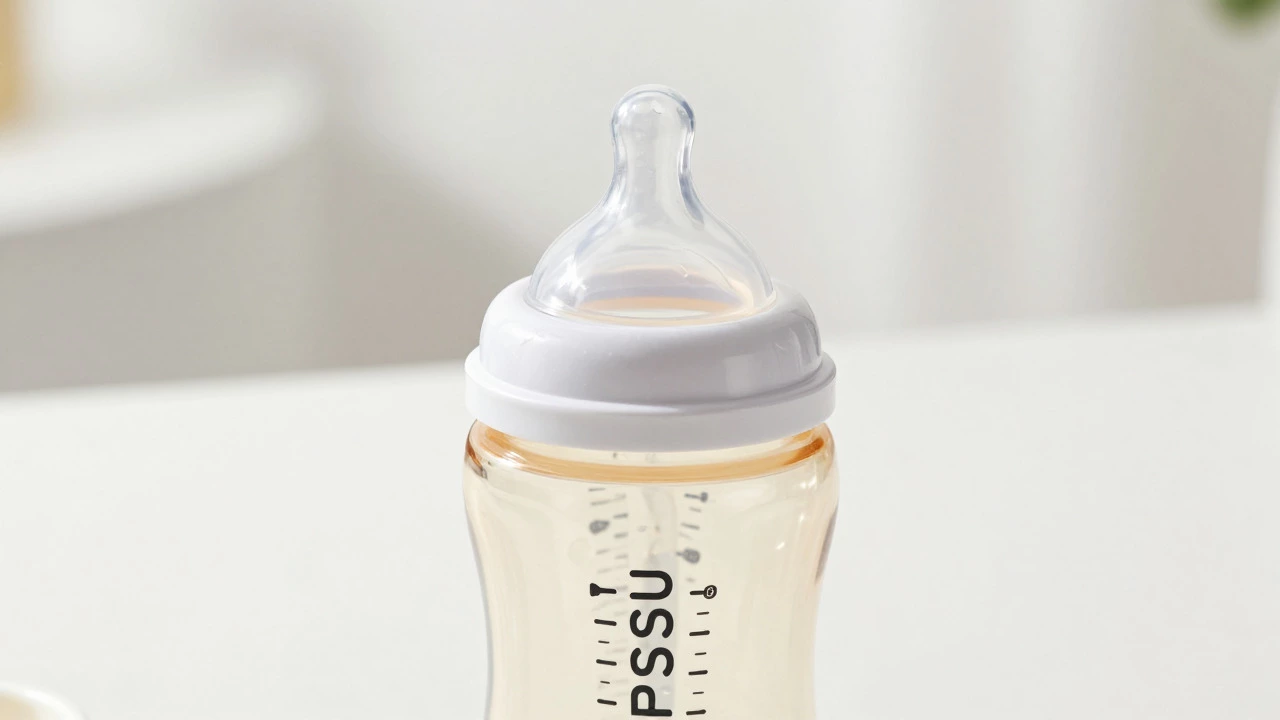
What Bottles Do Newborns Need? A Complete Guide for Parents
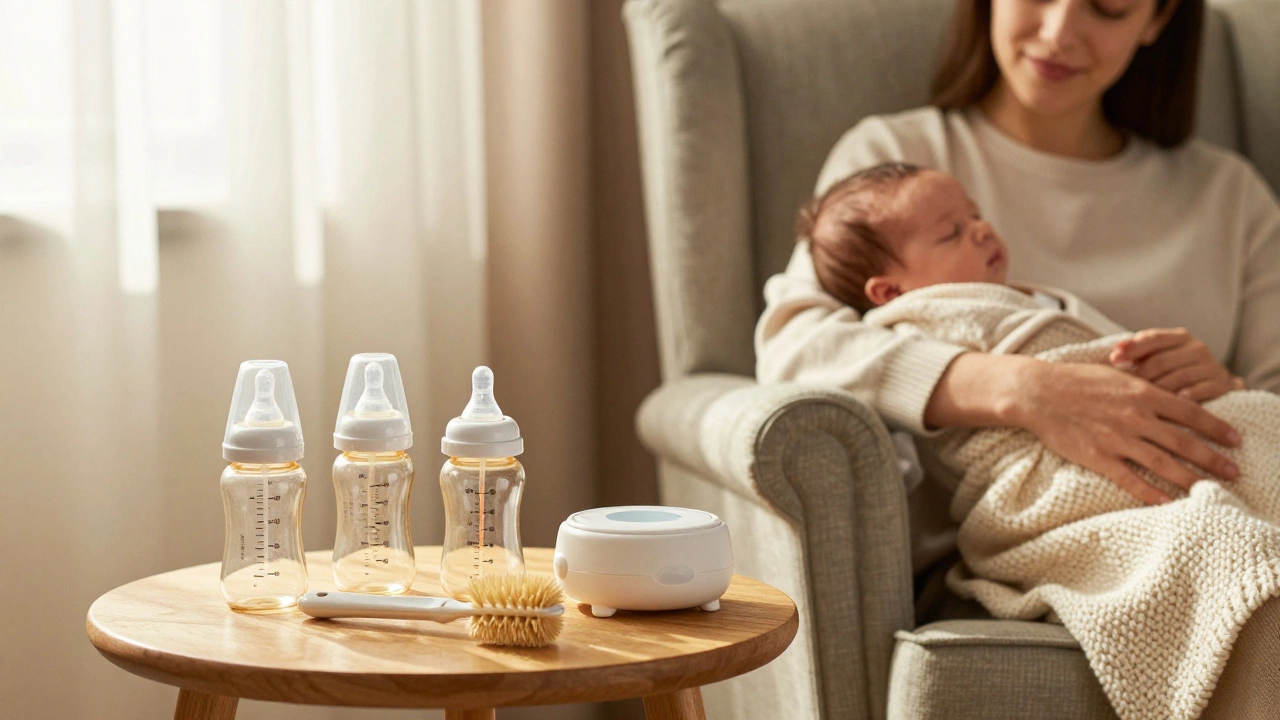
Newborn Bottle Calculator
Determine the ideal bottle size and quantity for your baby based on their age.
You’ve spent months preparing the nursery. You’ve washed tiny socks and debated crib sheets. But when it comes to newborn bottles, you might feel completely lost. The sheer number of options-glass, plastic, silicone, wide neck, narrow neck-is overwhelming. Do you need a specific brand? How many should you buy? What size is right for a baby who barely eats an ounce at a time?
The truth is simpler than the marketing suggests. Newborns don’t need a dozen different bottles. They need a few reliable ones that mimic breastfeeding (if you’re combining feeds) or are easy to clean if you’re formula-feeding exclusively. Here is exactly what you need to know to stock your diaper bag without wasting money.
How Many Bottles Should You Buy?
Before looking at brands, let’s talk quantity. It is tempting to buy a massive set of ten or twelve bottles because they look cute in the packaging. Resist this urge. Newborns grow fast, and their preferences change just as quickly. One week they love a specific nipple shape; the next, they refuse it.
Aim for 6 to 8 standard-sized bottles. This number allows you to have enough clean bottles for a full day of feeding without needing to do a midnight wash cycle. If you use a dishwasher, eight is a sweet spot. If you hand-wash, six might be more manageable. Remember, you can always buy more later. Starting with fewer lets you test which style your baby actually accepts before committing to a large bulk purchase.
Choosing the Right Bottle Size: Ounces Matter
Newborn stomachs are tiny. On day one, a baby’s stomach is about the size of a cherry. By day three, it’s the size of a walnut. This means those large 8-ounce or 9-ounce bottles you see in ads are useless for the first few weeks. In fact, they can be counterproductive.
Large bottles often come with nipples that flow too quickly for a newborn. If the milk pours out faster than the baby can swallow, they will gulp air, leading to gas, spit-up, and fussiness. Stick to 4-ounce bottles for the first two to three months. These are lightweight, easier for little hands (and tired parent hands) to hold, and encourage slower, controlled feeding. Once your baby starts drinking larger volumes around month four, you can transition to 8-ounce bottles.
| Age | Recommended Size | Typical Volume per Feed |
|---|---|---|
| Newborn (0-1 month) | 4 oz | 1-3 oz |
| 1-3 Months | 4-5 oz | 3-4 oz |
| 3-6 Months | 8 oz | 4-6 oz |
| 6+ Months | 8 oz | 6-8 oz |
Glass, Plastic, or Silicone? Material Breakdown
The material of the bottle affects durability, weight, and safety perception. There is no single "best" material, but each has distinct pros and cons for daily life.
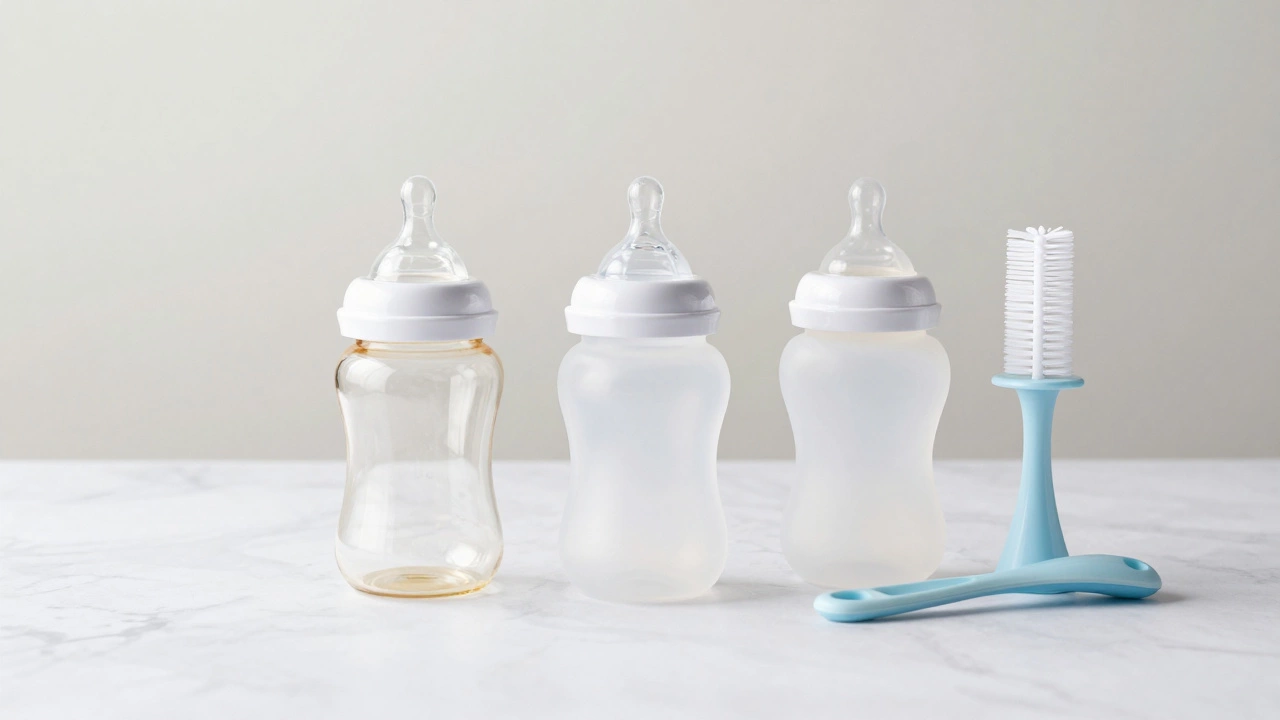
Glass bottles are the gold standard for purity. They are non-porous, meaning bacteria cannot hide in microscopic scratches. They are also easy to sterilize and don’t retain odors from breast milk or formula. However, they are heavy and fragile. If you drop a glass bottle on hardwood floors, it shatters. They are best for home use where you can control the environment.
Plastic bottles (specifically polypropylene or Tritan) are lightweight and virtually unbreakable. They are ideal for travel and daycare drops-offs. Modern plastics are BPA-free and safe for boiling. The downside is that they can scratch over time. Scratches harbor bacteria, so you need to inspect them regularly and replace them every few months. They may also retain smells if not cleaned thoroughly.
Silicone bottles are the newer option. They are soft, flexible, and gentle on gums. Some parents find that babies prefer the texture because it feels more like skin. They are durable and heat-resistant. However, they can be harder to clean because milk can get trapped in the folds if the design isn’t smooth. They are also more expensive upfront.
Nipple Flow: Slow is Smooth
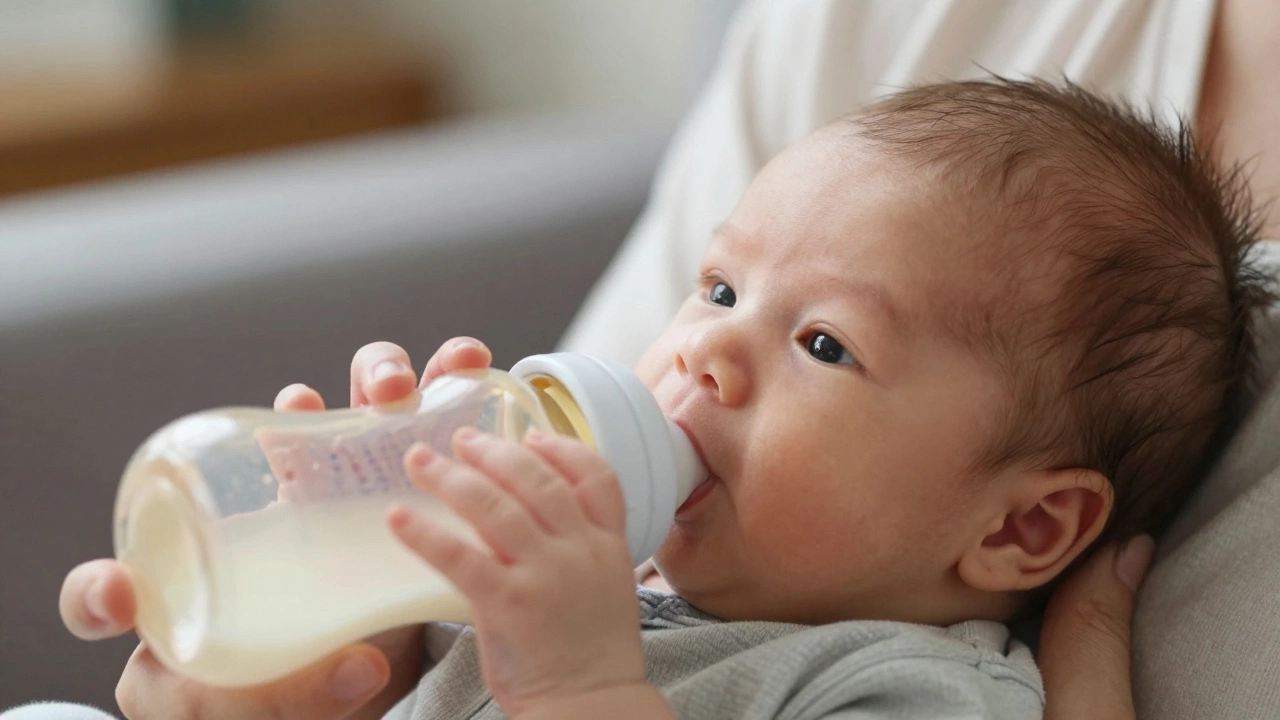
The nipple is arguably more important than the bottle itself. For a newborn, you always want a Level 1 or "Slow Flow" nipple. Fast-flow nipples are designed for older babies who drink quickly. Using them on a newborn forces them to work harder to control the stream, which leads to frustration and excessive air intake.
If you are breastfeeding, look for nipples with a "breast-like" shape. These are wider and flatter, mimicking the areola. This helps prevent "nipple confusion," a term used when a baby struggles to latch onto the breast after using a rigid bottle nipple. Brands like Dr. Brown’s and Philips Avent offer shapes designed specifically to ease this transition. If you are formula-only, focus on comfort and ease of cleaning. A narrower nipple might be easier for some babies to grasp, while others prefer the wide mouth.
Anti-Colic Features: Worth the Hype?
Colic and gas are common concerns for new parents. Many bottles claim to reduce gas through venting systems. Dr. Brown’s Options+ bottles, for example, have internal vents that keep air out of the milk. Studies suggest these can significantly reduce spit-up and gassiness. The trade-off is complexity. More parts mean more scrubbing. Cleaning those tiny vents requires patience and small brushes.
If your baby seems prone to gas, start with an anti-colic bottle. If they seem fine with a simple bottle, you might save yourself the extra cleaning effort. Every baby is different. Some thrive with complex venting systems; others don’t notice the difference. Don’t feel pressured to buy the most expensive system unless your baby shows signs of discomfort during feeds.
Essential Accessories You Actually Need
Bottles don’t exist in a vacuum. To make feeding smoother, you need a few supporting tools. Skip the fancy electric warmers for now; they take up space and break easily. Instead, invest in:
- A Bottle Brush Set: Get one with long handles and small brushes for nipples. Hand-washing is often more effective than dishwashers for removing milk residue from crevices.
- A Sterilizer: While boiling water works, a steam sterilizer saves time. It’s especially useful in the early weeks when you’re sleep-deprived and dealing with frequent feedings.
- Milk Storage Bags: If you are pumping, having pre-measured bags ready makes night feeds less chaotic. You can freeze them and thaw them as needed.
- A Portable Warming Container: For outings, a simple insulated bag with hot water bottles keeps formula warm without electricity.
Common Mistakes to Avoid
New parents often fall into a few traps when buying bottles. First, don’t mix brands immediately. If your baby accepts Brand A, stick with it for a few weeks. Switching nipple shapes too frequently can confuse them. Second, don’t ignore the cap. Some caps are notoriously difficult to screw on tightly, leading to leaks in your diaper bag. Test the seal before relying on it for travel.
Finally, watch for wear and tear. Rubber nipples degrade. If you see whitening, tearing, or swelling, replace them immediately. A damaged nipple can pose a choking hazard. Check them weekly under bright light.
When to Transition Cup Feeding
While this guide focuses on newborns, keep the end goal in mind. The American Academy of Pediatrics recommends starting cup training around six months. You don’t need to rush, but introducing a sippy cup or open cup gradually helps wean off bottles. Prolonged bottle use beyond 18 months can lead to dental issues. Start thinking about the transition now so it doesn’t feel abrupt later.
Can I use the same bottles for breast milk and formula?
Yes, absolutely. Most modern bottles are compatible with both. Just ensure you clean them thoroughly between uses to prevent cross-contamination of flavors, which some babies might reject. Glass bottles are particularly good at not retaining odors.
Do I need to sterilize bottles every time?
For the first month, yes, sterilization is recommended to protect your newborn’s developing immune system. After that, washing with hot soapy water and rinsing well is usually sufficient, according to health guidelines. Always check with your pediatrician for specific advice.
Why does my baby pull away from the bottle?
This could be due to nipple flow speed, temperature, or teething pain. Try warming the bottle slightly to body temperature. If the flow is too fast, switch to a slower nipple. If too slow, try a higher flow level. Sometimes, simply burping the baby halfway through helps.
Are wide-neck bottles better than narrow-neck?
Wide-neck bottles are easier to fill and clean, reducing the chance of milk getting stuck in corners. Narrow-neck bottles mimic the shape of the human breast more closely, which some breastfeeding mothers prefer. It largely comes down to personal preference and cleaning convenience.
How do I know if my baby is allergic to a bottle material?
True allergies to bottle materials are rare. However, sensitivities to latex nipples can occur. If your baby develops a rash around the mouth or seems unusually fussy only with certain bottles, try switching to silicone nipples. Consult your doctor if symptoms persist.