What Did Babies Drink Before Formula Was Invented?

Historical Infant Feeding Explorer
Select a time period or feeding method to discover what babies drank before modern formula was invented.
What Did They Drink?
Preparation Method
Major Risks
You might assume that for thousands of years, babies had to wait until solid foods were ready or rely on their mothers' milk exclusively. But what if I told you that before the invention of modern baby formula is a manufactured powder or liquid designed to mimic human breast milk., infants drank everything from animal blood to fermented grain water? The idea that we invented nutrition in the last century is a myth. Humans have been solving the problem of infant hunger since we started walking upright, and our solutions were often surprising, sometimes dangerous, and occasionally brilliant.
If you are a new parent staring at a can of formula, wondering if this industrial product is the only way to feed your child when breastfeeding isn't an option, you need to look back. Understanding the history of infant feeding reveals how resilient babies actually are, but also highlights why modern science matters. It wasn’t just about survival; it was about culture, class, and availability. Let’s explore what actually went into those tiny stomachs before the first tin of Similac hit the shelves in the early 20th century.
The Primary Solution: Wet Nursing
For most of human history, if a mother couldn't produce enough milk, she didn't turn to a bottle. She turned to another woman. This practice, known as wet nursing is the practice of a woman breastfeeding a child who is not her own biological offspring., was the gold standard for centuries across Europe, Asia, and the Americas. Wealthy families would hire a wet nurse, while poorer communities relied on neighbors or relatives.
This wasn't just charity; it was a vital social contract. In many cultures, the bond between the wet nurse and the child was considered nearly as strong as the biological one. Records from Victorian England show that upper-class mothers frequently sent their infants away to be raised by wet nurses in rural areas, believing fresh country air and robust health made for better milk. However, this system had flaws. Disease transmission was a real risk, and the emotional toll on both the biological mother and the child could be severe. Yet, compared to the alternatives available at the time, human milk remained the safest bet.
Animal Milk: Cow, Goat, and Beyond
When human milk wasn't available, people looked to the farm. Cow's milk is the most common animal milk used for infant feeding historically, though it requires significant modification to be safe for humans. was the most popular substitute, but it wasn't served straight from the udder. Raw cow's milk is too high in protein and minerals for a newborn's immature kidneys and lacks sufficient iron and vitamin C. Ancient texts from Egypt and Greece describe mixing cow's milk with water and honey, or boiling it extensively to break down the proteins.
Goat's milk is easier to digest than cow's milk due to smaller fat globules, making it a preferred alternative in Mediterranean and Middle Eastern regions. gained popularity later, particularly among parents whose children had sensitivities to cow's milk. In the 19th century, goat's milk became fashionable in cities like Paris and London. However, it still lacked essential nutrients found in human milk, leading to issues like megaloblastic anemia if fed exclusively without supplementation. Donkey and mare's milk were also used, especially in Southern Europe and Central Asia, because their composition is closer to human milk than cow's milk is. These options were safer but less accessible due to lower production volumes.
| Substitute | Primary Region/Era | Preparation Method | Major Nutritional Risk |
|---|---|---|---|
| Human Milk (Wet Nurse) | Global, Pre-20th Century | Direct breastfeeding | Disease transmission, emotional separation |
| Cow's Milk | Europe, North America | Boiled, diluted with water/honey | Kidney strain, iron deficiency, scurvy |
| Goat's Milk | Mediterranean, Middle East | Boiled, often sweetened | Folate deficiency (anemia) |
| Pap/Porrige | Global, Agrarian societies | Chewed grains mixed with saliva, boiled oats/barley | Malnutrition, choking hazard, poor hygiene |
| Broths/Bones | Asia, Africa | Long-simmered meat/bone water | Lack of calories, electrolyte imbalance |
Paps, Porridges, and Chewed Food
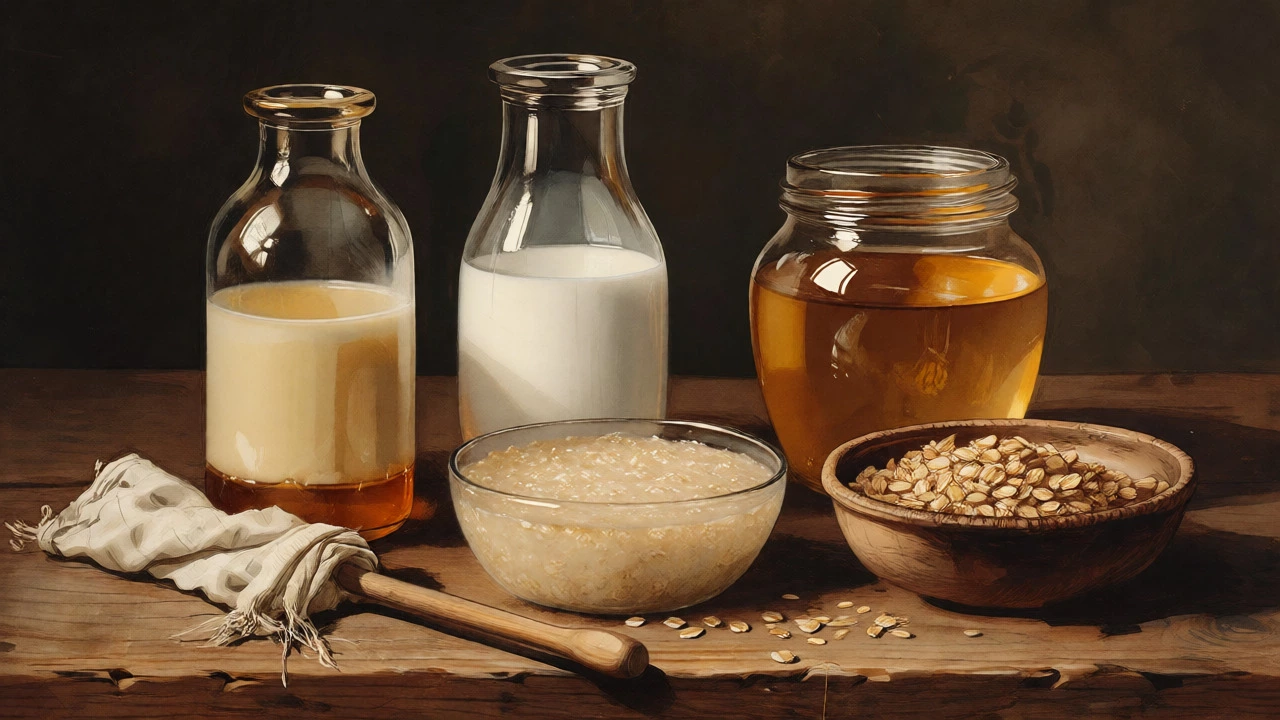
Before bottles existed, babies ate solids much earlier than we do today. They consumed "pap" or "porridge." This was often a mixture of bread soaked in broth, boiled oats, barley, or rice. In some cultures, the mother or caregiver would chew the food themselves before giving it to the infant. This process, called premastication, helped break down starches using enzymes in saliva, making the food easier for the baby to digest.
In parts of Africa and South America, fermented maize drinks or thin gruels were common. While these provided calories, they were often low in protein and fats crucial for brain development. This led to a phenomenon where babies survived infancy but suffered from long-term developmental delays. The introduction of solid foods was rarely gradual. A baby might go from exclusive breastfeeding to eating thick, lumpy porridge overnight, simply because the mother had to return to work or had passed away. Hygiene was a major issue. Using unsterilized spoons or storing cooked grains in warm containers allowed bacteria to thrive, causing frequent gastrointestinal illnesses.
The Rise of Artificial Feeding in the 1800s
The Industrial Revolution changed everything. As more women entered the workforce, the demand for convenient feeding methods skyrocketed. Enter the era of "artificial feeding." Early products weren't quite formula as we know it. They included things like Liebig's Soluble Food was one of the first commercial baby foods, created by German chemist Justus von Liebig in 1867., which was a mix of wheat flour, malt flour, and potassium bicarbonate. It was marketed as scientifically advanced, but it was essentially a carbohydrate-heavy slurry.
Then came the rubber nipple. Before its invention, caregivers used cloth rags tied around sticks or fingers to drip milk into a baby's mouth. These were notoriously difficult to clean and became breeding grounds for bacteria. The vulcanization of rubber in the mid-19th century allowed for the creation of reusable, washable nipples. Suddenly, bottle-feeding became hygienic enough to be popular. By the late 1800s, canned condensed milk was widely available. Parents would dilute it heavily with water and add sugar. While this prevented starvation, the lack of vitamins caused widespread rickets and other deficiencies.
Why Modern Formula Changed Everything
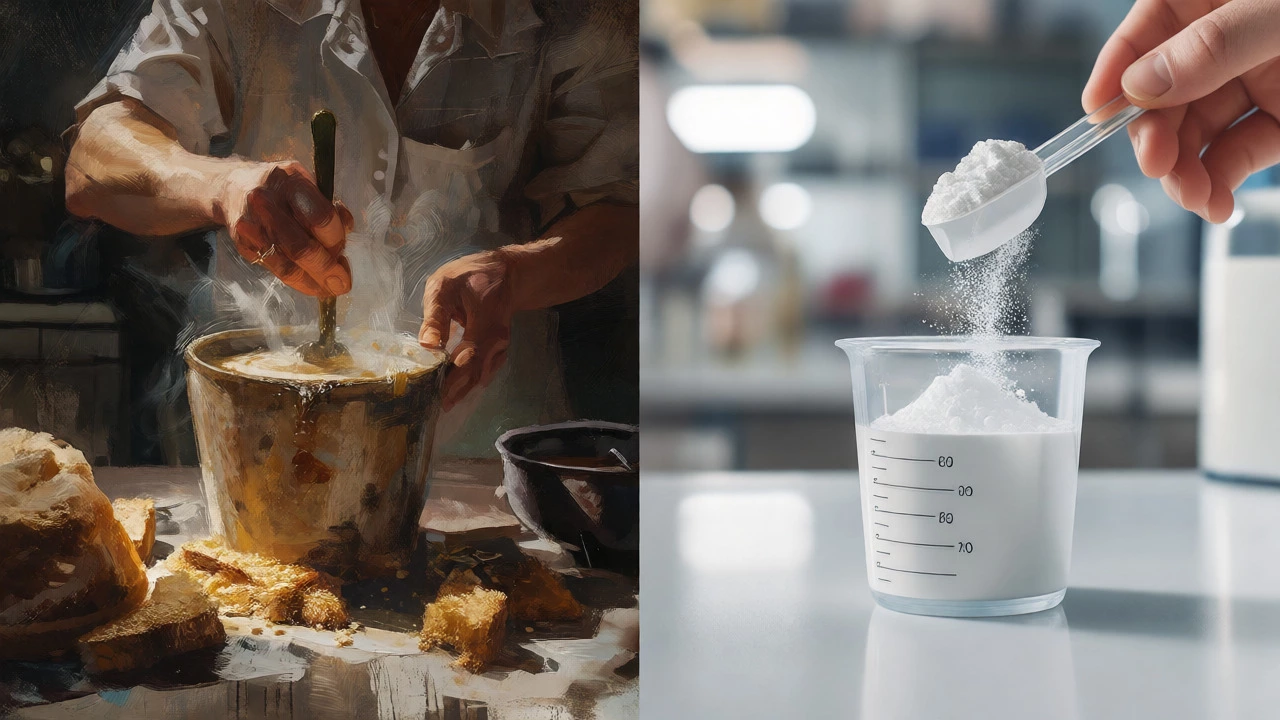
The turning point came with the understanding of microbiology and nutrition. Scientists realized that infant mortality rates were highest among artificially fed babies, not because of the concept itself, but because of contamination and poor formulation. The discovery of vitamins in the early 20th century was a game-changer. Manufacturers began adding Vitamin D, Iron, and Folic Acid to their products.
Modern infant formula is regulated by strict standards to ensure it provides all necessary macro and micronutrients. is designed to match human breast milk as closely as possible. Unlike the cow's milk and honey mixes of the past, today's formulas are fortified, sterilized, and consistent. You don't have to worry about whether the cow was sick or if the water source was contaminated with cholera. The safety net of regulation means that while breastfeeding is still recommended as the ideal, formula is now a safe, nutritious, and reliable backup.
Lessons from History for Today's Parents
So, why does this history matter to you right now? Because it reminds us that infant feeding has always been adaptable. Our ancestors managed to raise healthy generations despite lacking refrigeration, antibiotics, or nutritional science. If you struggle with breastfeeding, you aren't failing a natural mandate. You are part of a long lineage of parents who found ways to nourish their children using the best tools available.
However, history also warns against improvising. Some modern trends, like homemade formula recipes using raw milk or coconut oil, echo the dangers of the pre-regulation era. Without precise fortification, these DIY mixes can lead to serious imbalances. Stick to commercially prepared formulas unless directed otherwise by a pediatrician. The leap from chewed bread to lab-tested powder saved millions of lives. Respect that progress.
Did ancient babies drink water?
Generally, no. Exclusive breastfeeding provides all the water a baby needs, even in hot climates. Introducing plain water too early can fill up a baby's small stomach without providing calories, leading to malnutrition. Historically, if liquids were given, they were usually nutrient-dense broths or diluted milks rather than plain water.
Was honey safe for babies in the past?
Honey was commonly added to cow's milk to improve taste and provide energy. However, we now know that honey can contain Clostridium botulinum spores, which cause infant botulism. Babies under one year old lack the gut flora to handle these spores. Historically, this likely contributed to unexplained infant deaths that were attributed to other causes.
How did wet nurses get selected?
Selection criteria varied by culture and era. Often, physical health, temperament, and even breast size were considered. In some historical periods, wet nurses were required to have recently given birth themselves to ensure their milk was fresh. Social status mattered too; wealthy families sought women from specific backgrounds believed to produce 'stronger' milk.
When was the first baby formula invented?
While early substitutes existed for millennia, the first true commercial infant formula is often cited as Liebig's Soluble Food, introduced in 1867. However, modern whey-based formulas resembling today's products emerged in the early 20th century, with brands like Similac launching in 1921.
Is goat milk formula different from cow milk formula?
Yes. Goat milk formula is made from goat milk, which has different protein structures and fat globule sizes than cow milk. It may be easier to digest for some babies with mild cow's milk protein sensitivity, but it is not suitable for those with severe allergies. Both types are fortified to meet infant nutritional standards.