What Foods Are Toxic to Babies? A Safety Guide for Parents
Baby Food Safety Checker
Select a baby's age and a food item to see safety guidelines, risk factors, and preparation tips.
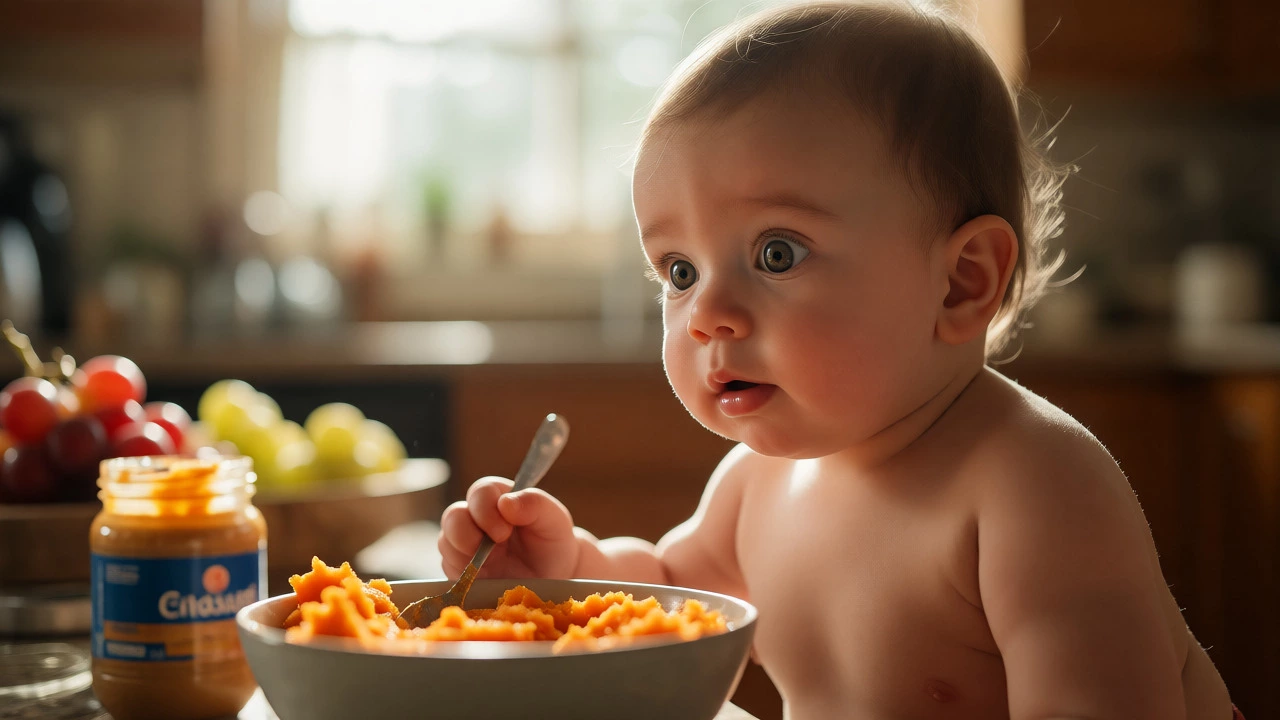
You’re sitting on the kitchen floor, spoon in hand, watching your six-month-old’s eyes go wide with curiosity. You’ve got a bowl of mashed sweet potato, but you’re also eyeing that jar of peanut butter and those whole grapes on the counter. It’s easy to feel overwhelmed by conflicting advice online. One site says avocados are great; another warns about nitrates in spinach. The truth is simpler than the panic suggests: most toxic foods for babies aren’t actually "poison" in the traditional sense. They are either choking hazards, allergens that need careful introduction, or contain specific bacteria that an immature gut can’t handle.
As a parent in Vancouver, I know how tempting it is to share everything we eat with our little ones. But their bodies are still building the machinery to process certain compounds. Let’s cut through the noise and look at exactly what you should avoid, why, and when you can safely bring these foods back into the mix.
The Real Poison: Honey and Botulism
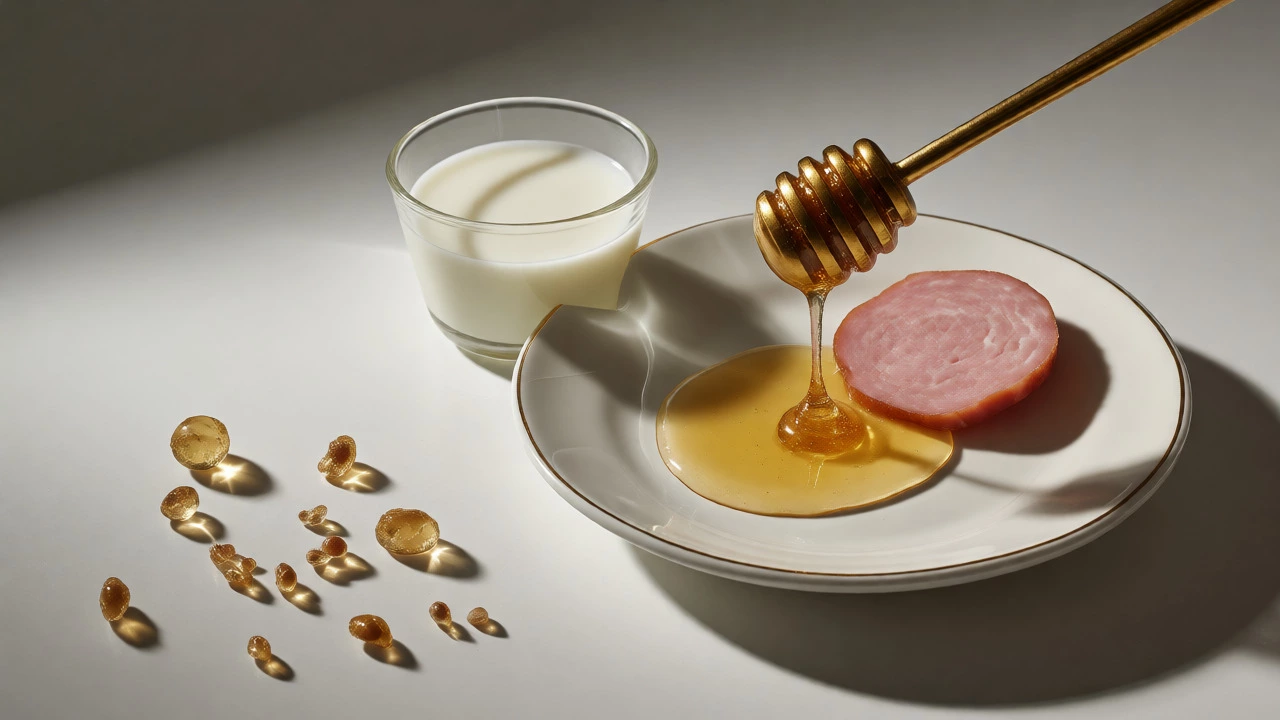
If there is one absolute rule that every pediatrician agrees on, it’s this: no honey for infants under one year old. This isn’t just folklore; it’s a biological necessity. Honey often contains spores of Clostridium botulinum, a bacterium found in soil and dust. Adults and older children have mature digestive systems with enough stomach acid and competing good bacteria to keep these spores dormant. They pass right through without causing harm.
Babies under twelve months don’t have that defense yet. Their guts are more susceptible to colonization by these spores. Once inside, the spores can germinate and produce a potent neurotoxin that causes infant botulism. This condition leads to muscle weakness, constipation, poor feeding, and in severe cases, respiratory failure. It sounds scary because it is, but it’s rare and preventable. The key takeaway? Check labels. Honey hides in baked goods, granola bars, and even some commercial baby snacks. If it says "contains honey," skip it until their first birthday cake.
Choking Hazards vs. Toxicity
When parents ask about "toxic" foods, they often mean "dangerous." For babies, danger usually means choking. A grape isn’t poisonous, but its size and shape make it a perfect plug for a small airway. Here is how to navigate the texture minefield:
- Whole Nuts and Seeds: Peanuts, almonds, and sunflower seeds are hard, round, and slippery. They rarely get crushed by gums alone. Always use smooth nut butters (thinned with water or breast milk) or finely ground nuts instead of whole pieces.
- Raw Vegetables: Hard carrots, celery sticks, or raw apple slices are like trying to chew on wood chips. Steam them until they are soft enough to be squished between your fingers, then mash or puree them.
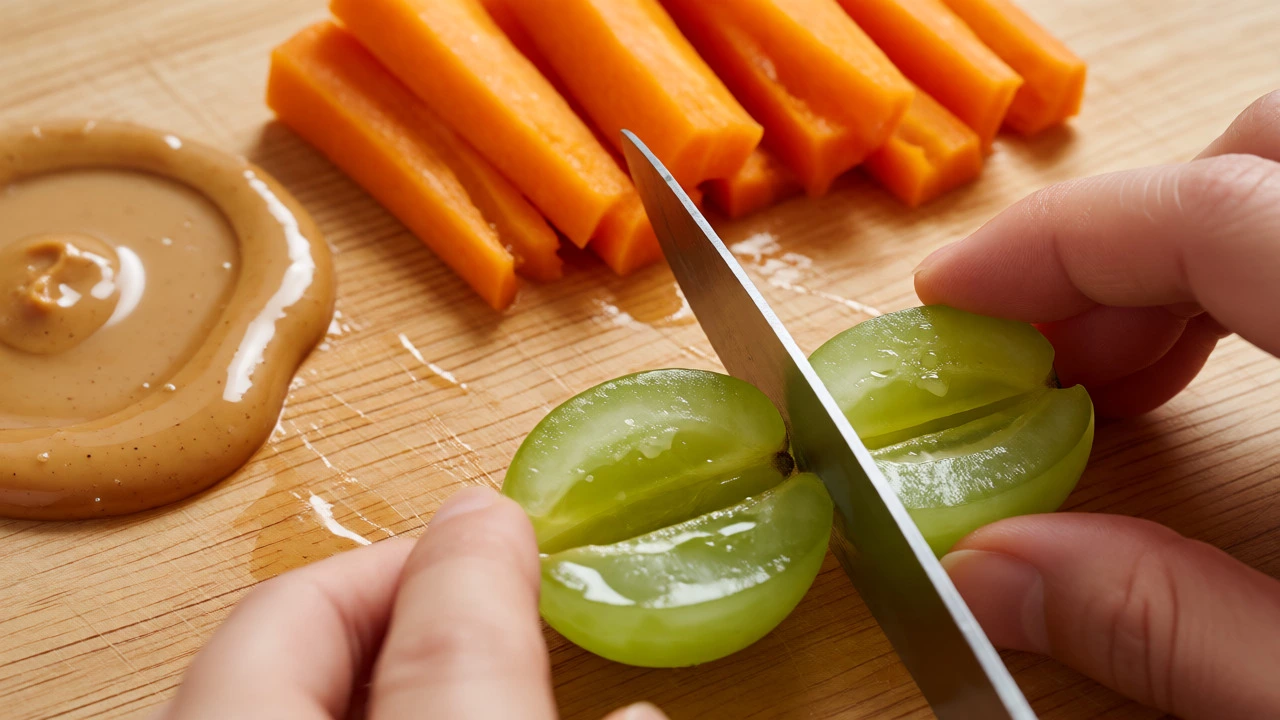
- Grapes and Cherry Tomatoes: These must be quartered lengthwise. Cutting them crosswise leaves a round shape that can still block the throat. Quartering creates irregular shapes that are easier to manage.
- Popcorn and Candy: Both are classic choking risks due to their size and consistency. Avoid popcorn entirely until age four, as it’s difficult to chew thoroughly. Sticky candies like taffy or caramels can adhere to the roof of the mouth and block airflow.
Remember, choking is mechanical, not chemical. The food itself isn’t poisoning the child; it’s physically blocking breathing. Supervision during meals is non-negotiable.
Allergens: To Introduce or Avoid?
Old advice suggested delaying common allergens like peanuts, eggs, and shellfish. New research flips that script. Early exposure might actually help prevent allergies. However, introducing them incorrectly can cause reactions that look like toxicity-swelling, hives, or vomiting.
| Food Item | Safe Form for Infants | Why Caution Is Needed |
|---|---|---|
| Peanuts | Smooth butter mixed into puree or thinned with warm water/milk. | Whole nuts are choking hazards; early exposure reduces allergy risk. |
| Eggs | Fully cooked scrambled eggs or hard-boiled yolk mashed well. | Risk of Salmonella if undercooked; protein reaction possible. |
| Shellfish | Finely minced shrimp or crab mixed into rice or pasta. | High allergen potential; ensure freshness to avoid bacterial issues. |
| Dairy | Full-fat yogurt or cheese cubes (soft). | Cow’s milk as a drink is too heavy on kidneys before age 1. |
The strategy here is gradual introduction. Start with a tiny amount, wait two days, and watch for reactions. If your family has a history of severe eczema or egg allergies, consult your pediatrician before offering peanut products. Don’t assume avoidance is safer; current guidelines from organizations like the American Academy of Pediatrics suggest timely introduction builds tolerance.
Nitrate-Rich Vegetables and Water Quality
You’ve probably heard warnings about spinach, beets, green beans, and squash. These vegetables naturally accumulate nitrates from the soil. When a baby digests them, nitrates convert to nitrites, which can interfere with oxygen transport in the blood, leading to methemoglobinemia (blue baby syndrome). This is more critical for homemade purees made with well water, which may have higher nitrate levels than municipal tap water.
Store-bought jars of these veggies are generally safe because manufacturers monitor nitrate levels. If you’re making your own, rotate your greens. Don’t feed spinach every single day. Mix it with lower-nitrate options like peas or zucchini. Also, ensure your baby is drinking plenty of fluids to help flush out excess nitrates. If you live in an area with private wells, test your water for nitrate content specifically for infant consumption.
Hidden Dangers: Salt, Sugar, and Additives
Technically, salt isn’t toxic in small amounts, but babies’ kidneys are immature. Too much sodium strains their filtration system. Processed meats like ham, bacon, or deli turkey are loaded with salt and preservatives like nitrates. Skip these until toddlerhood. Freshly cooked chicken or fish is far better.
Sugar doesn’t poison a baby, but it sets the stage for tooth decay and unhealthy eating habits. Fruit juice, even 100% natural, is high in sugar and low in fiber. The American Dental Association recommends no fruit juice for children under one. If you offer juice later, dilute it heavily. Watch out for added sugars in flavored yogurts or oatmeals. Read the ingredient list: if sugar appears in the first three ingredients, put it back on the shelf.
Fish and Mercury Concerns
Fish is excellent for brain development due to omega-3 fatty acids. But some large predatory fish accumulate mercury, a neurotoxin. High levels can damage a developing nervous system. Avoid shark, swordfish, king mackerel, and tilefish. Choose low-mercury options like salmon, cod, light canned tuna, and sardines. Limit albacore tuna to once a week. Proper cooking kills parasites and bacteria, making fish a safe and nutritious choice when selected wisely.
Practical Checklist for Safe Feeding
Before you serve anything new, run through this quick mental check:
- Texture Test: Can you crush it easily between your thumb and forefinger? If not, cook it longer or blend it.
- Size Check: Is it smaller than half a pea? Cut round foods into quarters.
- Temperature Check: Stir hot purees thoroughly. Microwaves heat unevenly, creating "hot spots" that can burn delicate mouths.
- Label Scan: Does it contain honey, excessive salt, or added sugar?
- Allergy Watch: Have you introduced this allergen before? If not, start small and observe.
Feeding your baby shouldn’t be a source of constant anxiety. Most foods become safe as your child grows and develops chewing skills. Stay informed, stay vigilant, and enjoy the messy, wonderful journey of discovering tastes together.
Can babies eat cow’s milk?
No, not as a primary drink. Cow’s milk is hard for infants to digest and lacks sufficient iron. It can also cause microscopic intestinal bleeding. Wait until age one to introduce whole cow’s milk. Yogurt and cheese are fine earlier because fermentation breaks down proteins.
Is avocado bad for babies?
No, avocado is highly recommended. It’s rich in healthy fats essential for brain development. Just ensure it’s ripe and mashed smooth. Some parents worry about oxalates, but the benefits outweigh minor concerns for most healthy infants.
When can babies eat strawberries?
Strawberries can be introduced around 6 months, but they are acidic and may cause diaper rash or mild oral irritation. Mash them well to reduce choking risk. If your baby has eczema, introduce cautiously and watch for skin reactions.
Are grapes really dangerous?
Yes, whole grapes are a top choking hazard because they are round, firm, and slippery. Always cut them lengthwise into quarters before serving to a baby or toddler.
Can I give my baby herbal tea?
Generally, no. Herbal teas lack nutritional value for infants and may contain contaminants or compounds affecting hormones. Stick to breast milk, formula, and small amounts of water with solids after 6 months.