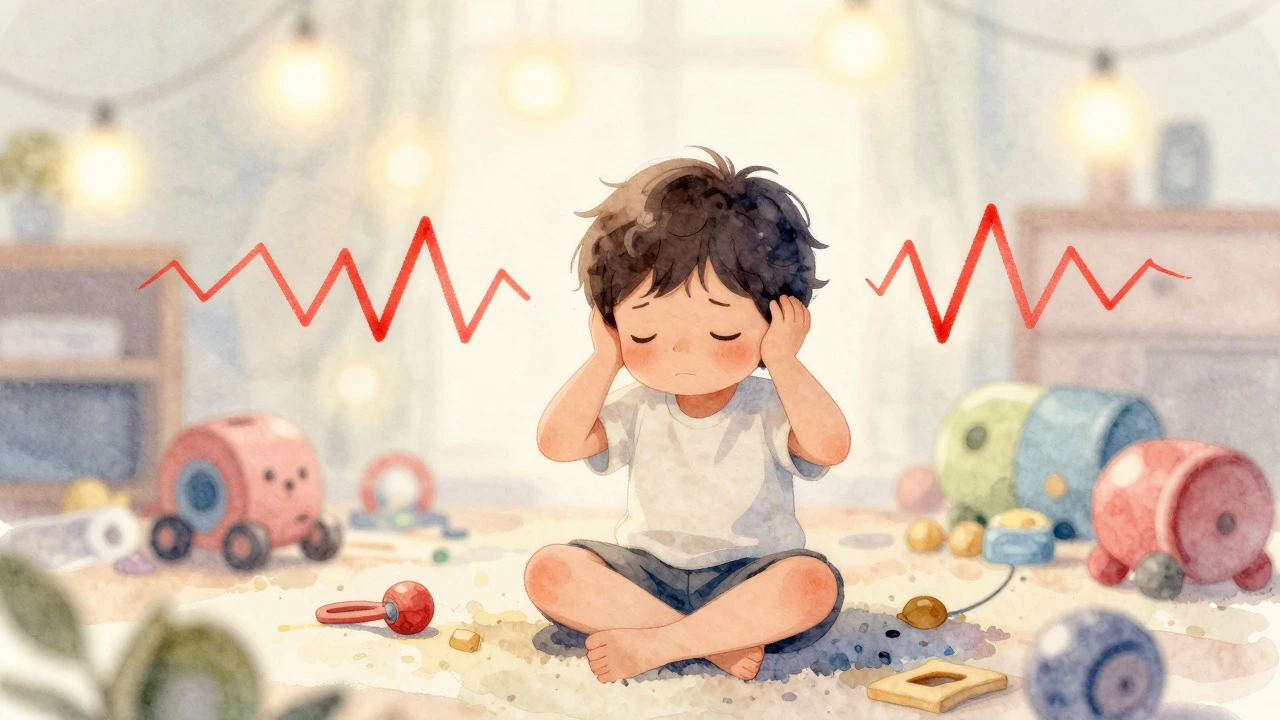
What Toys Improve Mental Health? A Guide to Calming and Cognitive Play
Mental Health Toy Finder
Select your child's current emotional state or goal to find recommended toys that support their mental well-being.
Recommended Play Strategies
Have you ever watched a child completely lose themselves in a box of sand or a set of building blocks, only to emerge ten minutes later looking noticeably calmer? It’s not just magic. Play is one of the most effective tools we have for regulating emotions, reducing stress, and building resilience. But not all toys are created equal when it comes to supporting mental health. Some toys stimulate overexcitement, while others provide the gentle structure needed to soothe an anxious mind or help a frustrated child find their footing.
In our fast-paced world, where screens often dominate leisure time, finding physical objects that genuinely support emotional well-being can feel like searching for a needle in a haystack. Parents and caregivers are increasingly looking beyond entertainment value to ask: Does this toy help my child process feelings? Does it offer a safe outlet for big emotions? The answer lies in understanding how different types of play interact with the developing brain.
The Science Behind Play and Emotional Regulation
To understand why certain toys improve mental health, we first need to look at what happens in the brain during play. When children engage in unstructured, self-directed play, their brains release dopamine, the neurotransmitter associated with pleasure and motivation. This isn't just about feeling good; it's about learning how to cope. According to research from the American Academy of Pediatrics, play allows children to experiment with social roles, practice problem-solving, and regulate their nervous systems.
Consider the concept of "flow state," a term coined by psychologist Mihaly Csikszentmihalyi. When a child is deeply engaged in a challenging but achievable task-like balancing wooden blocks or solving a puzzle-they enter a state of focused immersion. In this state, external worries fade away. The brain shifts from a reactive mode (fight or flight) to a proactive mode (focus and creation). Toys that facilitate this flow are powerful allies in mental health maintenance because they teach the brain that challenges can be managed and overcome.
How does play affect a child's brain development?
Play stimulates neural connections in the prefrontal cortex, which is responsible for decision-making, impulse control, and emotional regulation. It helps children learn to manage stress and develop empathy through social interaction.
Sensory Toys: Grounding Tools for Anxious Minds
For many children, especially those with anxiety or sensory processing differences, the world can feel overwhelming. Loud noises, bright lights, and chaotic environments can trigger stress responses. This is where sensory toys come into play. These aren't just fidgets to keep hands busy; they are grounding mechanisms that help bring the mind back to the present moment.
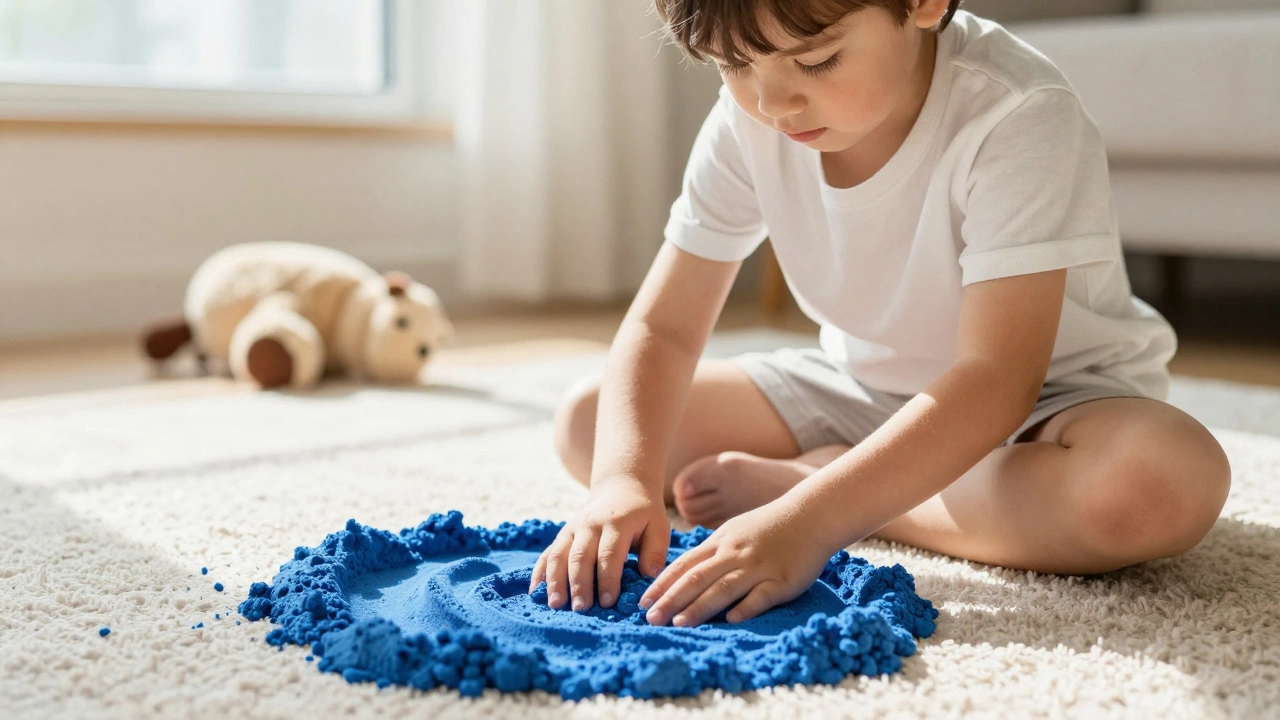
Kinetic Sand is a moldable substance that behaves like wet sand but doesn't dry out, offering a unique tactile experience. Why is it so effective? The resistance provided by kinetic sand requires physical effort to manipulate, which provides proprioceptive input-the sense of body position and movement. This input is calming to the nervous system. Similarly, weighted stuffed animals mimic the feeling of a hug, releasing oxytocin and lowering cortisol levels. Studies have shown that deep pressure therapy, which these toys simulate, can significantly reduce heart rate and promote relaxation in both children and adults.
If your child struggles with transitions or feels overwhelmed in new environments, consider incorporating these sensory anchors:
- Chewelry: Necklaces designed for chewing, providing oral sensory input that can calm an agitated nervous system.
- Therapy Putty: Comes in various resistances, allowing children to squeeze, pull, and stretch, which helps release tension in the hands and arms.
- Fidget Spinners or Cubes: While controversial in classrooms, at home, they can serve as discreet tools for managing restlessness without disrupting focus.
Creative Expression: Art as Emotional Release
Words don't always capture what a child is feeling. Sometimes, the emotions are too big, too confusing, or too scary to articulate. This is where art-based toys become essential for mental health. They provide a non-verbal outlet for expression, allowing children to externalize their internal worlds.
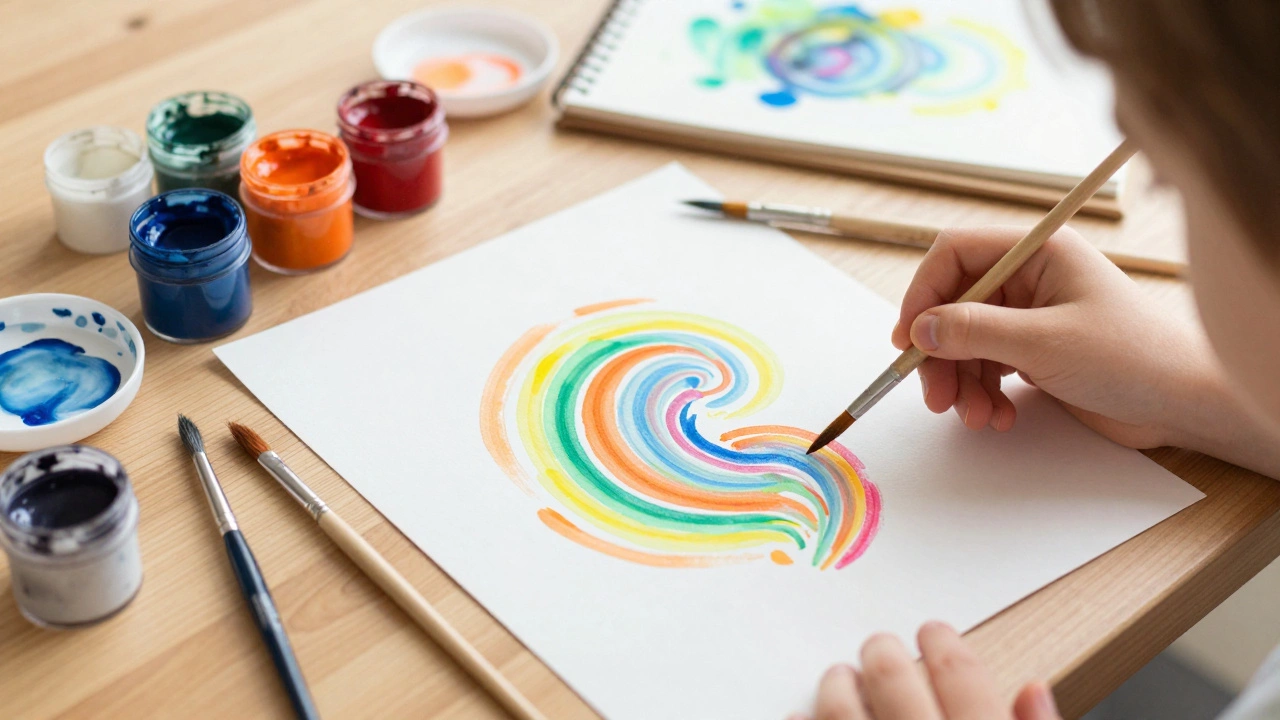
Open-ended art supplies include materials like crayons, markers, paint, and clay that do not have a single correct outcome. Unlike coloring books with strict lines, open-ended art encourages freedom. There is no wrong way to create. This lack of judgment is crucial for building self-esteem and reducing performance anxiety. When a child draws a dark, stormy picture, they might be processing anger or fear. By giving that emotion a physical form, they gain distance from it, making it easier to discuss and resolve.
Dough and clay play also offers significant psychological benefits. The malleability of these materials allows for destruction and reconstruction. A child who is frustrated can smash the clay, then rebuild it. This cycle mirrors emotional resilience: things break, but they can be fixed. It teaches flexibility and patience, two key components of emotional intelligence.
| Toy Type | Primary Benefit | Best For |
|---|---|---|
| Modeling Clay | Tactile release, stress reduction | Children with high frustration tolerance needs |
| Watercolor Sets | Mindfulness, color theory exploration | Anxious children needing calm focus |
| Collage Kits | Decision making, low-pressure creativity | Perfectionists who fear mistakes |
Construction Toys: Building Confidence and Patience
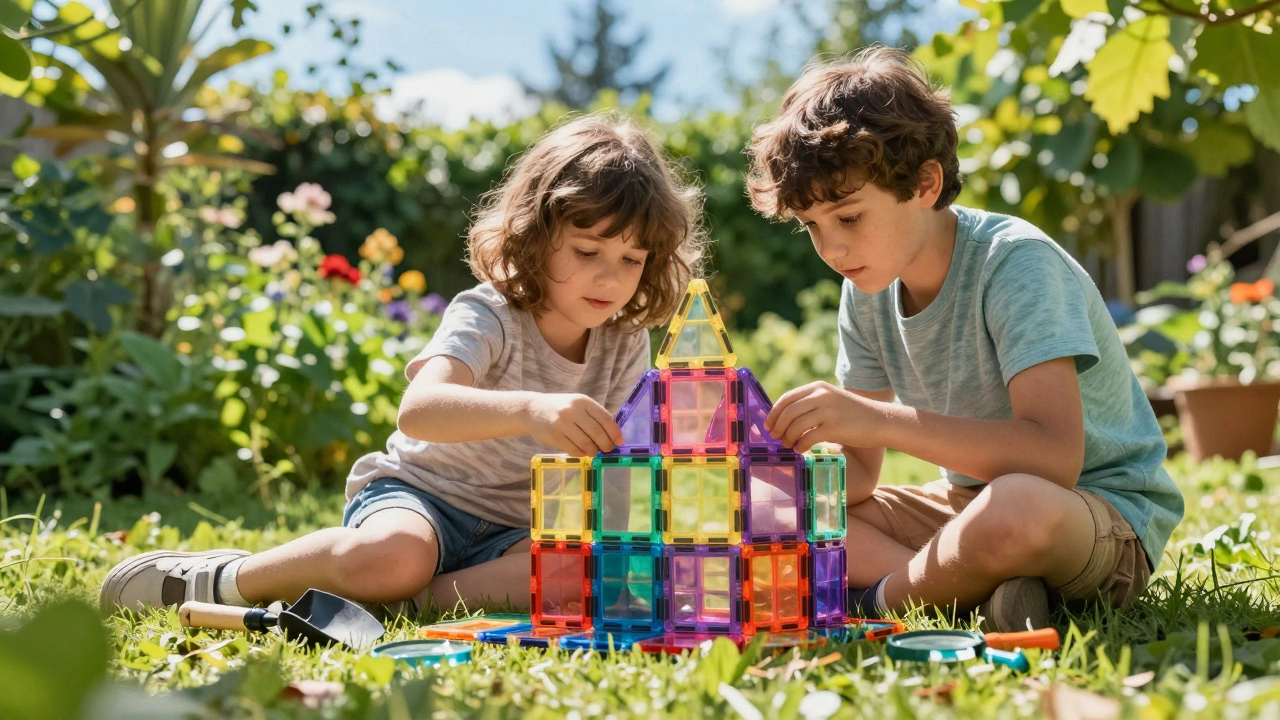
There is something profoundly satisfying about building something from scratch. Construction toys, such as Magnetic Tiles are geometric shapes with embedded magnets that connect easily to form 3D structures., offer more than just engineering skills. They teach delayed gratification and problem-solving. When a tower falls, the child learns to assess what went wrong and try again. This iterative process builds grit-a personality trait strongly linked to long-term mental health and success.
Unlike digital games where failure is often met with immediate restart buttons, physical construction requires patience. You have to pick up the pieces. You have to think before you place the next block. This slows down the thinking process, encouraging mindfulness. Research suggests that children who engage in regular constructive play show higher levels of executive function, which includes working memory, flexible thinking, and self-control.
Moreover, collaborative building projects foster social-emotional learning. When siblings or friends build together, they must negotiate roles, share resources, and communicate ideas. These interactions are mini-lessons in conflict resolution and teamwork, skills that are vital for healthy relationships later in life.
Pretend Play: Processing Real-World Scenarios
Dolls, action figures, and dress-up clothes might seem like simple fun, but they are actually sophisticated tools for emotional processing. Pretend play, also known as socio-dramatic play, allows children to rehearse real-life scenarios in a safe environment. A child might use a doll to act out a visit to the doctor, thereby reducing anxiety about an upcoming appointment. Or they might enact a conflict between two action figures to explore feelings of anger or betrayal.
This type of play enhances empathy. When a child takes on the role of a parent, a teacher, or even a villain, they step outside their own perspective. They begin to understand that others have different thoughts and feelings. Empathy is a cornerstone of mental health, as it fosters connection and reduces isolation. Without strong empathetic skills, individuals may struggle with loneliness and social rejection, which are major risk factors for depression and anxiety.
Encourage pretend play by providing diverse props. Include medical kits, kitchen sets, and costumes that represent various professions and cultures. Avoid gender-stereotyped toys if possible, as limiting play options can restrict emotional vocabulary. Boys who play with dolls often develop stronger caregiving instincts, while girls who play with construction sets often develop greater spatial confidence.
Nature-Based Toys: Reconnecting with the Outdoors
In an era of digital saturation, nature-based toys offer a refreshing counterbalance. Items like magnifying glasses, bug catchers, and gardening kits encourage children to step outside and engage with the natural world. Nature has been proven to lower stress levels, improve mood, and boost concentration. This phenomenon, known as "attention restoration theory," suggests that natural environments replenish our cognitive resources.
Gardening, in particular, is a powerful therapeutic activity. It involves waiting, nurturing, and observing slow changes. This teaches children that growth takes time and care, fostering a sense of responsibility and accomplishment. Watching a seed sprout can be incredibly empowering for a child who feels small or powerless in other areas of their life. It provides tangible proof of their ability to create and sustain life.
Even simple activities like collecting leaves or skipping stones can be meditative. The rhythmic nature of these actions helps calm the mind. Encourage outdoor play by providing tools that make exploration easier and safer. A sturdy pair of binoculars or a field guide can turn a backyard walk into an adventure, shifting the focus from screen time to sensory engagement with the environment.
Choosing the Right Toy: A Practical Checklist
Not every toy will benefit every child. Mental health needs are highly individual. Here is a checklist to help you choose toys that align with your child's specific emotional needs:
- Observe Triggers: What situations cause your child stress? If loud noises are an issue, avoid electronic toys with sudden sounds. Opt for quiet, tactile options instead.
- Assess Energy Levels: Is your child hyperactive or lethargic? High-energy children may benefit from active toys like balance bikes or jump ropes to burn off excess adrenaline. Low-energy or withdrawn children might need engaging puzzles or creative kits to spark interest.
- Look for Open-Endedness: Does the toy have one right way to be used? If so, it may limit creativity and increase frustration. Choose toys that allow for multiple outcomes and interpretations.
- Consider Age Appropriateness: Toys that are too difficult can lead to frustration and avoidance. Toys that are too easy can lead to boredom. Aim for the "zone of proximal development," where the challenge is just above the child's current skill level.
- Prioritize Quality Over Quantity: Fewer, higher-quality toys often lead to deeper, more sustained play. Cluttered play spaces can increase anxiety and make it harder for children to focus.
Integrating Play into Daily Routines
To maximize the mental health benefits of toys, consistency is key. Try to incorporate short bursts of intentional play into daily routines. For example, spend ten minutes after dinner doing a puzzle together. Use sensory bins during bath time. Allow unstructured playtime in the morning before school. These small moments add up, creating a buffer against stress and building a foundation of emotional security.
Remember, the goal isn't to turn play into a chore or a therapy session. It's to create a space where your child feels safe, heard, and empowered. By choosing toys that support their emotional well-being, you're giving them the tools they need to navigate the complexities of growing up. And perhaps most importantly, you're showing them that their feelings matter, and that there are healthy, joyful ways to express them.
Can video games improve mental health?
Some video games can improve problem-solving skills and hand-eye coordination. However, excessive screen time is linked to increased anxiety and sleep issues. It's best to balance digital play with physical, creative, and social activities for overall mental well-being.
At what age should I introduce sensory toys?
Sensory toys can be introduced as early as infancy, provided they are safe and age-appropriate. Soft fabrics, textured balls, and high-contrast cards are great for babies. As children grow, you can introduce more complex sensory items like kinetic sand or water tables.
How do I know if my child needs professional help beyond play?
If play doesn't seem to alleviate distress, or if your child exhibits persistent sadness, aggression, withdrawal, or changes in eating/sleeping habits, consult a pediatrician or child psychologist. Play is a supportive tool, not a replacement for professional mental health care when needed.
Are expensive toys better for mental health?
Not necessarily. Simple items like cardboard boxes, blankets for forts, and household objects for pretend play can be just as beneficial as expensive branded toys. The value lies in how the toy is used and the interaction it facilitates, not its price tag.
Can older children benefit from these toys?
Absolutely. Teens also benefit from stress-relief tools like fidgets, journaling prompts, and creative arts. While the specific toys may differ in complexity, the underlying principles of emotional regulation and creative expression remain relevant across all ages.