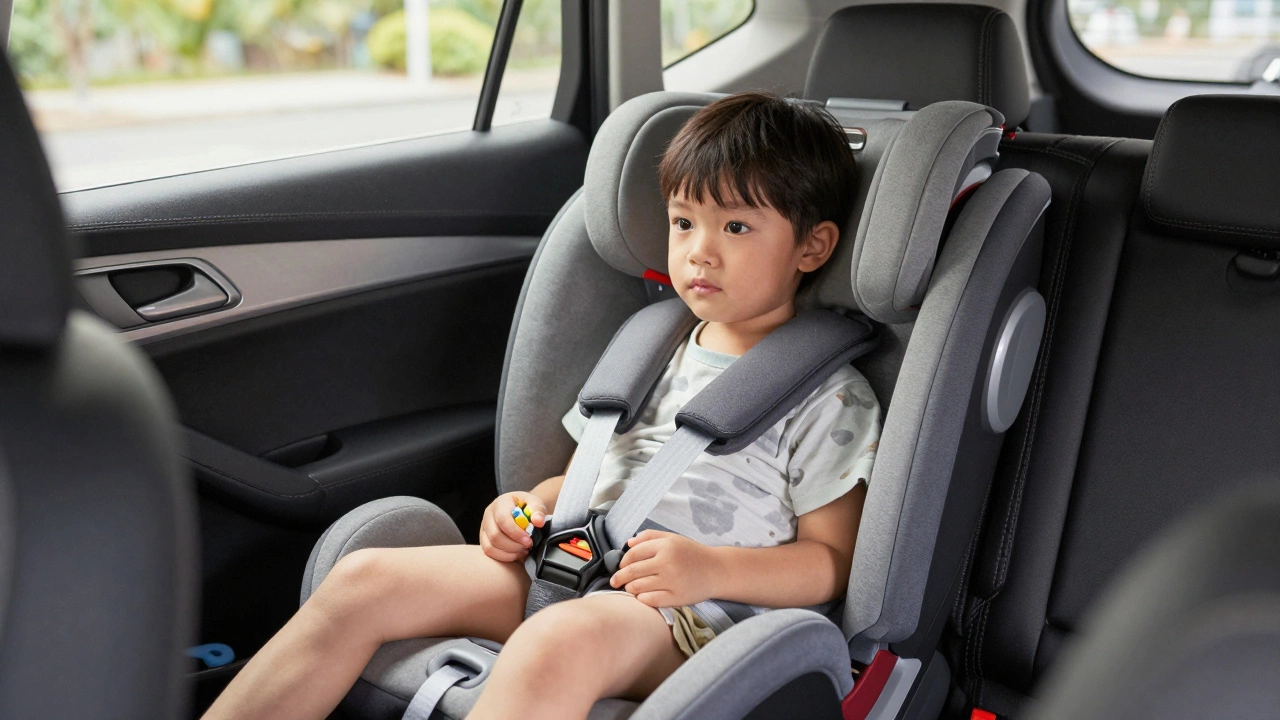
When Can a 4 Year Old Use a Booster Seat? Safety Guidelines

Booster Seat Readiness Checker
Check all the criteria that apply to your child. Safety is based on physical limits and behavior, not just age.
Readiness Result
Key Safety Takeaways
- Age is not the deciding factor; height, weight, and maturity are.
- Most 4-year-olds are still safer in a 5-point harness.
- A child must sit still and follow all safety rules before moving to a booster.
- Check your car seat manual for the maximum weight and height limits.
- Always use the vehicle's lap and shoulder belt correctly with a booster.
You might be staring at your 4-year-old and thinking they look "big enough" for a booster seat safety transition. Maybe they're fighting the straps of their current seat or complaining that they feel cramped. It's a common point of frustration for parents, but the short answer is: probably not yet. While some 4-year-olds might physically fit in one, "fitting" isn't the same as being safe. The jump from a harnessed seat to a booster is one of the most dangerous transitions if done too early because you're removing the most secure part of the system-the internal harness.
The Difference Between Harnesses and Boosters
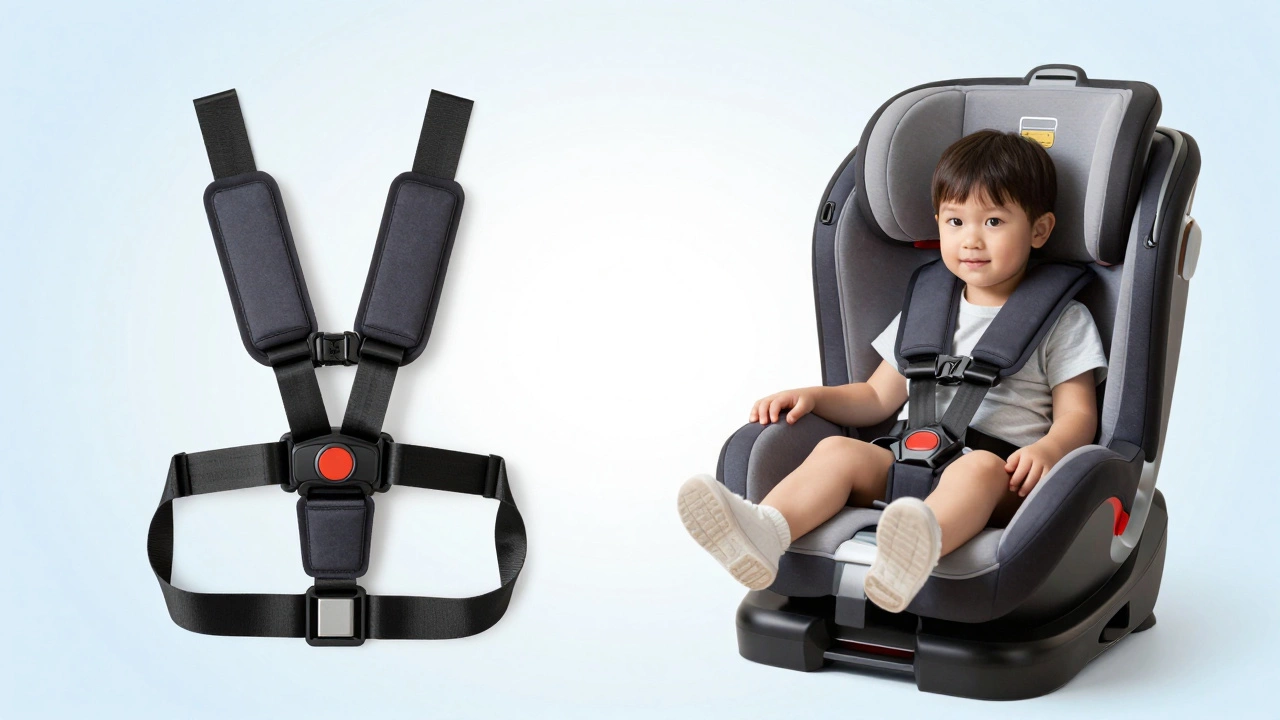
To understand why rushing this is a bad idea, we have to look at how these seats actually work. Forward-Facing Car Seats is a type of child restraint system that uses a five-point harness to secure a child in place, distributing crash forces across the strongest parts of the body. This system holds the child's shoulders and hips firmly, preventing them from sliding out or leaning during a collision.
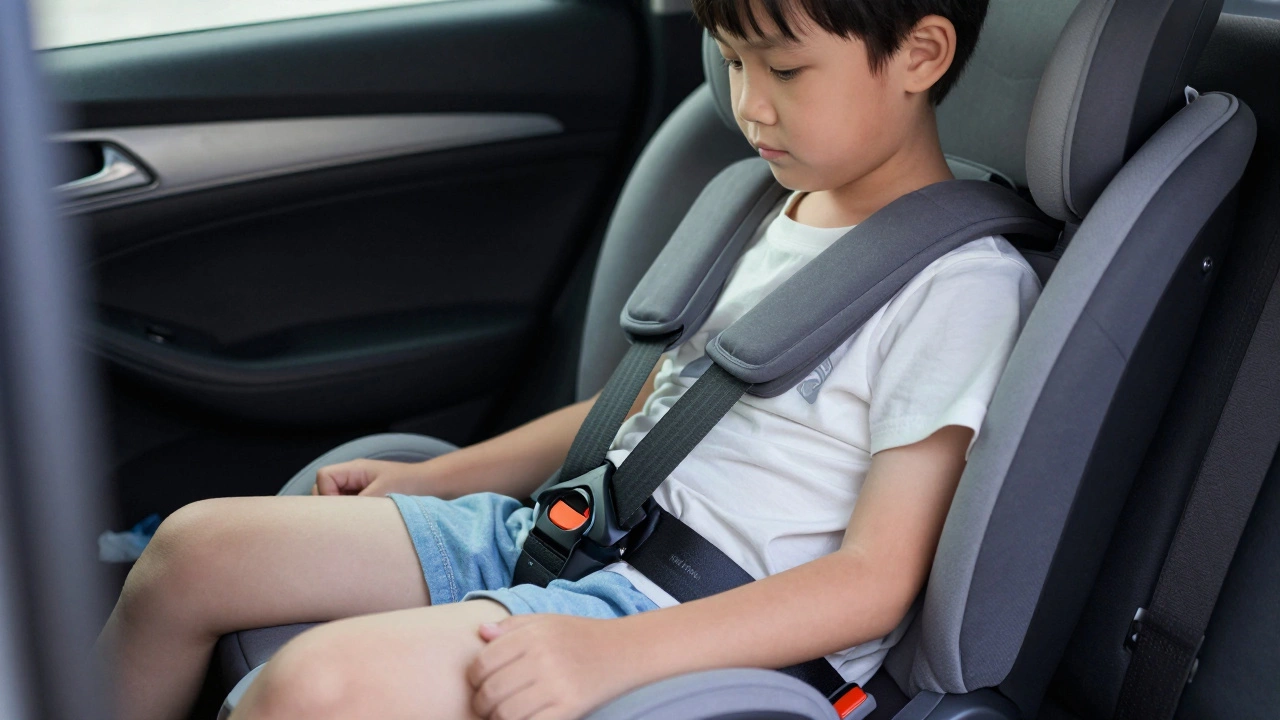
A Booster Seat is a raised seat that positions a child so the vehicle's adult lap and shoulder belt fit correctly across the pelvis and chest . Unlike a harness, a booster doesn't "hold" the child; it simply adjusts their position so the car's built-in belt does the work. If a 4-year-old is too small or too wiggly, that belt can end up across their neck or stomach, which is where serious injuries happen in a crash.
The Three Pillars of Transition
Forget the birthday candles. If you want to know if your child is ready, look at these three specific criteria. If they fail even one, they stay in the harness.
1. The Physical Limits
Every car seat has a limit. You need to find the manual for your current seat. Look for the "Maximum Height" and "Maximum Weight." If your child hasn't hit those limits, there is no safety-based reason to move them. For example, many modern Convertible Car Seats allow children to stay in a harness until they are 65 or even 100 pounds. If your 4-year-old is only 40 pounds, they are significantly safer in that harness.
2. Behavioral Maturity
This is where most 4-year-olds struggle. A booster seat requires the child to sit perfectly still. Have you ever seen a 4-year-old stay still for a 20-minute drive? They lean, they slouch, and they try to put the shoulder belt behind their back. In a harness, they are locked in. In a booster, a slouching child creates a gap between the belt and their body, which can lead to "submarining"-sliding under the lap belt during an accident.
3. The Belt Fit Test
If you do move to a booster, the belt must fit exactly right. The lap belt should be low and snug across the upper thighs (the bony part of the hips), not the soft belly. The shoulder belt should cross the center of the chest and shoulder, never touching the neck or sliding off the arm. If you see the belt riding up toward the throat, the child is too small for a booster.
| Feature | 5-Point Harness | Booster Seat |
|---|---|---|
| Primary Security | Internal straps (Shoulders/Hips) | Vehicle Seat Belt |
| Crash Force Distribution | Spread across 5 points | Spread across 2 points |
| Child's Role | Passive (held in place) | Active (must sit still) |
| Recommended Age | Birth through ~6-10 years | Typically 5+ years |
Common Pitfalls and "The 4-Year-Old Struggle"
Many parents move to a booster because the child is fighting the harness. We've all been there-the screaming, the twisting, the battle of wills. However, a child's tantrum is not a medical or safety indicator for a seat change. If they are fighting the harness, try adjusting the straps or checking if the seat is too tight. Moving them to a booster just to stop the crying puts them at higher risk during a crash.
Another mistake is using a High-Back Booster as a substitute for a harnessed seat. While high-back boosters provide better head and neck support than backless ones, they still rely on the vehicle's belt. They are not the same as a forward-facing harnessed seat. If your child is 4, they likely still need the security of those five points of contact.
When is it Actually Time?
You'll know it's time when the child has physically outgrown the harness-meaning their head is touching the top of the shell or the straps are at their tightest setting and still too short. At that point, you move to a booster. If you are in a region with specific Child Passenger Safety laws, like those in Canada or various US states, you'll find that the legal minimum age for a booster is often 5 or 6, though safety experts suggest waiting even longer.
If you are undecided, the rule of thumb is simple: When in doubt, keep them in the harness. There is zero safety benefit to moving to a booster early, but there is a significant safety loss if you move too soon.
Can my 4-year-old use a backless booster?
It is highly discouraged. Backless boosters provide no side-impact protection and no head support. Most 4-year-olds lack the upper body strength and maturity to sit correctly in a backless booster, making them much less safe than in a harnessed seat.
What if my child is very tall for 4?
If your child has physically outgrown the height or weight limit of their current harnessed seat, you can move to a booster. However, height alone isn't enough; they must also be mature enough to sit still without slouching for the entire trip.
Is a high-back booster safer than a backless one?
Yes. High-back boosters provide better positioning for the shoulder belt and offer additional protection for the head and torso. They are the recommended choice for children transitioning from a harness.
How do I know if the booster belt is too loose?
You should not be able to pinch any excess webbing of the seat belt. The belt should be snug against the body. If there is a gap where you can fit your fingers comfortably, it's too loose.
Do I need to follow the car seat manufacturer's limits or the law?
Always follow the strictest rule. If the law says you can use a booster at 4, but your car seat manual says the child is safe in a harness until 65 lbs, follow the manual. The manufacturer knows the physics of their specific seat best.
Next Steps for Parents
If you're still unsure, here is a quick game plan. First, dig out your car seat manual and check the weight/height limits. Second, observe your child on a long drive-do they sit still or do they wiggle and slide? Third, if you're still tempted to switch, contact a certified Child Passenger Safety Technician (CPST) for a professional fit-test. They can tell you exactly if your child's anatomy is ready for a belt-based system.