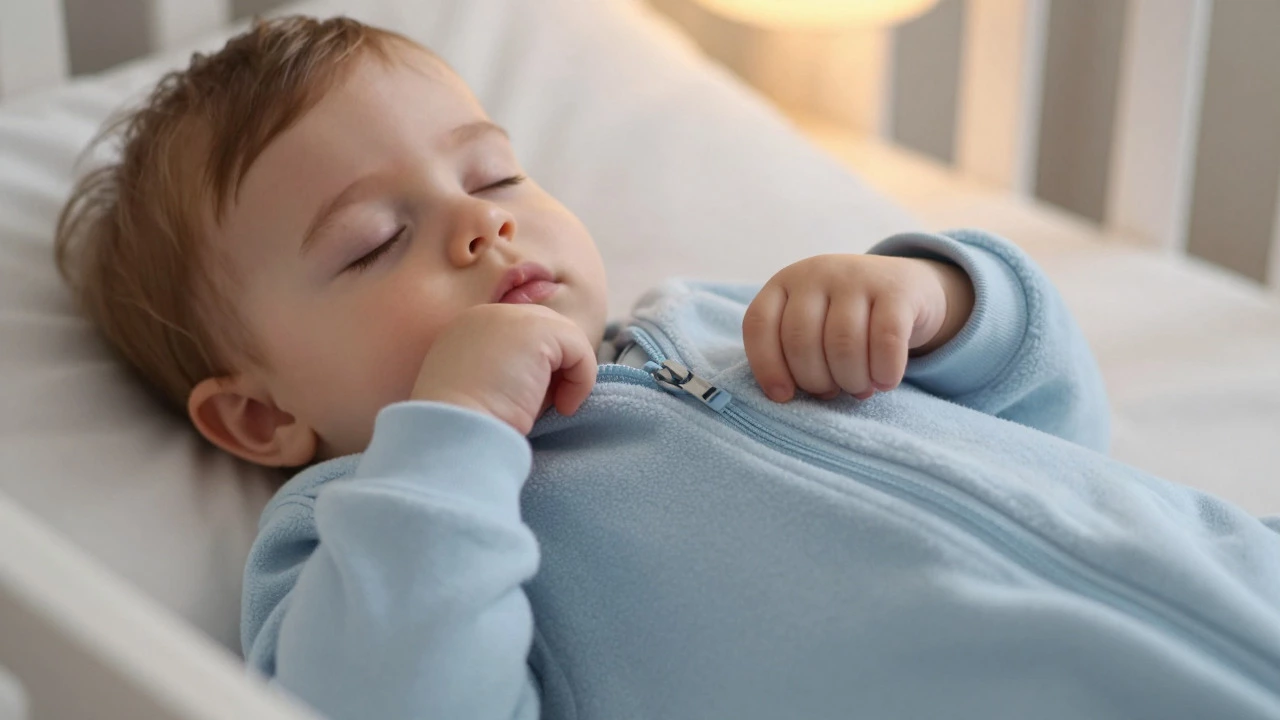
When to Give a Toddler a Blanket: Safety Guidelines & Age Milestones
🛌 Toddler Blanket Safety Checker
Assessment Parameters
Developmental Milestones Check
Check the boxes that apply to your child's current abilities:
Safety Assessment
Loading...You’re sitting on the edge of your child’s bed, watching them wiggle. They look cold. You reach for that soft, fluffy blanket you bought because it matched the room decor. But then a voice in your head whispers: Is it safe? It’s a question that keeps many parents up at night, not just from worry, but from conflicting advice. One day, a friend says, "Blankets are fine after one." The next, a well-meaning aunt insists they’re dangerous until age three. Who is right? The answer lies in understanding the specific risks associated with loose bedding and recognizing the developmental milestones that make a blanket safe.
The Core Risk: Why Loose Bedding Matters
To understand toddler blanket safety, we first have to look at the mechanism of danger. For infants under twelve months, the primary concern is Sudden Infant Death Syndrome (SIDS) and accidental suffocation. A loose blanket can cover an infant’s face, preventing them from breathing properly or regulating their body temperature. Because babies cannot yet roll over independently or push heavy items off their chests, the risk is highest in this window.
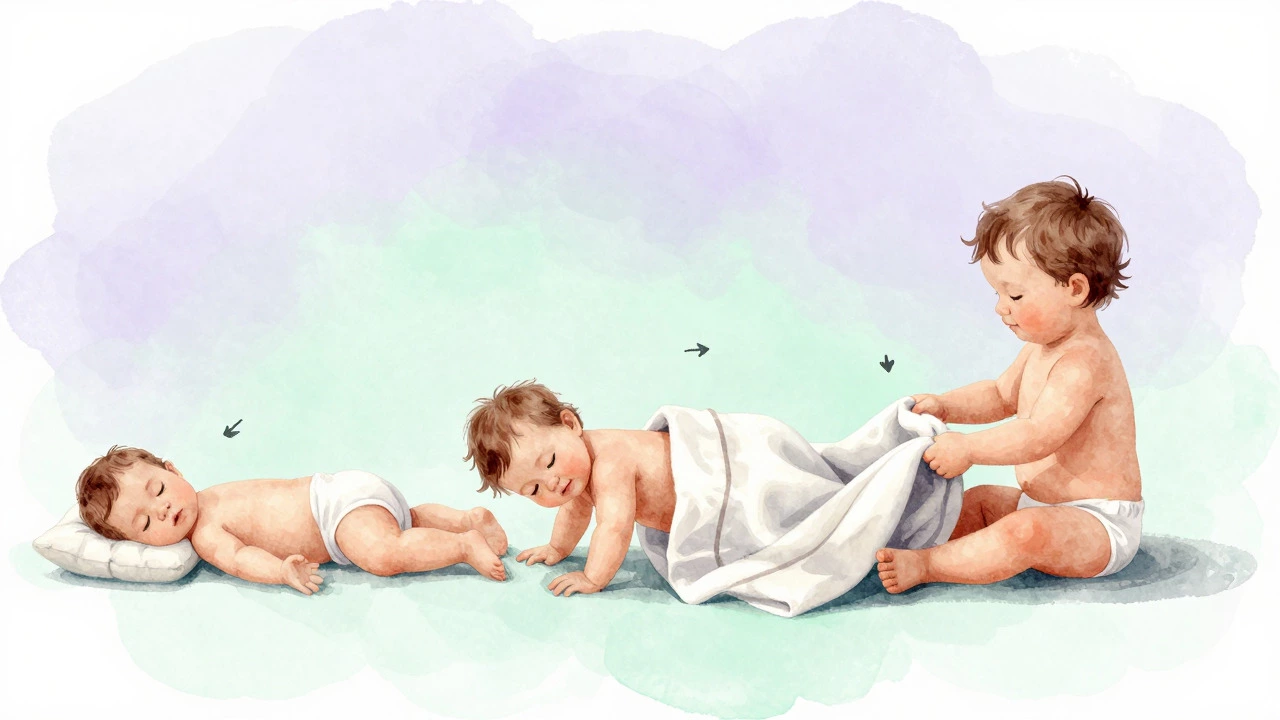
However, the risk profile changes as children grow. By the time a child becomes a toddler, their motor skills have advanced significantly. They can roll, sit up, crawl, and eventually stand. This ability to move means they can actively remove a blanket if it gets in their face or if they get too hot. Pediatric experts generally agree that the danger zone for loose bedding shrinks dramatically once a child has mastered these movements. The key isn't just age; it's mobility. If your child can still lie flat and immobile, the risk remains higher than if they are active and mobile.
The Age Milestone: When Does It Become Safe?
So, when exactly should you introduce a blanket? Most pediatricians and sleep specialists recommend waiting until your child is at least 12 months old. At this stage, most infants have developed the neck strength and motor control to turn their heads and bodies. However, some experts suggest waiting until 18 months or even 2 years for maximum safety, particularly if the child is a light sleeper or has a history of sleep disturbances.
There is no single universal date printed on a calendar. Instead, think of it as a developmental checkpoint. Ask yourself these questions before pulling out that cozy fleece:
- Can they roll over both ways? If yes, they can likely reposition themselves if the blanket shifts.
- Do they pull objects toward them? Toddlers often drag blankets to their feet or tuck them under their chins. This self-regulation is a good sign.
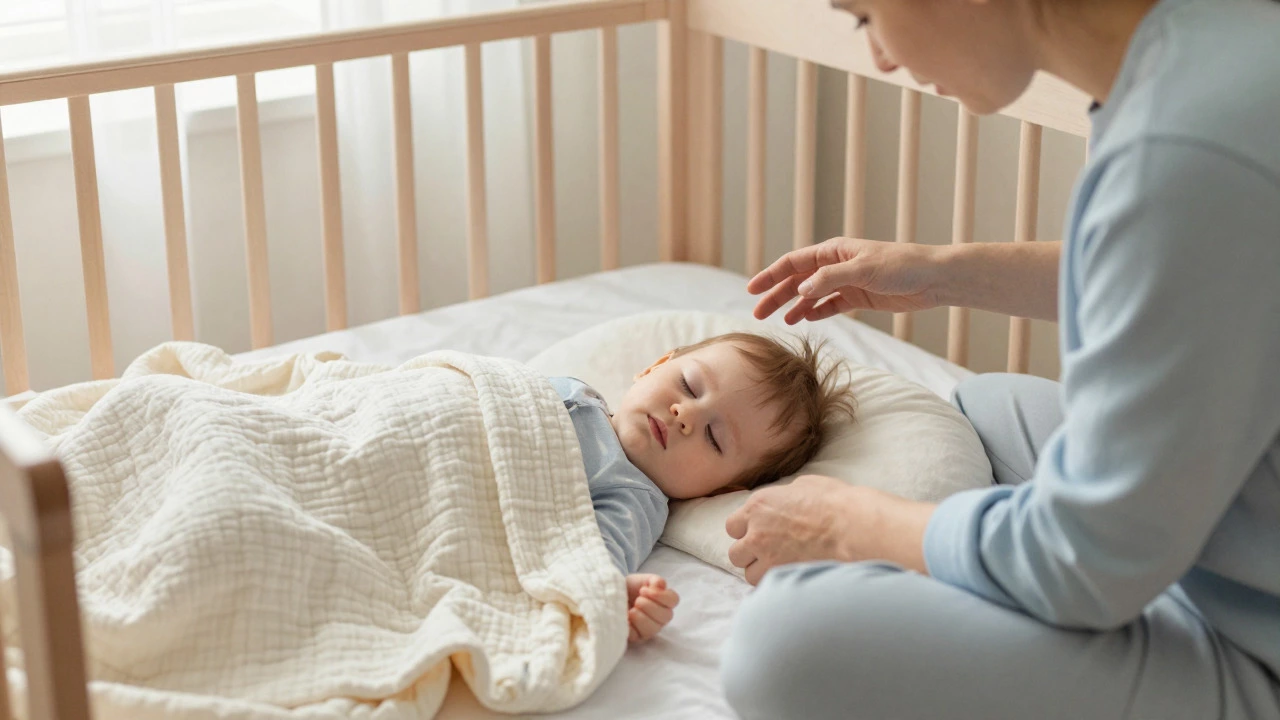
- Are they sleeping in a crib or a toddler bed? Crib slats provide a physical barrier that prevents a child from getting trapped under a heavy duvet. In a toddler bed with open sides, the blanket can pool around them more easily.
If your child is 12 months old, rolls over confidently, and sleeps in a standard crib, introducing a lightweight blanket is generally considered low-risk. If they are 10 months and still struggle to roll from stomach to back, it might be wise to wait another few weeks.
Crib vs. Toddler Bed: Context Changes Everything
The type of bed your child uses plays a massive role in how you manage bedding. In a traditional crib, the environment is controlled. The mattress fits snugly, and there are no gaps. When you introduce a blanket here, you are managing a smaller space. Many parents opt for a fitted sheet only until age one, then add a thin, breathable muslin swaddle or a light knit blanket afterward.
In contrast, a Toddler Bed is a low-profile bed designed for children transitioning from cribs, typically used between ages 2 and 5. These beds have open sides or low rails. This openness increases the risk of a blanket becoming tangled or pulled down into the foot of the bed, where it can accumulate heat. Furthermore, toddlers in these beds are more likely to climb in and out, potentially dragging sheets and blankets with them. This creates a different set of hazards, such as tripping or entanglement, rather than just suffocation.
If you are using a toddler bed, consider using a sleep sack or a wearable blanket instead of a loose throw. A wearable blanket stays on the child’s body, reducing the chance of it covering their face. It also simplifies bedtime routines because you don’t have to fight over who gets the blanket tucked in correctly.
Choosing the Right Blanket: Material and Size Matter
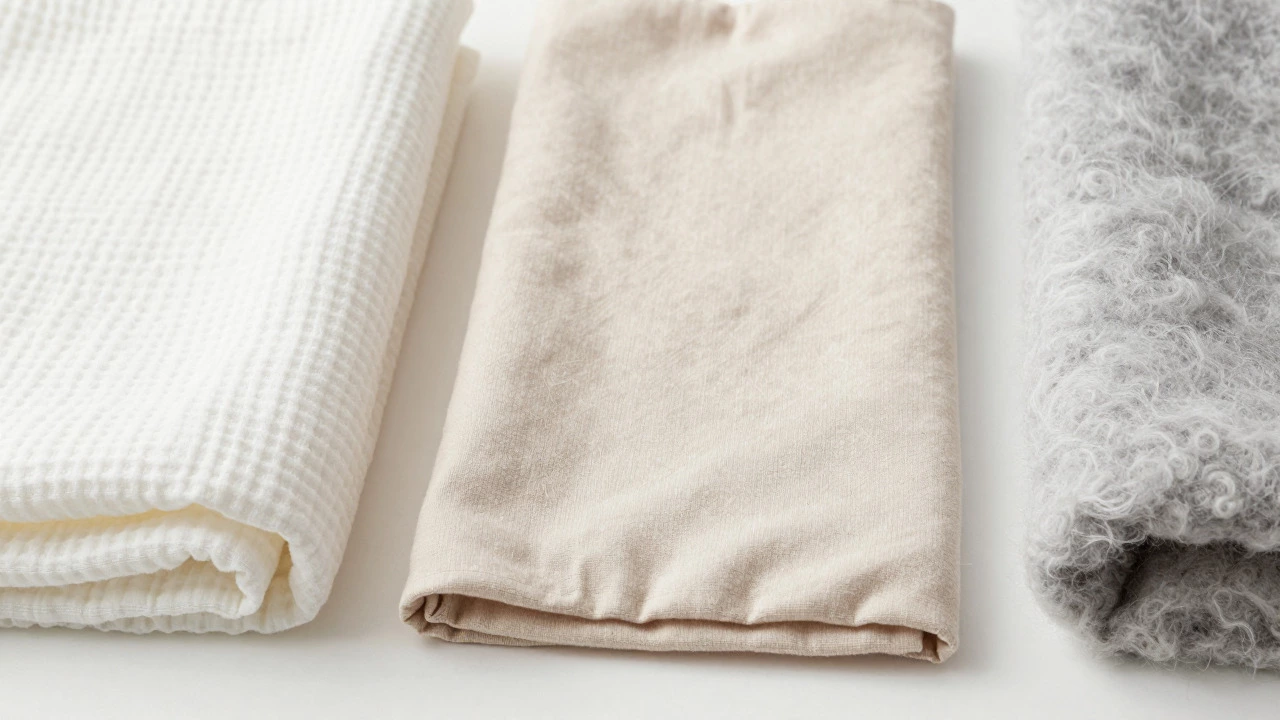
Not all blankets are created equal. When you decide it’s time to introduce one, the material and size will determine its safety and comfort. Heavy wool blankets or thick comforters can be dangerous because they trap heat. Overheating is a known risk factor for sleep-related incidents in young children. You want something breathable.
| Option | Safety Level | Best For | Key Attribute |
|---|---|---|---|
| Wearable Sleep Sack | High | Infants to early toddlers | Stays on body, no loose ends |
| Lightweight Muslin Blanket | Medium-High | Toddlers in cribs | Breathable, easy to remove |
| Standard Fleece Throw | Medium | Toddlers in beds | Soft, warm, but can bunch up |
| Heavy Comforter | Low | Older children | Traps heat, difficult for small hands |
A good rule of thumb is to choose a blanket that is no larger than the width of the mattress. If the blanket drapes over the edges, it can catch on the crib bars or bed frame, creating a pulling hazard. Additionally, avoid blankets with long tassels, ribbons, or decorative cords. These small parts can pose a strangulation risk if they wrap around a toddler’s neck or fingers.
Material-wise, cotton and bamboo blends are excellent choices. They are hypoallergenic, breathable, and machine-washable. Avoid synthetic materials like polyester if your child tends to run hot, as these fabrics do not wick moisture as effectively.
Practical Tips for Introducing a Blanket
Transitioning to a new bedding item can disrupt sleep. To make the process smooth, follow these practical steps:
- Start during naps. Naps are shorter and less critical than nighttime sleep. If the blanket causes issues, you’ll notice quickly without losing an entire night of rest.
- Keep it light. Use the thinnest blanket that provides enough warmth. You can always layer with pajamas if needed, but removing a heavy blanket is harder for a child.
- Place it strategically. Tuck the blanket under the mattress at the top third of the bed, leaving the bottom two-thirds free. This allows the child to kick it down if they get warm, but ensures it’s within reach if they get cold.
- Observe the morning. Check where the blanket ended up. If it’s balled up at the feet, your child is likely running hot. If it’s tucked neatly around their shoulders, they are comfortable.
Also, keep the room temperature cool. The American Academy of Pediatrics recommends keeping the nursery between 68°F and 72°F (20°C to 22°C). A cooler room makes it easier for a child to regulate their temperature, even with a blanket present. If the room is too warm, the blanket becomes a liability rather than a comfort.
Common Misconceptions About Toddler Bedding
Many parents operate on myths that aren’t backed by current safety data. One common belief is that a blanket must be heavy to be effective. In reality, a lightweight, breathable fabric regulates temperature better than a heavy duvet. Another myth is that if a child kicks the blanket off, they must be too cold. Often, kicking is a normal part of sleep cycles and self-regulation. As long as the child wakes up dry and content, the method is working.
There is also confusion about "swaddling" versus "blanketing." Swaddling involves wrapping the arms and torso tightly, which is only safe for non-rolling infants. Once a baby starts rolling, swaddling must stop. Introducing a loose blanket is the next step in this progression. It gives the child freedom of movement while providing warmth. Understanding this distinction helps prevent the mistake of trying to swaddle a rolling toddler, which can lead to hip dysplasia or restricted breathing.
When to Consult Your Pediatrician
While general guidelines apply to most healthy children, individual circumstances vary. You should consult your pediatrician if your child has any of the following conditions:
- Prematurity: Preemies may have delayed motor development, meaning they might need to wait longer than full-term peers.
- Low muscle tone: Children with hypotonia may struggle to reposition themselves, increasing the risk of suffocation.
- Respiratory issues: Conditions like asthma or chronic congestion can make airway management more complex.
Your doctor can assess your child’s specific motor skills and health status to give personalized advice. They might recommend a specific type of wearable blanket or suggest delaying the introduction of loose bedding until a certain milestone is reached.
Frequently Asked Questions
What is the safest age to give a toddler a blanket?
Most experts recommend waiting until at least 12 months of age. By this time, most infants can roll over and reposition themselves. However, if your child is still struggling with mobility, waiting until 18 months or using a wearable sleep sack is safer.
Is it okay to use a comforter instead of a blanket?
A comforter is generally thicker and heavier than a standard blanket. While not strictly forbidden for older toddlers, it poses a higher risk of overheating. For children under age two, a lightweight blanket or sleep sack is preferred. If you use a comforter, ensure it is very thin and breathable.
How do I know if my toddler is too hot or too cold?
Check the nape of their neck or their chest. If these areas feel sweaty or damp, they are too hot. If they feel cool to the touch, they may be too cold. Avoid checking their hands or feet, as extremities are naturally cooler due to circulation patterns.
Should the blanket be tucked in tight?
No. Tucking a blanket in tightly restricts movement and can trap heat. Instead, place the blanket loosely at the top of the mattress. Allow the child to adjust it as they fall asleep. This promotes independence and self-regulation.
Are fleece blankets safe for toddlers?
Fleece is generally safe for toddlers, provided it is lightweight and free of loose threads or decorations. However, fleece does not breathe as well as cotton or bamboo. If your child runs hot, consider natural fibers instead. Always check for tags and labels that indicate the fabric composition.