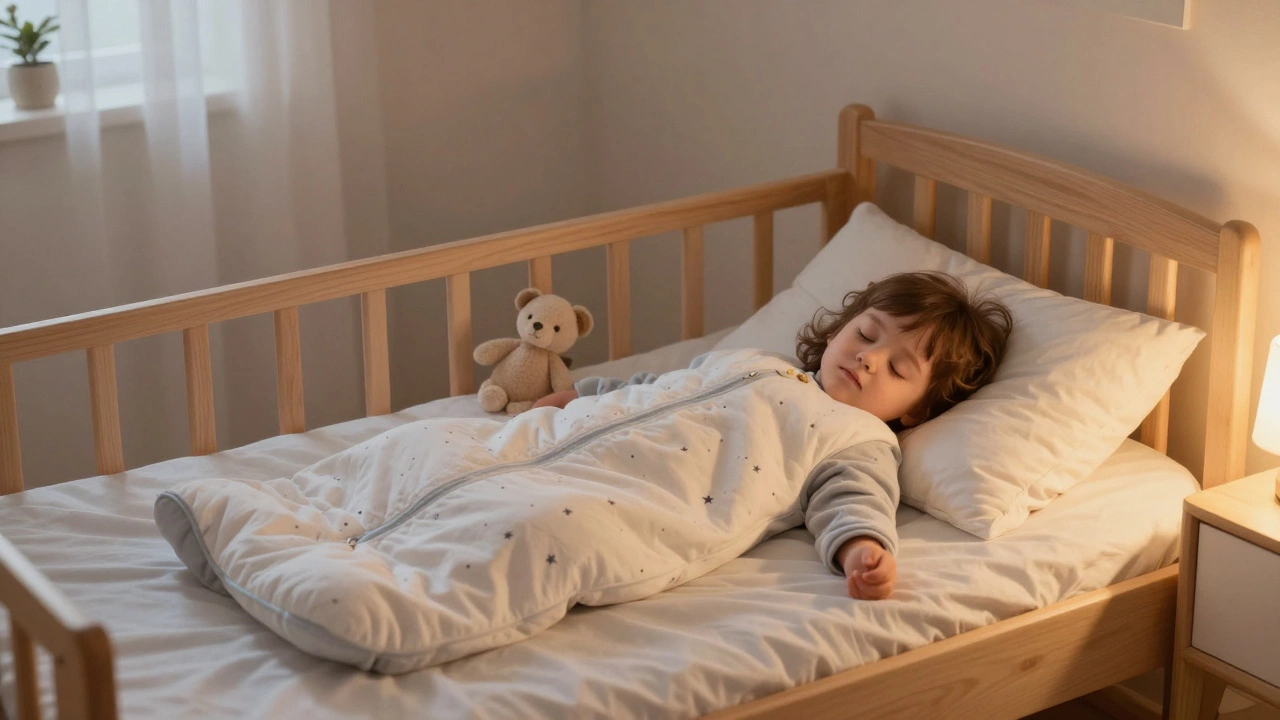
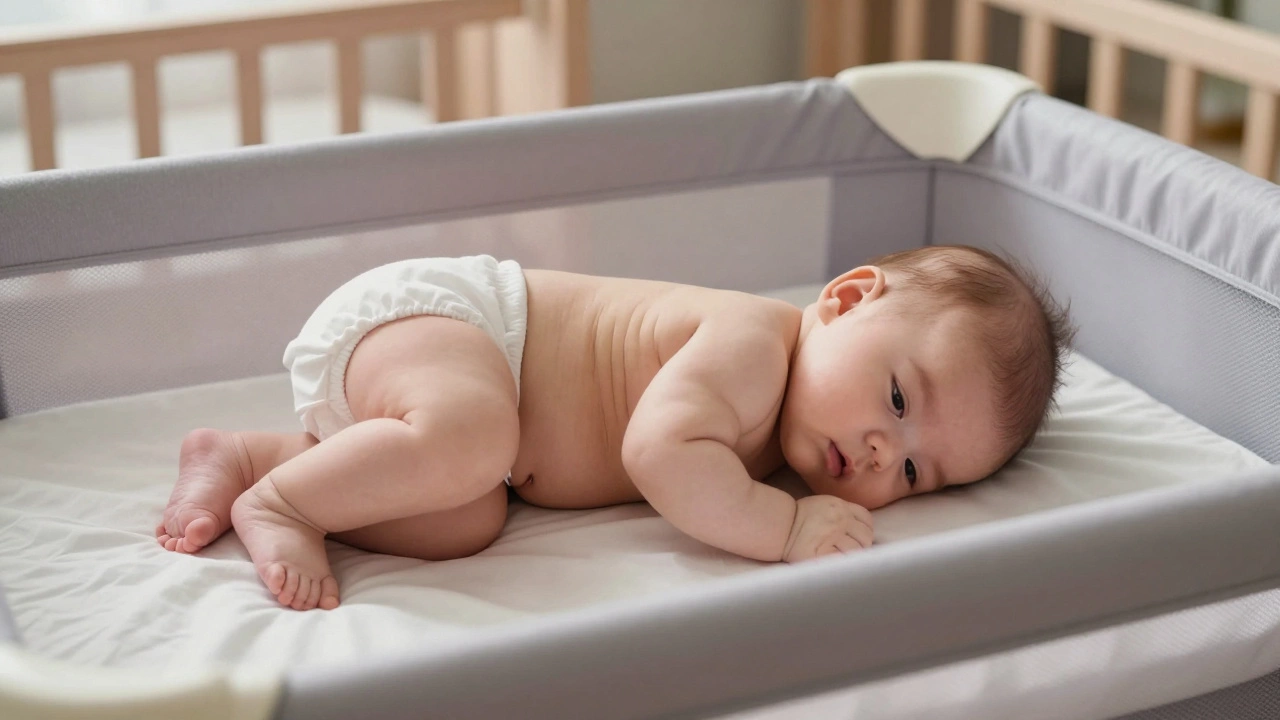
Sleep Sack to Blanket Transition: Age Guide & Safety Tips
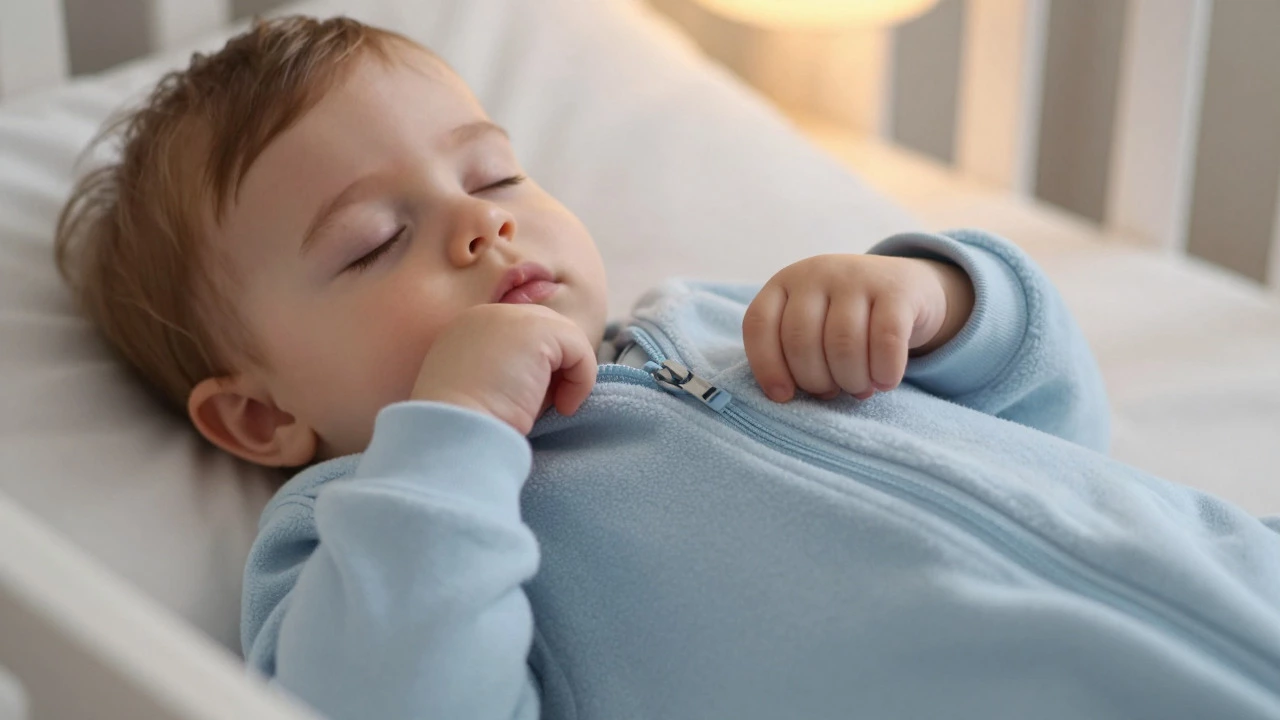
Toddler Blanket Readiness Checker
Assessment Result
Key Safety Reminders for Transition:
- • Tuck the blanket under the mattress on three sides (left, right, foot).
- • Use lightweight cotton or muslin materials only.
- • Remove pillows, stuffed animals, and cords from the bed area.
- • Monitor neck temperature (warm & dry = good) rather than hands/feet.
There is no single magic number on a calendar that says "stop using the sleep sack today." Instead, the shift from a wearable blanket to a traditional loose blanket depends on your child's physical skills, their room temperature, and how well they handle being unsecured at night. Most parents make this switch between 18 months and 3 years old, but some wait until age four or five. The goal isn't just about following an age rule; it's about ensuring your toddler stays warm without creating a suffocation risk or waking up constantly because they've kicked off their covers.
Why the Timing Matters More Than the Age
The American Academy of Pediatrics (AAP) has long recommended against loose bedding for infants under 12 months to reduce the risk of Sudden Infant Death Syndrome (SIDS). However, once a child transitions out of the crib into a toddler bed, the rules change slightly, though caution remains essential. A toddler bed is a low-to-the-ground sleeping surface designed for children typically aged 1 to 5 years who have outgrown cribs. In this environment, the primary risks shift from SIDS to entanglement and overheating.
If your child is still in a crib, keep them in a sleep sack until they are ready to move to a bed. Once they are in a toddler bed, you can introduce a lightweight blanket, provided they have developed the motor skills to pull it up over themselves if they kick it off. If they can't do that yet, a sleep sack offers better thermal regulation and peace of mind for both parent and child.
Signs Your Child Is Ready for a Loose Blanket
Before you ditch the zip-up bag, look for these specific developmental cues. These signals indicate that your child has the body awareness and coordination to manage their own comfort safely.
- Motor Skills: Can they pull a blanket up to their chin? If they kick it off and leave themselves bare-chested until morning, they aren't ready.
- Size: Do they fit comfortably in the largest size sleep sack available? If their feet are poking out or the zipper strains when they sit up, they've outgrown it.
- Temperature Regulation: Are they frequently waking up sweaty or hot? Sleep sacks provide consistent warmth, which can be too much for active toddlers who generate heat during movement.
- Bed Mobility: Can they roll over independently and reposition themselves? This ability helps them adjust their bedding throughout the night.
Most pediatricians suggest waiting until at least 18 months before introducing any loose bedding, even in a toddler bed. By age two, most children have the dexterity to manage a light duvet or blanket effectively.
Safety Rules for Using Blankets with Toddlers
Transitioning to a blanket doesn't mean abandoning safety protocols. You need to modify the environment to match the new bedding type. Here is how to set up a safe sleep zone for a toddler using a loose cover.
- Choose the Right Weight: Opt for a lightweight cotton or fleece blanket. Heavy quilts can trap heat and make it difficult for a small child to move around. A good rule of thumb is that if the blanket feels heavy to you, it might be too heavy for them.
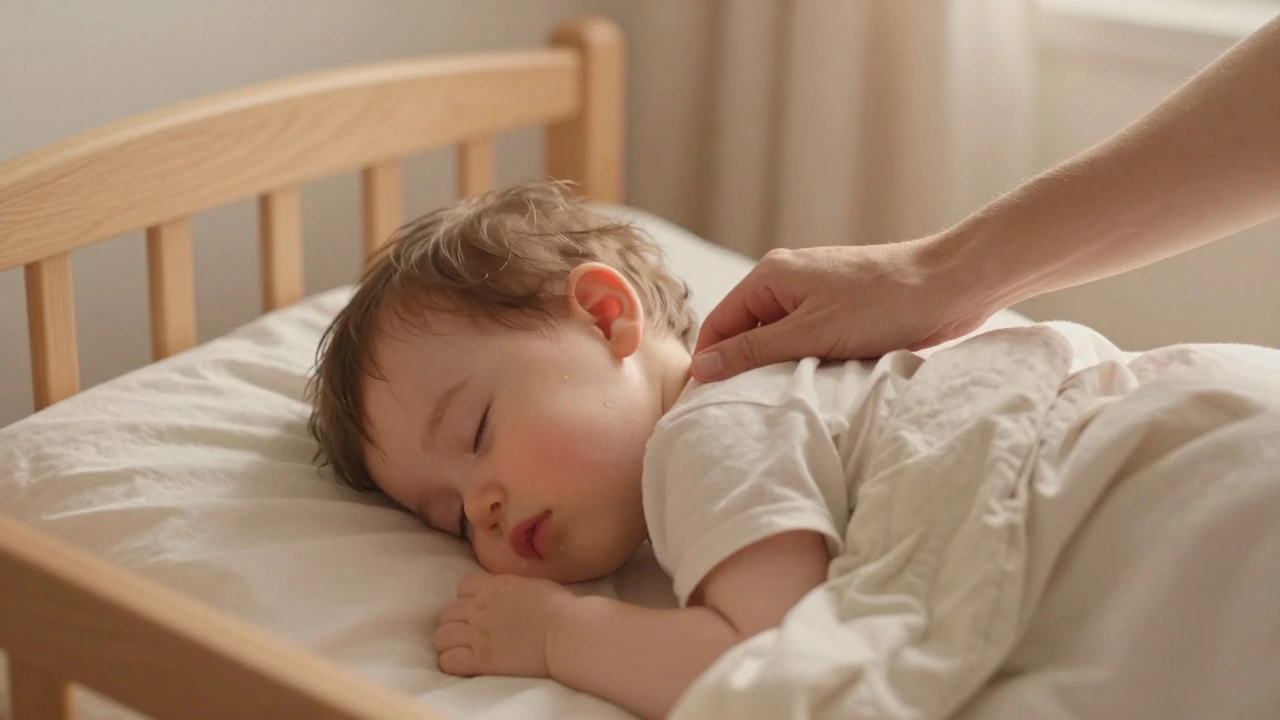
- Secure the Edges: Tuck the blanket firmly under the mattress on three sides (left, right, and foot). Leave only the top edge loose so they can pull it up. This prevents the entire blanket from sliding off the bed and pooling on the floor where it could become a tripping hazard or get chewed on.
- Remove Other Hazards: Since loose blankets increase the chance of tangling, remove stuffed animals, pillows, and cords from the immediate sleeping area. Keep the space as minimal as possible.
- Monitor Room Temperature: Aim for a room temperature between 68°F and 72°F (20°C - 22°C). If the room is too cold, they will bundle up; if too hot, they will kick it off. Consistent temperature reduces the need for frequent adjustments.
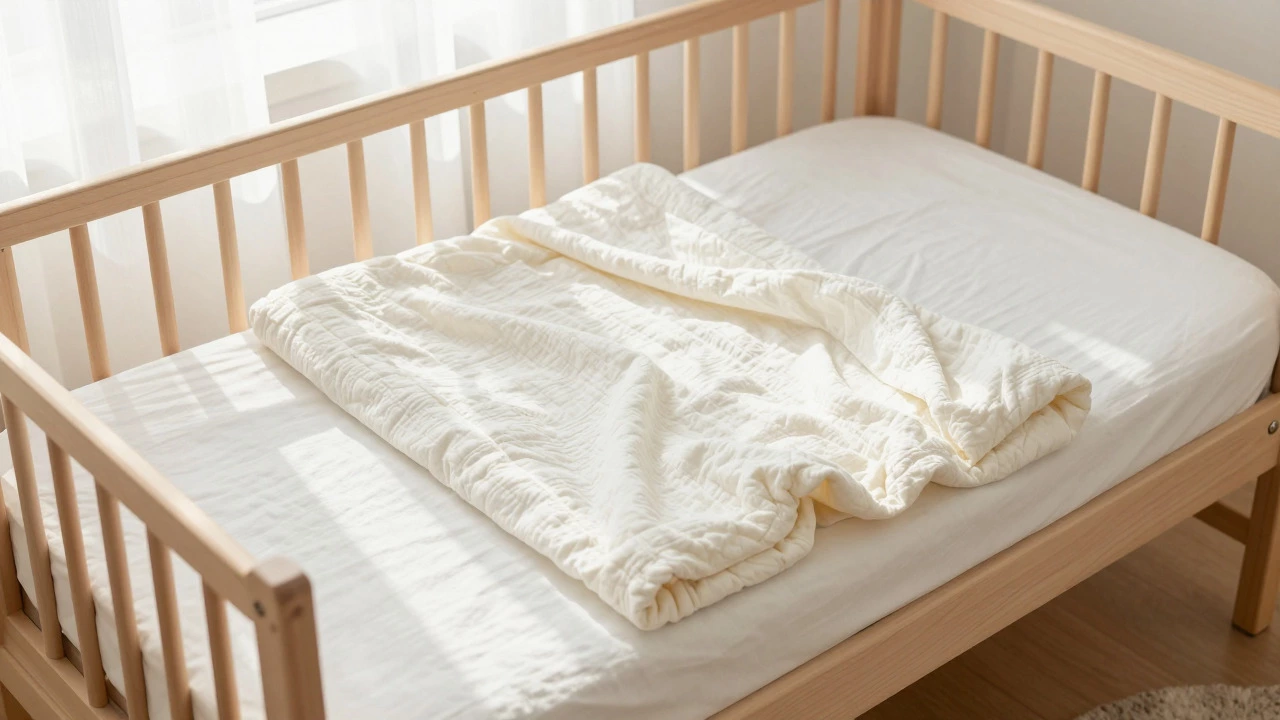
Comparison: Sleep Sacks vs. Loose Blankets
Understanding the trade-offs between the two options helps you decide if the transition is truly necessary right now. Neither option is inherently "better"; they serve different stages of development.
| Feature | Sleep Sack | Loose Blanket |
|---|---|---|
| Safety Risk | Very Low (No loose fabric) | Moderate (Entanglement/Overheating if managed poorly) |
| Warmth Control | Fixed (TOG rating based) | Adjustable (Child controls coverage) |
| Best For | Crib sleepers, younger toddlers, cold rooms | Toddler beds, older toddlers, variable temperatures |
| Parent Effort | Low (Zip up and go) | Medium (Tucking, checking in) |
| Cost | Higher per unit (Multiple sizes needed) | Lower (One size fits all ages) |
How to Make the Transition Smoothly
You don't have to flip a switch overnight. A gradual approach reduces resistance and helps your child adapt to the new sensation of having free limbs and movable bedding.
Week 1-2: The Hybrid Approach. Continue using the sleep sack but add a very thin, lightweight muslin blanket on top. Let them feel the texture without relying on it for warmth. This builds familiarity.
Week 3-4: The Swap. Remove the sleep sack and use only the lightweight blanket. Tuck it in securely. Watch for signs of discomfort, such as waking up early or fidgeting excessively. If they seem cold, add a layer to their pajamas rather than adding more blankets.
Ongoing: Adjust Based on Weather. In winter, you might revert to a heavier sleep sack or a thick wool blanket. In summer, a thin cotton sheet or no blanket may suffice. Flexibility is key.
Common Mistakes to Avoid
Even experienced parents make errors during this transition. Avoid these common pitfalls to ensure a safe and comfortable sleep environment.
- Using Adult Bedding: Duvets and comforters made for adults are often too large and heavy for a toddler. They create excess fabric that can bunch up and pose a risk.
- Ignoring Pajama Layers: If you stop using a sleep sack, ensure their pajamas are appropriate for the room temperature. Thin cotton onesies may not be enough for a cool Vancouver evening without a proper blanket.
- Forgetting the Mattress Fit: As your child grows, ensure the mattress is firm and fits snugly in the toddler bed frame. Gaps can allow blankets to slip underneath, creating tangles.
- Assuming One Size Fits All: Every child regulates heat differently. Some run hot, others cold. Observe your specific child's behavior rather than following a generic timeline strictly.
Frequently Asked Questions
Can a 1-year-old use a blanket in a toddler bed?
It is generally safer to keep 1-year-olds in a sleep sack, even in a toddler bed. At this age, many children lack the coordination to pull a blanket back up if they kick it off. Wait until they show clear signs of readiness, usually closer to 18 months or 2 years, before switching to loose bedding.
What is the safest type of blanket for a toddler?
A lightweight, breathable cotton or bamboo muslin blanket is the safest choice. These materials wick moisture away from the skin and are less likely to cause overheating compared to synthetic fleece or heavy wool. Ensure the blanket is small enough that it doesn't pool significantly on the floor.
Should I stop using a sleep sack when my child moves to a toddler bed?
Not necessarily. Moving to a toddler bed does not automatically mean you must stop using a sleep sack. Many parents continue using sleep sacks for another 6 to 12 months after the bed transition, especially if the child is still young or if the bedroom is cold. The decision should be based on the child's ability to self-regulate temperature, not just the type of furniture they are sleeping on.
How do I know if my toddler is too hot or too cold at night?
Check the nape of their neck or their chest. It should feel warm and dry. Cold hands and feet are normal and not a reliable indicator of overall body temperature. If the neck is sweaty, they are too hot. If it feels cool, they are too cold. Adjust layers or blanket weight accordingly.
Is it okay to use a duvet instead of a blanket?
Yes, a lightweight duvet is an excellent alternative to a loose blanket. Because the filling is enclosed in a case, there is less risk of shifting or bunching inside the cover. Just ensure the duvet insert is not too heavy and that the case fits properly so it doesn't slide off easily.