Can Newborns Be Left Unswaddled? Safety, Sleep Tips & Swaddle Alternatives

Newborn Sleep & Swaddle Safety Checker
Enter details above and click "Analyze" to get personalized advice.
Why this recommendation?
Recommended Clothing Layers:
You’re staring at your sleeping newborn, wondering if you’ve done something wrong. The room is quiet, the baby is calm, but their arms are flailing slightly. Should you wrap them up tight like a burrito? Or is it actually okay to leave them unswaddled? This question pops into every new parent’s head, usually around 3 AM when exhaustion makes decision-making feel impossible.
Here’s the short answer: Yes, newborns can absolutely be left unswaddled. In fact, many pediatric experts argue that swaddling isn’t mandatory for healthy sleep or safety, provided other conditions are met. But the "yes" comes with a big asterisk about temperature, startle reflexes, and sleep position. Let’s break down exactly what happens when you skip the swaddle, how to keep your baby safe without one, and when you should definitely stop wrapping them up.
The Science Behind Swaddling and Startle Reflexes
To understand why people swaddle, you have to look at biology. Newborns aren’t born with full control over their motor skills. They experience the Moro reflex, often called the startle reflex. If a loud noise occurs or they feel like they’re falling, their arms jerk out suddenly. This reflex is normal-it’s an evolutionary holdover from when our ancestors needed to cling to caregivers for survival.
When a newborn sleeps unswaddled, this reflex can wake them up. They might flail their arms, hit their own face, or just get startled by their own movement. Swaddling works because it restricts this movement, mimicking the snug feeling of the womb. It reduces the sensory input that triggers the reflex, allowing the baby to stay in deeper sleep cycles longer.
However, restricting movement isn’t always better. Some babies find the restriction stressful. If your infant fights the swaddle, arches their back, or cries more when wrapped, they might simply prefer freedom of movement. Forcing a swaddle on a resistant baby can raise cortisol levels (stress hormones), which actually hurts sleep quality. So, if your baby sleeps well with arms free, there is no medical requirement to bind them.
Safety First: The Safe Sleep Guidelines
Before we talk about comfort, let’s talk about survival. The American Academy of Pediatrics (AAP) sets the gold standard for infant sleep safety. Their primary rule is simple: Back to sleep, alone, in a crib.
Swaddling interacts with these rules in two critical ways:
- Positioning: A swaddled baby must always be placed on their back. If a swaddled baby rolls onto their stomach, they cannot use their hands to push up or turn their head effectively. This increases the risk of Sudden Infant Death Syndrome (SIDS).
- Overheating: Swaddles add an extra layer of insulation. Overheating is a known risk factor for SIDS. If you leave a baby unswaddled, you eliminate one layer of heat retention, which can actually be safer in warm climates or during summer months.
If you choose to leave your newborn unswaddled, you are automatically compliant with the "no rolling risk" aspect of swaddling safety. You don’t have to worry about the swaddle coming loose and covering the baby’s face, another common hazard. An unswaddled baby has full mobility to adjust their position if they get uncomfortable, assuming they are in a safe, flat environment.
Temperature Regulation: How to Keep Baby Warm Without a Swaddle
One of the biggest fears parents have about skipping the swaddle is that the baby will get cold. Newborns struggle to regulate their body temperature compared to adults. They lose heat quickly through their heads and extremities. But you don’t need a swaddle to manage this; you need proper layering.
Think of it as dressing yourself for the weather. If the room is cool (around 68-72°F or 20-22°C), dress the baby in one more layer than you would wear yourself. Instead of a swaddle, use a onesie under a sleeper suit. If it’s colder, add a fleece sleeper or a wearable blanket.
| Room Temperature | Recommended Clothing Layers | Fabric Type |
|---|---|---|
| 75°F+ (24°C+) | Lightweight onesie only | Cotton or Muslin |
| 68-74°F (20-23°C) | Onesie + Light Sleeper | Bamboo or Cotton |
| 61-67°F (16-19°C) | Onesie + Fleece Sleeper | Fleece or Wool Blend |
| Below 60°F (15°C) | Onesie + Thick Pajamas + Wearable Blanket | Heavy Knit or Thermal |
A key tool here is the TOG rating system used for sleep sacks and blankets. A 0.5 TOG garment is light enough for summer, while a 2.5 TOG is suitable for cooler rooms. Using a wearable blanket instead of a loose swaddle keeps the baby’s core warm while leaving arms free. This is often the best compromise for parents who want warmth without restriction.

Signs Your Baby Prefers Being Unswaddled
How do you know if your baby actually wants to be free? Watch their behavior during awake times and sleep transitions. Every baby is different, but certain signs point strongly toward a preference for unswaddled sleep.
- Self-Soothing: Does your baby suck on their fingers or fists? This is a major developmental milestone and a self-soothing mechanism. If you swaddle tightly, you block access to their hands, preventing them from calming themselves down.
- Fighting the Wrap: If your baby consistently wiggles out of the swaddle within minutes of being put down, or cries intensely when you attempt to wrap them, they are telling you they dislike the sensation.
- Improved Sleep Duration: Try one night with a swaddle and one night without. Track the total sleep time. Many parents report that once they stopped forcing the swaddle, their baby slept for longer stretches because they weren’t waking up to fight the fabric.
It’s also worth noting that some babies have higher muscle tone or neurological sensitivities. For these infants, the pressure of a swaddle can feel overwhelming rather than comforting. If your baby seems agitated or stiff when wrapped, consult your pediatrician before continuing strict swaddling routines.
Transitioning Out of Swaddling Early
Most guidelines suggest stopping swaddling when the baby shows signs of attempting to roll over, typically between 2 and 4 months. However, you can stop earlier. There is no minimum age requirement for swaddling. If your newborn sleeps perfectly fine with arms out on day three, you can skip the swaddle phase entirely.
If you are currently swaddling and want to transition to unswaddled sleep, doing it gradually helps avoid sleep regression. Here is a proven method:
- One Arm Out: Start by swaddling with one arm out. Let the baby sleep this way for 3-5 nights until they adjust.
- Both Arms Out: Move to both arms out, keeping the chest and hips snug. Continue for another week.
- Full Release: Remove the swaddle entirely and switch to a sleep sack or wearable blanket.
This gradual approach prevents the sudden shock of losing all containment at once. It allows the baby’s nervous system to adapt to having their hands available for self-soothing. If you notice significant sleep disruption after removing the swaddle, give it a few days. Babies often wake more frequently initially as they learn to settle themselves without the external constraint.
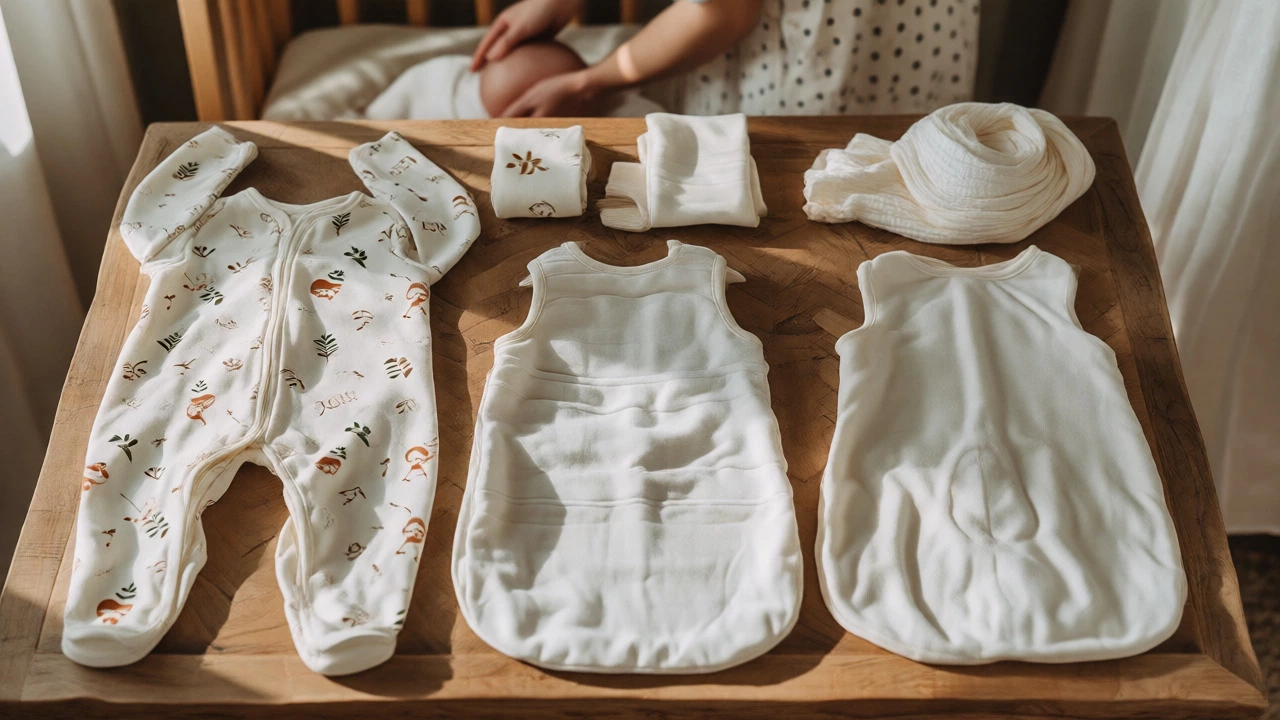
Alternatives to Traditional Swaddling
If you are worried about leaving your newborn completely unswaddled but hate traditional wraps, there are middle-ground solutions. These products aim to provide the security of swaddling with the freedom of movement.
- Arms-Up Swaddles: Brands like Love To Dream design sleep suits where the arms are positioned above the head in a "Y" shape. This allows the baby to touch their face and self-soothe while still providing a sense of enclosure around the torso.
- Hip-Healthy Sleep Sacks: These allow leg movement (which is crucial for hip development) while keeping the upper body contained. Look for products certified by the International Hip Dysplasia Institute.
- Weighted Sleep Suits: Some newer products use gentle weight to mimic the pressure of a swaddle. While popular, ensure any weighted product is specifically designed for infants and does not exceed 10% of the baby’s body weight to avoid respiratory issues.
These alternatives bridge the gap between safety and comfort. They address the startle reflex without fully immobilizing the upper body, making them excellent choices for parents hesitant to go fully unswaddled immediately.
Common Myths About Leaving Newborns Unswaddled
Let’s clear up some misinformation that circulates in parenting forums and among well-meaning relatives.
Myth 1: Unswaddled babies are less secure. Security is psychological, not just physical. A baby feels secure when their needs are met consistently-feeding, holding, and responding to cues. A swaddle is a prop, not a foundation of attachment. Skin-to-skin contact during the day builds far more security than nighttime wrapping.
Myth 2: They will freeze. As discussed, layering solves this. Check the back of your baby’s neck or chest. If it’s sweaty, they’re too hot. If it’s warm, they’re fine. Hands and feet are naturally cooler due to circulation differences and are poor indicators of core temperature.
Myth 3: Swaddling prevents hip dysplasia. Actually, incorrect swaddling causes hip problems. Tight swaddling that forces legs straight together can lead to hip dysplasia. Loose swaddling that allows legs to bend outward is safer. Going unswaddled eliminates this risk entirely because the legs are free to move in their natural frog-like position.
Final Verdict: Trust Your Instincts
So, can a newborn be left unswaddled? Absolutely. It is safe, often healthier for hip development, and allows for essential self-soothing behaviors. The decision shouldn’t be based on tradition or fear, but on your specific baby’s temperament and your home environment.
If your baby sleeps peacefully with arms free, embrace it. Use appropriate clothing layers to manage temperature, ensure they sleep on their back in a safe crib, and enjoy the benefit of watching them discover their own hands. If they seem unsettled, try transitional tools like arms-up sleep suits before resigning yourself to tight wraps forever. Parenting is about observation and adjustment, not rigid adherence to rules that may not fit your child.
Is it dangerous to leave a newborn unswaddled?
No, it is not inherently dangerous. As long as the baby is placed on their back in a safe sleep environment (firm mattress, no loose bedding), leaving them unswaddled is considered safe by most pediatricians. It actually removes the risk of the swaddle coming loose and covering the baby's face.
Will my newborn catch a cold if they are not swaddled?
Babies do not catch colds from being cold; they catch viruses. However, maintaining a comfortable body temperature is important. Dress your unswaddled baby in appropriate layers for the room temperature. A wearable blanket or sleep sack is a great alternative to a swaddle for keeping them warm without restricting arms.
At what age should I stop swaddling my baby?
You should stop swaddling as soon as your baby shows signs of trying to roll over, which usually happens between 2 and 4 months. However, you can stop swaddling much earlier if your baby prefers it or if they are struggling to sleep with their arms restricted.
What if my newborn wakes up constantly without a swaddle?
This is likely due to the Moro (startle) reflex. Try using an arms-up sleep suit that allows hand-to-face contact for self-soothing while providing some torso security. Alternatively, practice white noise and consistent bedtime routines to help them settle without physical restraint.
Does swaddling help prevent SIDS?
Swaddling itself does not prevent SIDS, but improper swaddling can increase risks. The AAP recommends swaddled babies be placed on their backs. If a swaddled baby rolls onto their stomach, the risk increases. Unswaddled babies can use their arms to lift their heads if they roll, potentially lowering some risks associated with immobility.