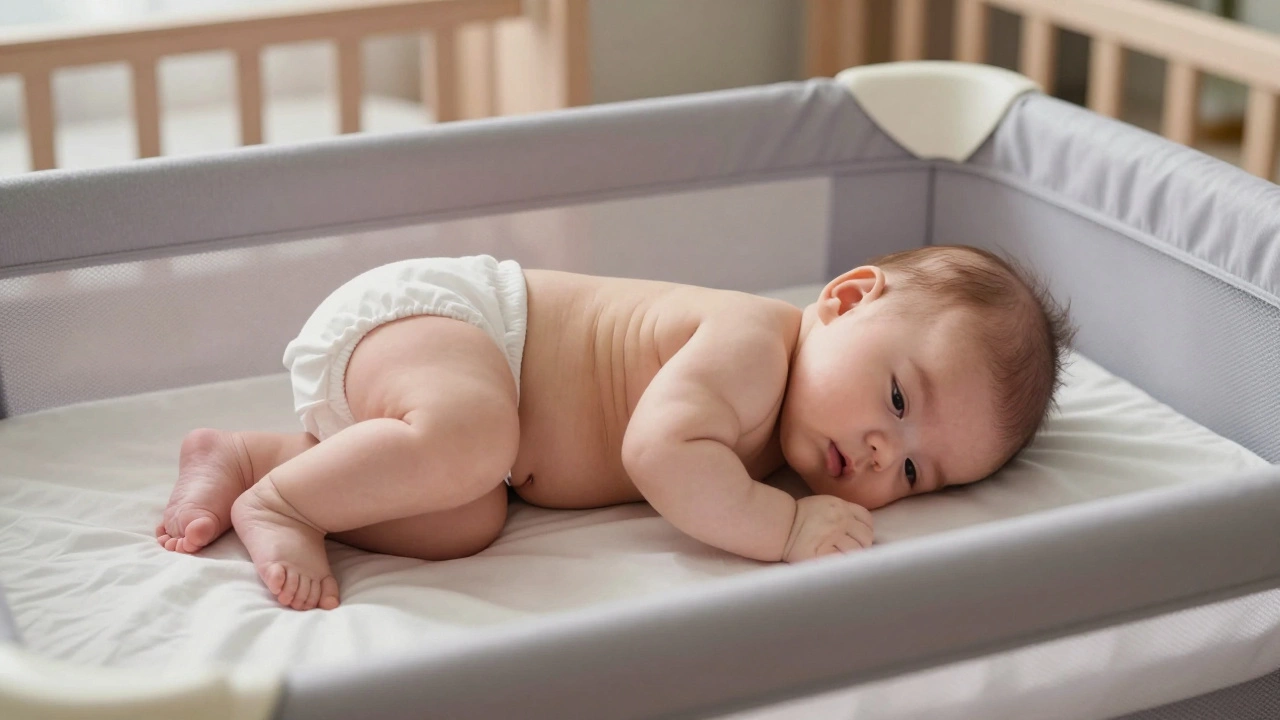
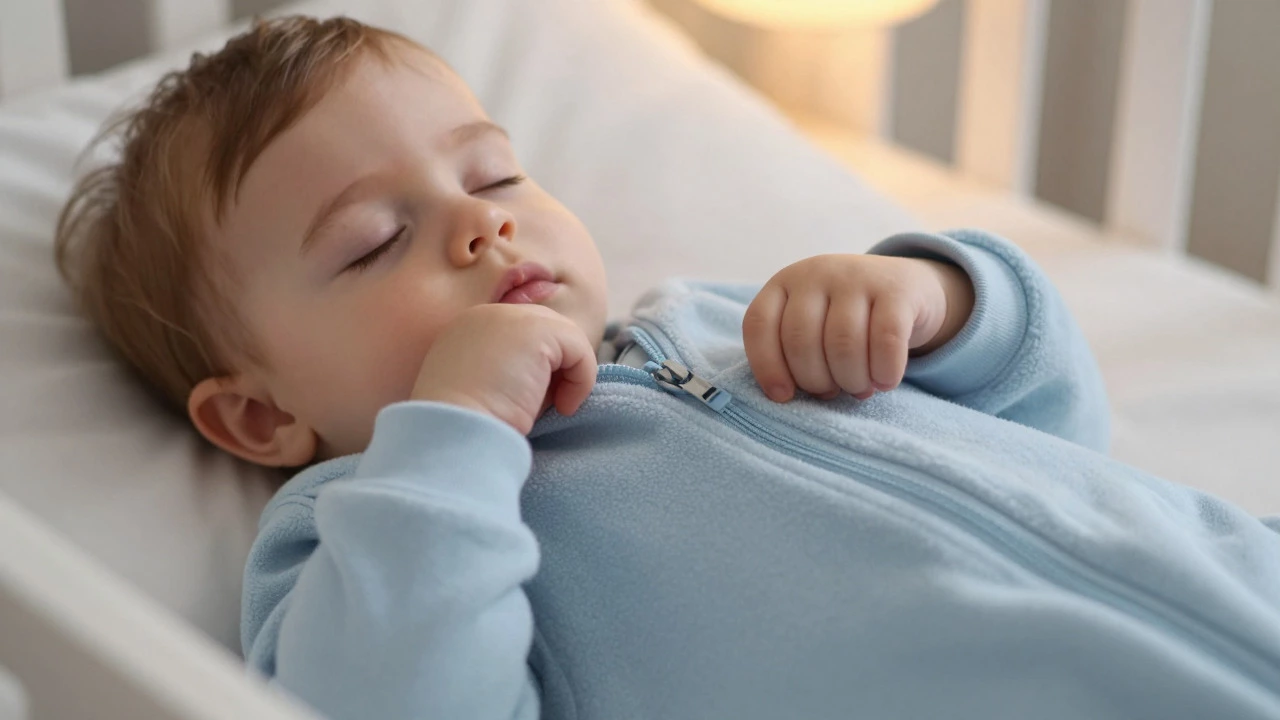
What Are the Warning Signs of SIDS? Understanding Baby Sleep Safety
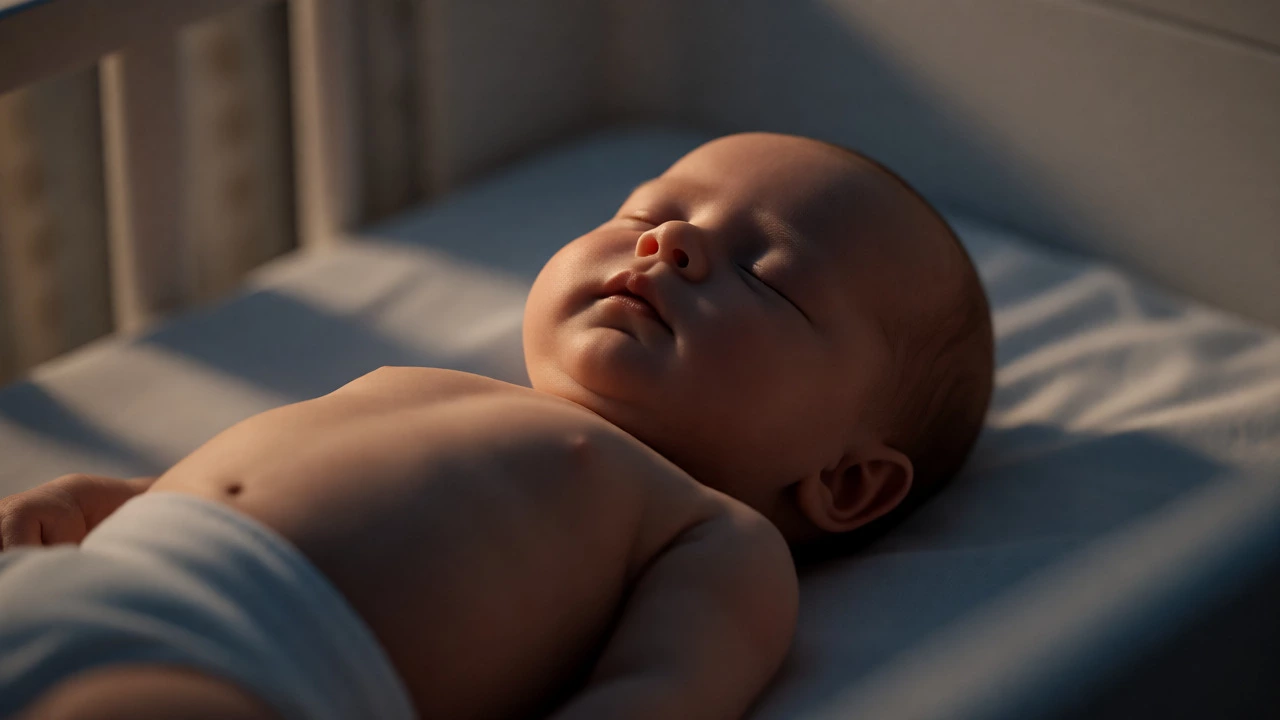
Baby Sleep Safety Checker
Review your current sleep setup. Check off the items that are present in your baby's crib or sleep area to see how safe your environment is according to current medical guidelines.
Crib & Environment Checklist
Safety Score
You’re staring at your sleeping newborn, listening to that soft, rhythmic breathing. It’s peaceful, but for many parents, it’s also a source of low-grade anxiety. You’ve heard the term SIDS (Sudden Infant Death Syndrome), and you want to know: is there a signal before the silence? The hard truth, backed by decades of pediatric research, is that SIDS has no clinical warning signs. There is no fever, no rash, no sudden change in behavior that screams "danger" right before it happens. But here is the good news: while we can’t predict the event, we can control the environment. The real "warning signs" are actually risk factors hiding in plain sight within your nursery setup.
Understanding this distinction changes everything. Instead of scanning your baby’s face for subtle changes, you need to scan their sleep space. Most cases of SIDS occur between 1 and 4 months of age, with over 90% happening before six months. This isn't random bad luck; it's often a collision of three things known as the Triple Risk Model: a vulnerable infant, a critical developmental period, and an exogenous stressor (usually environmental). Since we can’t easily fix the infant’s vulnerability or the developmental window, our job is to eliminate the stressors. Let’s break down exactly what those look like in your home.
The Myth of Visible Symptoms
If you search online for "signs of SIDS," you’ll find lists mentioning gasping, color changes, or limpness. While these might be observed during an event, they are not precursors. A healthy-looking baby can succumb to SIDS without any prior indication. This lack of symptoms is why prevention focuses entirely on external factors. Think of it like checking the weather before a hike. You can’t stop the rain from starting, but you can choose not to go out without a jacket. In this analogy, the "jacket" is safe sleep practices.
Parents often worry about reflux or congestion. Does spitting up mean higher risk? Generally, no. Healthy babies who spit up are not at significantly higher risk if placed on their backs. However, if your baby has a diagnosed condition like a heart defect or respiratory issue, talk to your pediatrician. These internal vulnerabilities interact with sleep position, making strict adherence to guidelines even more critical. But for the vast majority of infants, the danger isn't inside them-it's around them.
Risk Factor #1: The Sleep Surface Trap
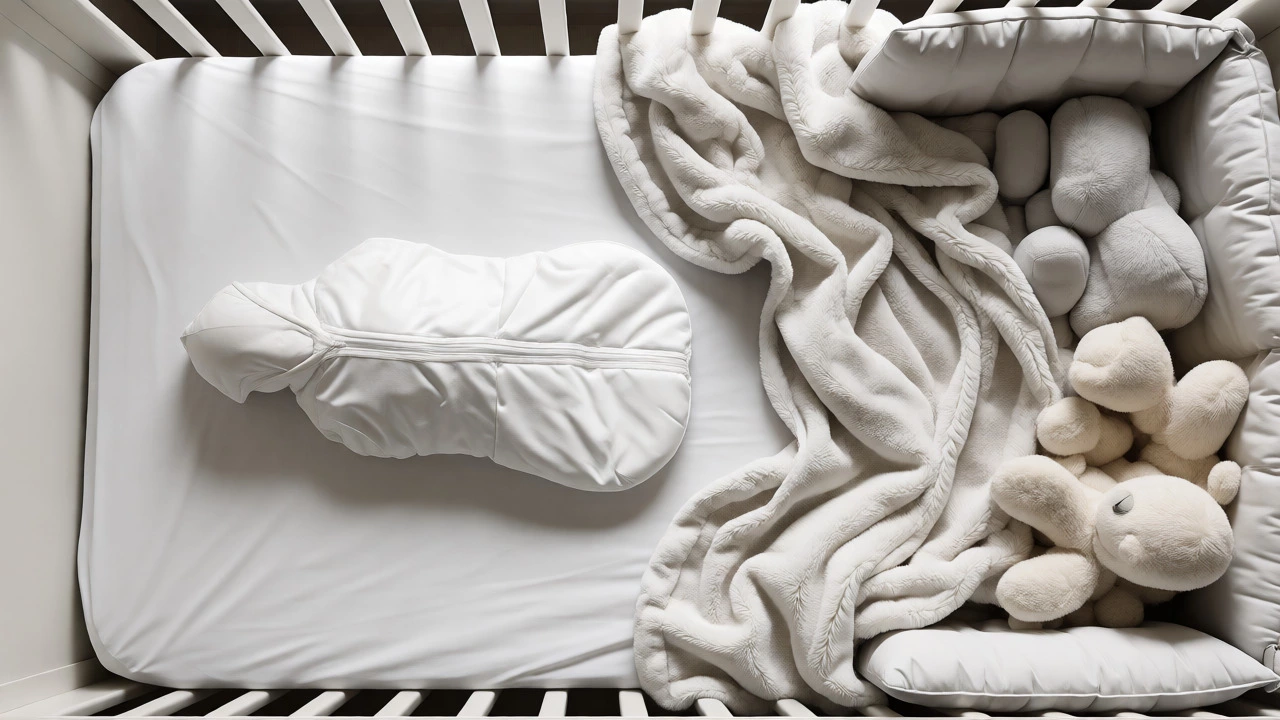
The most common mistake parents make involves where the baby sleeps. We all want comfort, so we add blankets, pillows, stuffed animals, and bumper pads. But soft bedding is a primary suffocation hazard linked to SIDS and accidental strangulation. If a baby rolls onto their tummy or gets their nose pressed against a fluffy blanket, they can re-breathe their own carbon dioxide. Their airway gets blocked, and because their arousal mechanism is immature, they don’t wake up to cry.
| Item | Status | Why It Matters |
|---|---|---|
| Fitted Sheet Only | ✅ Safe | Keeps airway open; prevents entrapment. |
| Bumper Pads | ❌ Unsafe | Can block airflow; risk of suffocation if baby presses face into them. |
| Loose Blankets | ❌ Unsafe | High risk of covering face and causing overheating. |
| Stuffed Animals | ❌ Unsafe | Soft objects in the crib increase suffocation risk. |
| Swaddle/Sleep Sack | ✅ Safe | Replaces blankets; keeps arms free if hips are loose. |
The American Academy of Pediatrics (AAP) updated their guidelines in 2022 to emphasize a bare crib. That means nothing in the crib except your baby and a fitted sheet. No toys. No pillows. No bumpers. Yes, it looks stark compared to Pinterest photos, but it saves lives. If you’re worried about warmth, use a wearable blanket or sleep sack. These keep the baby warm without the risk of fabric drifting over their nose.
Risk Factor #2: Positioning and Overheating
We’ve been saying "Back to Sleep" since the early 1990s, and it worked-SIDS rates dropped by half. Yet, some parents still put babies on their sides or stomachs, thinking it helps with digestion or head shape. Side sleeping is unstable; a baby can easily roll onto their stomach. Stomach sleeping is the highest risk position. Always place your baby on their back for every sleep, naps included.
Overheating is another silent killer. Babies regulate temperature less efficiently than adults. If a room is too hot, or if the baby is bundled in too many layers, their body temperature rises. Hyperthermia has been linked to increased SIDS risk. How do you know if your baby is too hot? Check their chest or neck. Hands and feet are usually cooler due to poor circulation, so they aren’t reliable indicators. If the chest feels sweaty or hot, remove a layer. Keep the nursery between 68°F and 72°F (20°C-22°C).
Risk Factor #3: Co-Sleeping Hazards
Co-sleeping is controversial. Many cultures practice it safely, but in Western contexts, adult beds pose significant risks. An adult mattress is too soft. Pillows and duvets can cover an infant’s face. Worse, an exhausted parent might accidentally roll onto the baby. The AAP recommends room-sharing without bed-sharing. Keep the bassinet or crib in your bedroom for the first six months. This allows for easy feeding and monitoring while maintaining a separate, safe surface.
If you must co-sleep, ensure the bed is firm, free of heavy quilts, and that neither parent is under the influence of alcohol, sedatives, or drugs. Even a small amount of alcohol can impair a parent’s arousal response, meaning they won’t wake up if the baby’s breathing becomes obstructed. Also, never let pets sleep in the bed with an infant.
Environmental Stressors: Smoke and Pacifiers
Exposure to secondhand smoke is a major modifiable risk factor. Nicotine affects brain development in areas controlling breathing and arousal. If you smoke, quit-or at least never smoke near the baby. Third-hand smoke (residue on clothes and furniture) is also concerning. Wash hands and change clothes after smoking before holding the baby.
On the flip side, pacifier use is protective. Studies show that offering a pacifier at nap time and bedtime reduces SIDS risk by up to 50%. Why? It may help keep the airway open or encourage lighter sleep stages, making it easier for the baby to wake if breathing stops. Don’t force it if they reject it, and don’t attach it to a cord around the neck (choking hazard). Just offer it clean when putting them down.
When to Seek Immediate Help
While SIDS itself has no warning signs, other conditions mimic its outcome and do have symptoms. If your baby turns blue (cyanosis), goes limp, or stops breathing for more than 15-20 seconds, seek emergency care immediately. Apnea of prematurity, respiratory infections, or cardiac issues can present similarly. Trust your gut. If something feels wrong, call 911 or your local emergency number. Better to be cautious and wrong than hesitant and late.
Regular check-ups are crucial. Your pediatrician monitors growth and health markers that could indicate underlying vulnerabilities. Vaccinations, surprisingly, are also associated with lower SIDS rates. Some parents fear vaccines cause SIDS, but large-scale studies confirm the opposite: vaccinated babies have a reduced risk. Ensure your child stays current on immunizations.
Building a Safe Sleep Routine
Creating a routine helps everyone sleep better, including you. Start with a consistent bedtime ritual: bath, book, bed. Place the baby in the crib drowsy but awake. This encourages self-soothing and reduces the chance of them being fully asleep in an unsafe position (like on your chest) when you transfer them. Use white noise to mask household sounds, which can startle a baby awake, but keep the volume low and the machine away from the crib.
Review your setup weekly. As your baby grows, they become stronger. By four months, many babies can roll both ways. Once rolling begins, you don’t need to flip them back if they start on their back, but the environment must remain clear of loose items. They can’t get trapped if there’s nothing to trap them. Stay vigilant until they move to a toddler bed, typically around age two.
Does swaddling increase the risk of SIDS?
Swaddling itself does not increase SIDS risk if done correctly. However, if a swaddled baby rolls onto their stomach, they cannot use their arms to lift their head, increasing suffocation risk. Stop swaddling once your baby shows signs of attempting to roll over, usually around 3-4 months. Use a sleep sack instead to allow arm movement.
Is it safe to use a wedge or pillow to prevent reflux?
No. The AAP advises against using wedges or pillows in the crib. They create soft surfaces that can lead to suffocation or positional asphyxia. Reflux usually improves on its own by 6-12 months. Elevating the mattress slightly (under the legs, not in the crib) is sometimes suggested, but consult your pediatrician first.
Can I let my baby sleep in a car seat?
Car seats are for travel, not long-term sleep. If a baby falls asleep in a car seat, move them to a flat, firm surface as soon as possible. Prolonged sitting in a semi-upright position can compromise the airway, especially in preemies or young infants.
Do baby monitors prevent SIDS?
Monitors give peace of mind but do not prevent SIDS. They alert you to movement or sound, but SIDS events often happen silently. Monitors are helpful for detecting accidents or illness, but they should not replace safe sleep practices. Never rely solely on a monitor to keep your baby safe.
What is the role of breastfeeding in SIDS prevention?
Breastfeeding is associated with a reduced risk of SIDS. The exact reason isn't fully understood, but it may relate to immune protection and differences in sleep architecture. Aim for exclusive breastfeeding for the first six months if possible, but remember that formula-fed babies can also be kept safe through proper sleep environments.