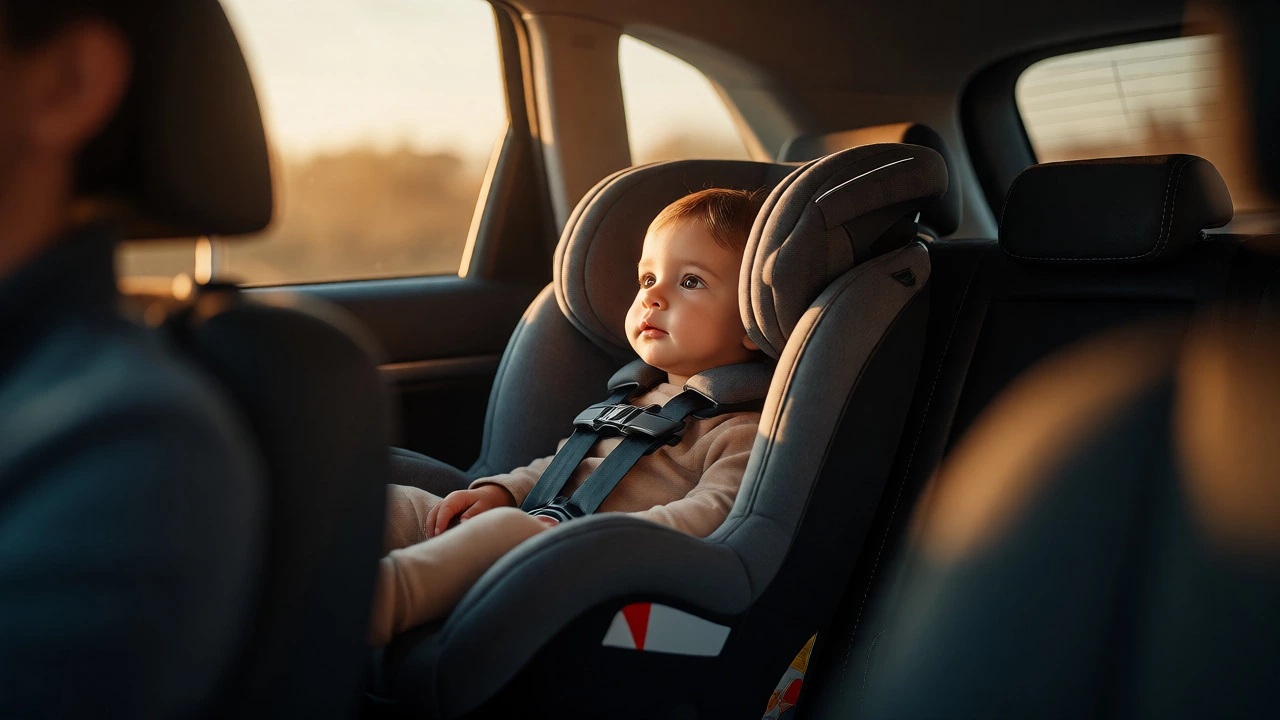
Is It Worth Getting an Expensive Car Seat? A Practical Guide
Car Seat Value Calculator
Enter your details below to see if a premium seat is worth the investment for your specific situation.
Your Situation
Cost Per Year Analysis
Budget Seat
$0
Premium Seat
$0
Recommendation
You’re standing in the baby aisle, staring at two car seats. One costs $150 and looks like a plastic shell with straps. The other is $450, features memory foam, anti-rebound bars, and a sleek design that screams "premium." Your gut tells you the expensive one must be safer. But does it actually protect your child better, or are you just paying for marketing fluff?
Here’s the truth: every car seat sold in Canada must pass the same rigorous crash tests set by Transport Canada. If a seat didn’t meet federal safety standards, it couldn’t legally sit on that shelf. So, why the price gap? The difference isn’t usually about surviving a crash; it’s about how easy the seat is to install correctly, how comfortable it keeps your kid, and whether you’ll actually use its advanced features. Let’s break down where your money goes.
The Safety Baseline: Why Cheap Doesn't Mean Dangerous
FMVSS 213 (in the US) and CMVSS 213 (in Canada) are the federal motor vehicle safety standards that govern all child restraint systems. Whether you buy a budget model from Walmart or a luxury model from a boutique store, both have passed the same sled tests involving dummy sensors measuring head excursion and chest acceleration.
This means a $100 seat provides roughly the same level of structural protection as a $500 seat in a standard frontal collision. The steel frame, the energy-absorbing foam, and the harness system are engineered to keep your child contained within the required limits. If safety was the only variable, there would be no reason to spend more than the minimum viable product.
However, real-world crashes aren't lab tests. They involve side impacts, rollovers, and improper installation. This is where the premium tier starts to separate itself, not through magic materials, but through engineering redundancy and user-friendly design.
Where Premium Money Actually Goes
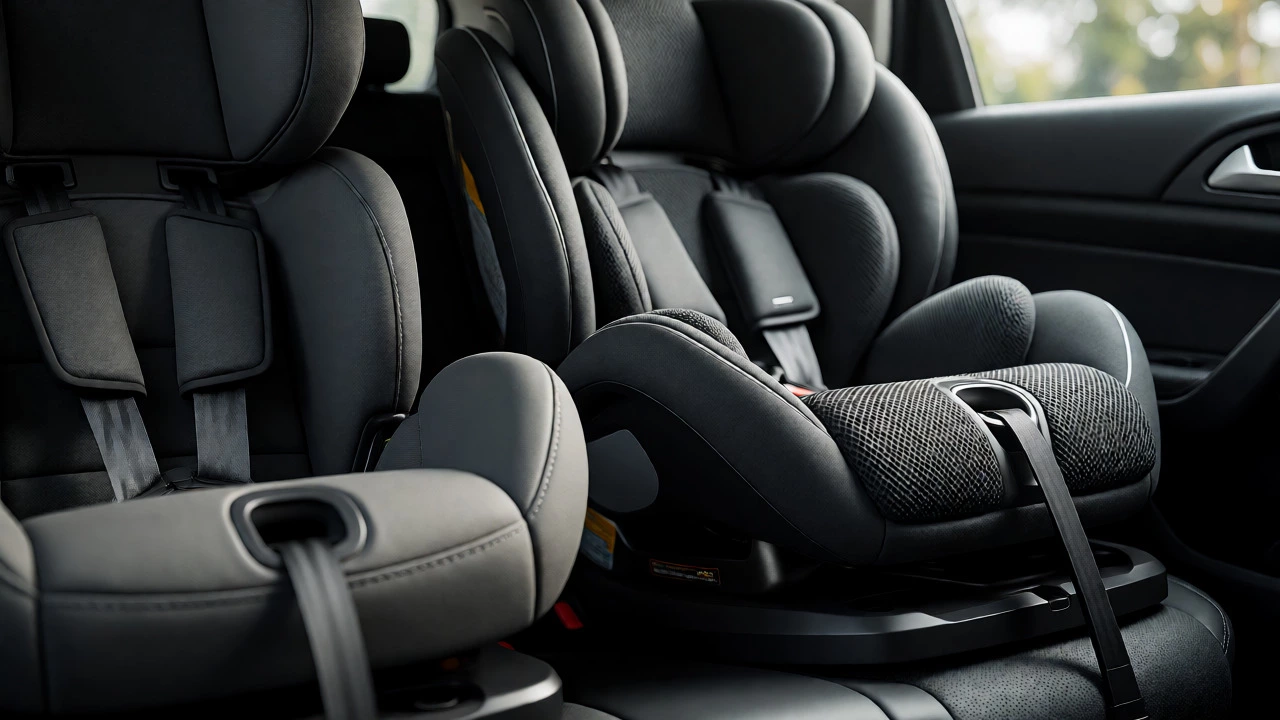
If safety certification is equal, what are you buying? You are primarily paying for three things: ease of installation, comfort, and longevity. Let's look at each.
Installation Confidence
Studies consistently show that up to 70% of car seats are installed incorrectly. The biggest risk to your child isn’t the seat failing; it’s the parent failing to secure it properly. Premium seats often include features that reduce human error:
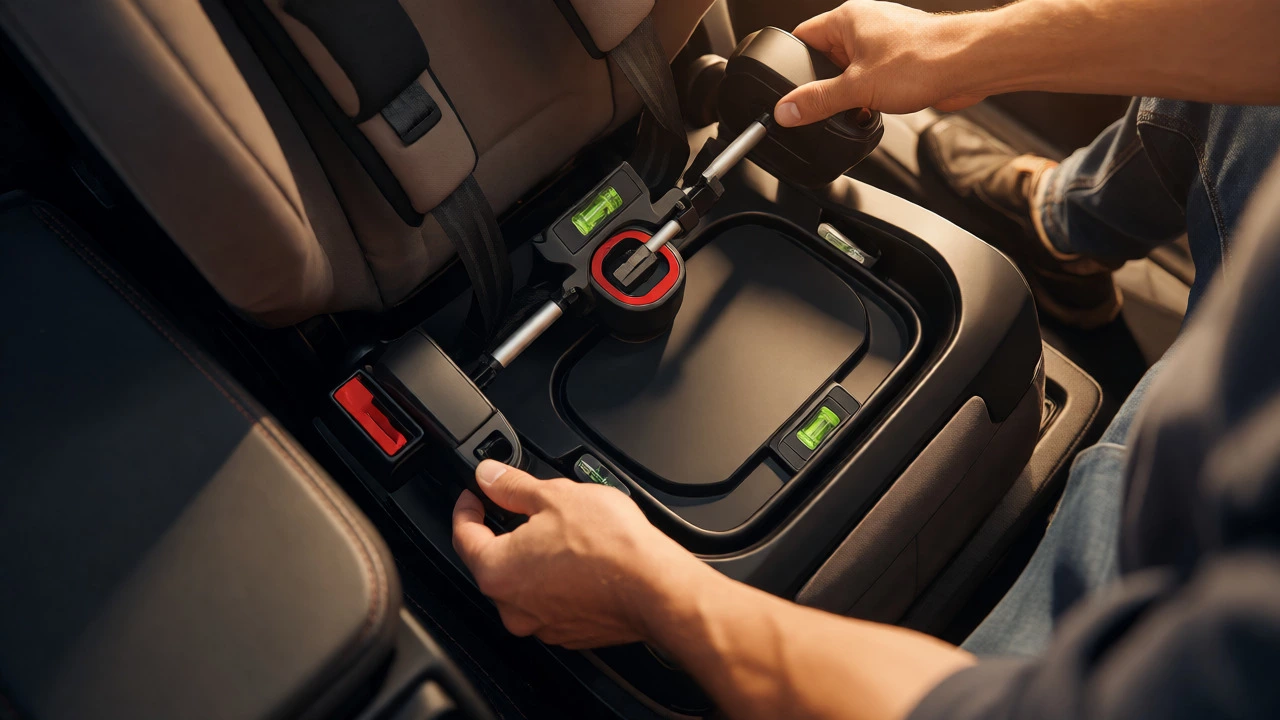
- Load Legs: Many high-end rear-facing seats (like those from Nuna or Clek) come with a rigid load leg that pushes against the floor. This reduces rotation and forward movement in a crash, significantly lowering the risk of spinal injury. Budget seats rarely offer this.
- Sensor Lights: Some seats have built-in bubble levels or electronic sensors that turn green when the recline angle is correct. No more guessing if it’s too upright or too flat.
- Rigid LATCH Systems: Instead of flexible webbing straps that can twist or loosen over time, premium seats use rigid connectors that click into place with a satisfying snap, ensuring a tight fit every time.
Comfort and Compliance
A miserable toddler fights the harness. A comfortable toddler tolerates it. Premium seats invest heavily in padding, breathable fabrics, and ergonomic shapes. Memory foam headrests, cooling mesh panels, and adjustable cup holders might seem like luxuries, but they directly impact compliance. If your child screams because their neck sweats or their legs feel cramped, you’re more likely to loosen the straps or let them ride unbuckled for a quick stop. Comfort keeps them buckled.
Longevity and Convertibility
Many expensive seats are "all-in-one" models that convert from rear-facing infant seats to forward-facing harnessed seats, and finally to belt-positioning boosters. While cheaper options exist, premium models often support higher weight limits (up to 65 lbs or more) and taller heights. Buying one $400 seat that lasts eight years can actually be cheaper than buying a $150 infant seat, a $200 convertible seat, and a $100 booster separately.
When You Should Spend More
There are specific scenarios where upgrading to a premium car seat is genuinely worth the investment. Consider these factors before swiping your credit card.
| Feature | Budget Seat ($100-$200) | Premium Seat ($300-$500+) |
|---|---|---|
| Crash Test Rating | Meets Federal Minimums | Meets Federal Minimums + Side-Impact Tech |
| Installation Method | Flexible LATCH Straps / Seatbelt | Rigid LATCH / Load Leg / Anti-Rebound Bar |
| Recline Adjustment | Manual Lever (often stiff) | No-Redo Recline / Level Indicators |
| Materials | Basic Polyester | Merino Wool / Cooling Mesh / Flame Retardant Free |
| Weight Limit (Rear-Facing) | Typically 40 lbs | Often 50+ lbs |
You should spend more if:
- You drive older vehicles: If your car has bench seats without lower anchors, or if you need to fit multiple car seats across a back row, the narrower footprint and easier installation of premium seats save hours of frustration.
- You travel frequently: If you take taxis, Ubers, or fly often, a lighter, compact premium seat (like the Doona or specialized travel seats) is invaluable. Heavy budget seats become burdens quickly.
- You have a special needs child: Children with low muscle tone or orthopedic issues often require the extra lateral support and adjustable positioning found in high-end models.
- You value resale value: Brands like Britax, Graco, and Nuna hold their value well. A $400 seat might sell for $200 after three years, whereas a $100 seat sells for $20.
When Budget Is Perfectly Fine
Don’t let guilt convince you that you’re endangering your child by buying a mid-range seat. In fact, some of the highest-rated safety picks are surprisingly affordable.
The Graco Extend2Fit is a prime example. It allows kids to ride rear-facing longer thanks to a pull-out panel, offers rigid LATCH installation, and typically costs under $250. It doesn’t have merino wool covers, but it keeps your child rear-facing until age four, which is the single most important safety metric for young children.
Stick with a budget option if:
- You have a newer car: Modern vehicles have excellent LATCH anchor points and space. Installation is straightforward regardless of the seat brand.
- You plan to switch seats soon: If you know you’ll move to a forward-facing seat once your child hits 40 lbs, don’t overspend on a long-term convertible model.
- You hire a professional installer: If you visit a certified Child Passenger Safety Technician (CPST), they can make almost any seat work perfectly. Their expertise negates many of the "ease-of-use" advantages of premium models.
The Hidden Costs of "Cheap" Seats
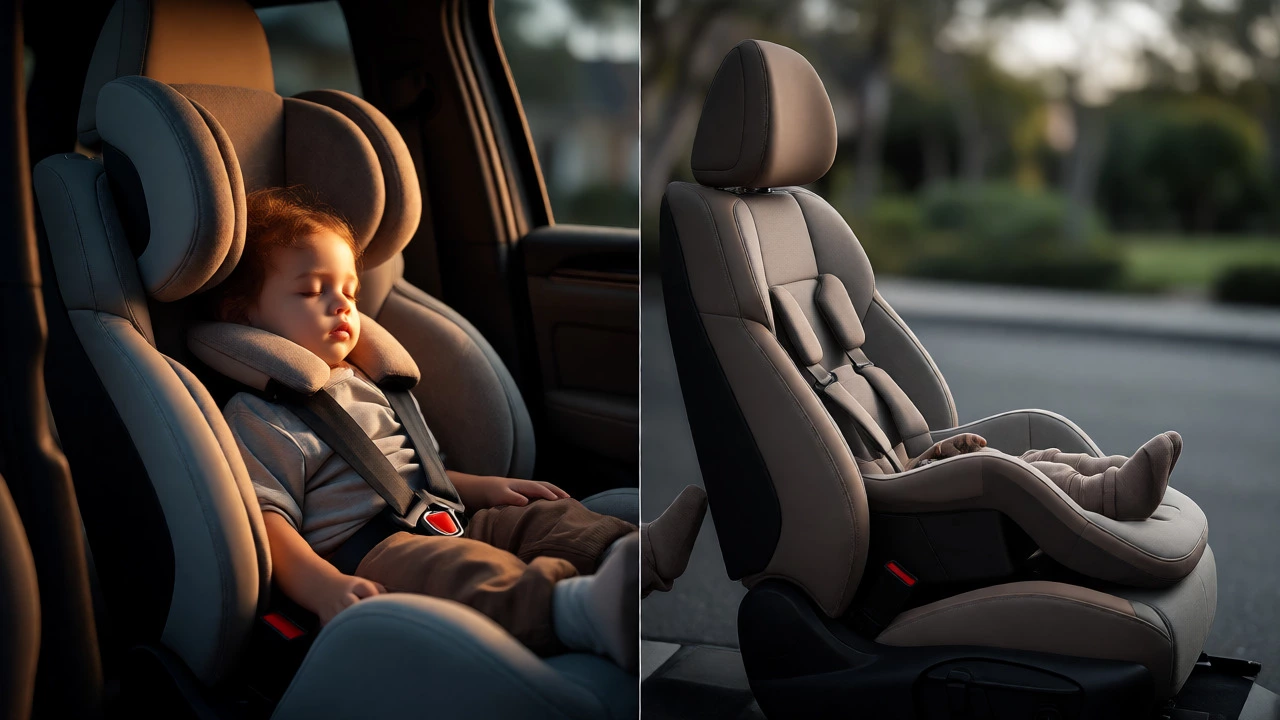
While the sticker price is lower, cheap seats can cost you in other ways. The plastic mechanisms often feel brittle. Harness adjusters may jam after a year. Padding compresses and loses its shape, making the seat uncomfortable. If a $120 seat breaks in six months, you’ve wasted money. Look for seats with metal frames rather than all-plastic shells, even in the budget category.
Also, consider the flame retardant issue. Many budget seats use chemical flame retardants in their foam to meet fire safety standards. Premium brands increasingly offer organic cotton or wool covers that are naturally flame resistant, avoiding these chemicals entirely. For health-conscious parents, this is a significant factor beyond just crash performance.
How to Decide: A Quick Checklist
Before you buy, run through this mental audit:
- Check your vehicle: Measure your back seat width. Can you fit three seats? If yes, you need narrow premium seats. If no, size matters less.
- Assess your patience: Will you fight with flexible straps every week? Or do you want a "click and go" experience?
- Look at the fabric: Can you remove the cover for washing? Cheap seats often have non-removable covers that trap spit-up and milk smells forever.
- Verify expiration dates: All car seats expire, usually 6-10 years after manufacture. Don’t buy a premium seat that expires in two years unless you’re sure you won’t need it longer.
Ultimately, the best car seat is the one that fits your child, fits your car, and gets used correctly every single trip. A $150 seat installed perfectly beats a $500 seat installed poorly. But if the premium price buys you confidence, comfort, and consistency, it’s money well spent.
Do expensive car seats have better crash test scores?
Generally, no. All seats sold in Canada and the US must pass the same mandatory federal crash tests. However, some premium seats undergo voluntary additional testing, such as IIHS side-impact tests, and may score higher in these optional categories due to features like load legs and deeper side wings.
Is it safe to buy a used expensive car seat?
Only if you know its full history. Never buy a used seat if you don't know if it has been in a crash. Also, check the expiration date and ensure all parts, including the manual and harness, are present. Premium seats have complex mechanisms that can fail if damaged, so inspect them carefully.
Which is safer: rear-facing or forward-facing?
Rear-facing is significantly safer for young children. It distributes crash forces across the entire back and protects the head, neck, and spine. Experts recommend keeping children rear-facing as long as possible, ideally until age 4 or until they reach the maximum height or weight limit of their convertible seat.
Do I need a base for my infant car seat?
Yes, most infant car seats require a base for proper installation in the vehicle. The base stays in the car, and the carrier clicks in and out. Some premium bases offer load legs or anti-slip mats for added stability. You can also install the carrier without the base using the seatbelt, but the base makes daily use much easier.
Are all-in-one car seats worth it?
They can be, but they are bulky. An all-in-one seat converts from rear-facing to forward-facing to booster. They are great for saving money over time and reducing waste. However, they are heavy and difficult to transfer between cars. If you have one main vehicle, they are a good choice. If you switch cars often, a dedicated infant seat plus a convertible seat might be more practical.