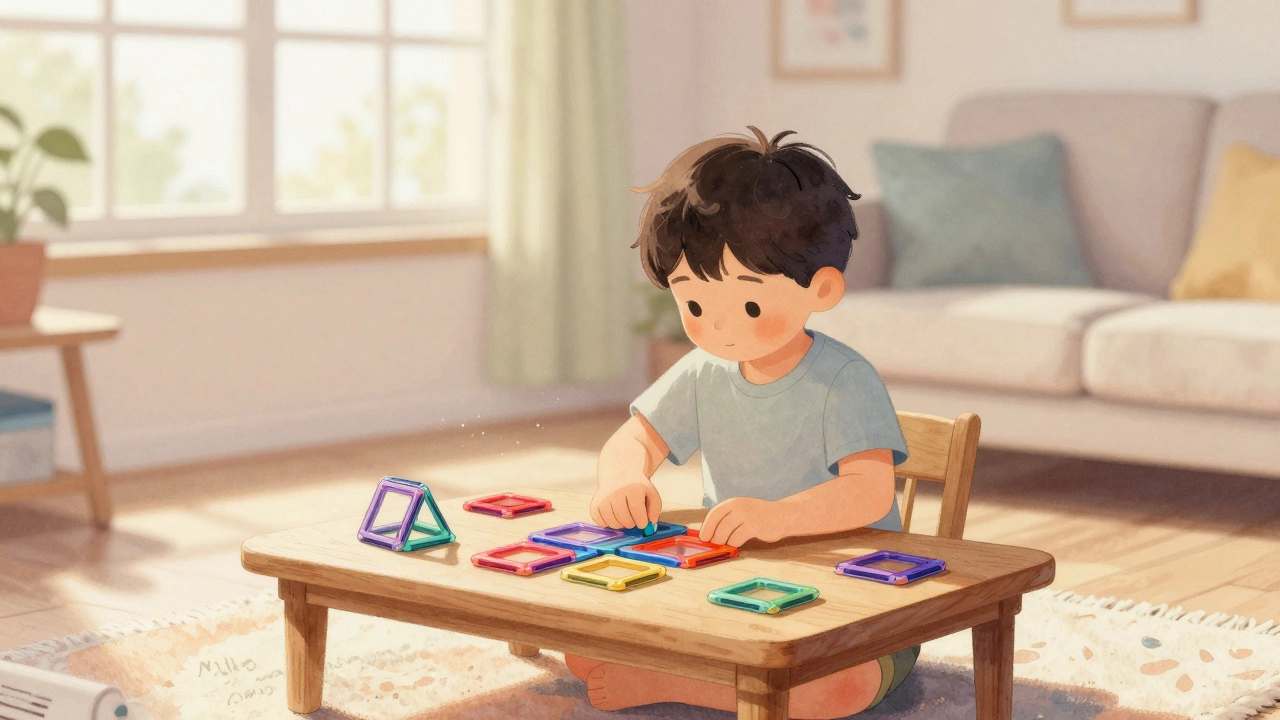
What Stimulates the ADHD Brain? A Guide to Educational Toys
ADHD Toy Compatibility Checker
Answer a few questions about your child's learning style to find the perfect educational toy profile.
Your Child's Stimulation Profile
Please wait.
Stimulation Metrics
Recommended Toy Types
Ever watched a child with Attention Deficit Hyperactivity Disorder (ADHD) stare blankly at a textbook, only to become hyper-focused on a single bug crawling across the desk? It’s confusing. One moment they are restless, the next they are laser-beam focused. The difference isn’t willpower; it’s chemistry. For brains that process dopamine differently, standard classroom tools often feel like trying to hear a whisper in a hurricane. You need louder signals. Specifically, you need inputs that trigger that neurochemical reward system.
This isn’t about "fixing" your child or forcing them to sit still. It’s about understanding what actually lights up their neural pathways so learning feels less like a chore and more like a game. When we talk about stimulating the ADHD brain, we are really talking about managing arousal levels. Too little stimulation leads to under-arousal (boredom, zoning out). Too much leads to over-arousal (anxiety, distraction). The sweet spot is where focus happens. Educational toys aren't just playthings here; they are delivery systems for the right kind of brain fuel.
The Dopamine Loop: Why Boring Fails
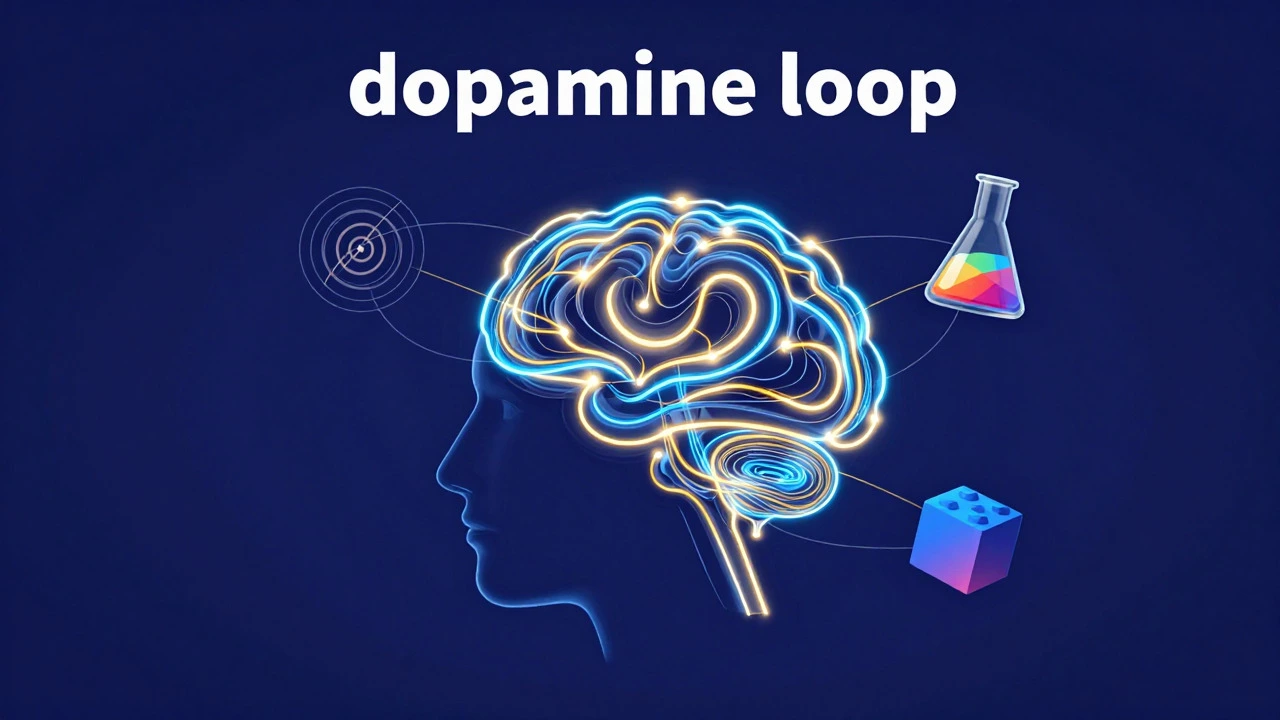
To pick the right tools, you have to understand the engine. In a typical neurotypical brain, completing a task releases a moderate amount of dopamine, creating a sense of satisfaction. In an ADHD brain, this baseline is lower. The brain is constantly scanning the environment for a "hit"-a spike of interest that provides enough dopamine to sustain attention. If a toy or activity doesn't provide that initial spark, the brain moves on to something else that does.
This is why static, low-stimulation activities often fail. Reading a long paragraph without visual breaks or physical movement doesn't give the brain enough feedback loops. However, when you introduce elements that require immediate response, novelty, or physical engagement, you bridge the gap. This is where sensory integration comes in. It’s not just about touching things; it’s about combining tactile, visual, and auditory inputs to create a multi-channel experience that keeps the prefrontal cortex engaged.
Movement as a Cognitive Tool
We often think of sitting still as the prerequisite for thinking. For kids with ADHD, this is backwards. Movement often precedes and supports cognition. This concept is known as kinesthetic learning. When a child physically manipulates objects, their body sends proprioceptive data back to the brain, which helps anchor abstract concepts.
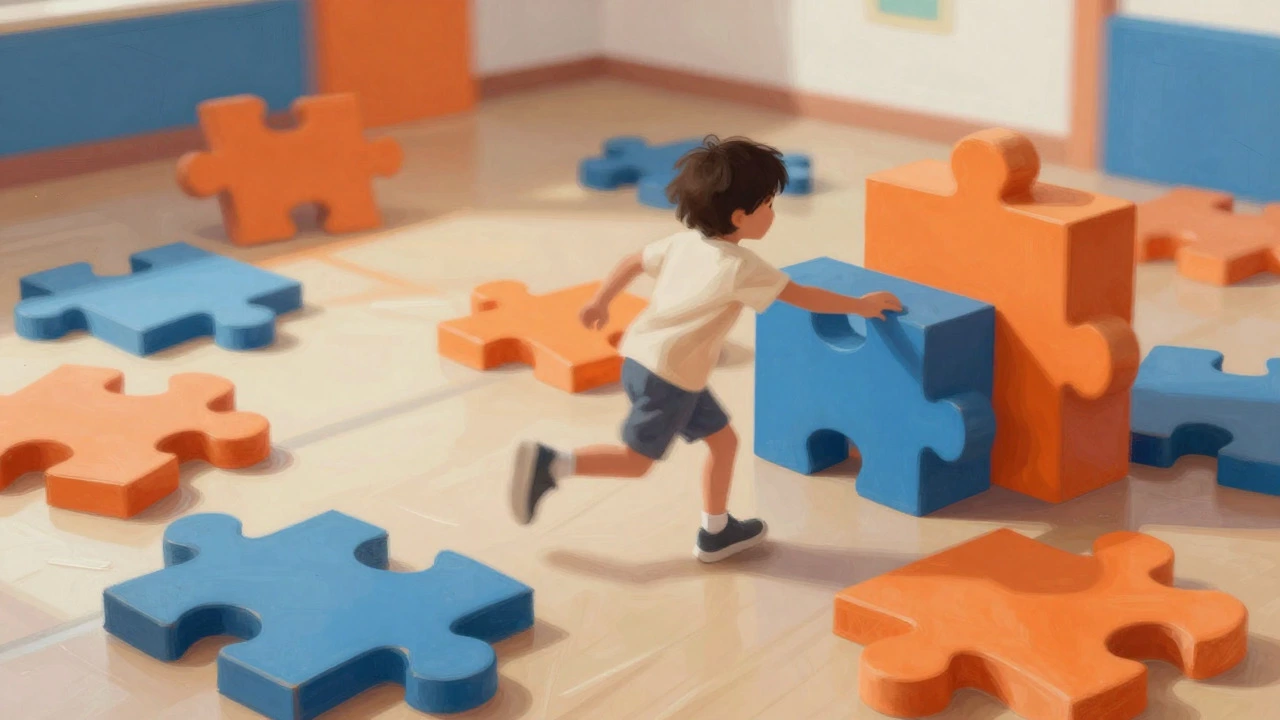
Consider building blocks versus reading about architecture. With blocks, the child feels weight, balance, and resistance. These physical sensations keep the brain alert. Tools that incorporate gross motor skills are particularly effective. Think of balance beams, large-scale puzzle pieces, or even simple standing desks paired with interactive floor games. The key is that the movement should be purposeful, not random fidgeting. Purposeful movement directs energy into the task rather than letting it dissipate as restlessness.
Novelty and the Element of Surprise
Predictability is the enemy of the ADHD brain. If a toy works the same way every time, its ability to stimulate interest drops sharply after a few uses. This is why open-ended play is superior to rigid, step-by-step instruction manuals. Open-ended toys allow for creative problem solving, which introduces variable outcomes. Each attempt yields a different result, triggering a fresh burst of curiosity and dopamine.
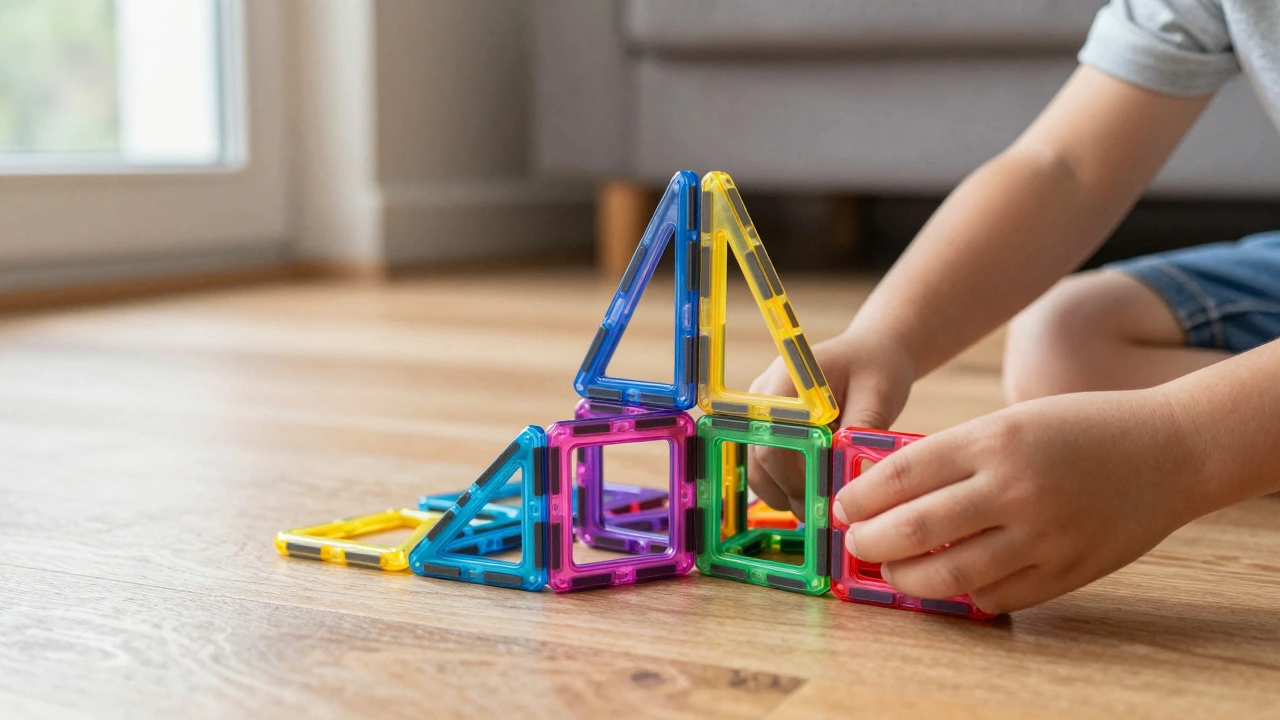
Take magnetic tiles, for example. They can build a tower, a car, or a spaceship. The lack of a single "correct" answer means the child has to plan, test, and adjust. This trial-and-error process engages executive function skills like working memory and cognitive flexibility. The surprise of whether the structure will stand or fall keeps the brain in a state of high alert without causing stress. It’s gamified risk management.
Comparison of Stimulation Types
The Role of Immediate Feedback
One of the most critical components of ADHD-friendly design is immediacy. Delayed gratification is hard for these brains because the dopamine hit needs to be close in time to the action. This is why video games are so engaging-they provide split-second feedback. Educational toys can mimic this. Look for tools that offer instantaneous results.
For instance, a science kit where mixing two liquids immediately changes color is far more effective than one where you wait an hour for a reaction. Similarly, coding robots that respond instantly to a command keep the cause-and-effect link tight. This rapid feedback loop reinforces the neural pathway associated with effort and reward. It teaches the brain that doing the work leads to a tangible, immediate outcome.
Choosing the Right Toy: A Practical Checklist
Not every colorful box is an ADHD-friendly tool. Here is how to evaluate options before buying:
- Does it require movement? If the child can do it entirely while lying down, it might be too passive unless it’s highly novel.
- Is there an element of chance or variation? Avoid toys with only one correct answer. Look for multiple solutions or unpredictable outcomes.
- Is the feedback immediate? Can the child see or feel the result of their action within seconds?
- Does it engage multiple senses? Combining sight, sound, and touch creates a richer neural input than a single-sense toy.
- Is it scalable in difficulty? The toy should be able to grow with the child to maintain the novelty factor over months, not just days.
Avoid toys that rely heavily on fine motor precision without a larger gross motor component, as frustration from failure can shut down the dopamine loop entirely. Instead, opt for chunky handles, large pieces, or digital interfaces that forgive small errors.
Common Pitfalls to Avoid
Parents often fall into the trap of "over-stimulating." Throwing five new toys at a child at once can lead to sensory overload, resulting in shutdown rather than focus. Introduce one new stimulant at a time. Let the child explore it fully before adding another layer. Another mistake is assuming that "educational" means "academic." While literacy and math are important, the foundation for learning is attention regulation. A toy that improves focus indirectly supports academic success better than a flashcard deck that causes boredom. Prioritize engagement over content initially. Once the brain is tuned in, the content becomes easier to absorb.
Frequently Asked Questions
Do all children with ADHD need the same types of stimulation?
No. ADHD presents differently in every individual. Some children are primarily inattentive and may need higher-intensity sensory input to wake up, while others are hyperactive and may need calming, rhythmic movements to regulate. Observe your specific child's reactions to determine if they need more "wake-up