When Can a Child Go Up and Down Stairs Alone? A Safety Guide
Stair Safety Readiness Checker
Check the boxes below that apply to your child's current behavior. Be honest—consistency is key.
Physical Milestones
Cognitive Awareness
Ready to Check?
Select criteria from the left and click "Check Readiness" to see your result.
Result
StatusRecommendation:
...
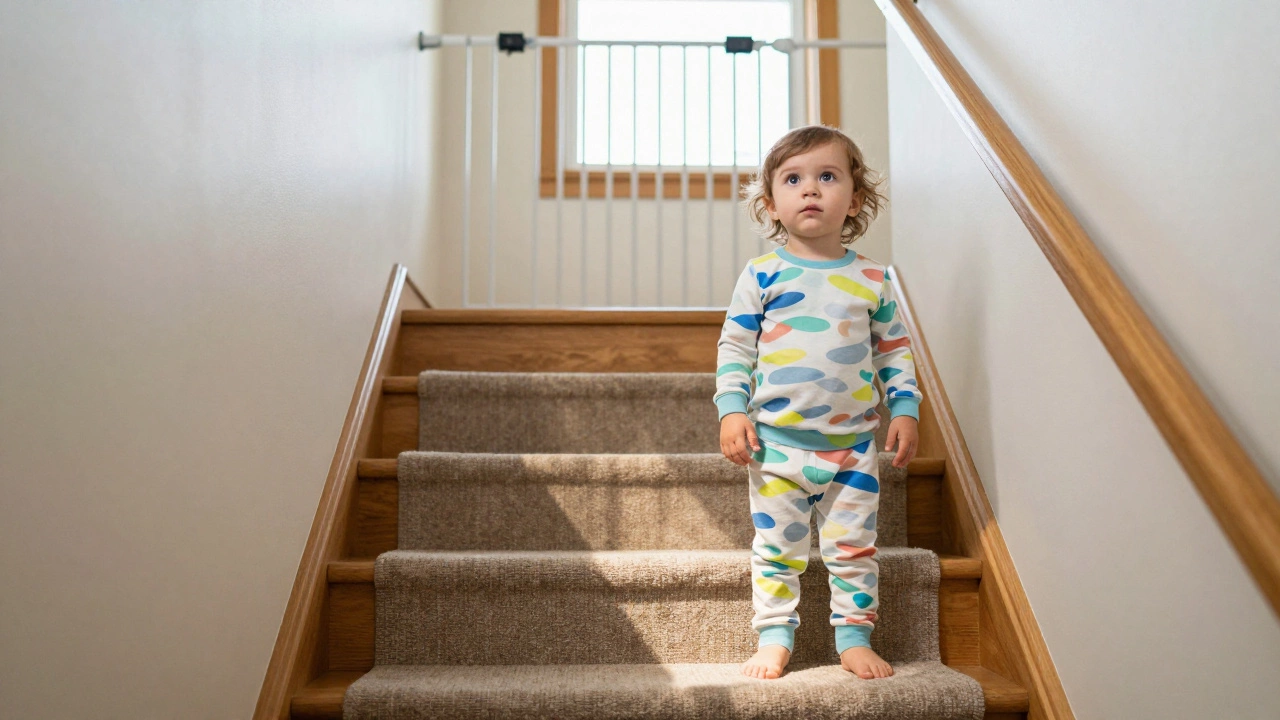
Most parents hold their breath the first time they see their toddler standing at the bottom of the stairs, eyes wide with determination. It’s a milestone that feels equal parts proud and terrifying. You know they’re growing up, but you also know that a slip on hardwood or carpet can lead to serious injury. So, when is it actually safe to let go?
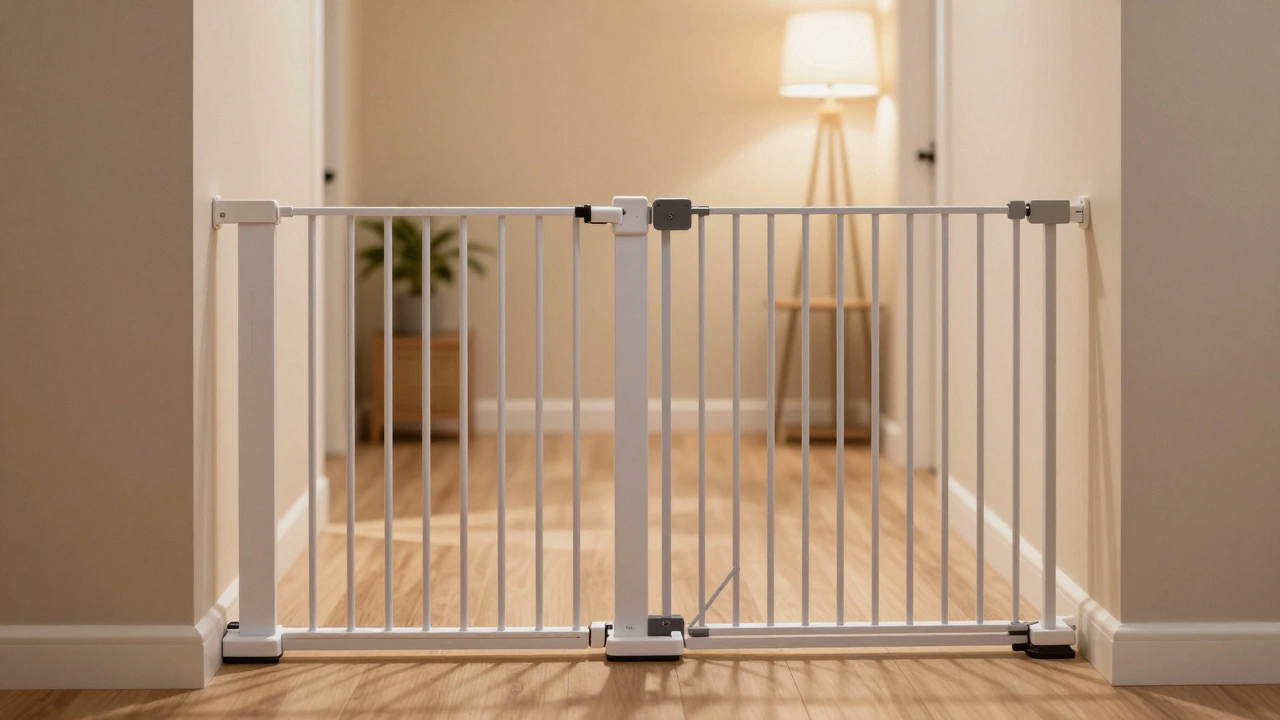
The short answer is: there is no single age where every child is ready. However, most pediatricians and child development experts agree that children typically develop the physical coordination and cognitive awareness to navigate stairs safely without constant supervision between ages 4 and 6. Before that, your job isn’t just about watching; it’s about creating a safe environment using tools like child safety gates that prevent unsupervised access to hazardous areas in the home.
Understanding Physical Milestones for Stair Climbing
To understand when a child is ready, we have to look at how they move. Stair climbing isn’t just one skill; it’s a complex sequence of motor skills that develop over time.
- Ages 1-2 (The Explorer): Toddlers in this range are learning to walk. If they reach the stairs, they will likely crawl up on hands and knees. Going down? They might try to slide backward or, worse, stand up and wobble forward. This is the highest-risk period for falls because their center of gravity is high, and their balance is poor.
- Ages 2-3 (The Climber): By now, many toddlers can march up stairs, placing both feet on each step. Going down is still tricky. They often need to turn around and scoot down backward, holding onto the railing. They lack the leg strength and coordination to descend facing forward safely.
- Ages 3-4 (The Transition): Children start alternating feet going up. Going down, they may still use two feet per step but face forward. They are gaining confidence but still lack the spatial judgment to handle uneven steps or distractions while moving.
- Ages 4-6 (The Independent Navigator): Most children in this group can alternate feet going up and down. They begin to understand speed control and can react if they feel themselves slipping. This is the window where supervised independence becomes possible.
Remember, these are averages. Your child might be an early walker but a cautious climber, or vice versa. Watch their behavior, not just their birthday.
The Role of Cognitive Awareness
Physical ability is only half the equation. The other half is brainpower. A 3-year-old might physically make it down the stairs, but do they understand the consequences of letting go of the rail? Do they know to stop if someone is coming from below?
Cognitive readiness involves:
- Risk Assessment: Understanding that running on stairs is dangerous.
- Focused Attention: Being able to ignore a toy or a sibling calling out while navigating steps.
- Impulse Control: Not pushing off too hard or skipping steps out of excitement.
Children under 4 rarely possess full impulse control. This is why a gate alone isn’t enough; you must teach them *why* the gate is there. As they approach age 5, you can start having conversations about stair safety rules, such as "one foot per step" and "always hold the rail." If they can repeat these rules and demonstrate understanding during practice runs, they are cognitively closer to readiness.
Safety Gates: Your First Line of Defense
Until your child demonstrates consistent safe behavior, safety gates that barrier devices installed at the top and bottom of staircases to prevent falls are non-negotiable. But not all gates are created equal.
| Gate Type | Best For | Pros | Cons |
|---|---|---|---|
| Pressure-Mounted | Top of stairs, doorways, hallways | Easy install, no drilling, renter-friendly | d>Not secure enough for the top of stairs if pushed hard |
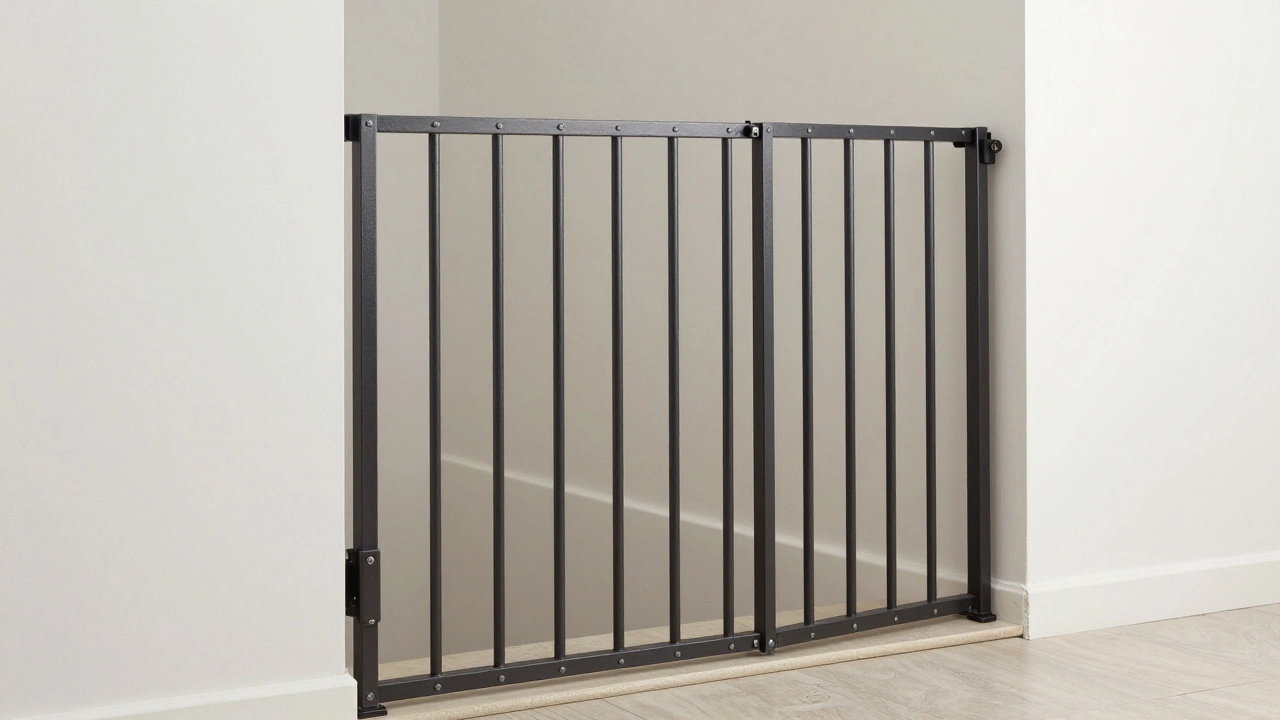
| Hardware-Mounted | Top of stairs (critical) | Extremely secure, withstands heavy pressure | Requires drilling into wall/floor, harder to remove |
| Walk-Through vs. Swing | High traffic vs. low traffic | Walk-through allows hands-free passage; swing keeps area fully blocked | Swing gates can pinch fingers; walk-through latches can be tricky for small hands |
Here is the golden rule of gate placement: Always use a hardware-mounted gate at the top of the stairs. A pressure-mounted gate relies on friction against the walls. If a curious toddler leans, climbs, or pushes against it, it can detach, sending the child tumbling down. At the bottom of the stairs, a pressure-mounted gate is usually sufficient because a fall would result in landing on the floor, not descending multiple steps.
Ensure the gate extends slightly beyond the width of the opening so your child can’t squeeze around it. Check for gaps between the gate and the wall regularly, as houses settle and temperatures change, which can loosen mounts.
Creating a Safe Environment Beyond Gates
Gates keep kids out, but what about when they’re in? As your child gains access to stairs, you need to modify the environment to reduce injury severity if a fall does occur.
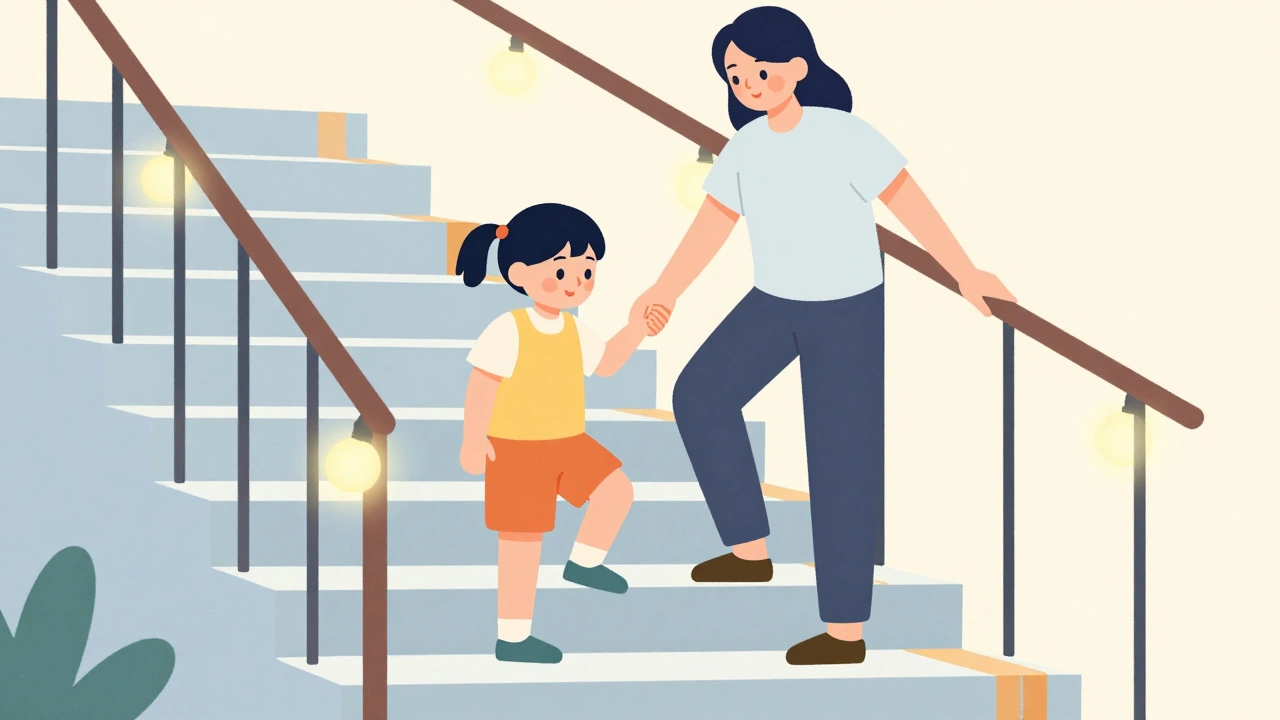
- Lighting: Install night lights on every landing. Dim switches are helpful, but completely dark stairs are a hazard for adults and children alike.
- Handrails: Ensure handrails are sturdy and at a height your child can grasp. If your rails are too high, consider adding a lower secondary rail or teaching your child to hold the newel posts.
- Step Edges: Apply contrasting tape to the edge of each step. This helps children with visual depth perception identify where the step ends and the drop begins. It’s especially useful for young climbers who are still judging distances.
- Clutter-Free Zones: Keep toys, shoes, and rugs off the stairs. A loose rug is a major trip hazard. Secure any existing runner carpets with double-sided tape or anti-slip pads underneath.
Teaching Stair Safety: A Step-by-Step Approach
You can’t just unlock the gate and hope for the best. Active teaching is required. Here is how to transition your child from supervised to independent stair use.
- Model the Behavior: Walk up and down the stairs slowly and deliberately in front of your child. Narrate what you’re doing: "I’m holding the rail with my left hand. I’m putting my right foot on the next step."
- Supervised Practice: Remove the bottom gate temporarily (while keeping the top gate locked). Stand at the bottom and guide your child up and down. Let them feel the rhythm of alternating feet.
- Introduce Rules: Establish clear rules: No running, no jumping, no carrying large objects that block vision. Make these non-negotiable.
- Gradual Release: Start by standing at the top of the stairs while they come down. Then, move to the middle. Finally, watch from the bottom. Only when they consistently follow rules and show good balance should you allow them to use stairs without you in the immediate room.
- Regular Check-ins: Even after they seem ready, periodically observe them. Fatigue, illness, or new footwear can affect balance. Re-evaluate their readiness if you notice wobbling or hesitation.
Signs Your Child Isn't Ready Yet
Pushing a child to be independent before they are physically or mentally prepared is dangerous. Watch for these red flags:
- Skipping Steps: If they try to jump two steps at a time, they aren’t ready for unsupervised use.
- Letting Go of the Rail: If they consistently walk without holding on, they lack the necessary stability.
- Distractibility: If they stop mid-step to look at something or talk to a sibling, they are at high risk of falling.
- Anxiety: If they seem afraid or hesitant, don’t force it. Fear is a protective mechanism. Work on building their confidence through play and practice rather than rushing them.
What About Older Siblings?
If you have a 5-year-old who is ready and a 2-year-old who isn’t, you face a logistical challenge. The younger child needs the gate; the older child finds it annoying. Involve the older child in the solution. Explain that the gate is there to keep the baby safe, and give them a "special job," like helping to open the gate for the baby or reminding the baby to hold the rail. This reduces resentment and reinforces safety norms for everyone.
Emergency Preparedness
Even with perfect precautions, accidents happen. Keep a basic first aid kit near the stairs. Know how to treat common stair injuries: bruises, sprains, and minor head bumps. If your child hits their head, even mildly, monitor them for signs of concussion (vomiting, confusion, loss of consciousness) and seek medical attention immediately. When in doubt, call your pediatrician or emergency services.
At what age can a child go up and down stairs alone?
Most children are physically and cognitively ready to navigate stairs independently between ages 4 and 6. However, this varies by child. Look for consistent alternating-foot gait, proper use of handrails, and the ability to focus without distraction before allowing unsupervised access.
Are pressure-mounted gates safe for the top of the stairs?
No. Pressure-mounted gates are not recommended for the top of stairs because they can be dislodged if a child pushes or climbs on them. Always use a hardware-mounted gate secured to the wall or floor at the top of the staircase for maximum safety.
How do I teach my toddler to climb stairs safely?
Start by modeling safe behavior yourself. Use supervised practice sessions where you guide them up and down. Teach specific rules like "hold the rail" and "one foot per step." Gradually increase independence as they demonstrate consistency and balance.
What are the biggest risks of stair climbing for toddlers?
The primary risks include falls leading to head injuries, fractures, and sprains. Toddlers often lack the coordination to descend facing forward, making backward slides or sudden slips common. Clutter, poor lighting, and slippery surfaces exacerbate these dangers.
Should I put a gate at the bottom of the stairs?
Yes, especially for children under 3 who cannot yet climb down safely. A gate at the bottom prevents them from attempting to climb up unassisted. A pressure-mounted gate is generally acceptable here since a fall would result in landing on the flat floor, not descending steps.