How to stop baby monitor interference with WiFi effectively
Stop annoying static on your baby monitor by adjusting WiFi channels and understanding frequency clashes.
When you bring a newborn home, silence can feel louder than noise. That’s where a baby monitor, a device that lets parents hear or see their baby from another room. Also known as a nursery monitor, it gives you the freedom to shower, eat, or even rest without constantly checking on your little one. It’s not just about hearing a cry—it’s about peace of mind. But not all baby monitors are the same. Some use radio waves, others connect to Wi-Fi, and a few even track heart rate and breathing. The right one depends on your home, your worries, and how much tech you’re comfortable with.
Many parents worry about baby monitor security, the risk of someone hacking into a video feed or listening in on private moments. Wi-Fi models are convenient—you can check on your baby from your phone—but they’re also vulnerable. That’s why so many families are turning to non Wi-Fi baby monitors, devices that use secure radio frequencies instead of internet connections. They don’t stream to your phone, but they also can’t be hacked from across the world. Then there’s the debate around smart baby monitors, devices that claim to reduce the risk of SIDS by tracking movement and vital signs. The truth? No monitor can prevent SIDS. The American Academy of Pediatrics says safe sleep practices—back sleeping, firm mattress, no loose bedding—are what actually lower risk. But if your monitor helps you sleep better at night, that’s worth something too.
And it’s not just for babies. You might be surprised to learn that many parents keep a monitor going until their child is three, four, or even older—especially if they’re transitioning to a big kid bed, sleepwalk, or just need that extra reassurance. The question isn’t just when to start using a baby monitor—it’s when to stop. Some families hang onto it because they’re nervous. Others turn it off because their child is independent. Neither is wrong. What matters is knowing what your monitor can and can’t do, and making a choice that fits your family’s rhythm.
Below, you’ll find real, no-fluff guides on everything from where to place your monitor for the clearest signal, to whether Owlet actually saves lives, to how to lock down your device if you already have a Wi-Fi model. There’s no marketing hype here—just what parents actually need to know to feel confident, not scared.
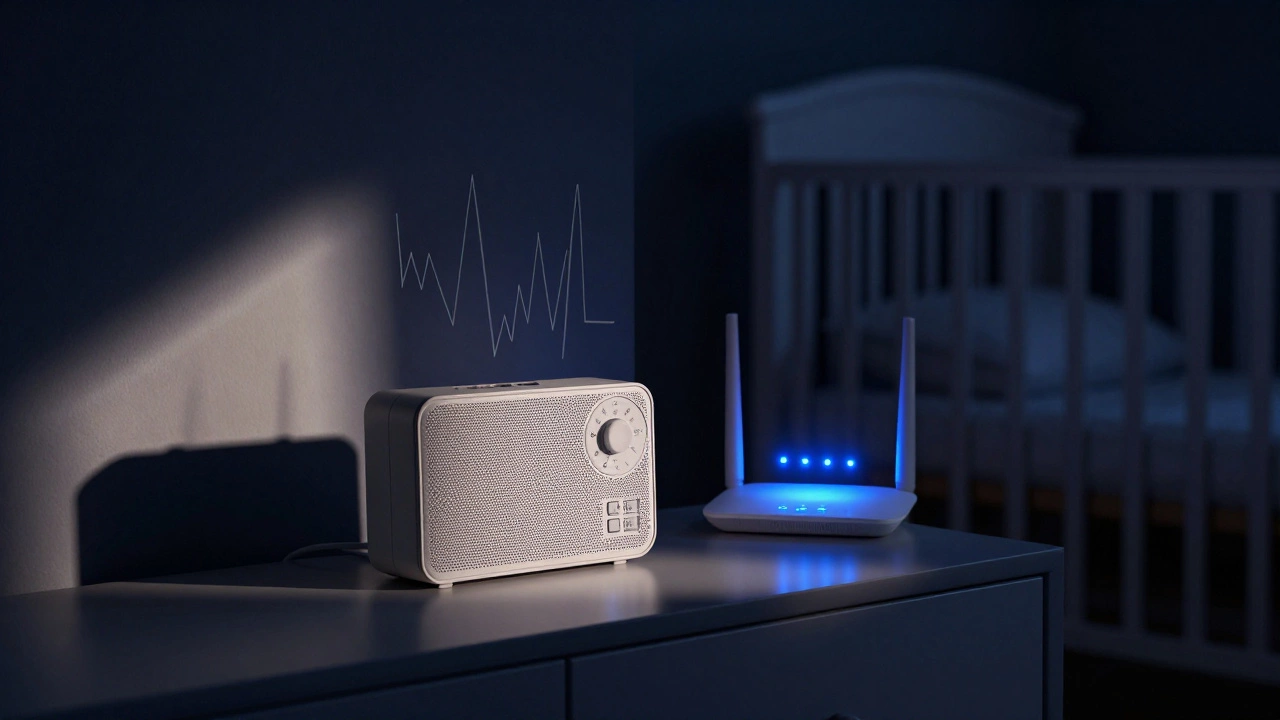
Stop annoying static on your baby monitor by adjusting WiFi channels and understanding frequency clashes.
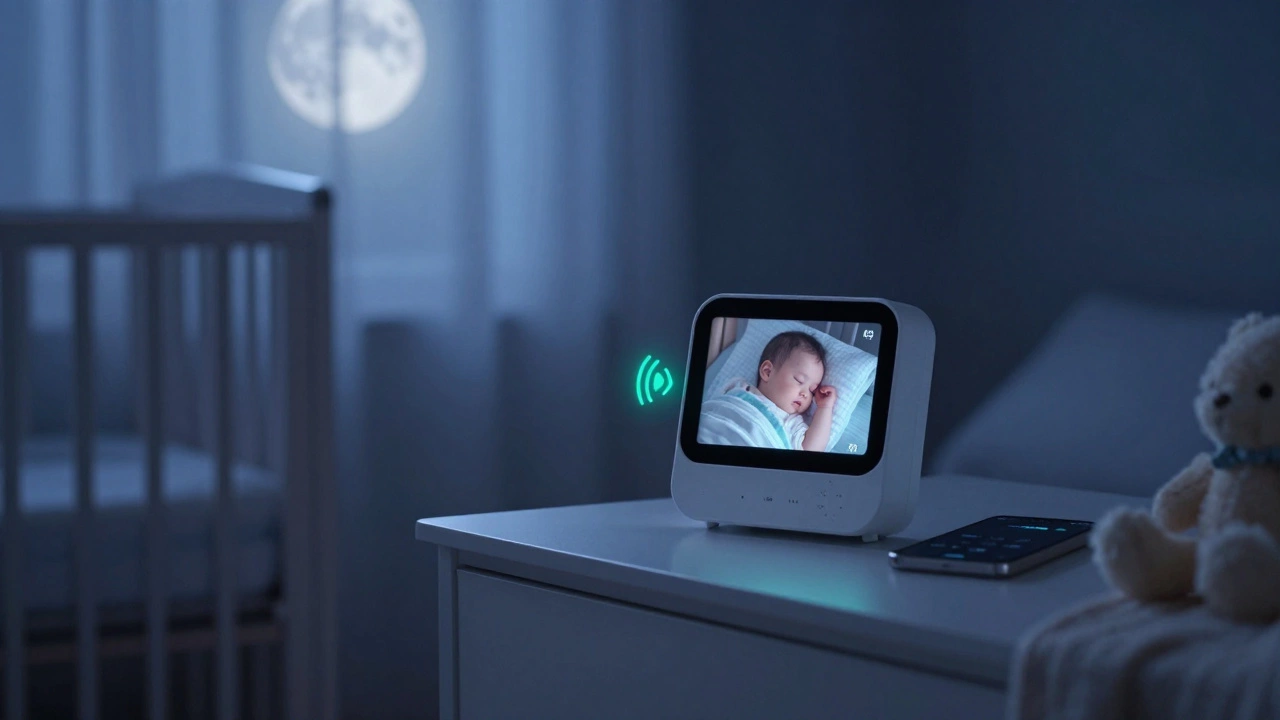
Should you sleep with a baby monitor on? Learn how modern monitors work, when to use them, and how to avoid sleep disruption while keeping your baby safe. Real advice for tired parents.
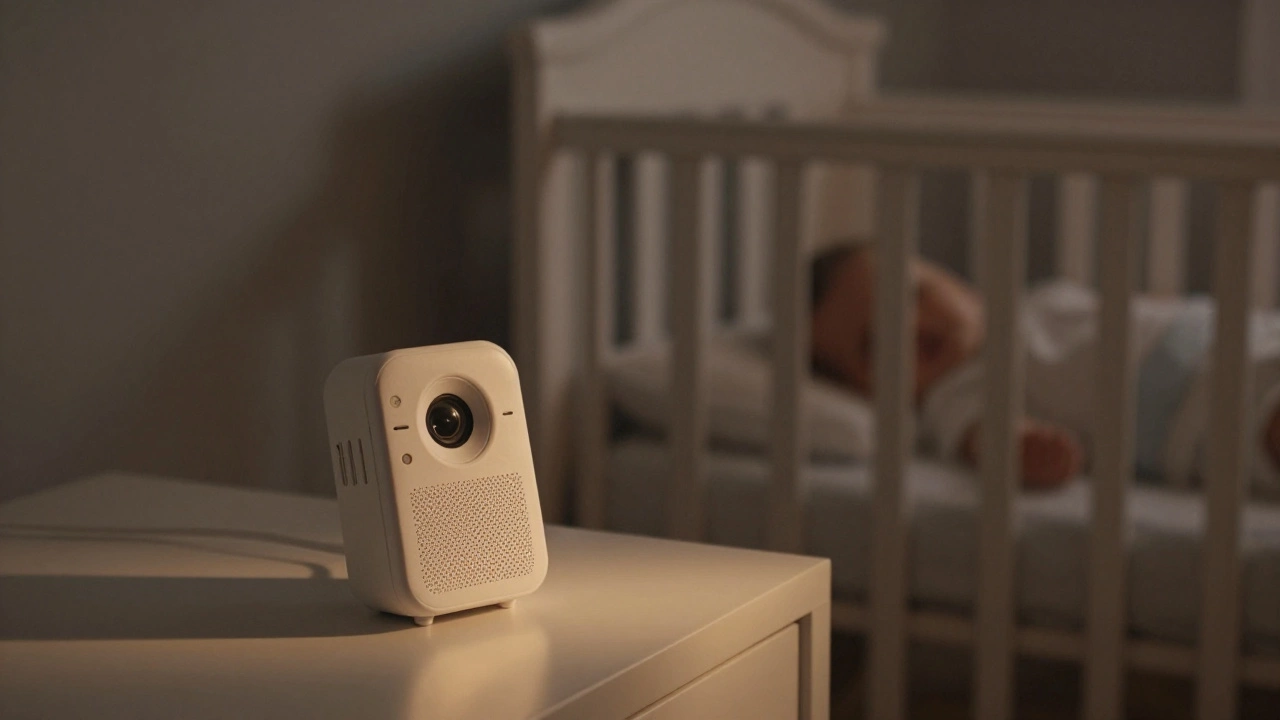
Not all baby monitors need wifi. Many work just as well without it-offering better security, reliability, and simplicity. Learn when wifi is useful and when it's just extra noise.
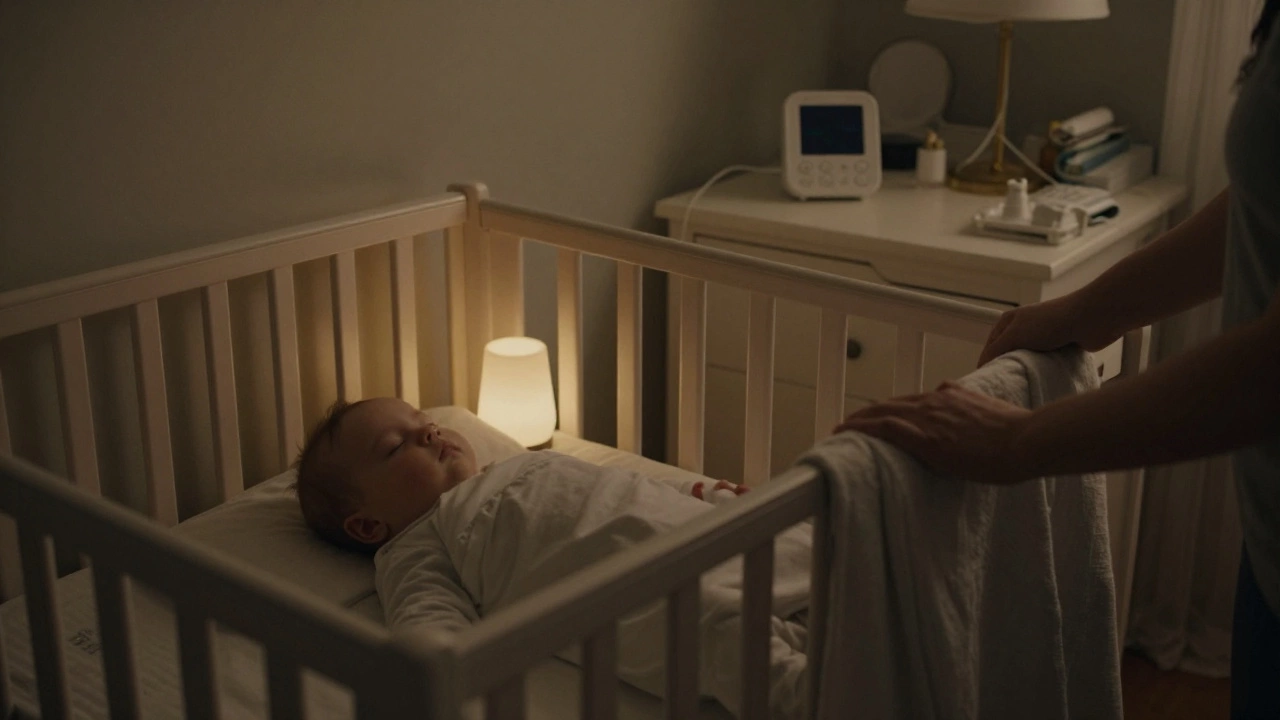
Baby monitors don't prevent SIDS, but safe sleep practices do. Learn what actually reduces risk and why relying on monitors can give false reassurance.
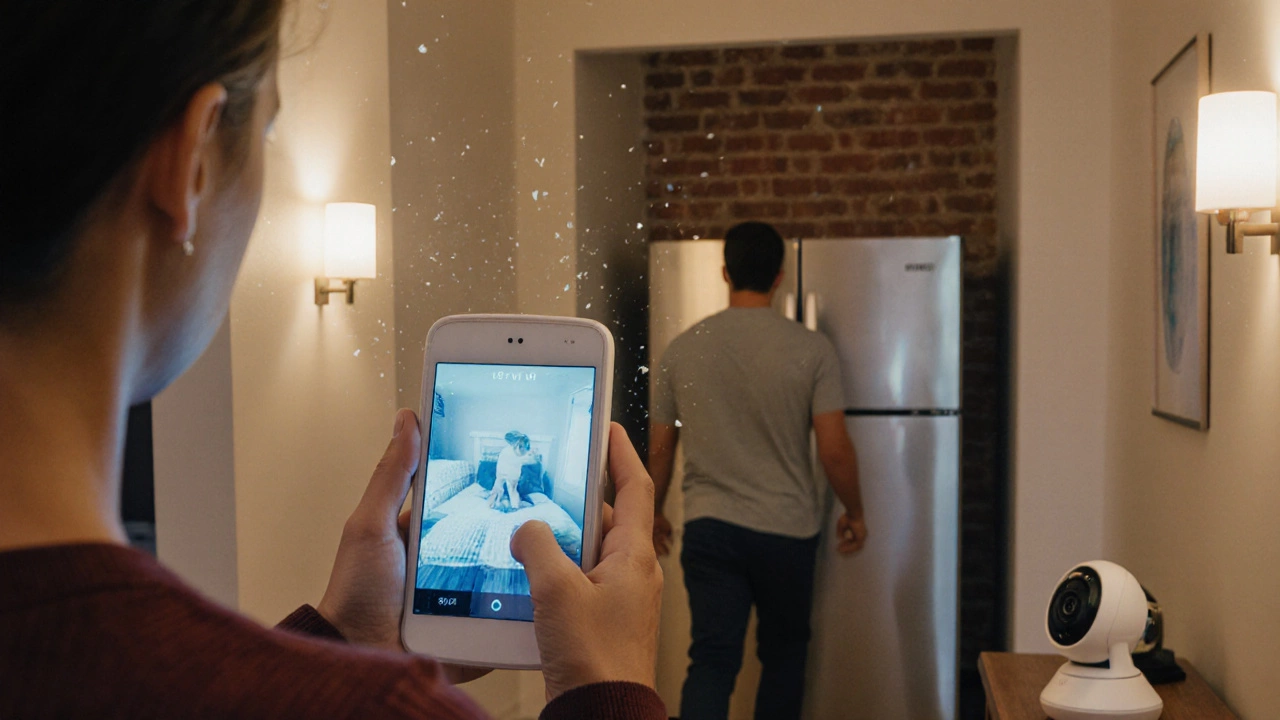
Find out the real range of baby monitors in your home-not just what the box claims. Learn what affects signal strength, how to test your monitor, and which models actually work through walls and floors.
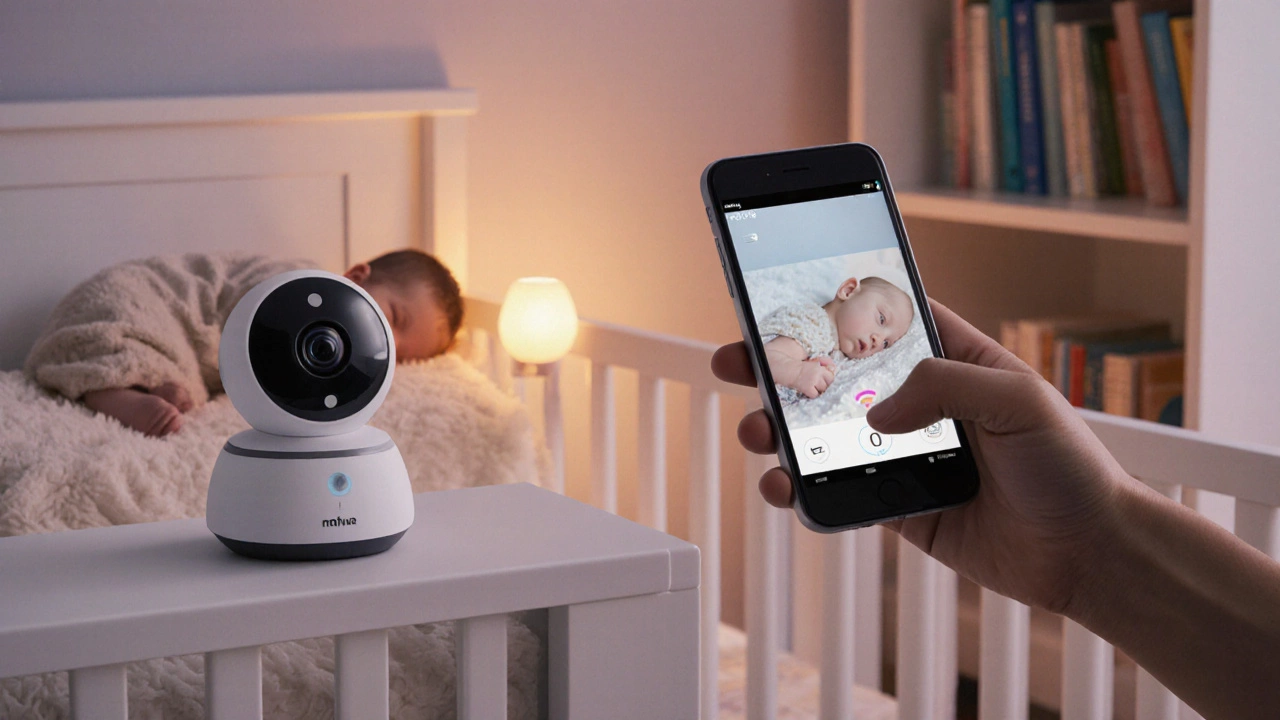
Learn how to watch your baby monitor on your phone, set it up, choose the right model, and keep the video feed secure with step‑by‑step tips.
Do smart baby monitors prevent SIDS? Clear, evidence-backed answer, what they can and can’t do, safe sleep steps that cut risk, and when a monitor actually helps.
Thinking about skipping a Wi‑Fi baby monitor? See the real risks, who should avoid them, better alternatives, and how to lock down what you already own.

How many babies has Owlet really saved? Discover surprising facts, real family stories, and expert tips on infant safety with smart monitors.
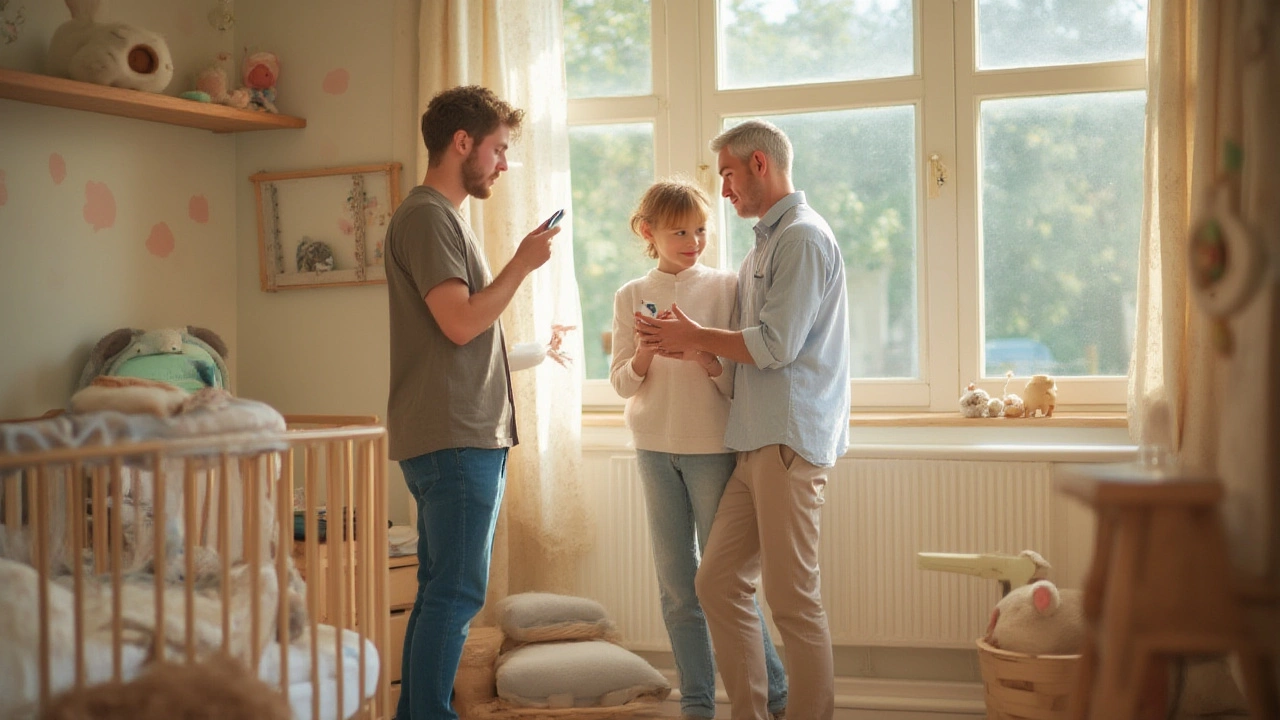
Not sure where to put your baby monitor? This guide covers the safest and smartest places to set it up for clear sight, sound, and peace of mind.

Wondering if your three-year-old still needs a baby monitor? This article breaks down safety benefits, sleep habits, and real-world concerns to help you decide. Learn when a monitor adds value, when to let it go, and how to transition smoothly. Discover tips that make monitoring work for older toddlers. Get honest, practical advice for modern parenting.
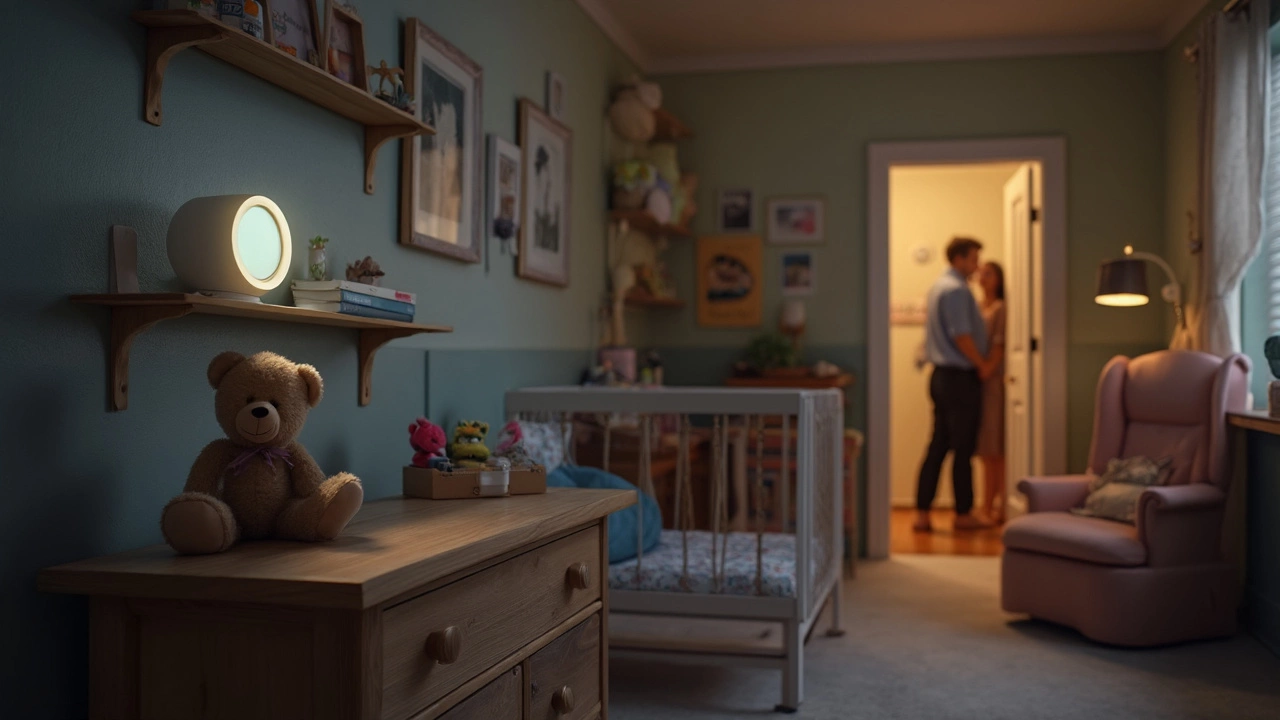
Ever wonder how long you should actually keep a baby monitor in your child’s room? This article breaks down the practical factors that affect when to retire the monitor, with real-life tips and interesting facts. We dig into safety concerns, parent anxiety, and what most families really do, without any sugarcoating or fluff. If you’re unsure whether it’s time to turn that monitor off, you’ll find useful advice here. Learn how to keep your parenting choices informed and stress-free.